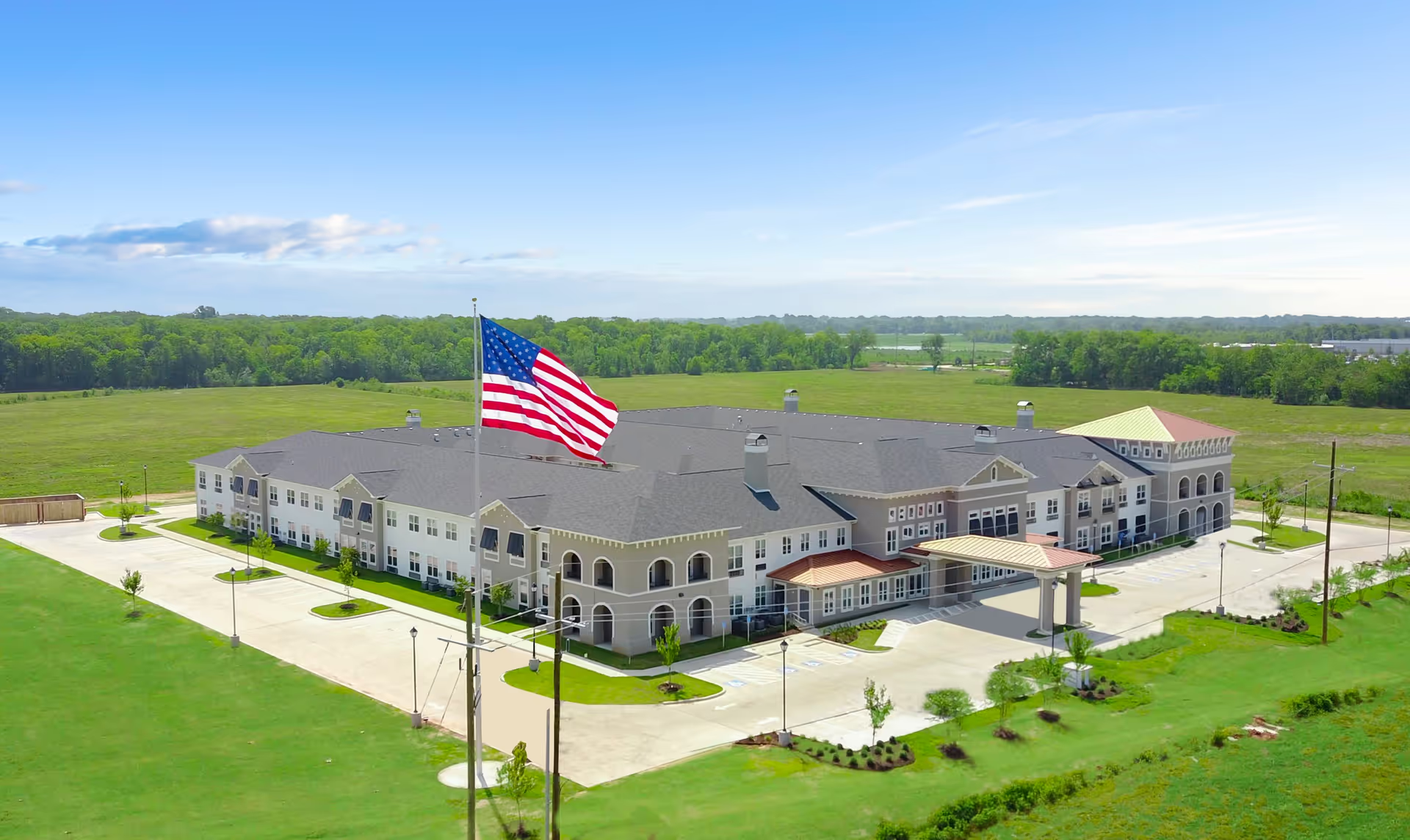
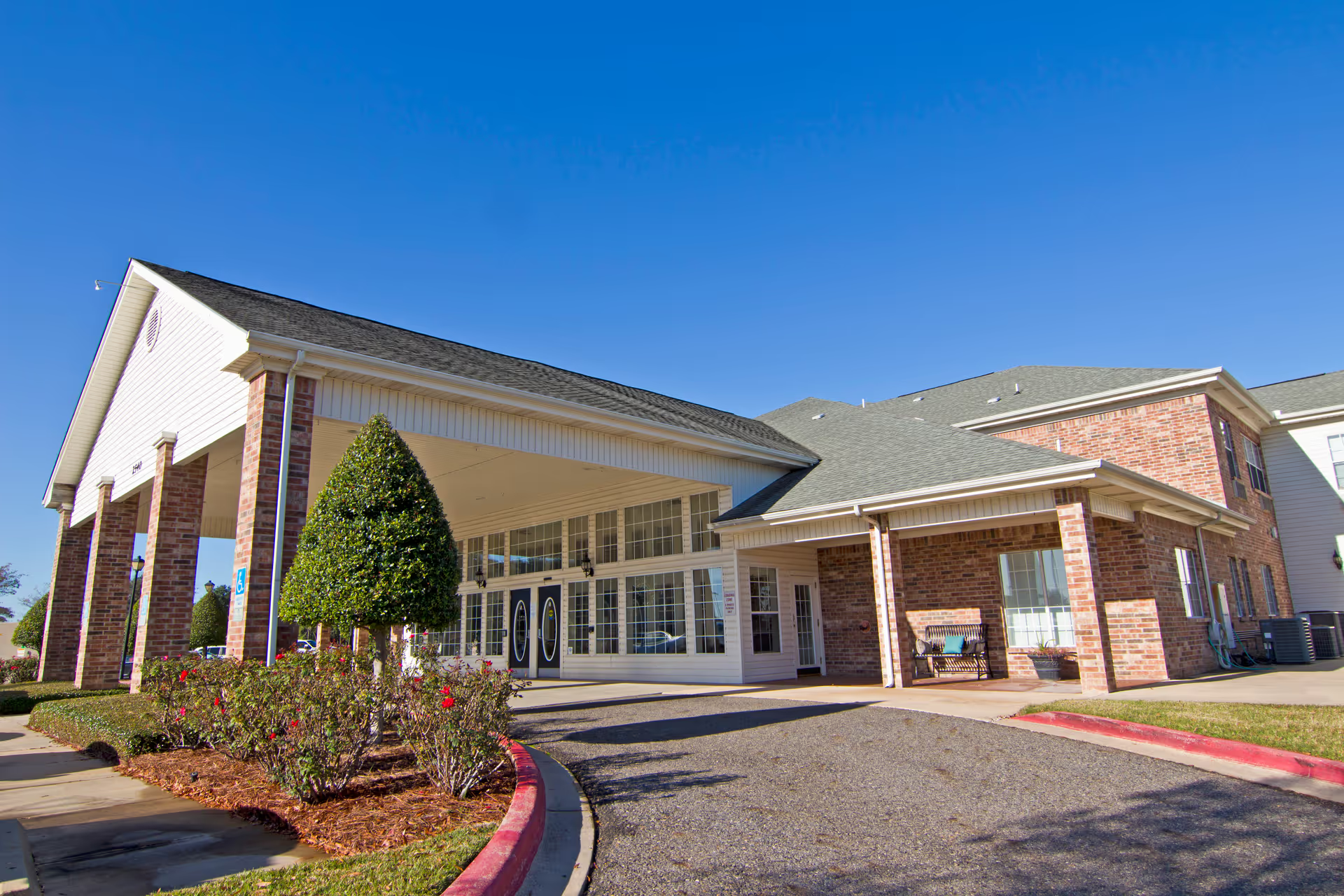
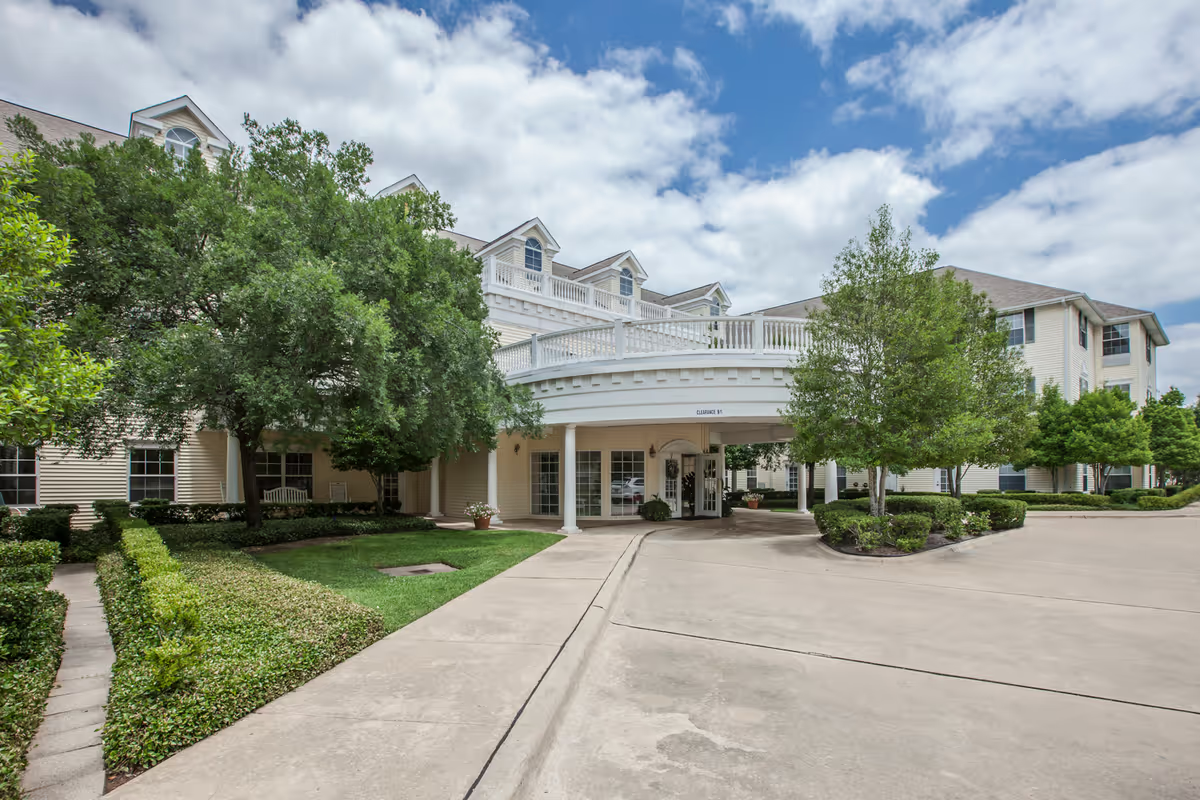
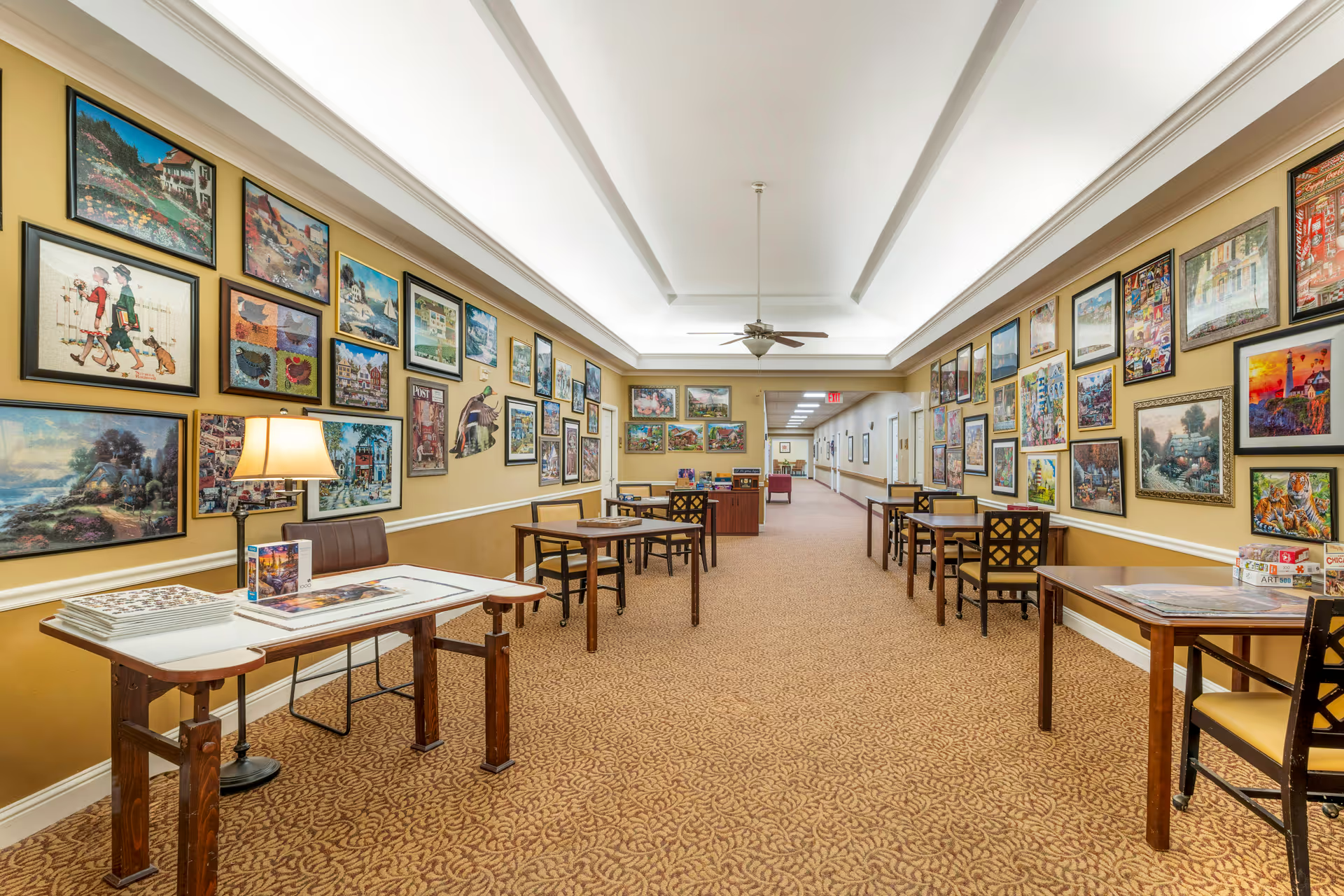
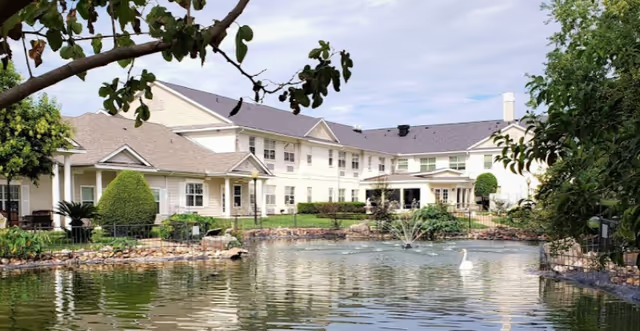
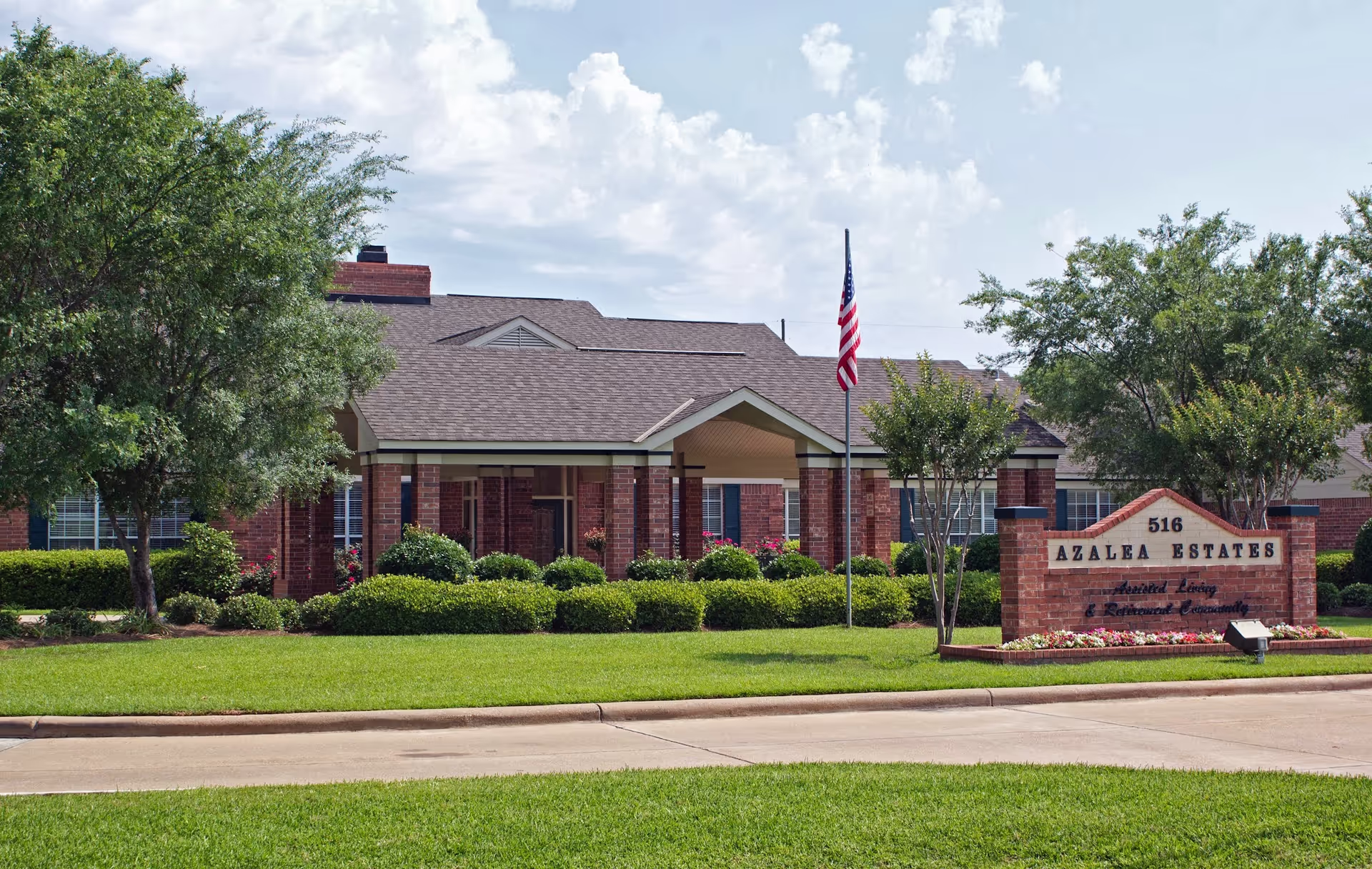
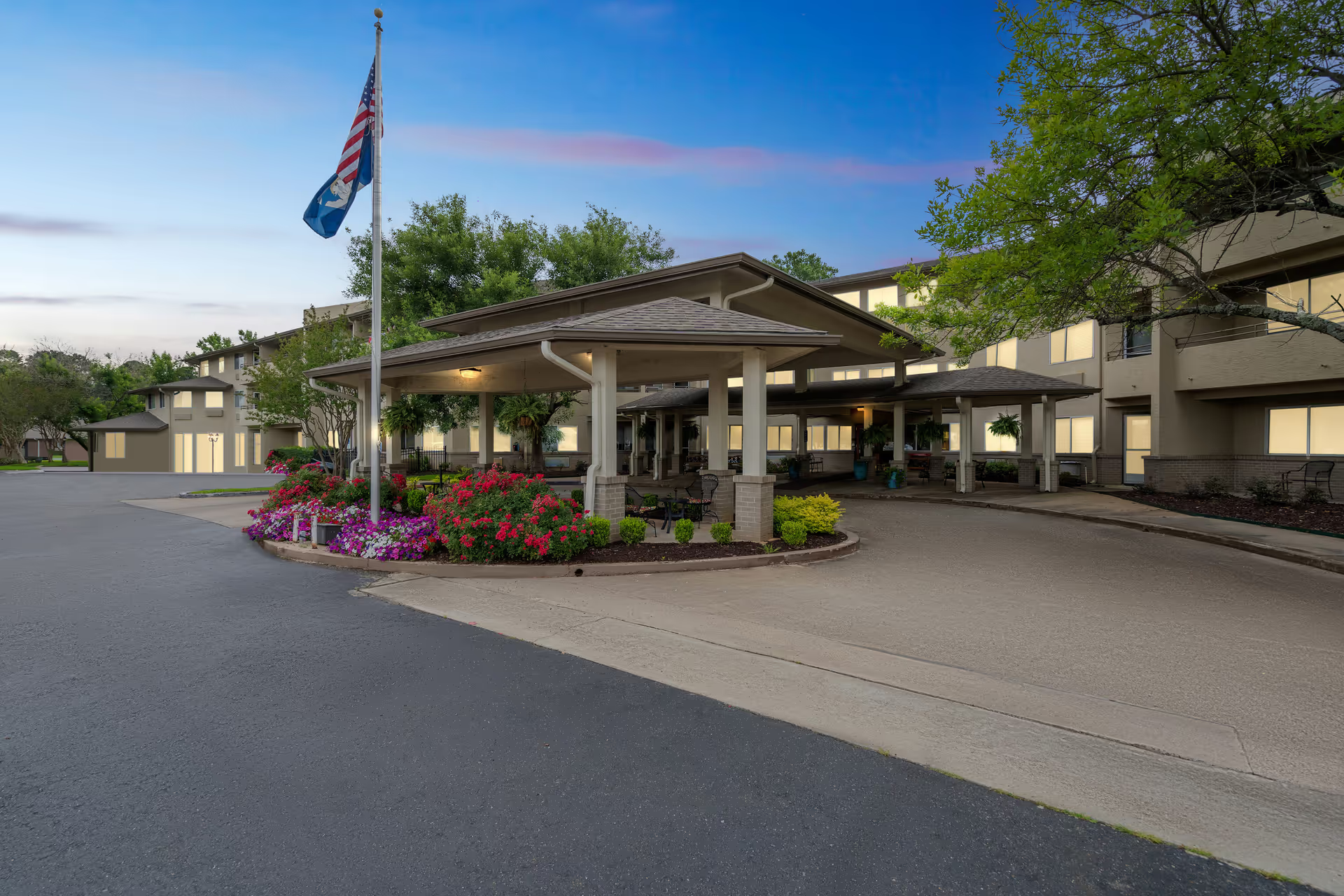
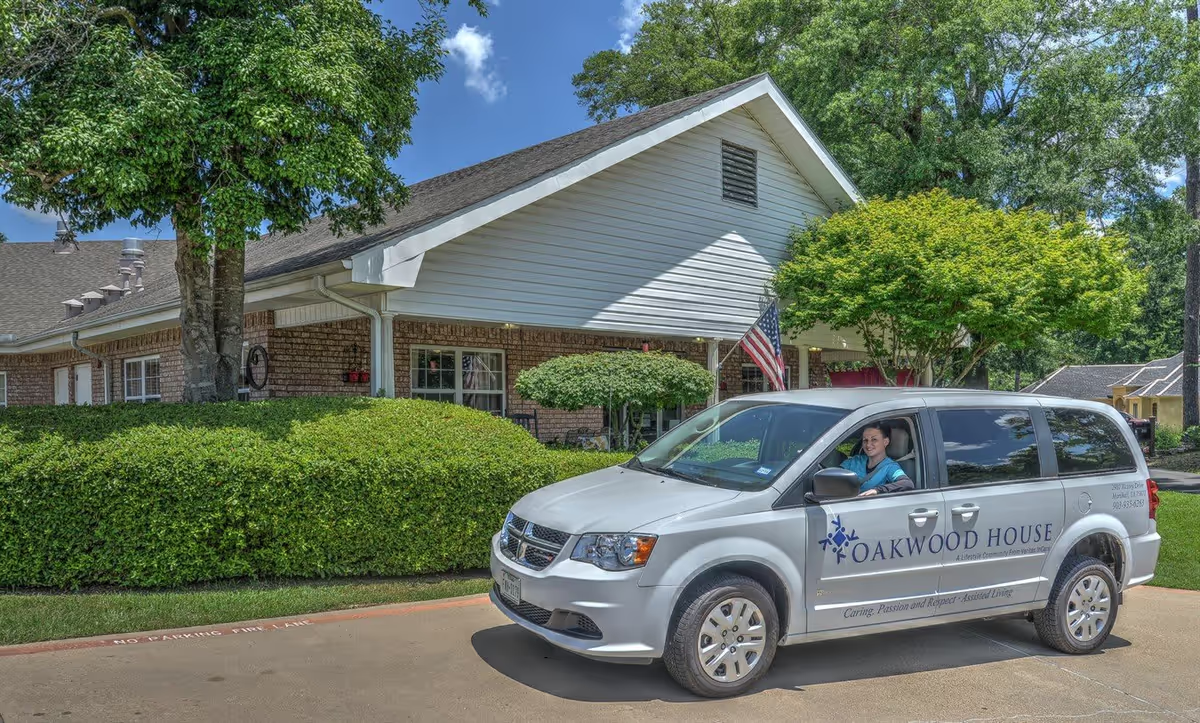
Reviews of Cypress Point Nursing & Rehabilitation Center present a polarized picture: many families describe strong clinical rehabilitation results, compassionate bedside caregivers, and an active social program, while others raise serious operational and safety concerns. Positive comments emphasize effective PT/OT/speech therapy that enabled functional recovery, attentive wound-care protocols including specialized mattresses and daily dressing routines, and a consistent group of caregivers who provide emotional support and frequent family communication. The facility's activity program, social events, chapel services, and communal amenities are frequently noted as strengths that contribute to an engaged, home-like atmosphere. Several reviewers also praised the building presentation — well-decorated common areas, spacious rooms with kitchenettes, and generally helpful customer-service and placement/insurance guidance.
Care quality and clinical operations show a mixed pattern. On the favorable side, therapy teams and wound nurses receive repeated commendation for achieving measurable improvements and preventing pressure-related issues. Conversely, multiple accounts point to operational gaps: inconsistent staffing, high turnover, and documentation shortfalls that correlate with delayed or missed care tasks (assistance with feeding, repositioning, bathing) and occasional medication or administration errors. There are also instances that families describe as delayed clinical responses after adverse events; these have led to calls from some families for regulatory review. Prospective families should view the clinical strengths alongside these process vulnerabilities and request specific policies and recent quality metrics.
Dining, activities, and facilities receive generally positive feedback but with variability. Many families report engaging activities, reliable event programming, and satisfactory meal experiences; others mention missed meal observations or continuity issues. Facility amenities and room comfort are often praised, yet some reviews reference localized sanitation and odor concerns and mention pest-control issues. These contrast indicate that environmental and housekeeping performance may vary across units and shifts.
Staffing, leadership, and culture are recurring themes. Caregivers, CNAs, and therapy staff are frequently described as compassionate and dedicated, creating trusting relationships with residents and families. At the same time, reviewers raise concerns about leadership stability, management communication, abrupt personnel actions, and perceived disengagement from clinical oversight. Low morale and reports of unprofessional conduct have been identified as factors that could affect consistency of care.
Notable patterns for families to consider: strong rehabilitation and wound-care capability coexists with operational weaknesses in staffing consistency, documentation, and environmental control. There are also serious, discrete claims about missing personal items and instances of delayed clinical responses; a limited number of families have called for regulatory review. When evaluating this community, request current staffing ratios, turnover statistics, recent inspection and incident reports, medication-safety protocols, theft-prevention measures, sanitation logs, and examples of family communication practices. An in-person visit during different shifts (day and evening), direct conversations with therapy and nursing leadership, and observation of activities and meal service can help weigh the facility's documented strengths against the operational issues described by other families.