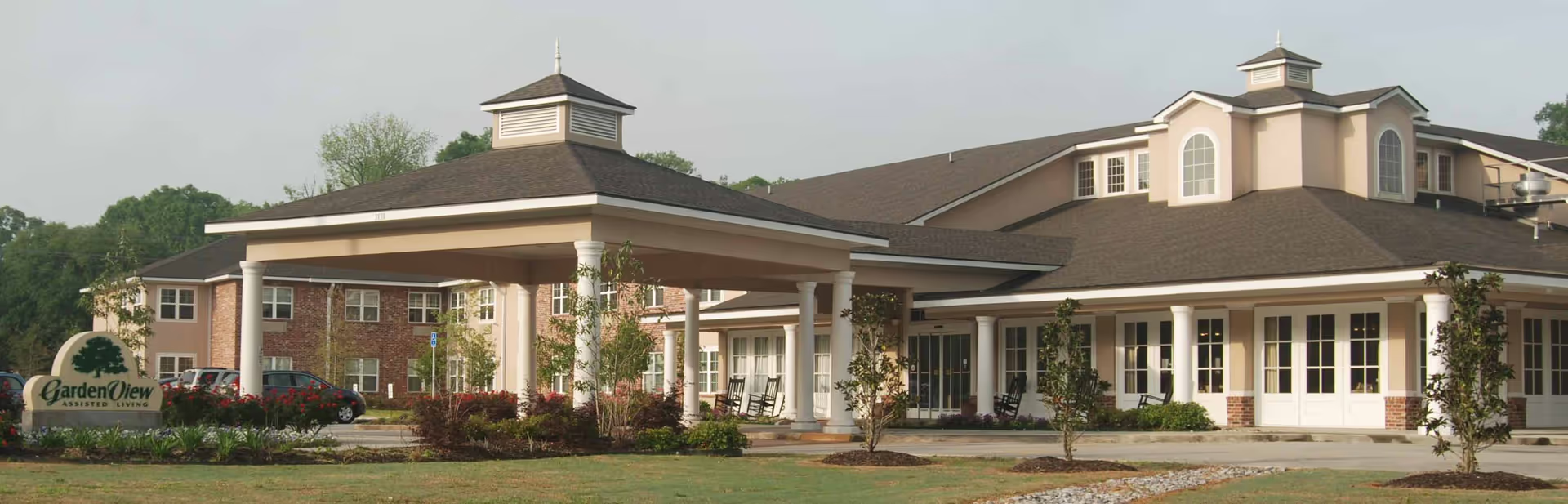
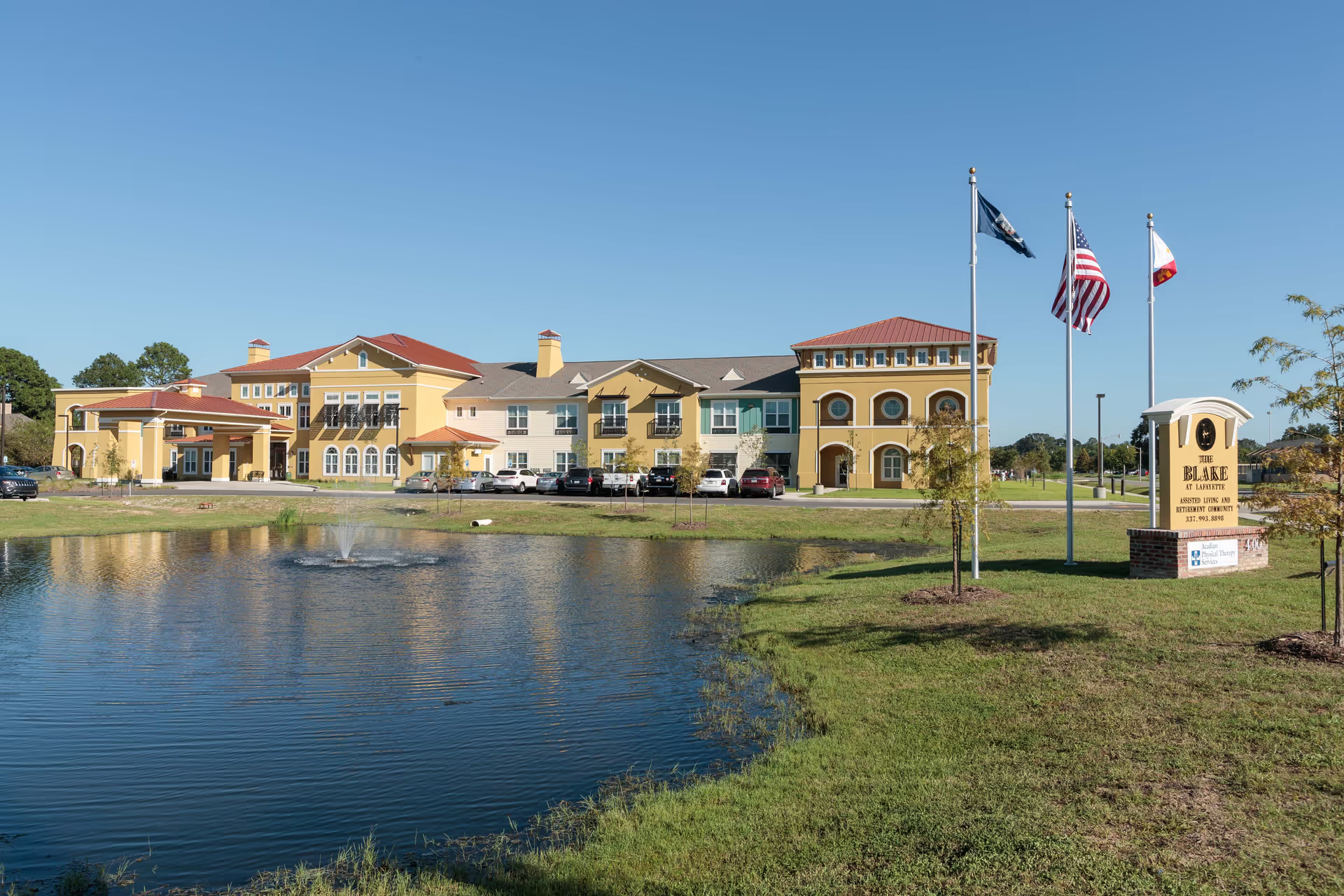
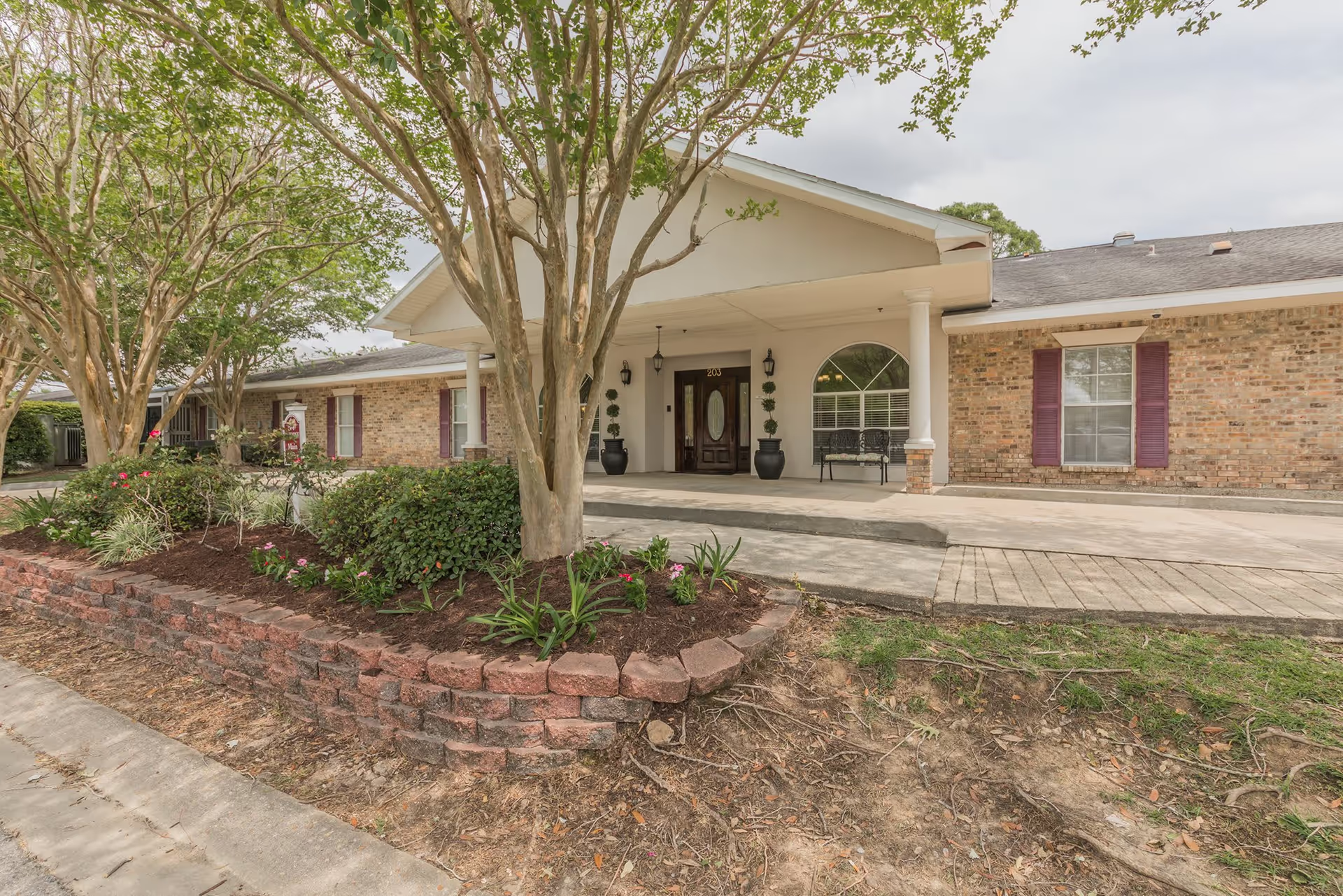
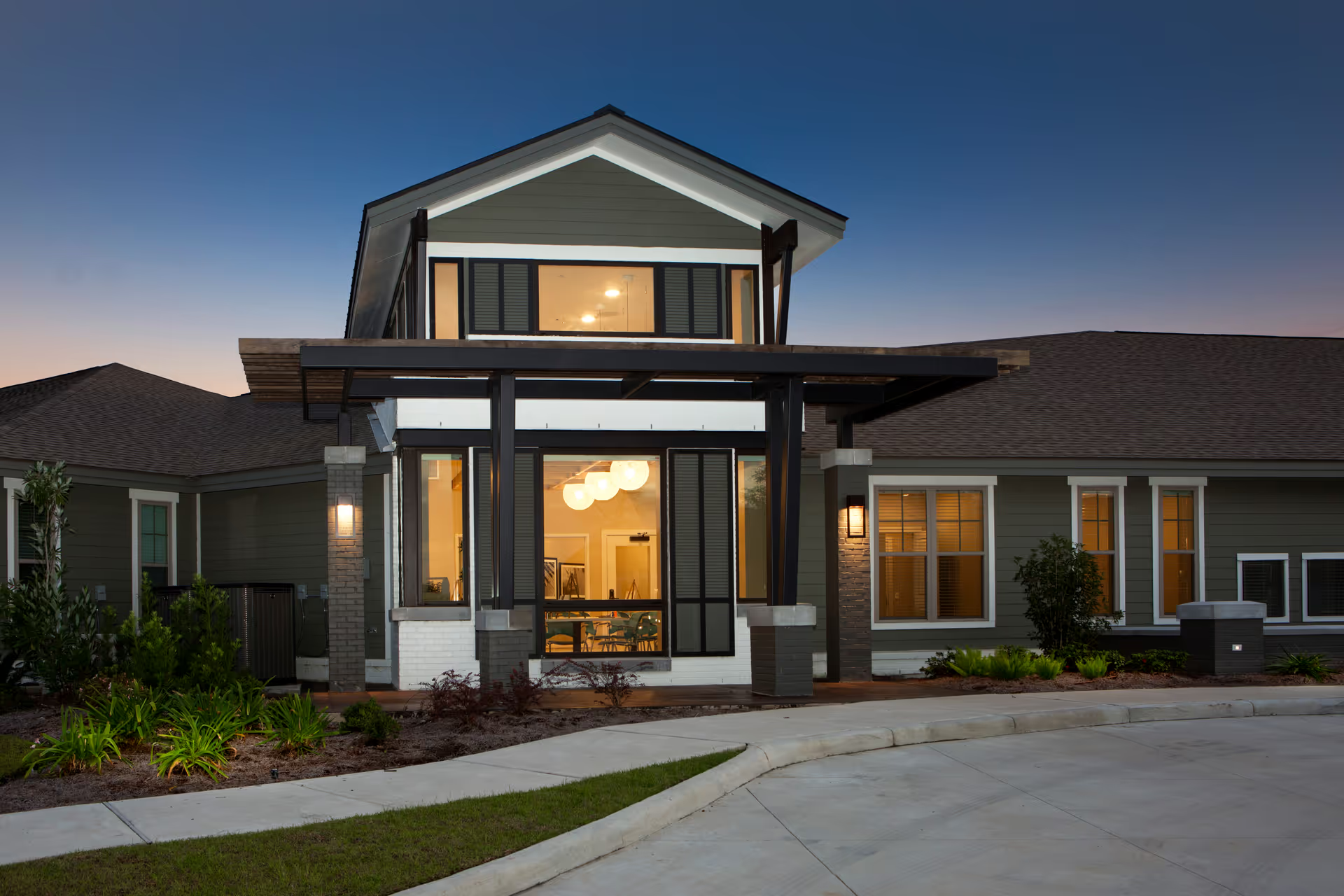
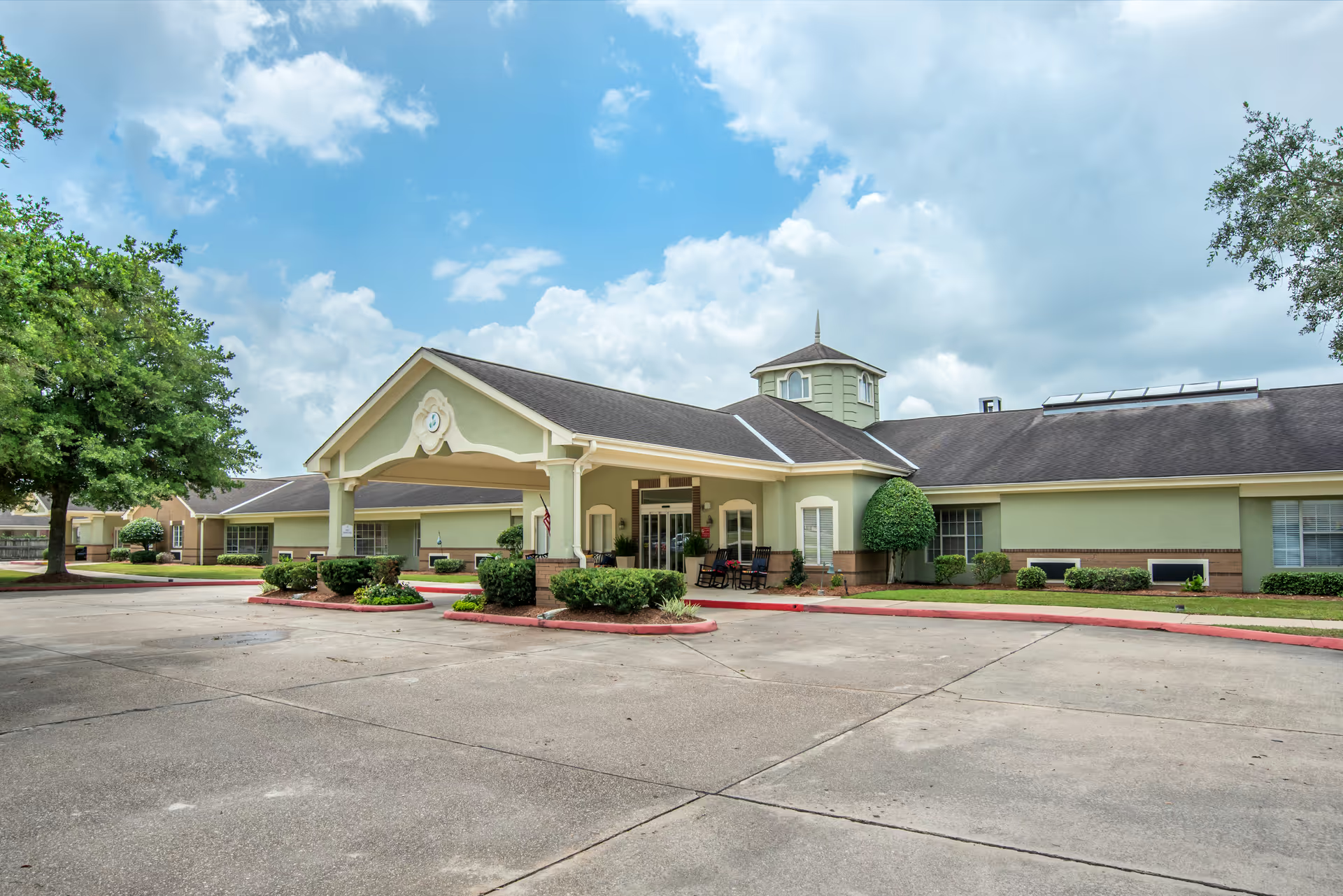
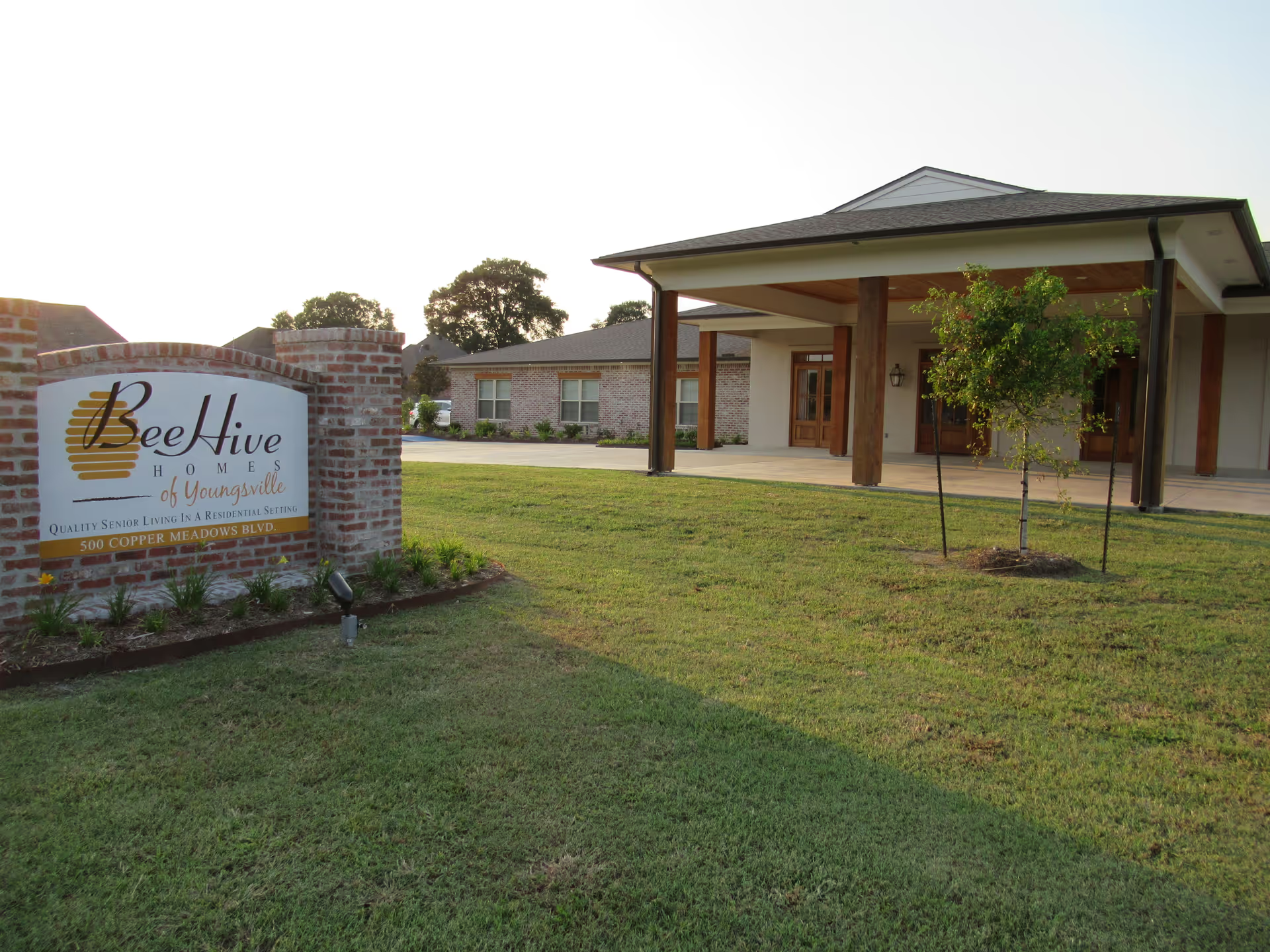
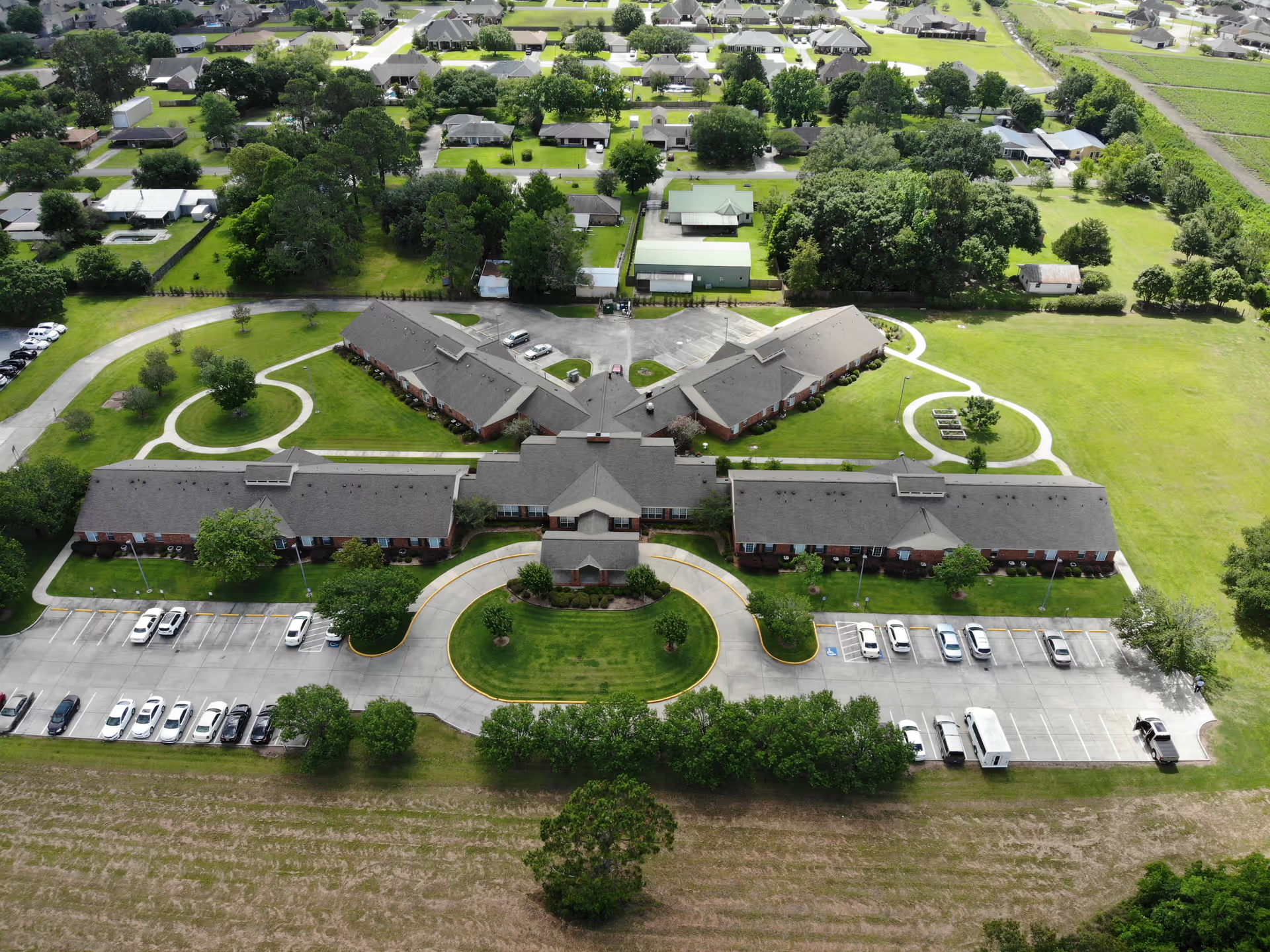
Reviewers describe a facility with clear strengths in its physical environment and some aspects of resident experience, paired with recurring operational and leadership concerns. Positive comments focus on well-maintained rooms and attractive outdoor spaces; several accounts characterize stays as comfortable or excellent when residents are functionally independent. There are also specific mentions of competent caregivers in the Alzheimer's/dementia unit, indicating pockets of reliable bedside care.
Care quality appears mixed and is described as dependent on resident needs and staffing consistency. Self-sufficient residents are generally reported to do well, while residents requiring higher levels of assistance are more likely to experience lapses in routine care and monitoring. Specific operational patterns noted include limited rounding frequency, insufficient checks on dependent residents, and variability in how personal-care preferences (for example, grooming) and nutrition are managed. These patterns suggest inconsistent implementation of individualized care plans, especially for those with greater clinical needs.
Staff behavior and team functioning are recurring themes. Reviewers describe concerns about staff conduct and communication tone, and several mention caregiver distraction related to personal devices. At the same time, there are isolated positive mentions of attentive CNAs. Leadership issues are highlighted by comments about an inaccessible director of nursing, a supervisory focus on historical matters rather than proactive care planning, and an administrative stance described as defensive and argumentative. These factors are said to hinder collaborative care planning and timely problem resolution.
Dining and nutrition receive less direct praise; however, concerns about nutrition management and weight monitoring were raised, indicating potential gaps in oversight for residents at nutritional risk. Activities and the physical environment are clear positives: the campus, yard, and seasonal landscaping are consistently described as pleasant and well cared for, which can support resident well-being and outdoor engagement.
Management and organizational culture are areas of notable concern. Reviewers describe a conflict-driven approach to issues, limited responsiveness from leadership, and workplace-culture problems that may affect staff morale and retention. Alongside these systemic concerns, there are mentions of serious events and post-event communication problems; these descriptions point to opportunities to strengthen clinical-incident response, family communication, and documentation practices.
Overall, prospective residents and families should weigh the facility's attractive environment and reports of satisfactory experiences for more independent residents against recurring operational weaknesses affecting dependent-care reliability, staff conduct consistency, and leadership responsiveness. Asking targeted questions about nursing leadership accessibility, staffing levels for higher-dependency care, monitoring/rounding protocols, nutrition oversight, and how the facility documents and communicates after clinical incidents would be advisable during a tour or pre-admission conversation.