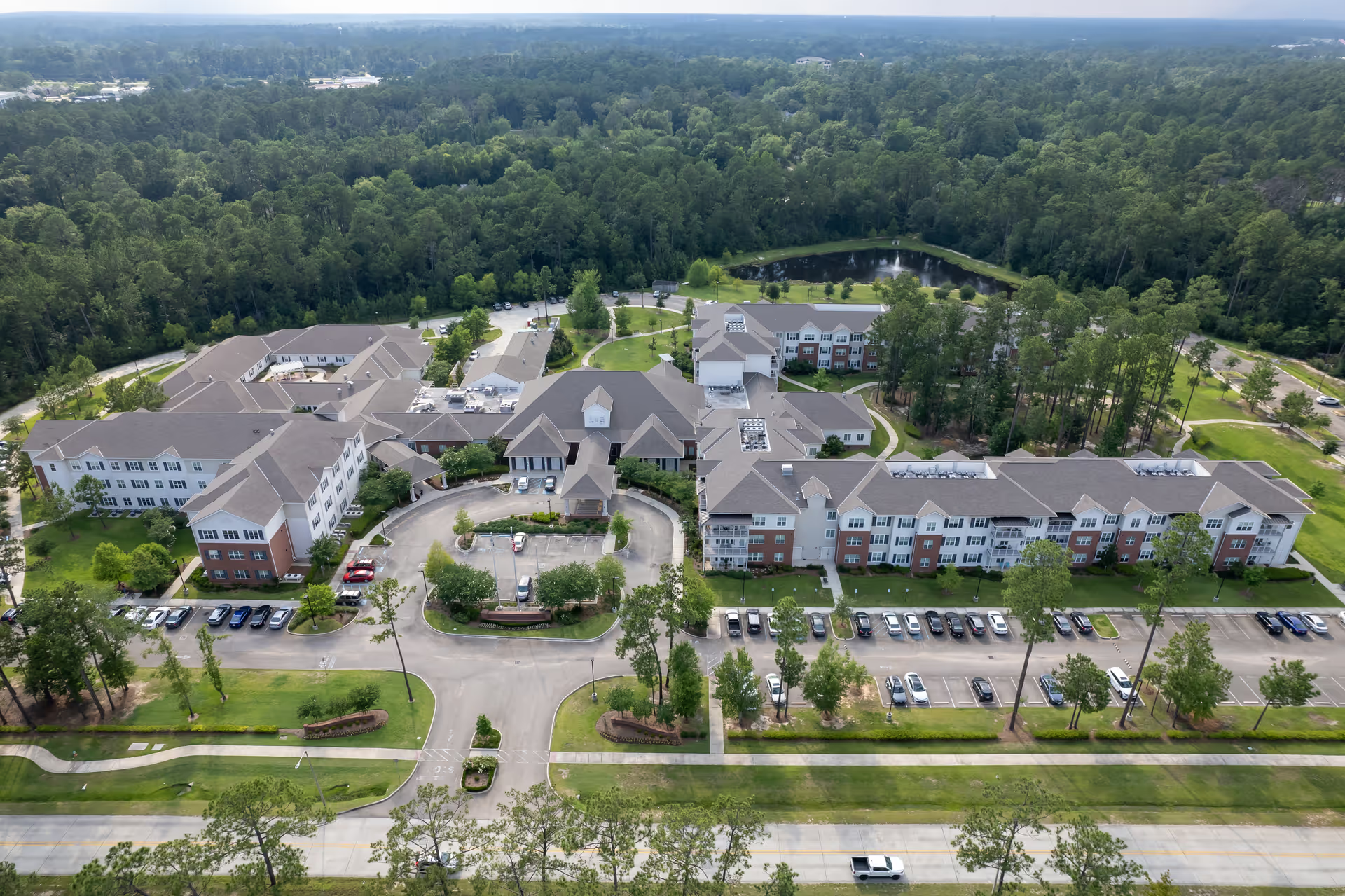
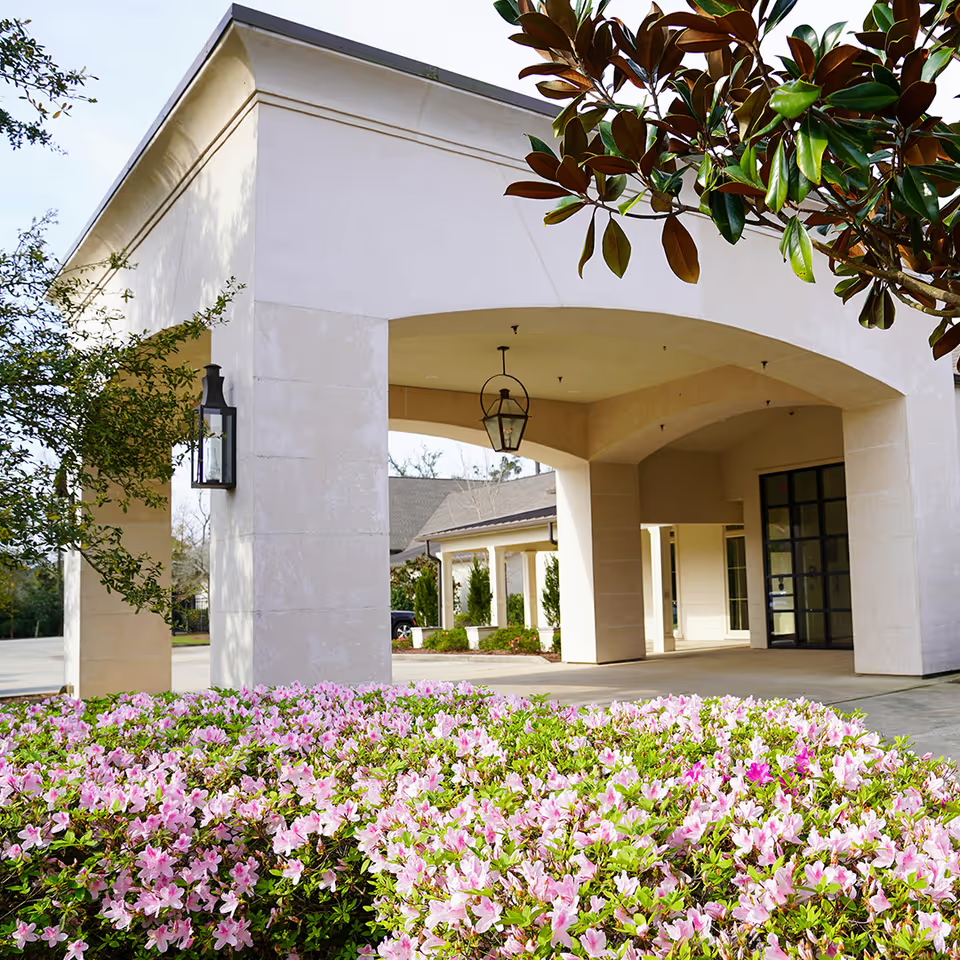
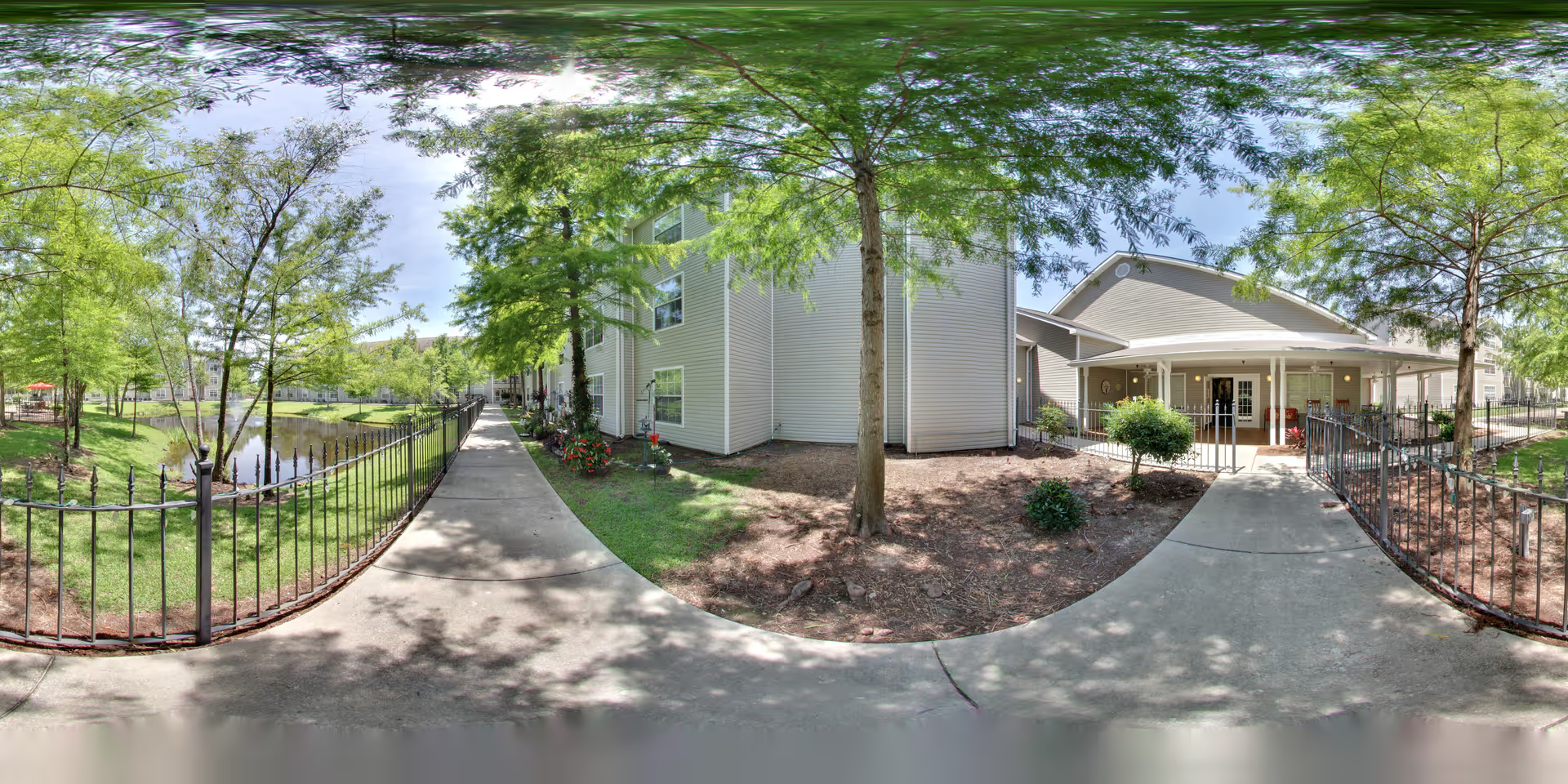
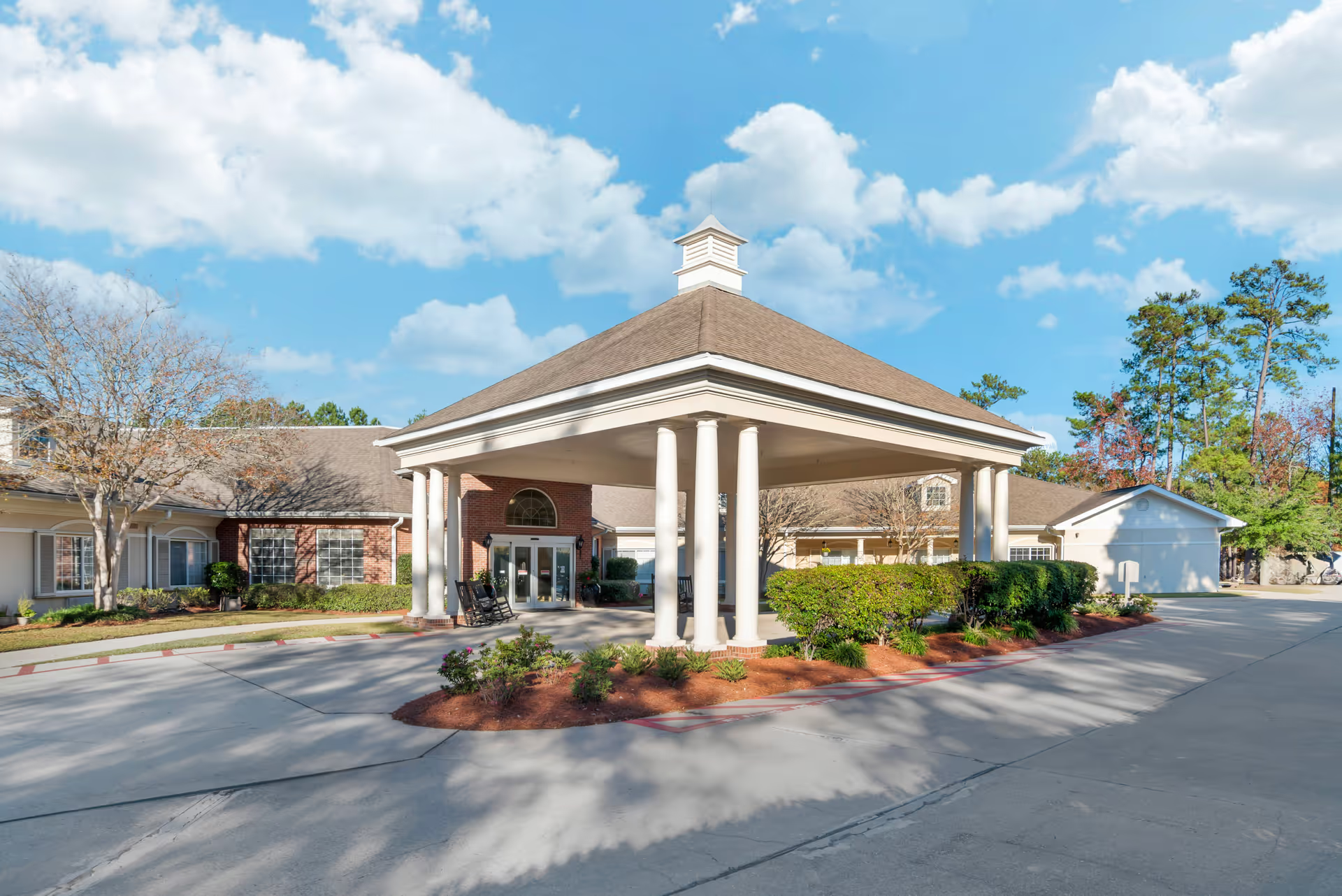
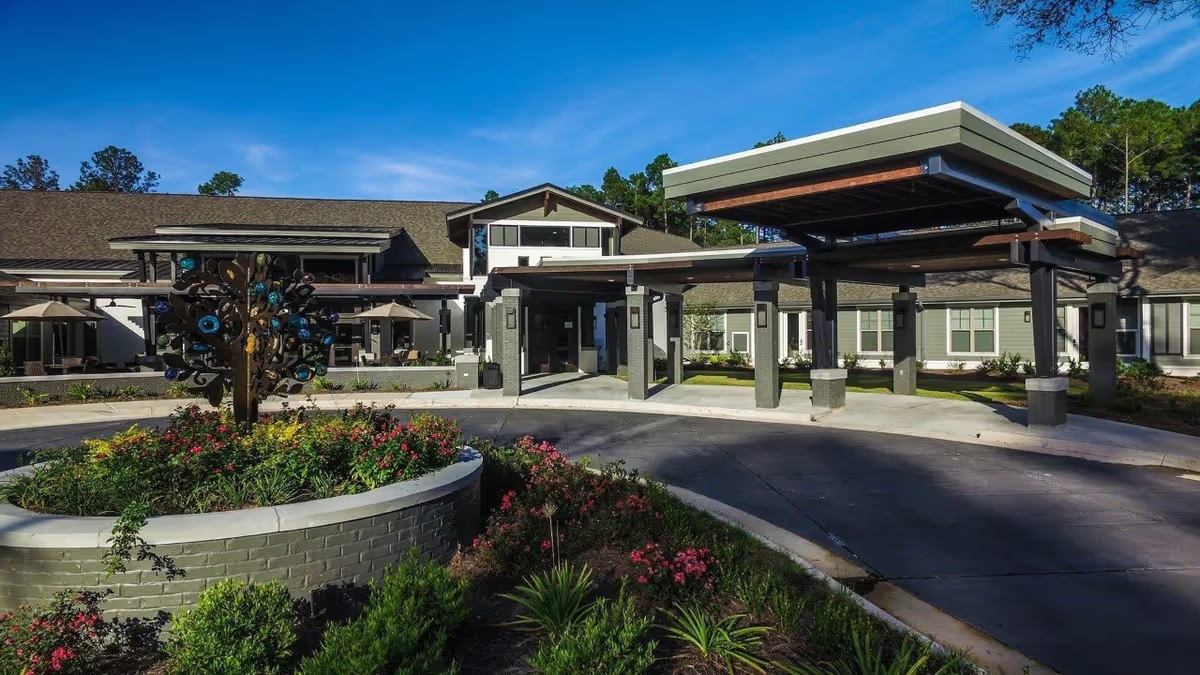
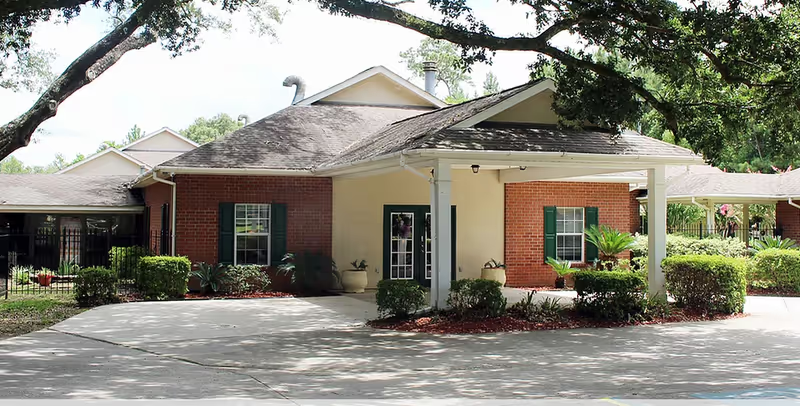
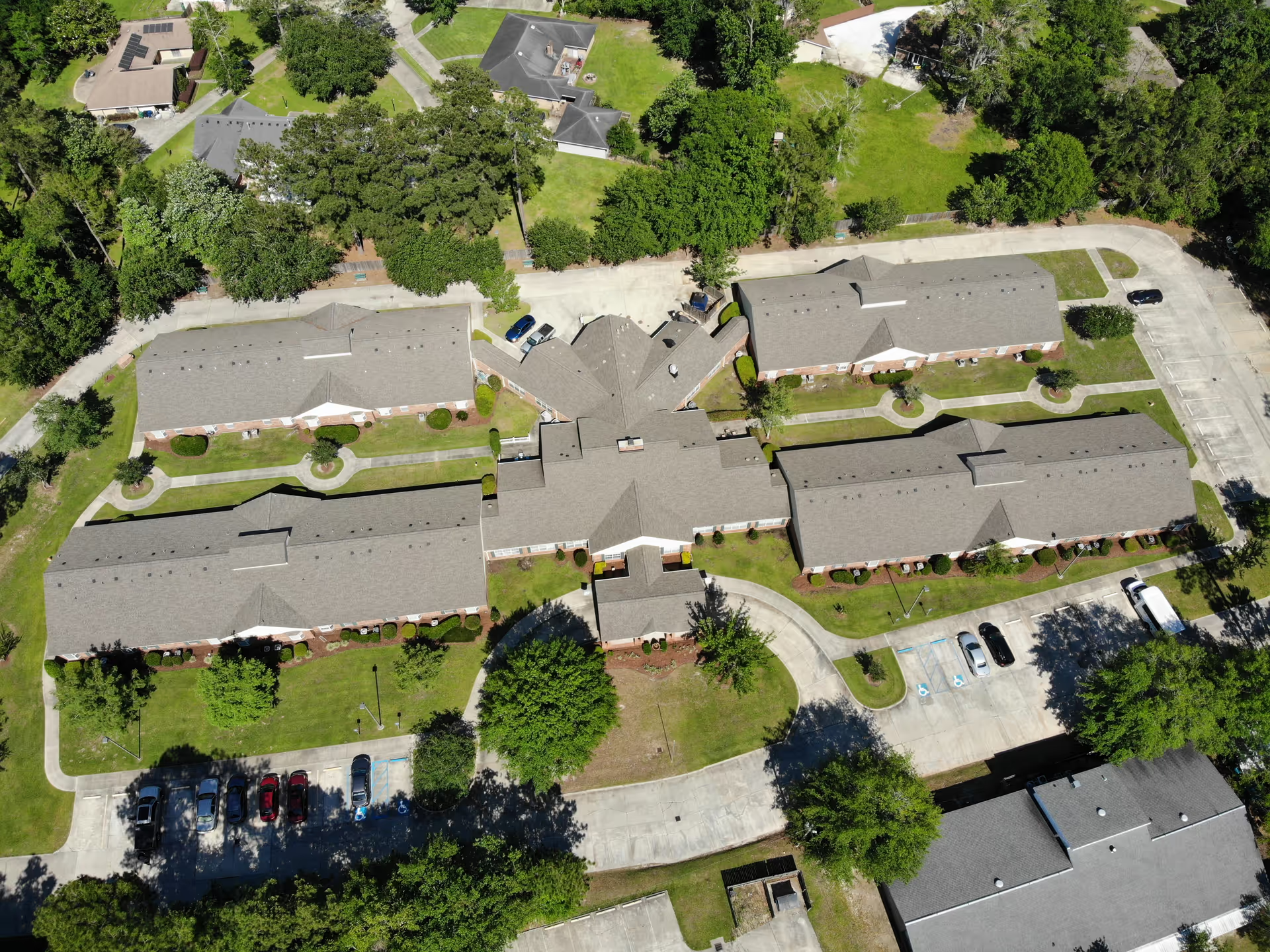
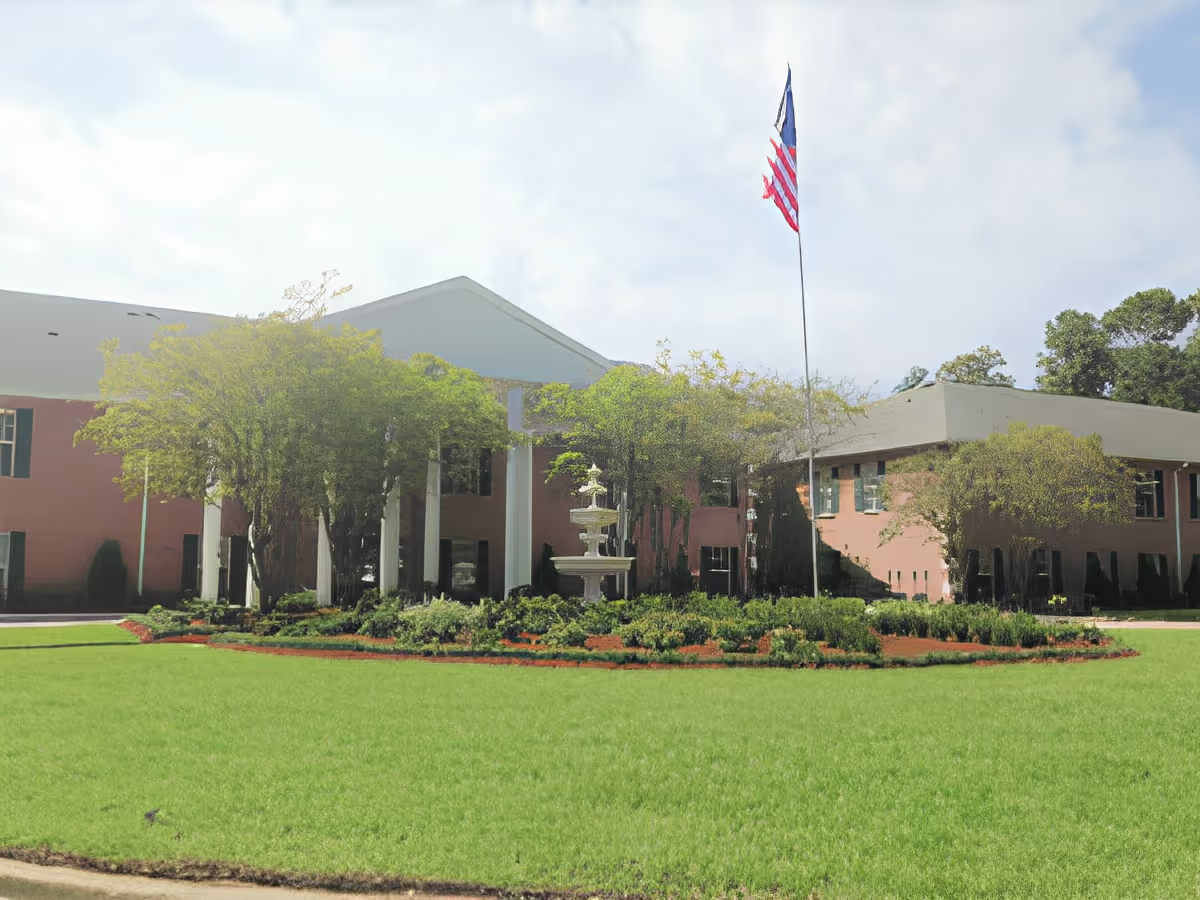
Sage Lake presents as a well-maintained, attractively designed senior living community with substantial emphasis on social life and resident comfort. The physical environment is frequently described as modern, light-filled and clean, with multiple indoor and outdoor gathering areas, private apartments, and amenities such as an on-site salon. Many families highlight the facility’s atmosphere as home-like rather than institutional, and note that residents appear engaged and content in daily life.
Activity programming is a clear strength: there is a broad calendar of offerings (arts and crafts, bingo, exercise, live entertainment, happy hour, church services, movie nights and organized outings) that supports social engagement and quality-of-life. Transportation for shopping and scheduled off-site trips is available, and family-oriented options such as family dining visits are in place. Reviewers often single out individual staff and leaders for going above and beyond, describing the caregiving team as compassionate, attentive and resident-focused; management is generally viewed as accessible and willing to discuss concerns.
Dining receives mixed but generally positive commentary. Many residents and families praise the food as chef-driven and flavorful, with references to specific menu highlights. At the same time, there are consistent notes about meal-service timing problems and occasional long waits; several families expressed concern about meal punctuality, additional meal costs, and overall value relative to price. Prospective residents should clarify dining schedules, meal costs and typical service flow during a tour.
Clinical care is an area with contrasting impressions. For routine assisted living needs many reviewers describe high-quality, dignified care and round-the-clock availability. However, there are recurring concerns about the facility’s capacity to manage more complex memory-care needs: accounts indicate gaps in behavior management and medication coordination for residents with advanced cognitive impairment. These concerns include medication-administration communication issues and instances where clinical needs were not fully met, suggesting uneven capability in specialized memory-care cases.
Operationally, themes include intermittent understaffing and task-scheduling problems that can affect service continuity (for example, meal delays and unclear duty assignments). While management is often praised for responsiveness, operational coordination and staffing consistency emerge as areas for improvement. There are also occasional service disruptions during short-term isolation or health-related events; families should ask how programming, meal service and staffing are maintained during those periods.
For prospective residents and families: Sage Lake offers a strong social environment, attractive surroundings, and a caring staff culture that many families find reassuring. Before committing, consider asking specific questions about current staffing levels and shift coverage, memory-care clinical protocols and medication-management practices, typical meal-service timing and costs, and contingency plans for short-term health or isolation events. Those clarifications will help determine whether the community’s strengths align with an individual’s clinical needs and expectations for value.