Overall impression: The reviews present a facility with clear strengths in post-acute rehabilitation, environmental upkeep, and customer-service orientation, while also containing isolated but serious concerns about clinical response in select cases. Many families and former patients praised the rehabilitation outcomes, the welcoming atmosphere, and the physical plant; however, a small number of critiques describe potentially significant clinical issues that prospective families should evaluate further.
Care quality: Multiple reviewers emphasized strong rehab and restorative therapy programs, noting useful skills taught in therapy and successful functional gains. Several reviews praised nursing care and described staff as kind and attentive. Contrastingly, a few reviewers raised serious clinical concerns about how acute health changes were managed; these comments suggest unevenness in clinical monitoring and in the facility’s response to rapidly evolving health situations. This pattern points to variability in clinical oversight rather than a uniform standard of care across all residents.
Staff and management: Staff receive frequent positive mention for being caring, friendly, and family-like, and administration is described as professional, organized, and communicative (one review specifically named the administrator in a positive context). These accounts indicate strengths in staff–family communication, morale, and leadership visibility. At the same time, the presence of negative comments about responsiveness implies staffing or protocol inconsistencies that may affect certain shifts or cases.
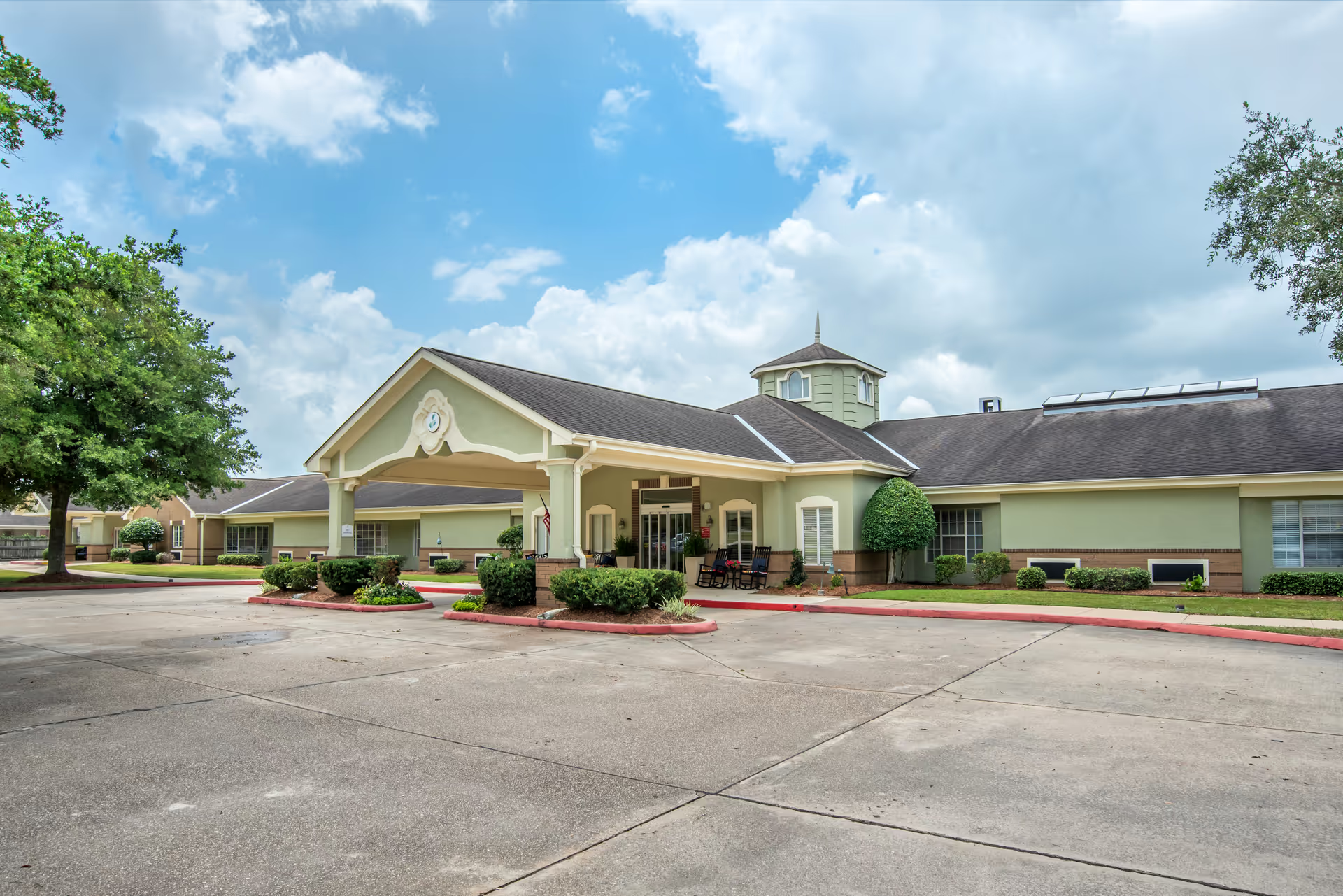
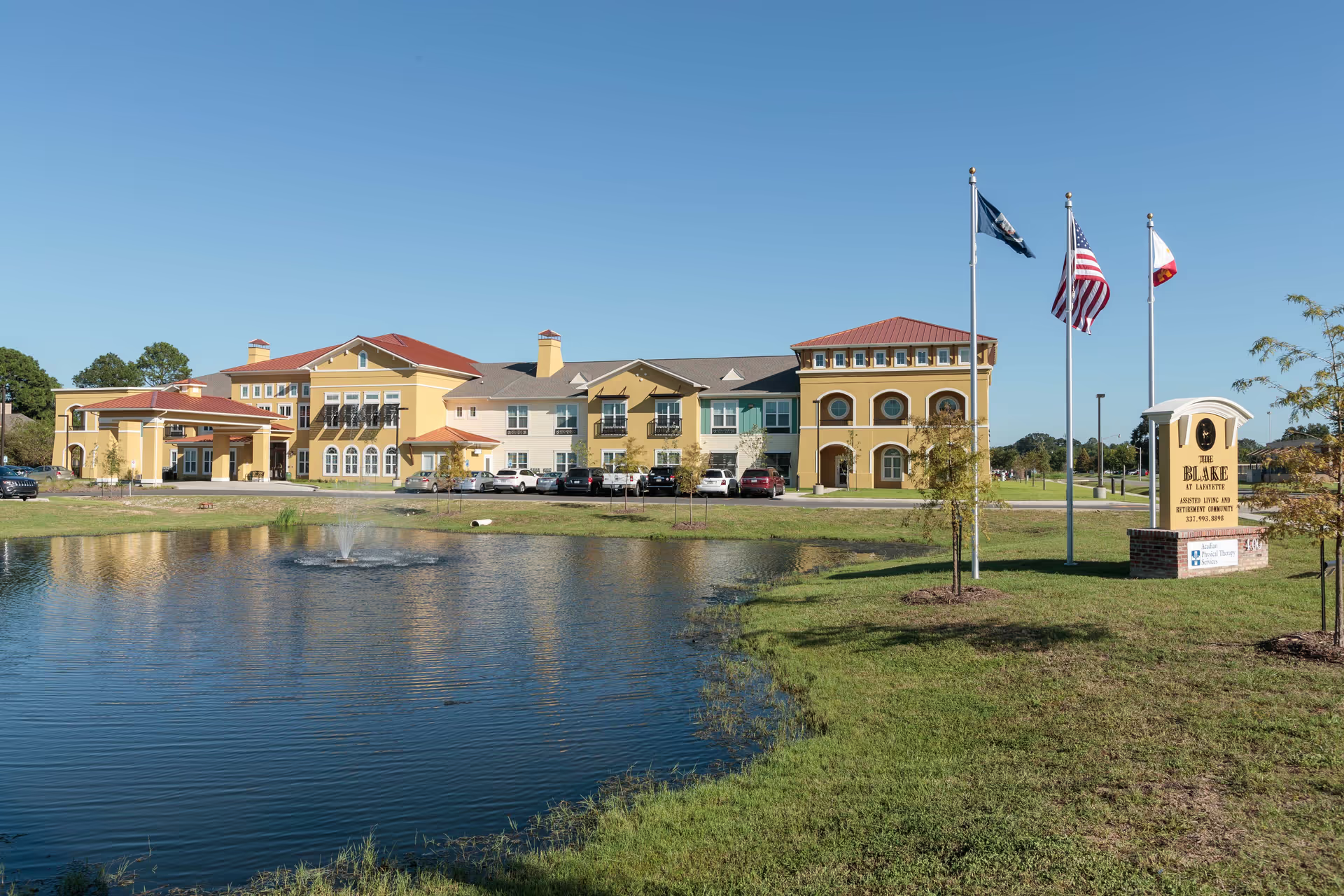
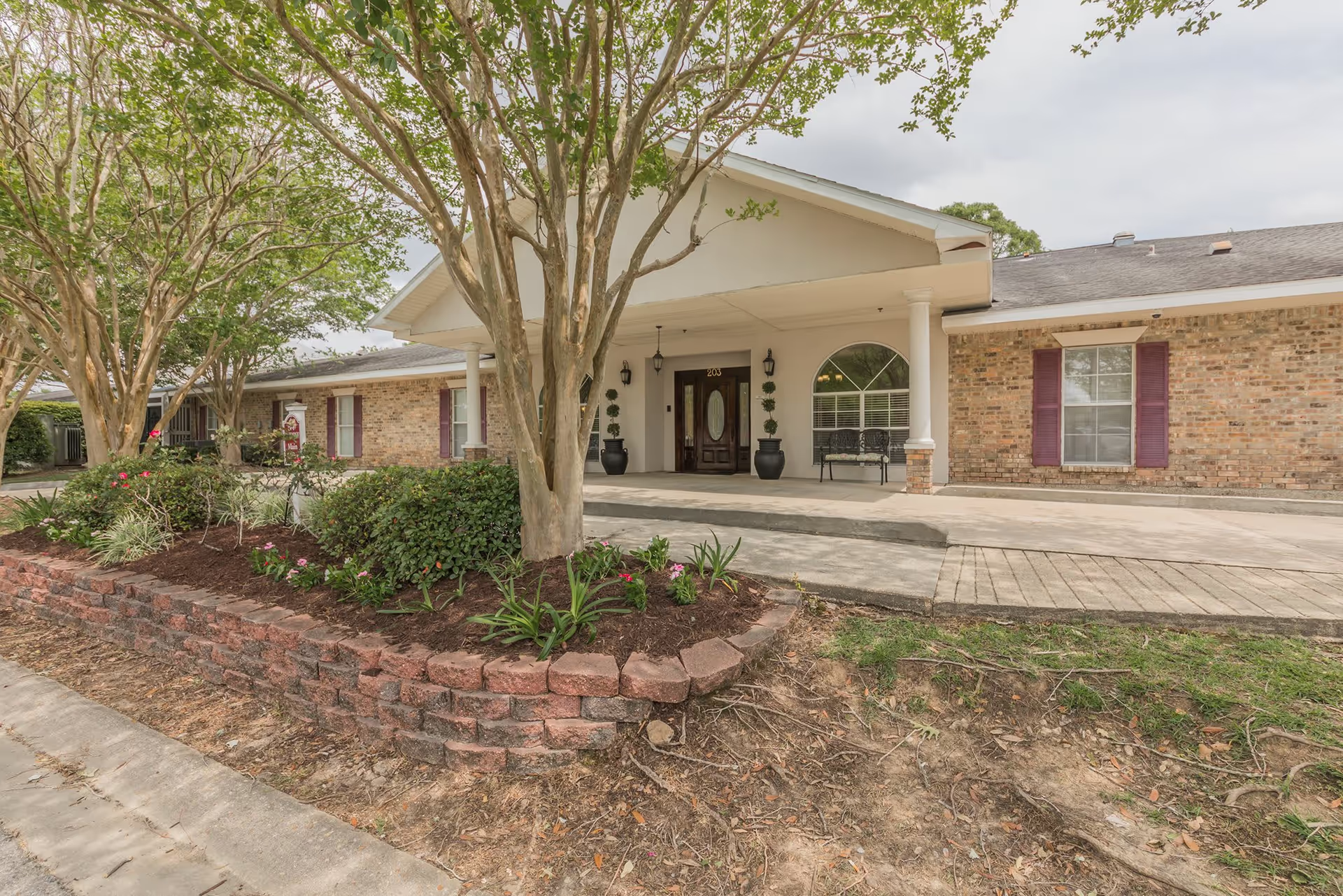
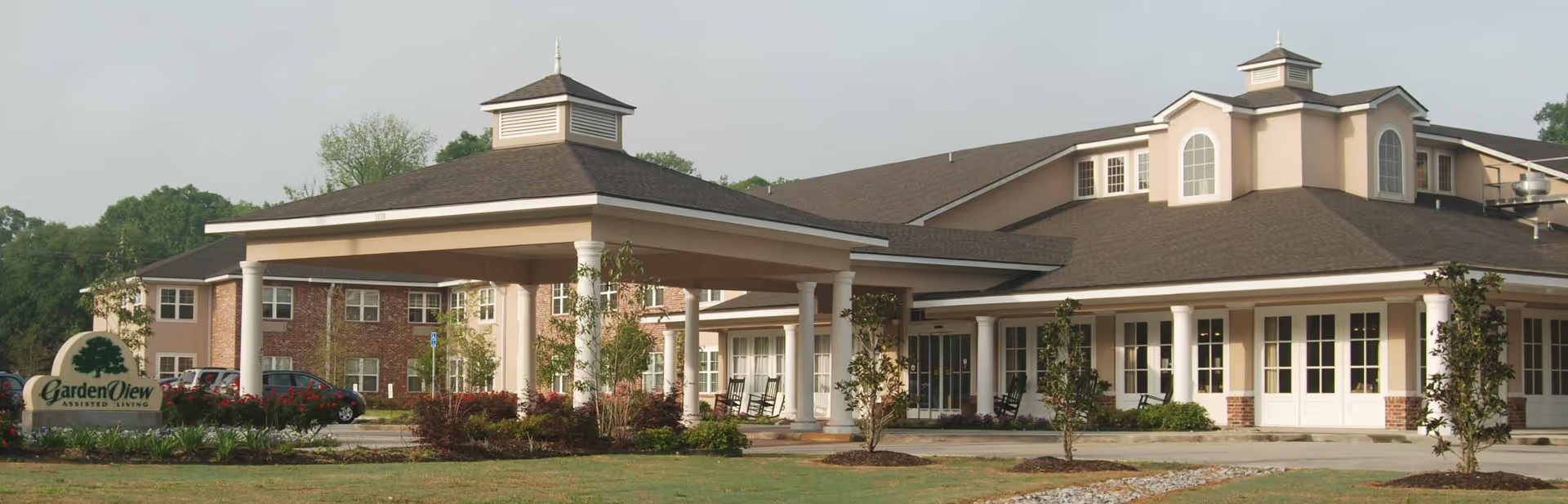
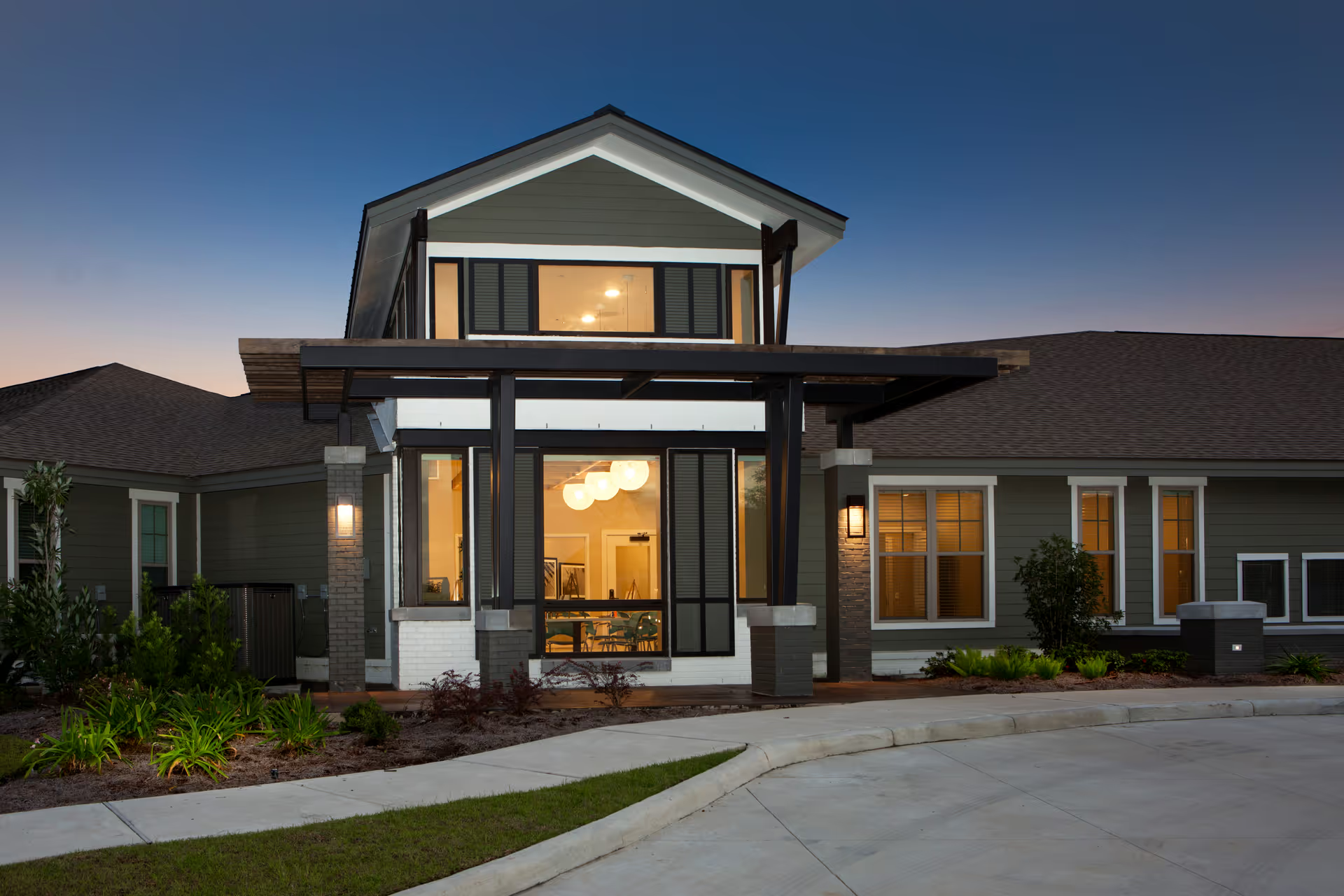
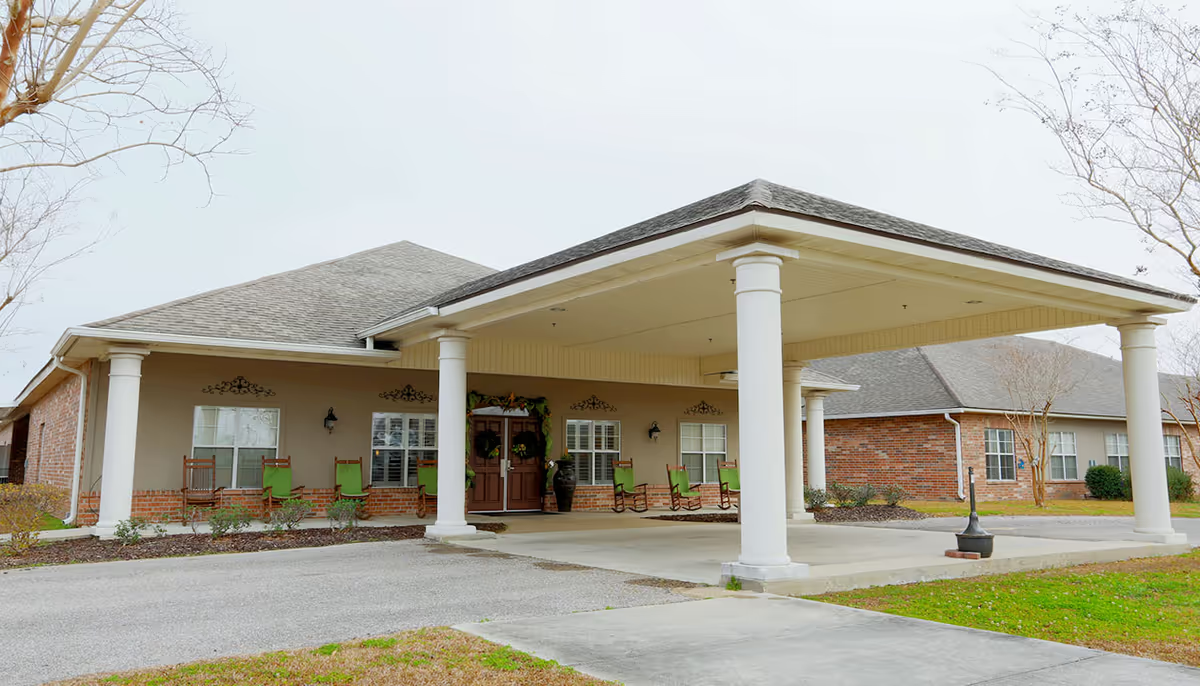
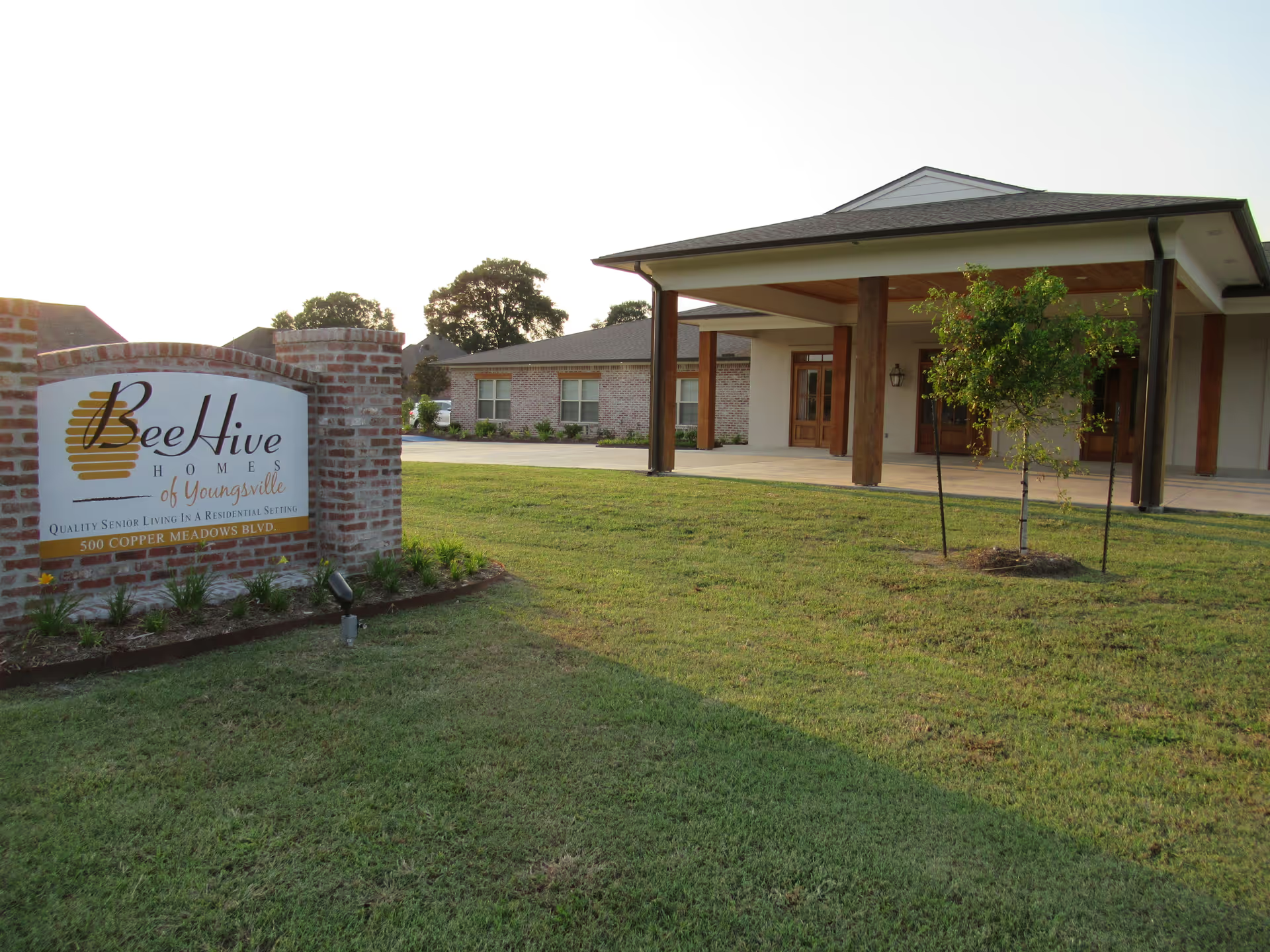
Facilities and dining: The facility is described as new or recently updated, very clean, and well maintained. Private, roomy rooms with large bathrooms were highlighted as a comfort factor. Dining also drew praise — both for the quality of meals and for family-oriented events — suggesting a positive food-service environment and opportunities for family engagement.
Activities and community: Reviewers described a pleasant atmosphere with friendly, respectful residents and staff who create a family-like environment. Therapy programs that teach daily-use skills were noted as practical and relevant to post-discharge independence. Social aspects and staff-resident interactions appear to be a consistent strength.
Notable patterns and considerations: The dominant themes are strong rehabilitation services, high cleanliness standards, and a supportive staff culture. However, isolated but serious concerns about clinical monitoring, infection-control follow-up, and responsiveness to acute declines introduce a degree of variability in the overall picture. Prospective residents and families may wish to balance the facility’s demonstrated strengths in rehab, environment, and leadership with targeted questions about clinical oversight: staffing levels, handoff practices, infection-control protocols, and how the facility notifies families and escalates care during acute events.