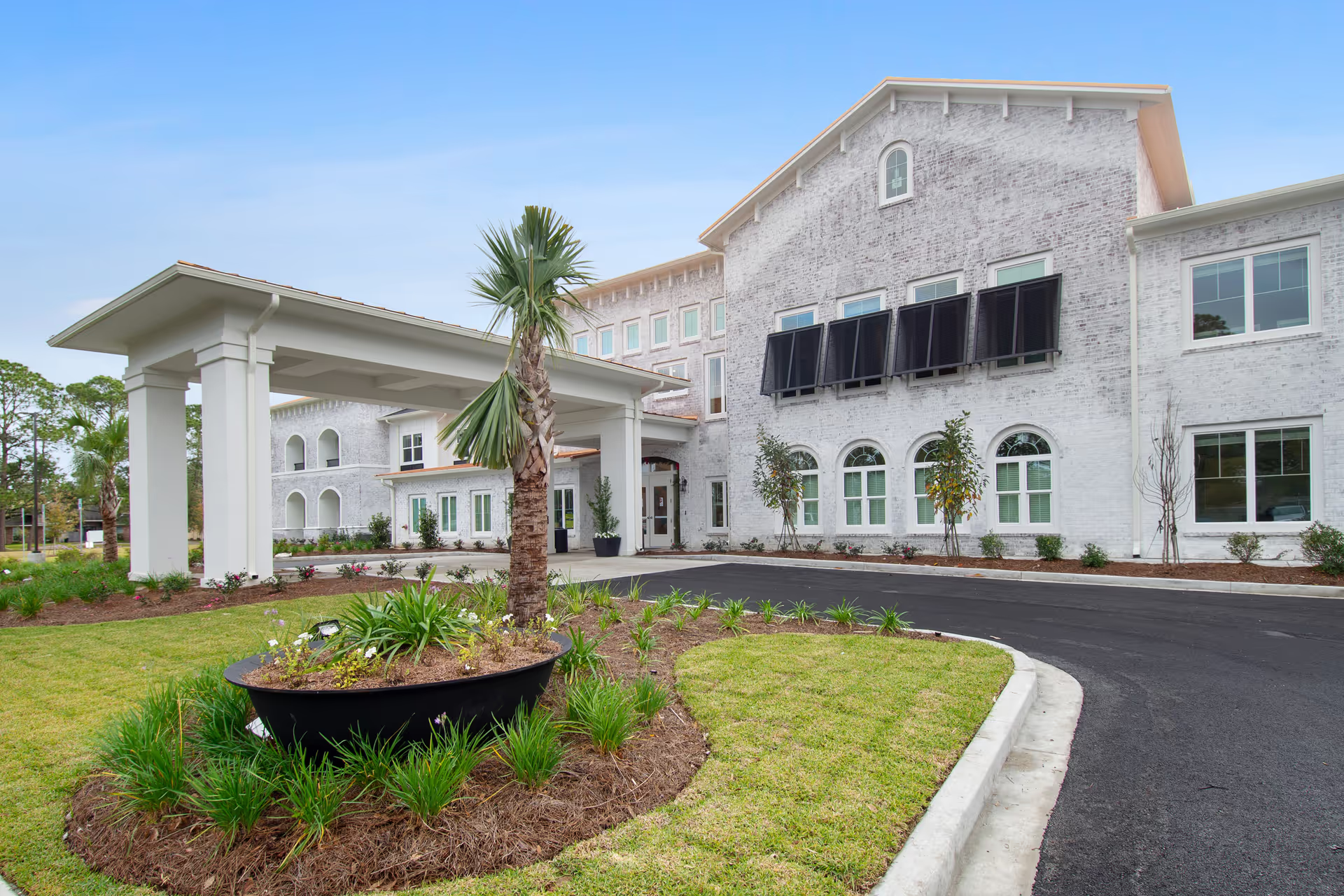
Bayside Healthcare Center elicits a mixed but distinct set of impressions. Many families praised the facility for its compassionate, bilingual staff, a family-oriented atmosphere, and strong rehabilitation services. The presence of an on-campus rehab hospital, a recent renovation program, and private-room options contribute to a sense of good clinical resources and a comfortable environment for short-term therapy and skilled nursing care. Multiple reviewers highlighted helpful admissions staff, effective discharge coordination, transportation assistance, and an active activities department that supports resident socialization.
Clinical care impressions vary. Positive accounts emphasize attentive nursing, strong physical and occupational therapy outcomes, coordinated hospice and end-of-life support, and staff who go beyond basic requirements to help families. Conversely, a substantive cluster of reviews raises concerns about medication management (missed or delayed doses, misplaced orders, and delayed ordering at admission). Nighttime supervision and staffing levels were frequently described as inconsistent, which families connected to slower response times to resident needs overnight.
Communication and management are areas of clear divergence. Several families described responsive leadership and an excellent admissions coordinator; others described difficulties getting phone calls answered, messages delivered, or timely updates on resident status. Visitation procedures were another recurring pain point: reviewers described constrained visiting windows, locked doors or delayed access, and confusion about booking policies. These access issues contributed to frustration for visitors and family caregivers.
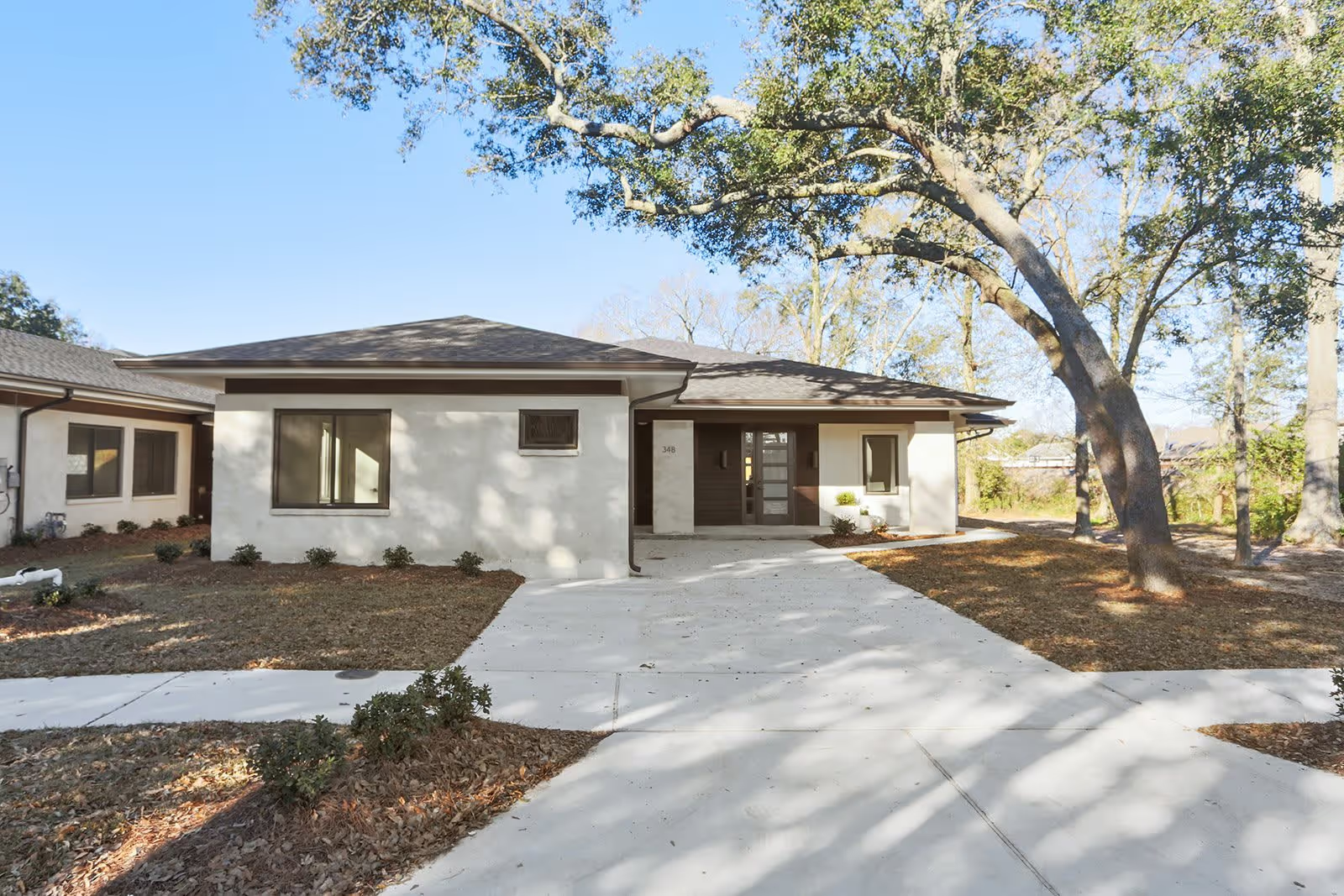
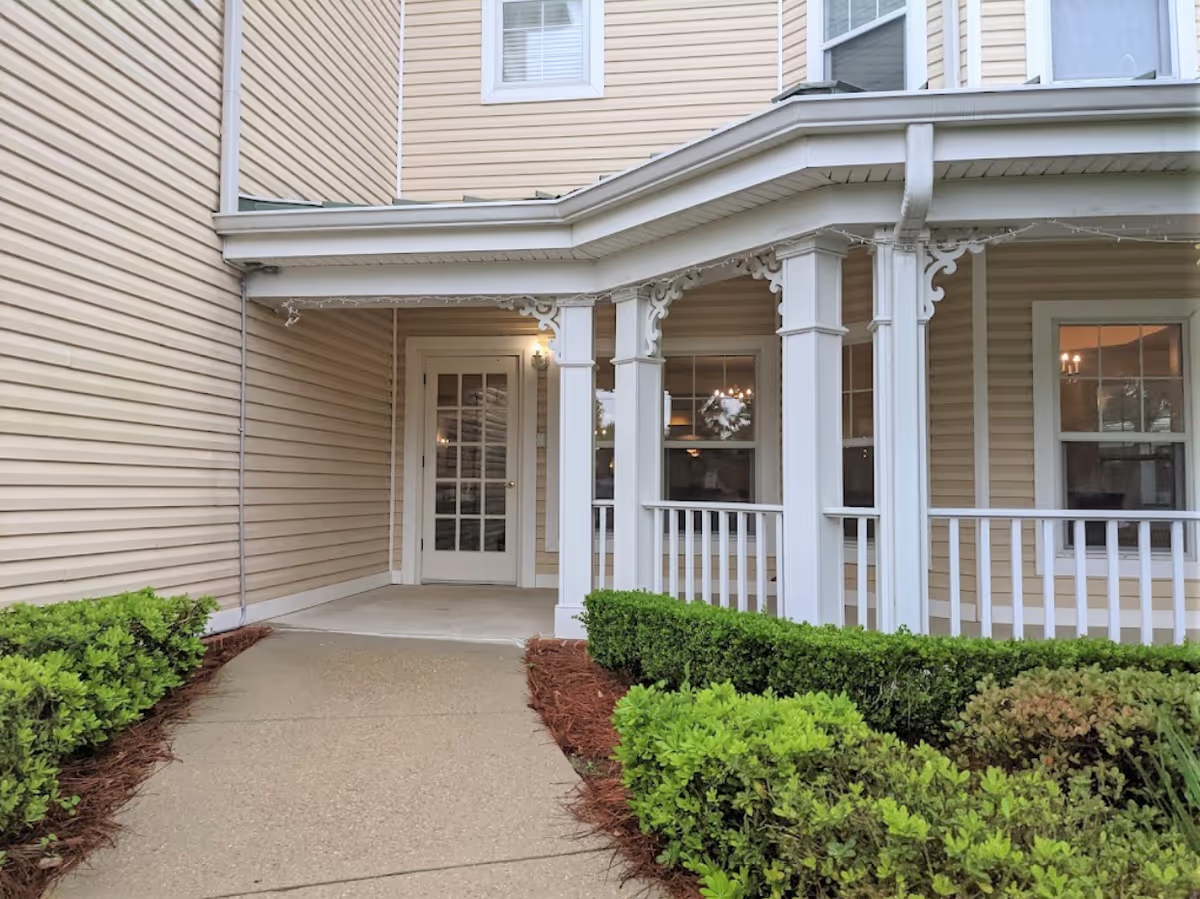
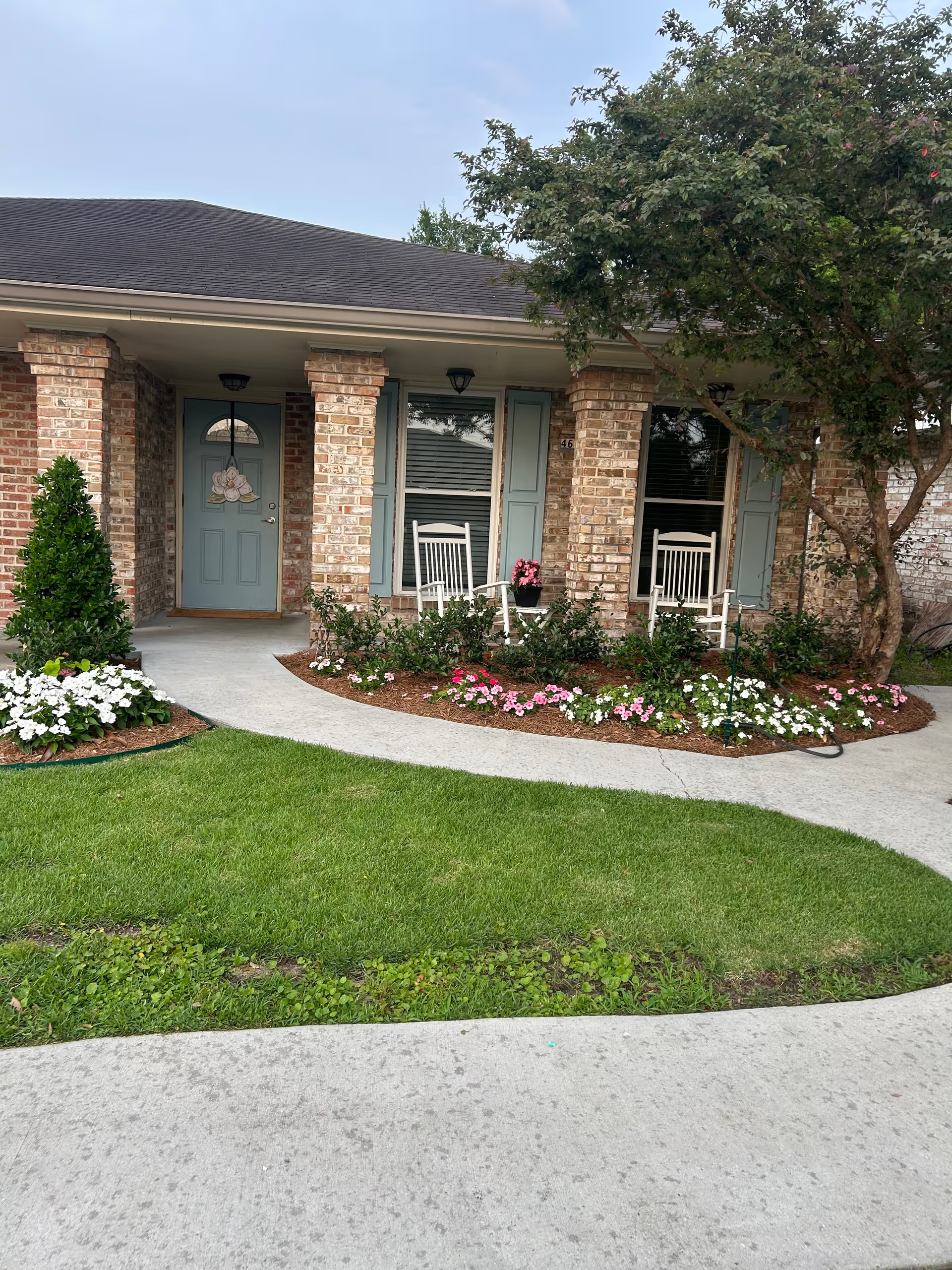
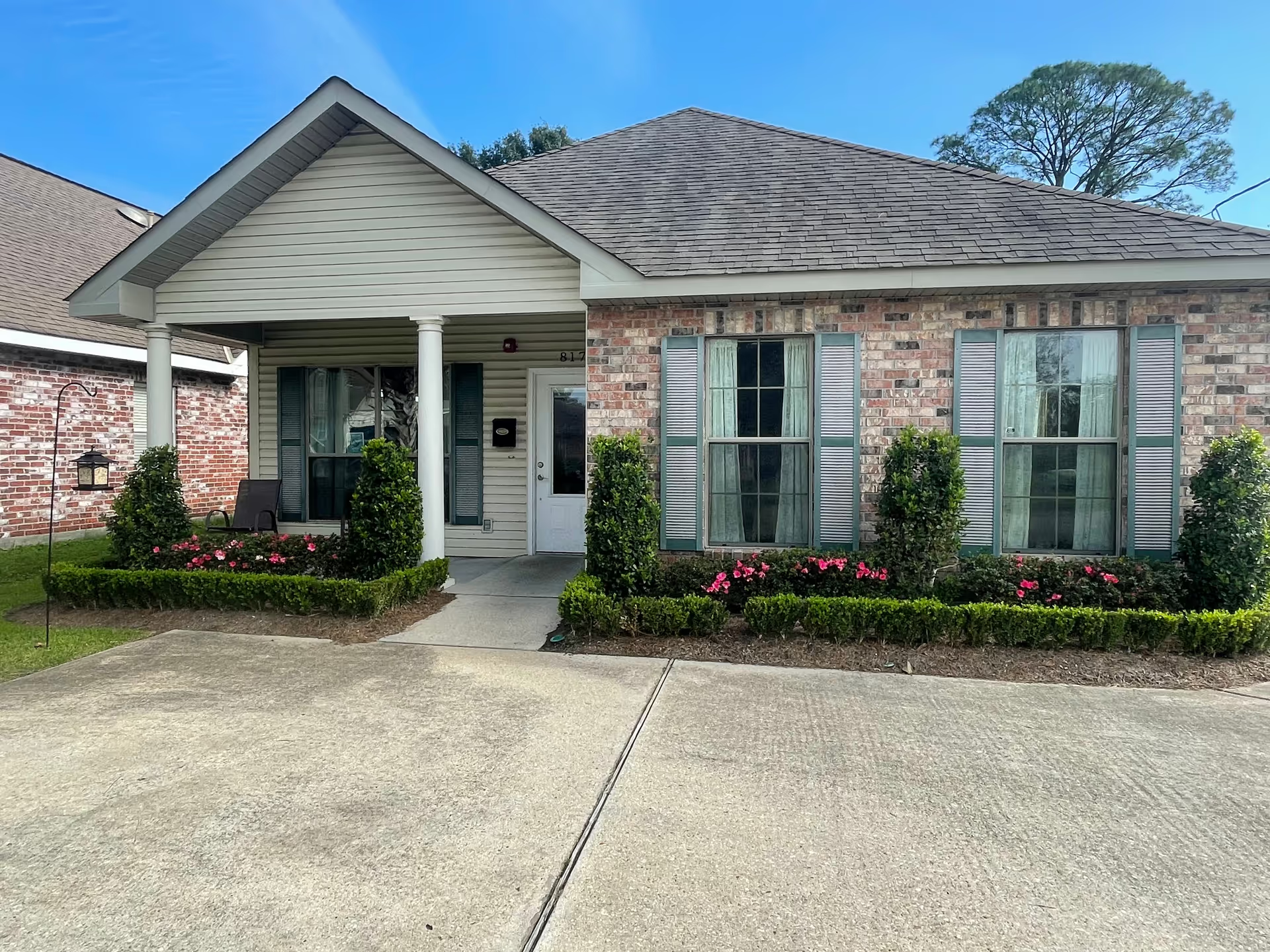
Facility and environment feedback is generally positive for renovated rooms, pleasant dining, and a welcoming lobby with seasonal decor. At the same time, some reviewers noted sanitation and odor concerns in particular common areas and worn finishes (for example hallway carpet), indicating uneven upkeep across the building. Personal-property concerns also emerged, with several families indicating belongings went missing or that they encountered billing irregularities; these items were described as serious and warranting administrative follow-up.
Notable patterns for prospective residents and families: strengths include rehabilitation outcomes, compassionate bilingual staff, coordinated hospice services, and a recent capital investment in rooms and common areas. Areas to investigate further include medication-administration controls, nighttime staffing and supervision, the facility's visitation access procedures, responsiveness to family communications, and processes for safeguarding personal belongings and billing. Several families described very positive experiences with specific staff and departments, while others described serious care and communication concerns; visiting the facility, asking for current staffing ratios and medication-safety protocols, and discussing visitation logistics in advance are recommended steps for decision-making.