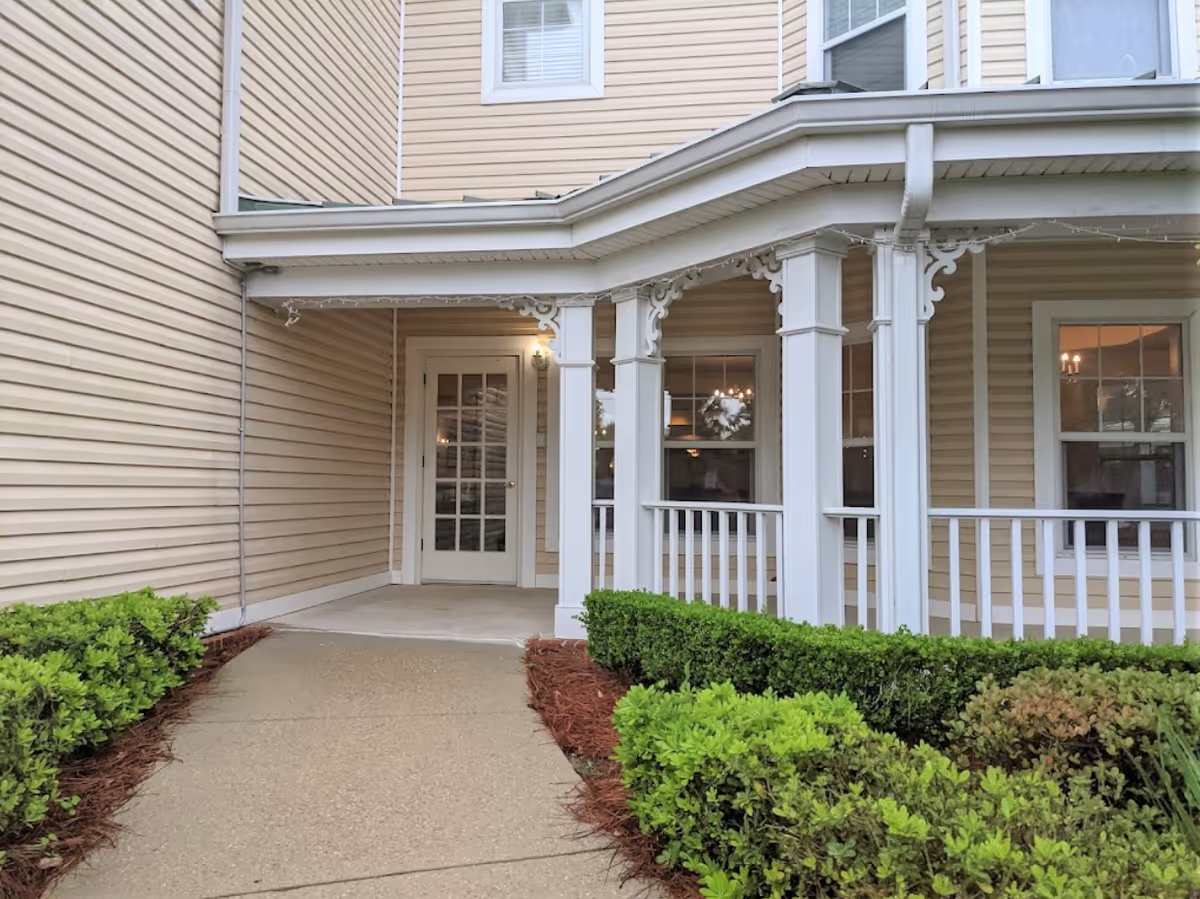
Overall impression: Reviews demonstrate a facility with clear strengths in rehabilitation, nursing attention, and facility upkeep alongside recurring operational weaknesses. Many families and residents praised the therapy teams for measurable mobility gains, and multiple accounts describe nurses and aides who are caring, engaging, and effective in day-to-day clinical tasks. The physical environment is frequently described as clean, well-maintained, and homey; dining areas are presented attractively and much of the food is prepared from scratch, which several residents enjoyed.
Care and staff: Clinical care experiences are mixed but lean positive for short-term rehab and routine nursing. The therapy program is repeatedly singled out as effective and committed, with therapists who communicate plans and push for progress. Nursing staff are often described as attentive and capable; CNAs and aides are credited with providing personal care such as bathing and linen changes. However, reviewers also describe uneven staff conduct and training across shifts. Inconsistent staffing levels and shift handoffs have been linked to delayed responses for personal-care requests and medication-timing concerns. There are also multiple comments about variability in bedside manner and communication tone among staff members.
Dining and activities: Dining presentation and communal meals are strengths for many residents; the kitchen is noted for scratch-made soups and homestyle entrees and the dining room is described as welcoming. At the same time, reviewers raise concerns about inconsistent meal variety, portioning, and the facility’s ability to consistently meet dietary restrictions. Activity and social programming are less prominent in the feedback; the facility’s small size creates a familiar social environment, but several families wished for more structured or weekend therapy/activity options.
Facilities and safety: The physical plant is generally regarded as roomy and clean with well-kept common areas and private rooms that many found comfortable. Nonetheless, safety and security issues appear repeatedly: unsecured entrances, forgotten wander-guard alarms, and fall-related incidents were reported, indicating gaps in safety practices and environmental controls. There are also reports of missing personal items and packages, which point to property-control and security vulnerabilities that families should monitor closely.
Management and communication: Administrative interactions vary—some reviewers describe admissions and leadership as professional and helpful, while others experienced brisk or confrontational admissions encounters. A consistent theme is inconsistent family communication: several reviewers wanted more proactive updates about care plans, medication changes, and incident follow-up. Concerns about billing transparency and perceived value for cost emerged alongside more serious allegations regarding theft and financial misconduct; these allegations are significant and merit direct inquiry and verification with facility leadership and regulators when present.
Patterns and recommendations: The dominant positive pattern is effective short-term rehabilitation supported by a generally clean, supportive environment and many compassionate front-line staff. The dominant negative pattern is operational inconsistency—staffing variability, communication gaps, safety/security shortfalls, and occasional lapses in dietary and housekeeping practices. Prospective residents and families considering this facility should weigh its strong therapy and housekeeping reputation against the operational risks: confirm weekend therapy availability, clarify medication and incident-response protocols, verify how dietary restrictions are handled, ask about security measures for personal property, and obtain clear billing explanations. For families already using the facility, active engagement with leadership and frequent checks on care plans and room security appear prudent given the mixed operational reports.