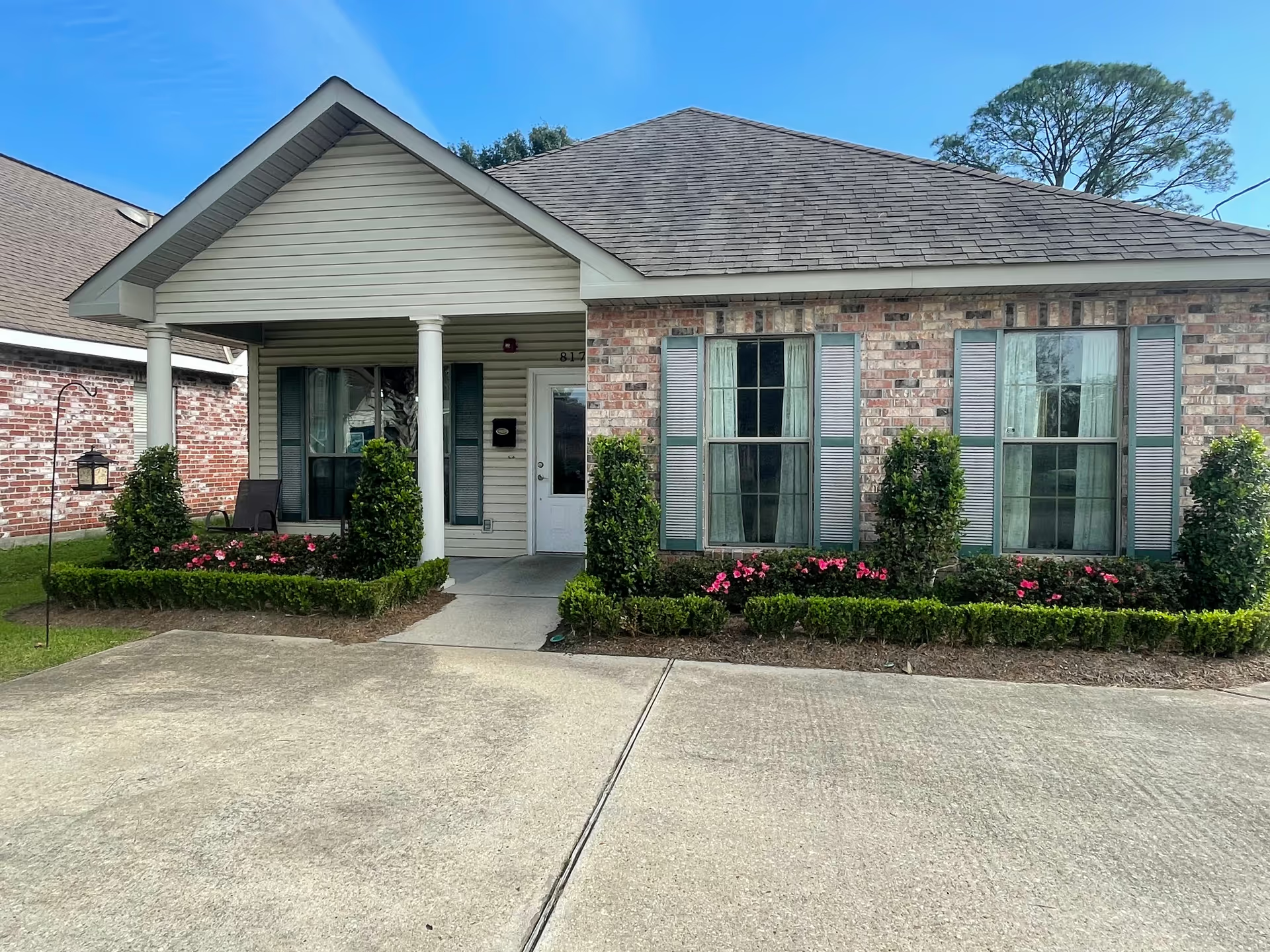
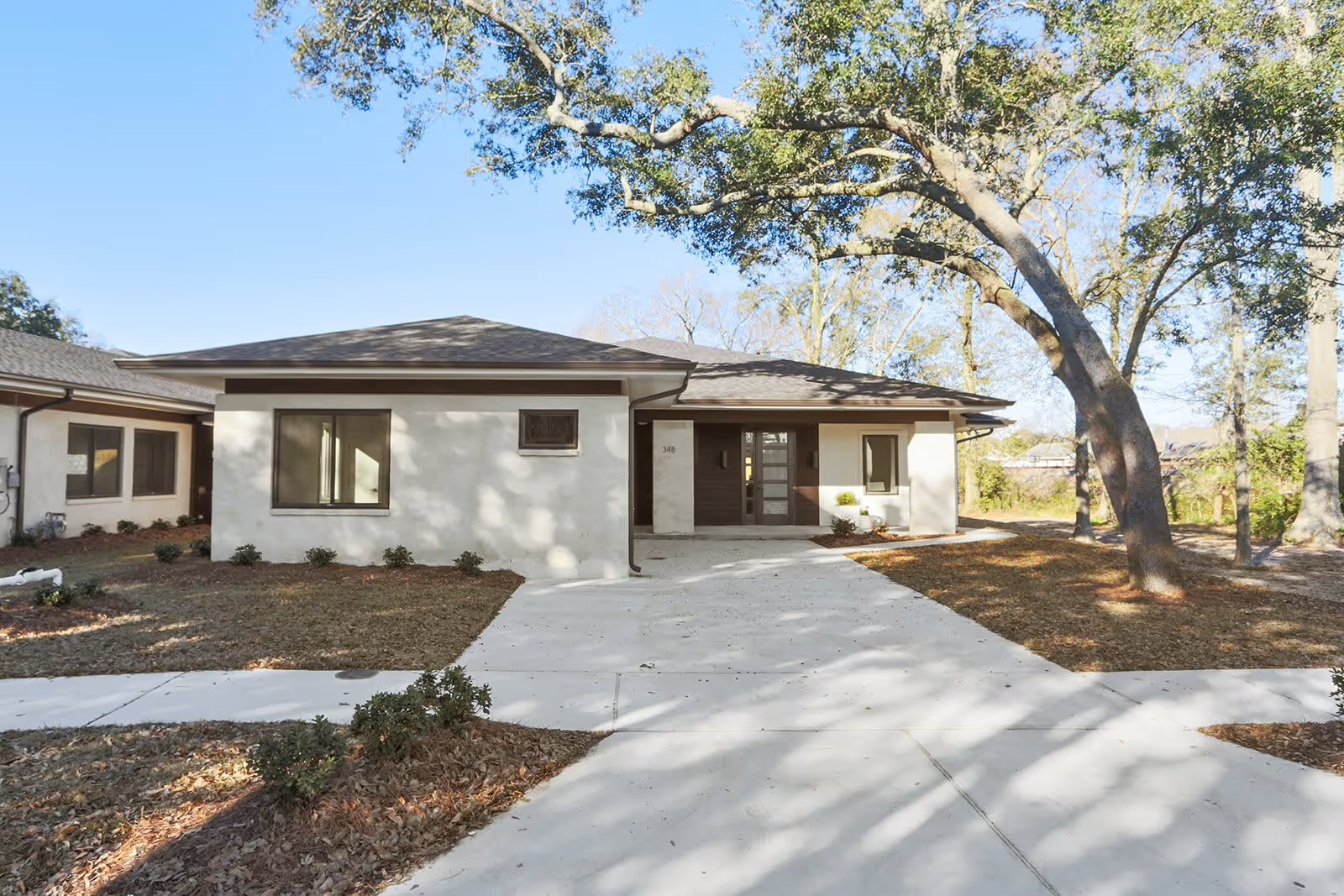
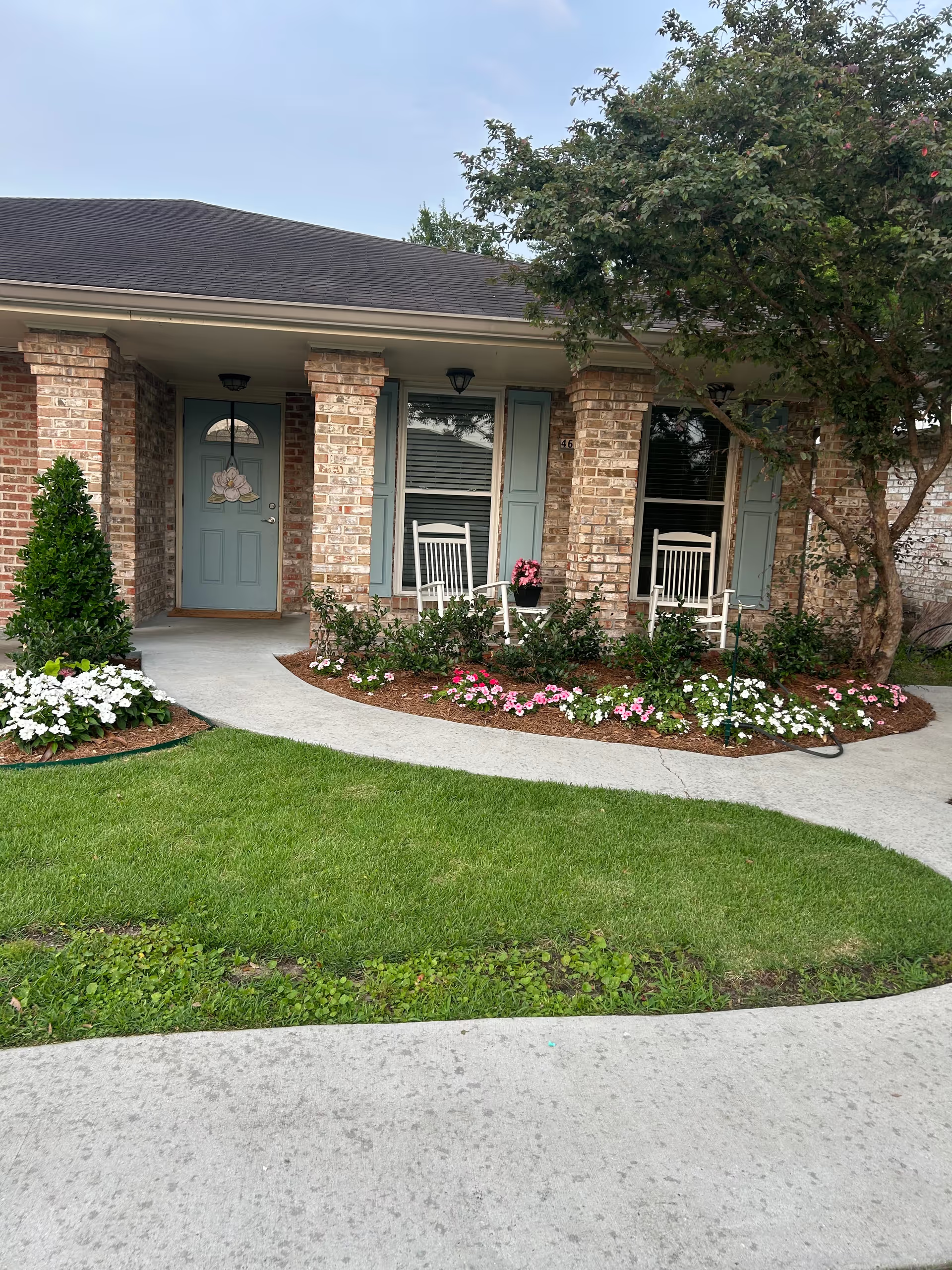
Overall impression: The reviews portray Metairie Heights House as a small, well-kept residential care home with a consistently positive reputation for interpersonal care. Families and visitors emphasize a warm, home-like atmosphere, respectful interactions between staff and residents, and a high level of attentiveness from caregivers and owners. Cleanliness and attractive surroundings are repeatedly noted, and the facility’s pricing is described as fair.
Care quality and staff: The dominant theme across comments is the quality of the caregiving team. Staff are described as kind, respectful, and attentive; ownership and management receive praise for responsiveness and for taking extra steps on behalf of residents. These remarks suggest strong day-to-day staff–resident rapport and an emphasis on personalized attention. At the same time, a small number of remarks indicate an initial family hesitation about trusting care and mention situations involving rapid clinical decline; prospective families should clarify how the facility communicates during acute changes and what protocols are in place for transitions of care.
Clinical scope and suitability: Because Metairie Heights House operates as a small-home setting, it appears well suited to residents who benefit from a close, family-style environment and moderate assistance with activities of daily living. Reviews imply that the facility may have limited capacity and fewer on-site clinical resources than larger nursing centers. Families seeking long-term placement for high-acuity needs or complex medical management should confirm staffing ratios, clinical capabilities, and relationships with hospice or nearby medical providers.
Dining and activities: Review content provided little specific information about dining quality, menus, or a formal activities program. The home-like atmosphere and comments that residents “thrive” suggest an engaging social environment, but prospective residents should request sample menus, an activities schedule, and examples of daily routines during a tour to assess fit.
Facilities and management: Physical accommodations are characterized as clean, well-maintained, and comfortable. Ownership and managers are portrayed as hands-on and willing to go above and beyond, which is a positive indicator of operational attentiveness in a small setting. Given the home’s scale, families should ask about occupancy limits, private versus shared rooms, and contingency plans for staffing shortages or higher-acuity needs.
Notable patterns and recommendations: The reviews are predominantly positive about interpersonal care and the homelike setting. The principal operational cautions to investigate further are the home’s limited capacity and clinical scope and the need for clear communication protocols during sudden clinical changes or end-of-life transitions. When evaluating this facility, arrange a tour, meet caregiving staff, request information about clinical oversight and emergency protocols, and obtain written details on activities and dining to ensure the environment matches the prospective resident’s clinical and social needs.