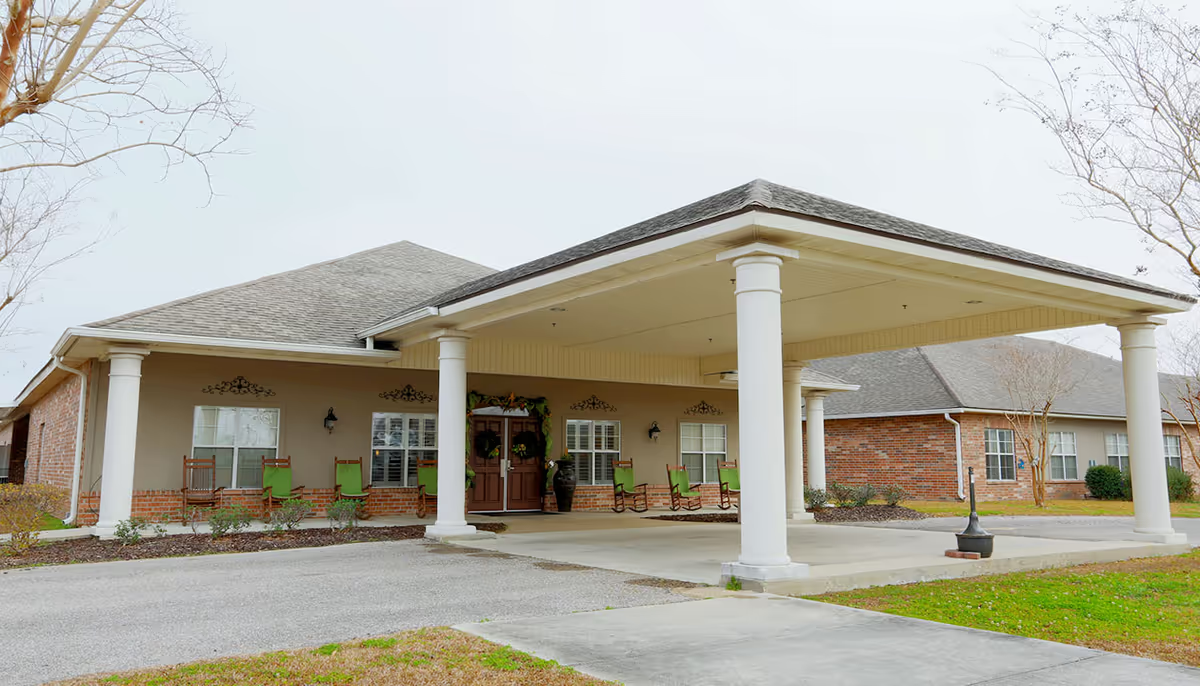
Reviews of Amelia Manor Nursing Home present a mixed picture across clinical care, staffing, dining, activities, facility condition, and management. Many families describe compassionate, attentive direct-care staff and an approachable clinical leadership team, including a noted nurse practitioner and director of nursing. Rehabilitation services and medication administration are cited positively by reviewers who experienced those services, and the facility accepts Medicare and Medicaid. The location is described as quiet and residential, and several families appreciated a clean, well-kept environment and home-style/Cajun meal offerings.
At the same time, there are consistent operational concerns. Staffing emerges as the principal issue: reviewers describe inconsistent caregiver performance, chronic understaffing, frequent use of agency staff with occasional no-shows, and turnover that affects continuity of care. These workforce gaps are linked to delays in attending to personal-care needs and supervision, particularly for residents with higher fall or assistance risk. Several comments indicate that staffing shortages have strained day-to-day responsiveness.
Dining and activities receive mixed feedback. Some residents and family members enjoy home-cooked meals and routine activities such as bingo, crafts, church services (both Catholic and non-denominational), and occasional outings. Other reviewers report inconsistent meal quality and limited dining options on certain days. Activity programming exists but may be modest in scope relative to larger facilities.
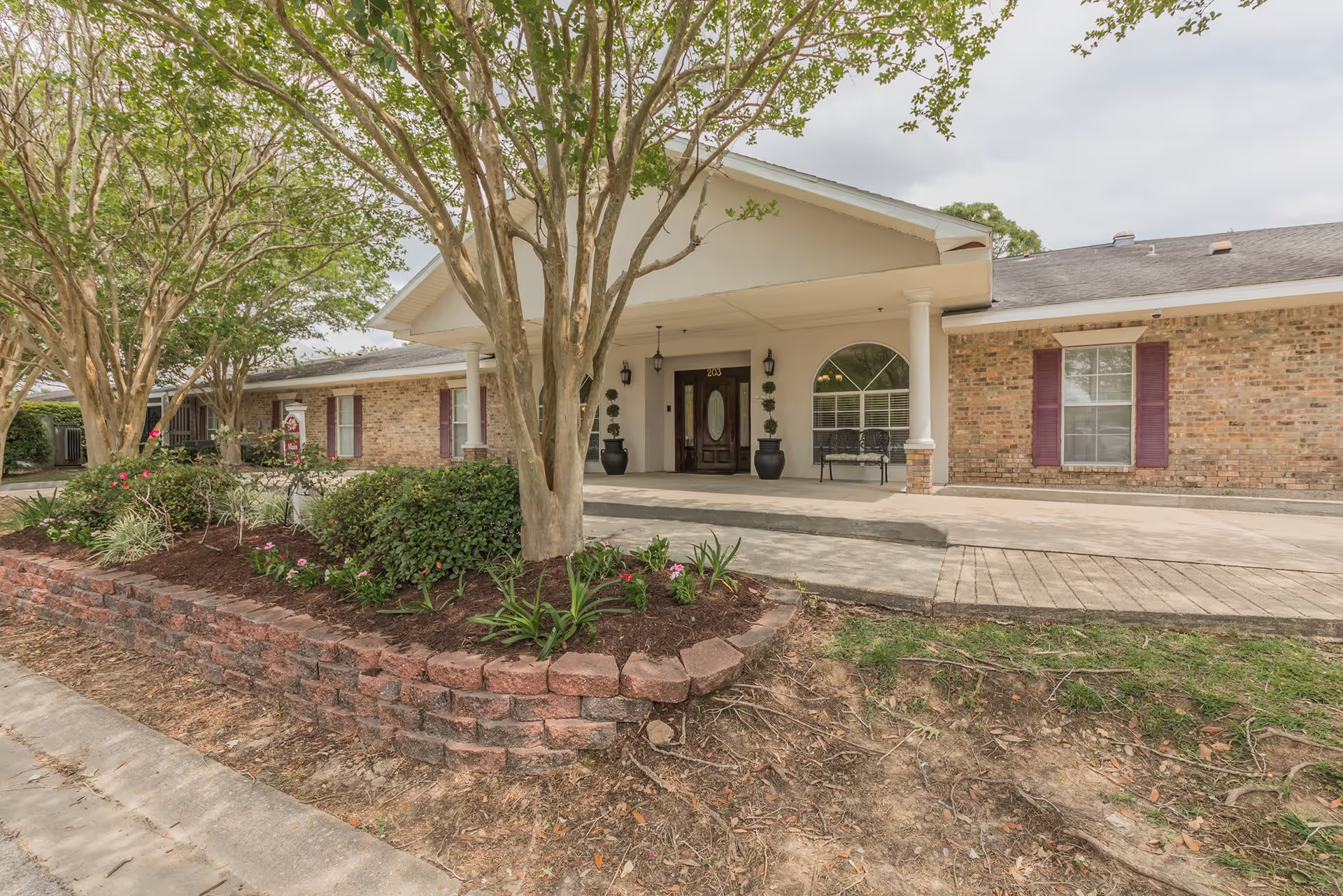
The physical plant is described as older and in need of updating; room sizes are characterized as small and sometimes crowded. While some reviewers praise cleanliness and maintenance, others specifically note sanitation and maintenance inconsistencies that warrant monitoring. Clinical-process concerns are raised as well, including comments about care planning and the influence of documentation practices on care decisions.
Management and administrative issues appear as a secondary but notable theme. Some families appreciate accessible leadership, while others raised serious administrative concerns, including an allegation involving a resident trust account. Overall, the reviews suggest a polarized experience: the facility provides competent clinical services and a caring staff for many residents, but ongoing staffing, facility-condition, and administrative weaknesses create variability in care quality and family satisfaction. Prospective residents and families should weigh the facility's strengths in direct care, therapy, and acceptance of public payers against documented patterns of inconsistent staffing, older infrastructure, and occasional administrative risk. Visiting in person, meeting leadership, and discussing staffing patterns and care plans are recommended steps before placement.