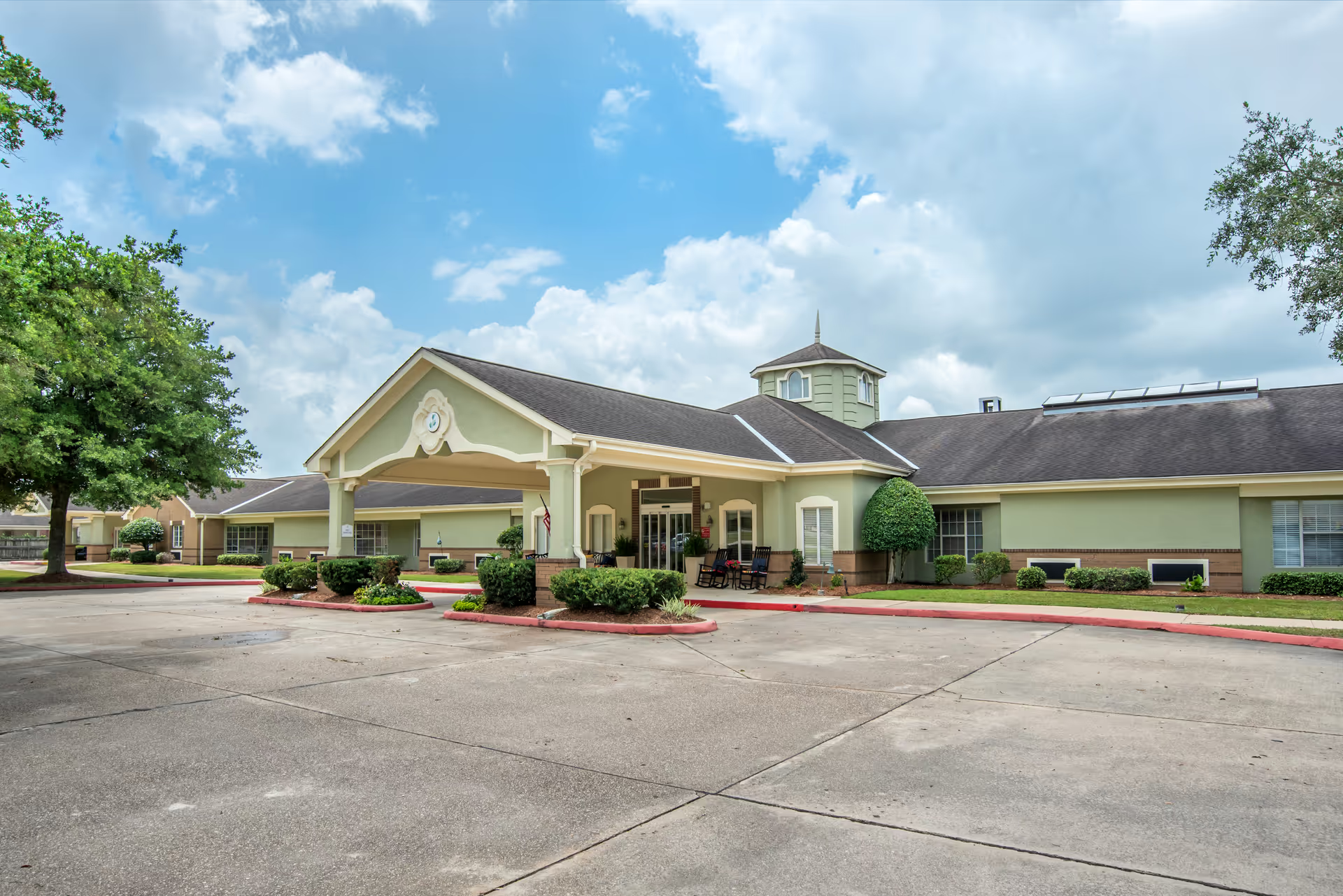
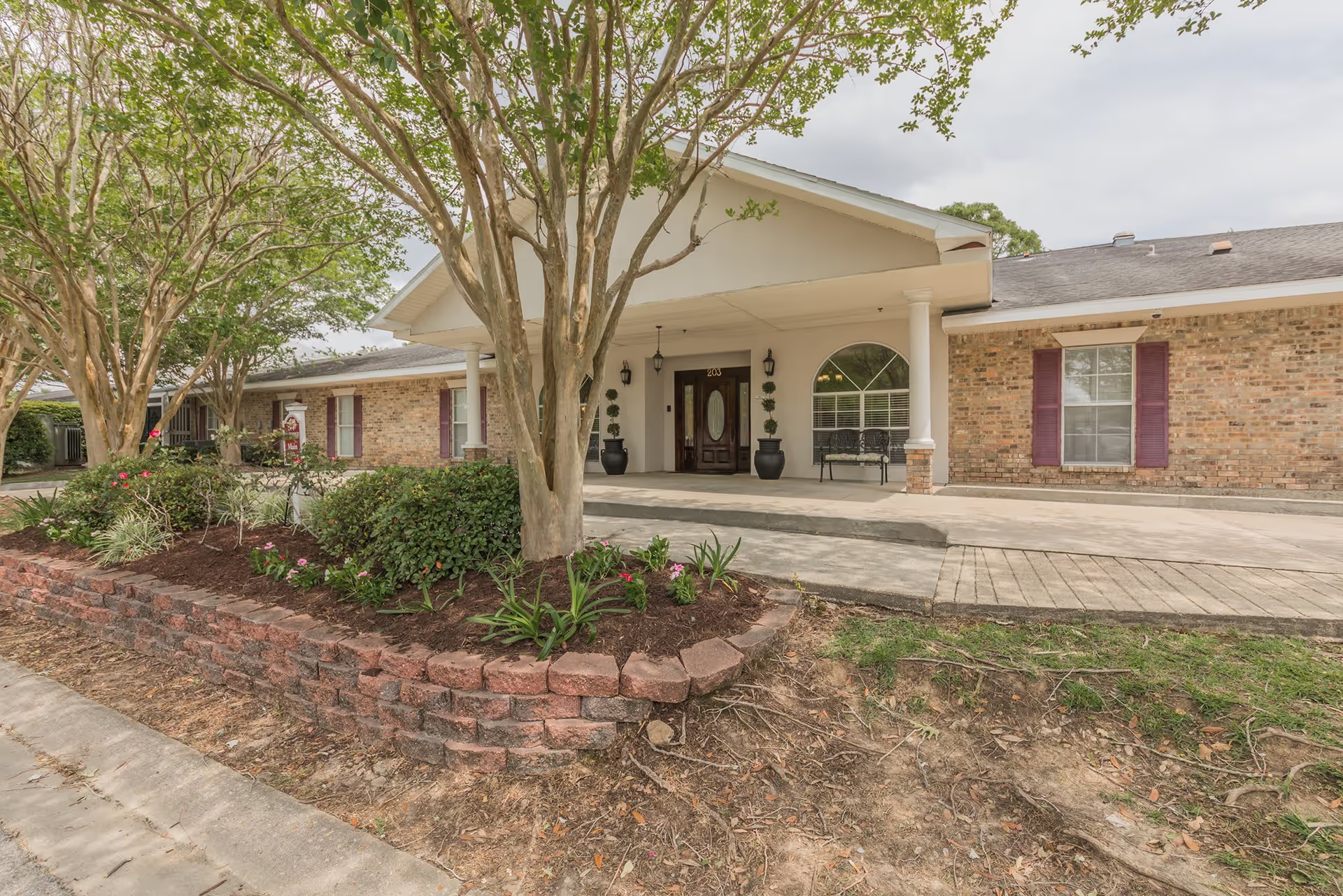
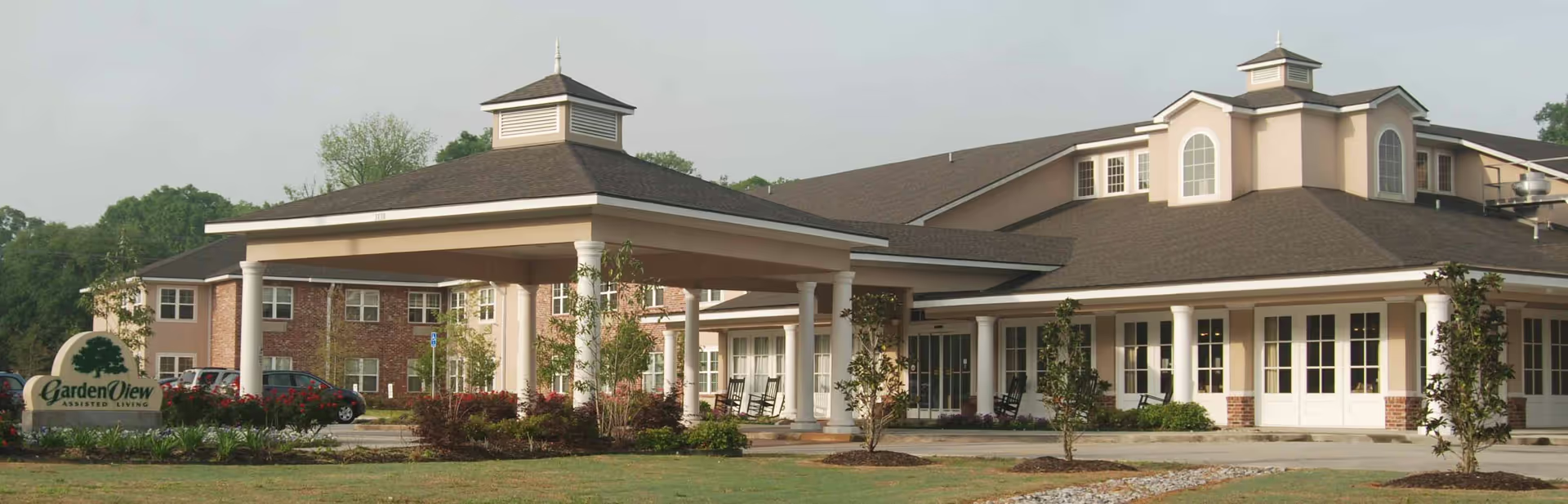
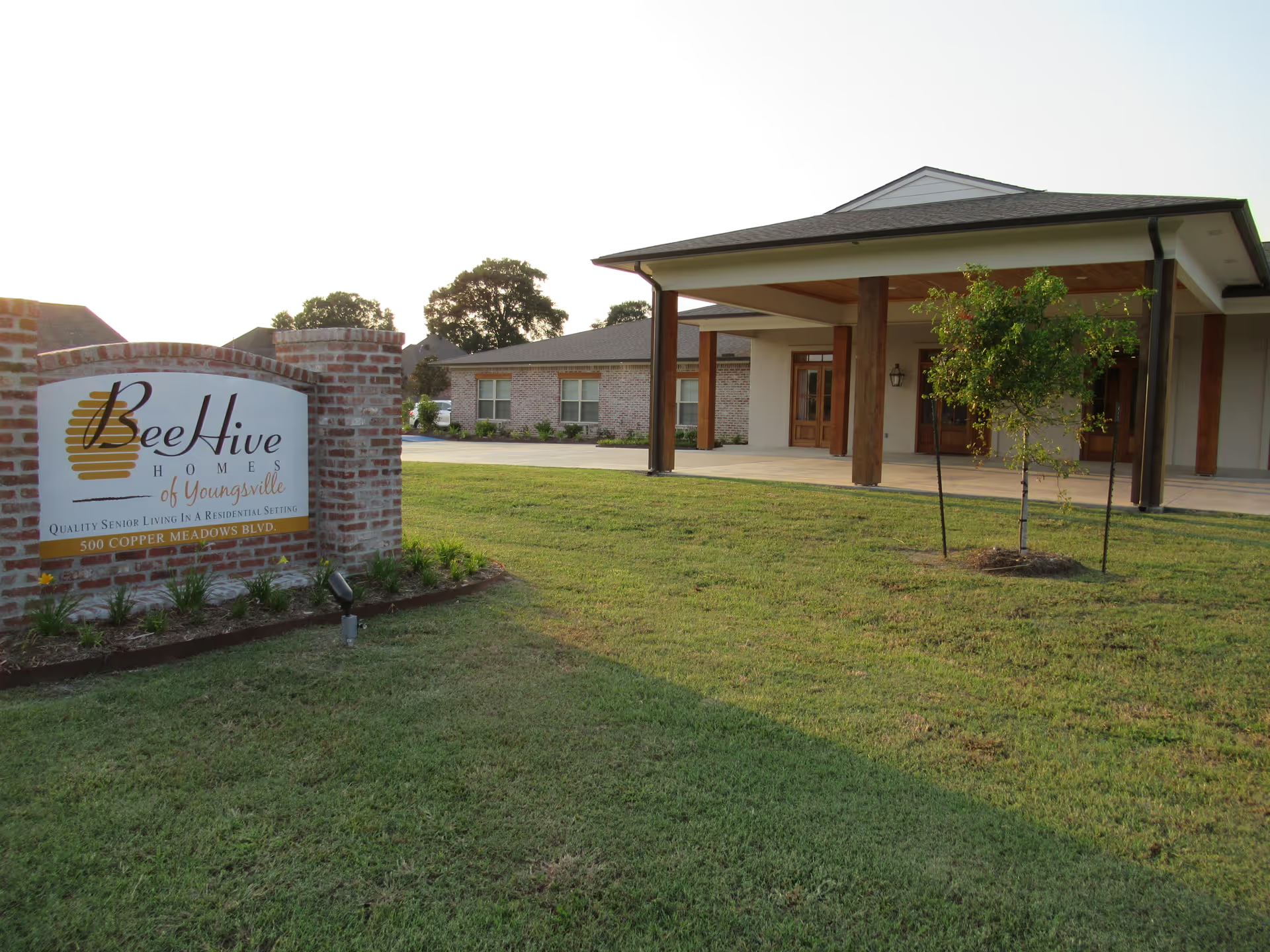
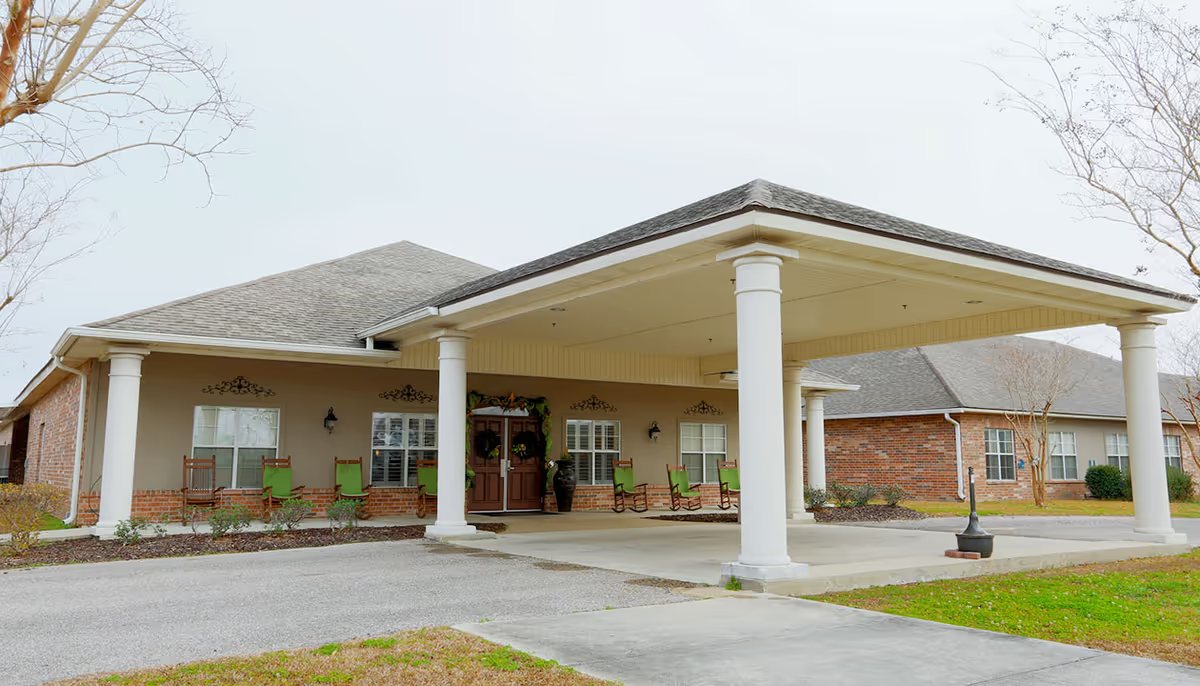
Maison De Lafayette elicits strongly mixed impressions. Many reviewers praise the facility’s physical environment — well-kept landscaping, attractive interior finishes, and spacious, suite-like private rooms — and describe a home-like dining area and engaging recreational offerings such as live music. In these accounts, nursing and aide staff are attentive and the overall cleanliness and upkeep of rooms and grounds meet family expectations. The facility’s proximity to a hospital and the ability for families to visit or stay overnight were also noted as conveniences.
Care quality descriptions vary substantially. Positive accounts describe competent nursing care, effective rehabilitation services, and a smooth transition into residency. Conversely, other accounts raise concerns about inconsistent clinical practices: medication timing and administration problems, delays or omissions in therapy hours, variable ostomy and wound care, and intermittent shortages of respiratory support at night. Recent changes in nursing leadership were mentioned as a positive step toward improving clinical culture, but several reviewers indicated that cultural and clinical improvements will require time to become consistent.
Staffing and staff conduct emerge as a significant source of divergence. Multiple narratives describe compassionate, respectful interactions between staff and residents; others describe poor conduct, perceived rudeness, or limited responsiveness. High turnover and reliance on agency staff were commonly cited and are linked in reviews to gaps in continuity of care and longer response times to resident needs. Reviewers also described shortcomings in transfer and fall-prevention processes, suggesting the facility should demonstrate current practices and staffing ratios during a visit.
Dining and dietary management are similarly mixed. Some families praised meals, presentation, and a restaurant-like dining environment. Other accounts describe problems with consistency and with implementing therapeutic diets (for example, renal or diabetic menu modifications and sodium control). Prospective residents with dietary restrictions should confirm current menu practices and dietitian oversight.
Activities and community life are frequently noted as strengths: variety of programming, social events, and a family-oriented atmosphere were cited in multiple positive reviews. At the same time, layout constraints (smaller common living areas for some units) were mentioned and may affect socialization depending on unit placement.
Management and administrative practices present a split picture. Several reviewers complimented recent administrative responsiveness and a leadership team focused on culture change. In contrast, others described poor responsiveness from admissions, front-desk, and administrative staff, disorganized paperwork and discharge communication, and regulatory concerns — including documented infection-control actions. Allegations of mishandling of resident property and theft were raised; these are serious concerns that warrant direct inquiry during tours and discussions with administration about property safeguards and incident reporting.
Notable patterns for families to evaluate during a visit: verify current staffing levels and use of agency personnel; review medication-administration and therapy scheduling procedures; ask for documentation of infection-control improvements and any regulatory action follow-up; confirm dietitian involvement for therapeutic diets; inspect common-area sanitation and odor control; and inquire about resident-property safeguards and the facility’s approach to turnover and staff training. Given the polarized experiences in reviews, an in-person assessment, conversations with current residents and families, and a review of recent inspection reports will provide the clearest picture of current operations and whether recent leadership changes have translated into sustained improvements.