Overall, family members and residents describe Woodbriar Southern Style positively, particularly for compassionate care, staff attentiveness, and a welcoming atmosphere. Reviewers say staff take time to learn residents’ preferences, support daily needs, and maintain communication with families. Families also value the consistency of caregivers in memory care and describe management as accessible and supportive during the challenges of dementia care. One resident who stayed for several months for recovery assistance praised the staff’s professionalism and courtesy.
Dining feedback is generally favorable: one family praised the food, and other visitors described the dining area as pleasant and well-sized, with snacks and drinks available during the day. However, two critical reviews raised concerns about meals served to residents with diabetes and the handling of dietary needs. One of those reviews also described a kitchen safety concern involving a stove left on overnight. These accounts are not reflected in the otherwise positive dining comments, but they point to the importance of confirming diabetes-specific meal procedures and kitchen-safety practices directly with the facility.
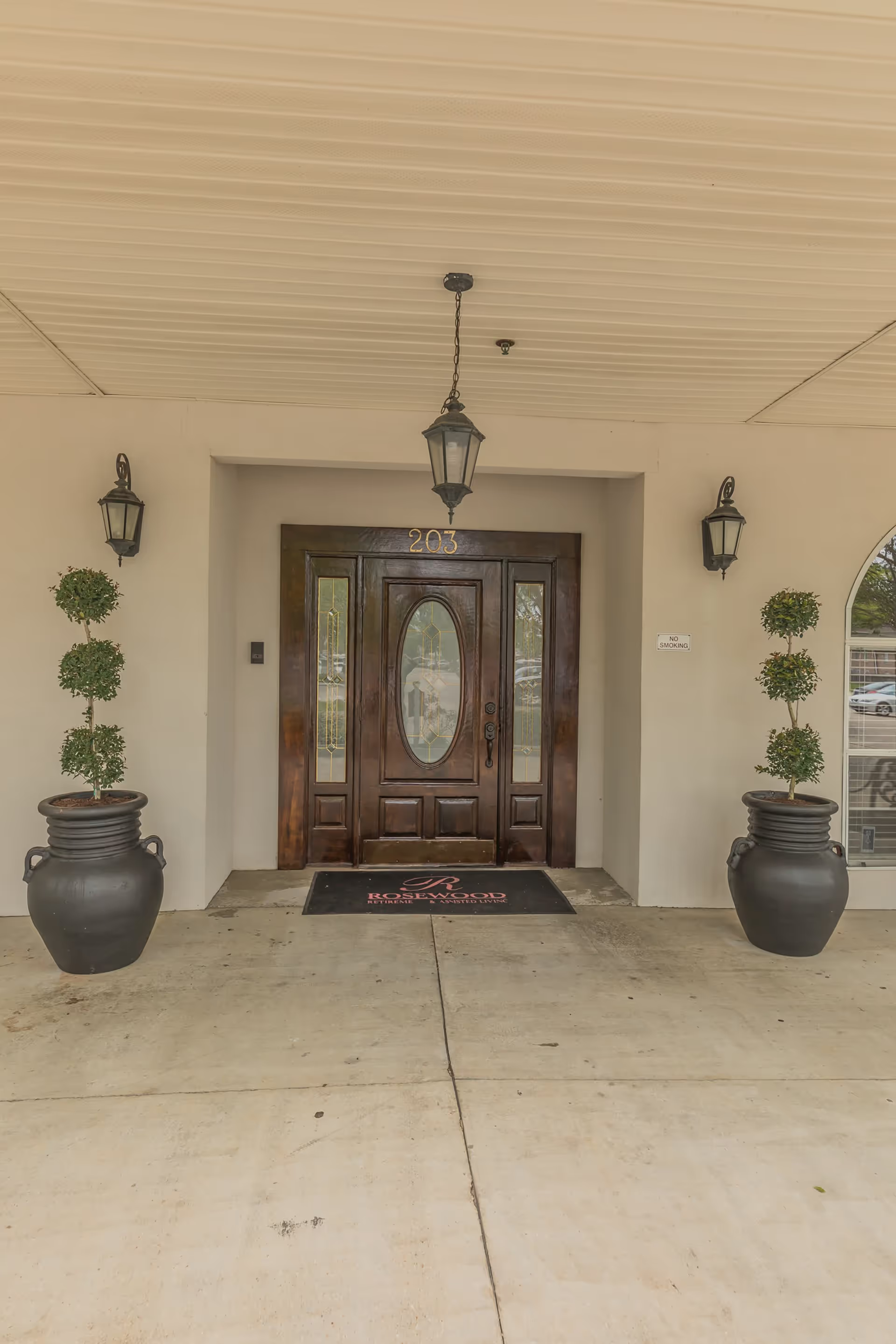
The facility is described as clean, fairly new, and well maintained, with spacious rooms or apartments, including kitchenettes, living areas, closets, and walk-in showers. Families also mention landscaped grounds, walking paths, porches, and separate courtyard space for memory care. A smaller memory care unit was valued for its home-like scale. Amenities cited include a salon, library, Wi-Fi, cable television, and a snack bar.
Reviewers describe a broad activity program, including daily exercise, bingo, arts and crafts, puzzles, painting, readings, and activities involving local schools. Several families appreciated the facility’s efforts to learn residents’ interests and provide engaging options. Positive comments about owners and management include personal follow-up and guidance, while prospective residents’ families found staff informative during tours and the selection process. The overall pattern is strongly favorable, with the main recurring concern centered on diabetes-related dietary safeguards; the kitchen safety concern appears in one review and is not independently corroborated in the provided feedback.