The review set presents a mixed picture of care at this facility. Multiple accounts highlight positive experiences — families and residents described compassionate, attentive bedside nursing, supportive admissions/office staff, and available physical or rehabilitation therapy services that aided recovery. Several reviewers specifically praised helpful staff during initial adjustment and some effective coordination for transfers to higher-level rehabilitation when needed.
Conversely, a number of operational weaknesses recur across the summaries. The most frequently cited issues relate to personal-care responsiveness and clinical follow-up: delays in attending to residents’ personal-care needs, inconsistent wound care with resulting infection risk, and problems with medication and blood‑glucose management. Reviewers also described assistance-timing problems during meals and daily routines, suggesting gaps in how staff schedules align with resident needs.
Staffing and staff conduct are another area of divergence. While some nurses and office personnel received commendation for being attentive and communicative, other accounts raise concerns about variable staffing levels, inconsistent professionalism, and problematic behaviors on-site. These dynamics appear to affect care continuity and family confidence. Several comments also mention the vulnerability of residents who have limited family oversight, implying that outcomes may depend in part on how closely a resident is monitored by visitors or advocates.
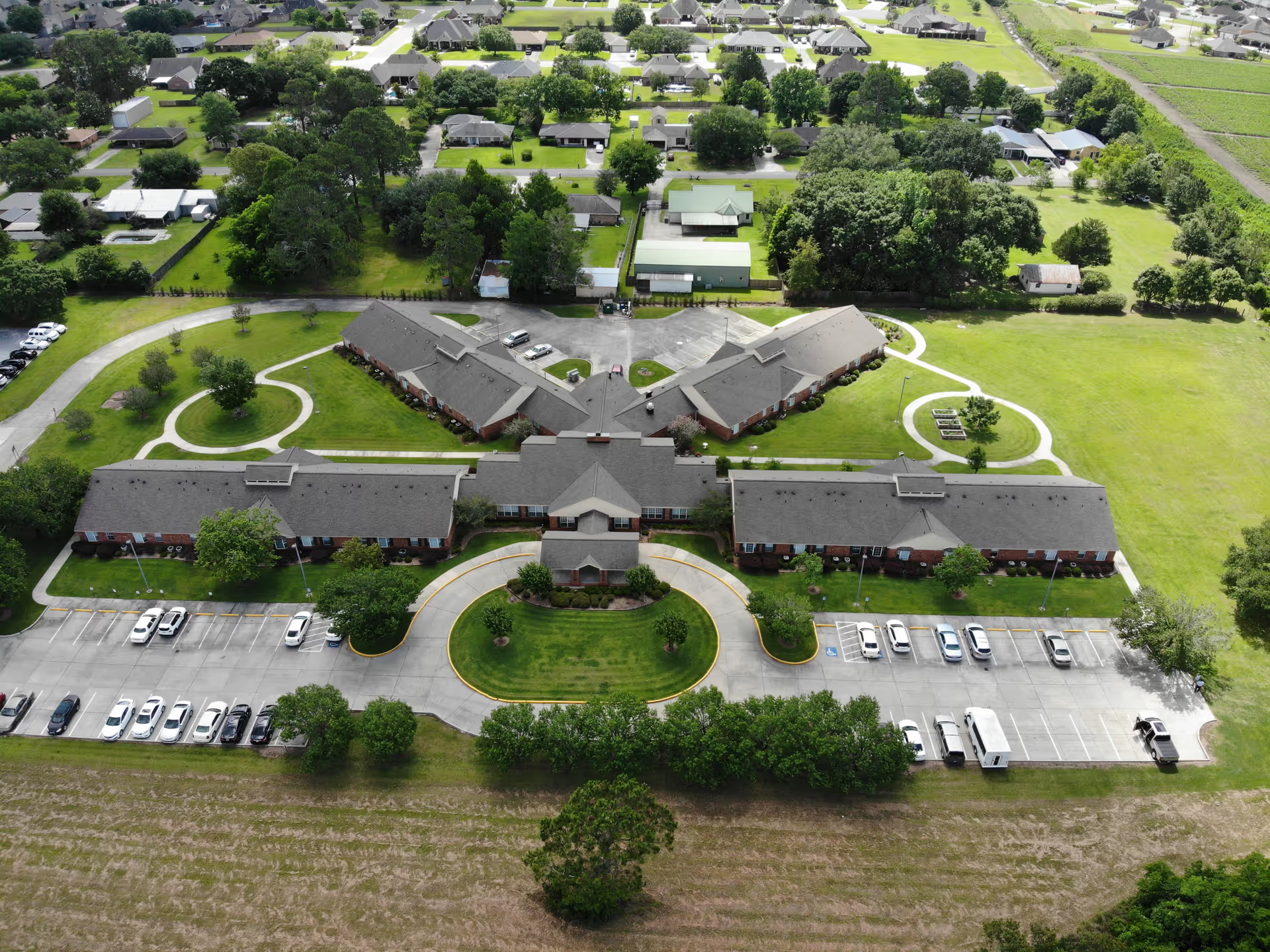
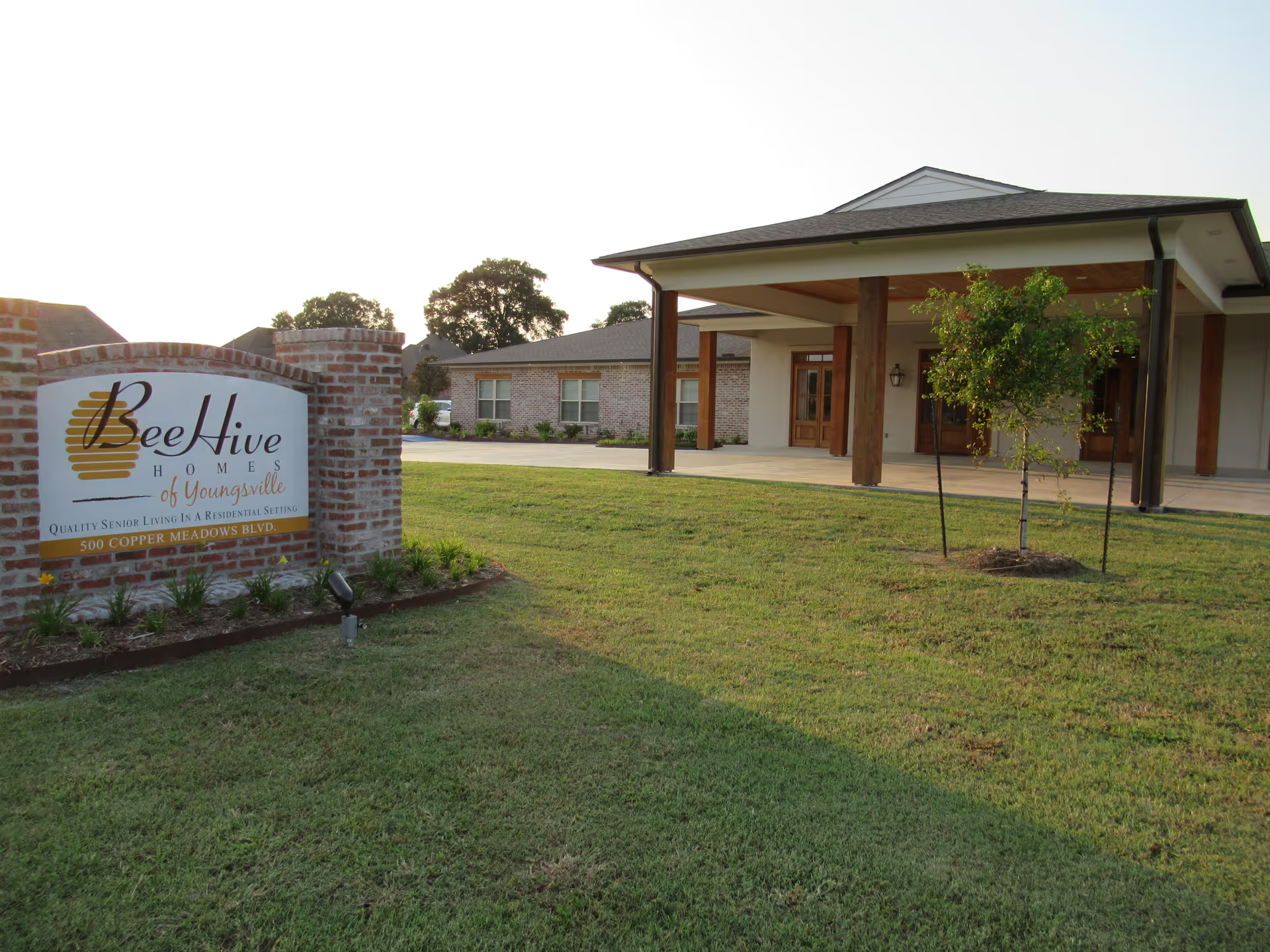
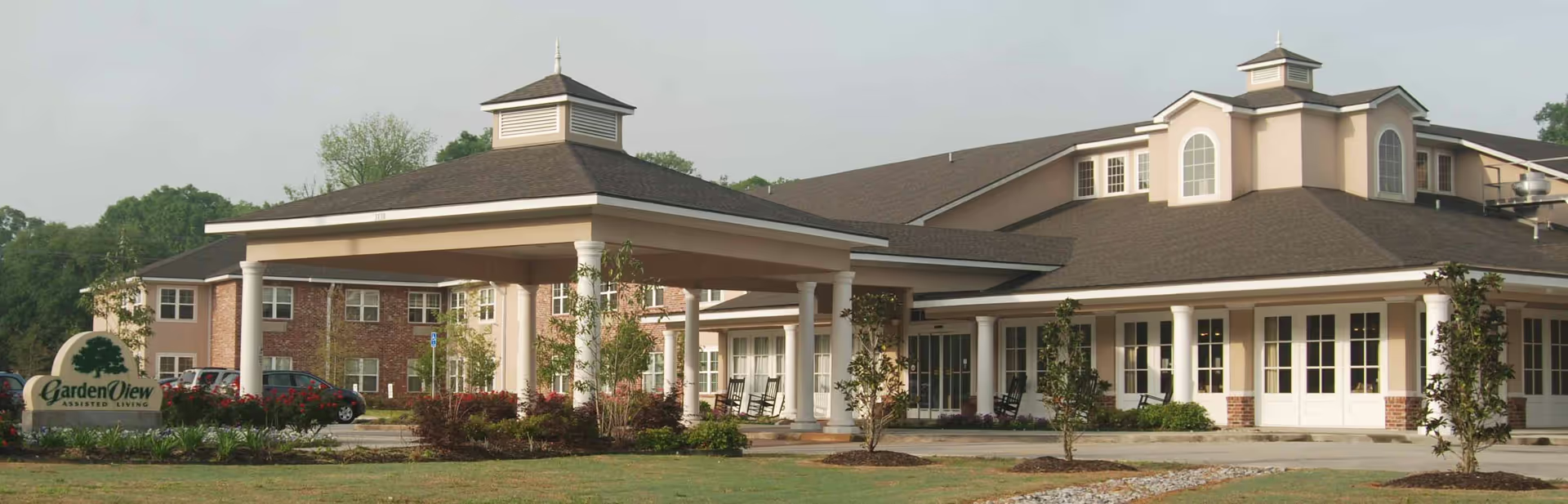
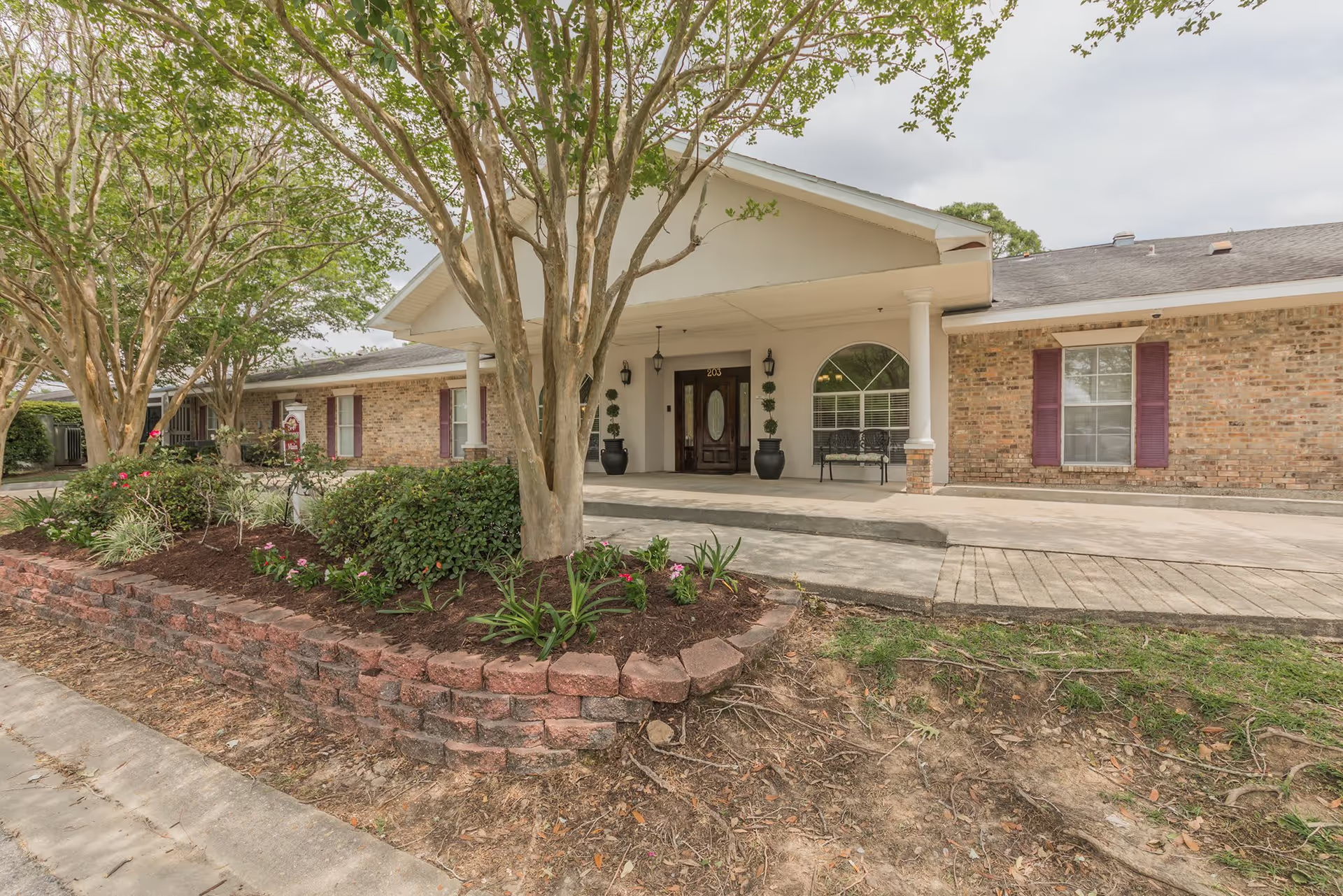
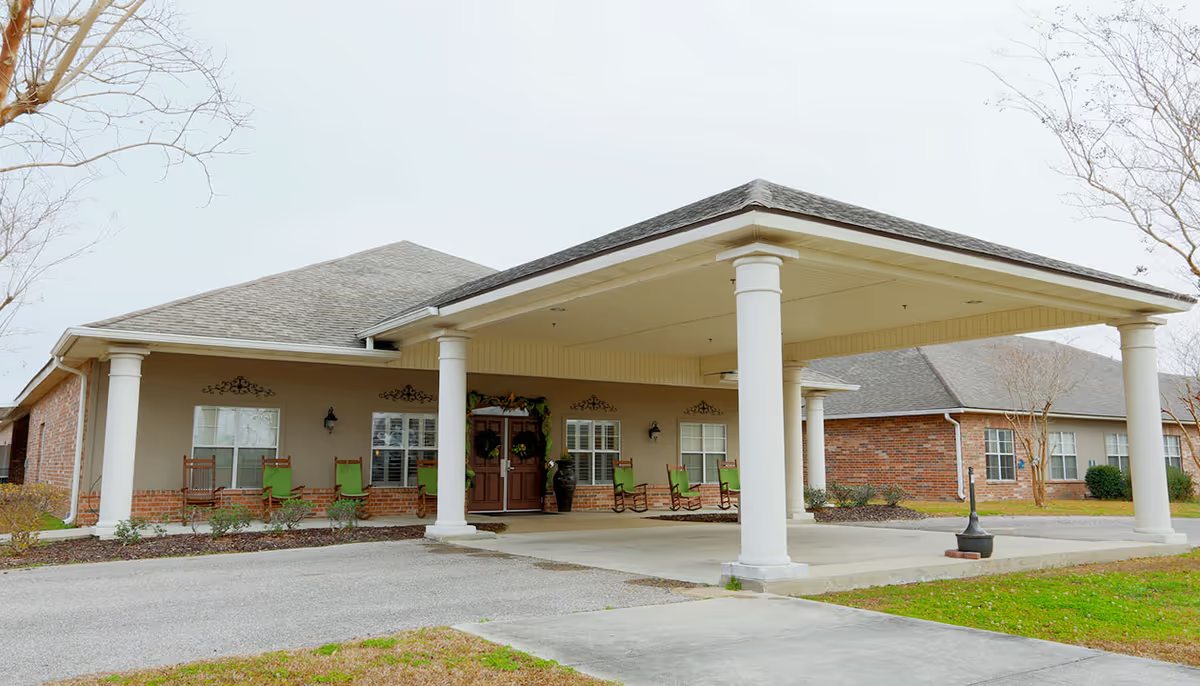
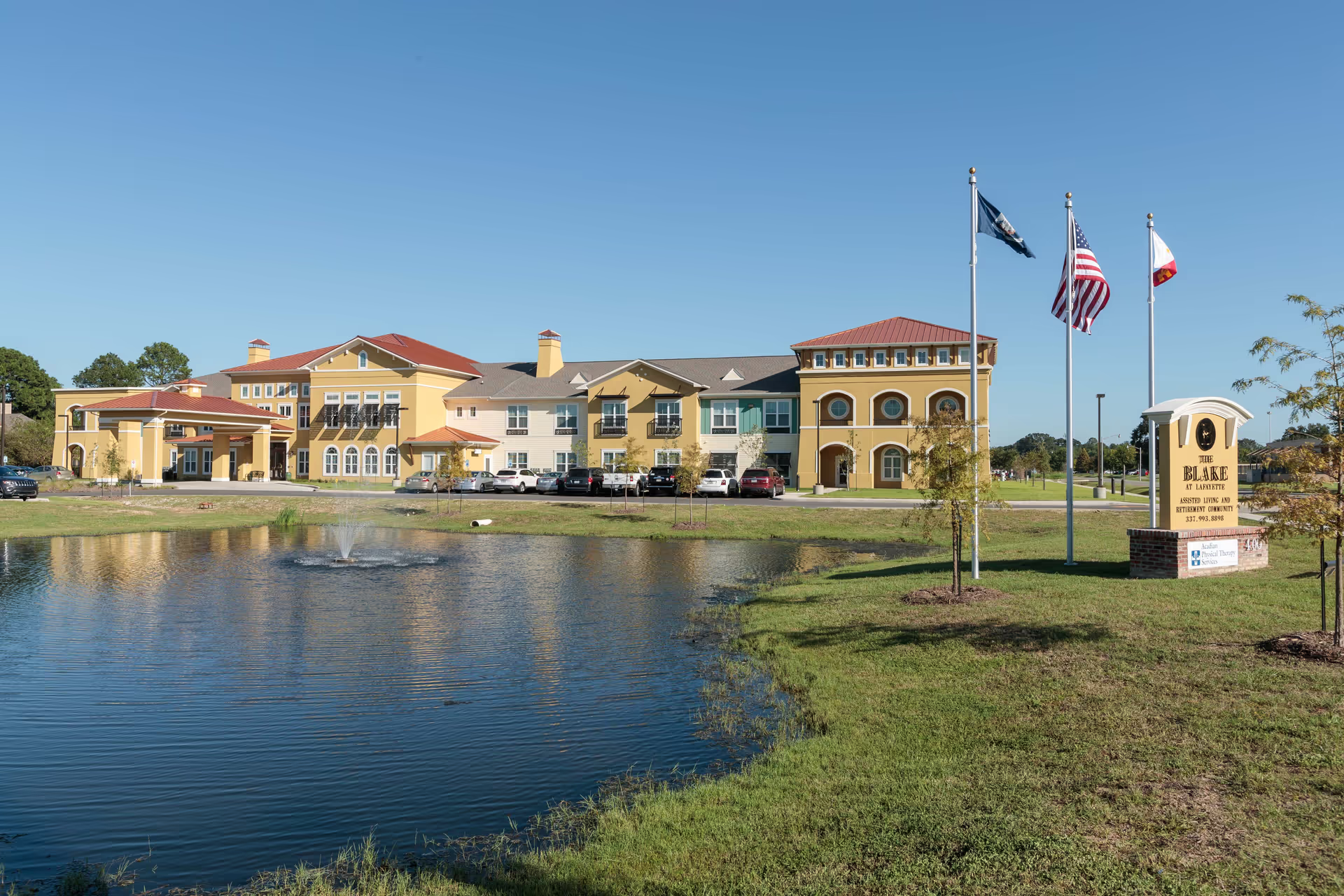
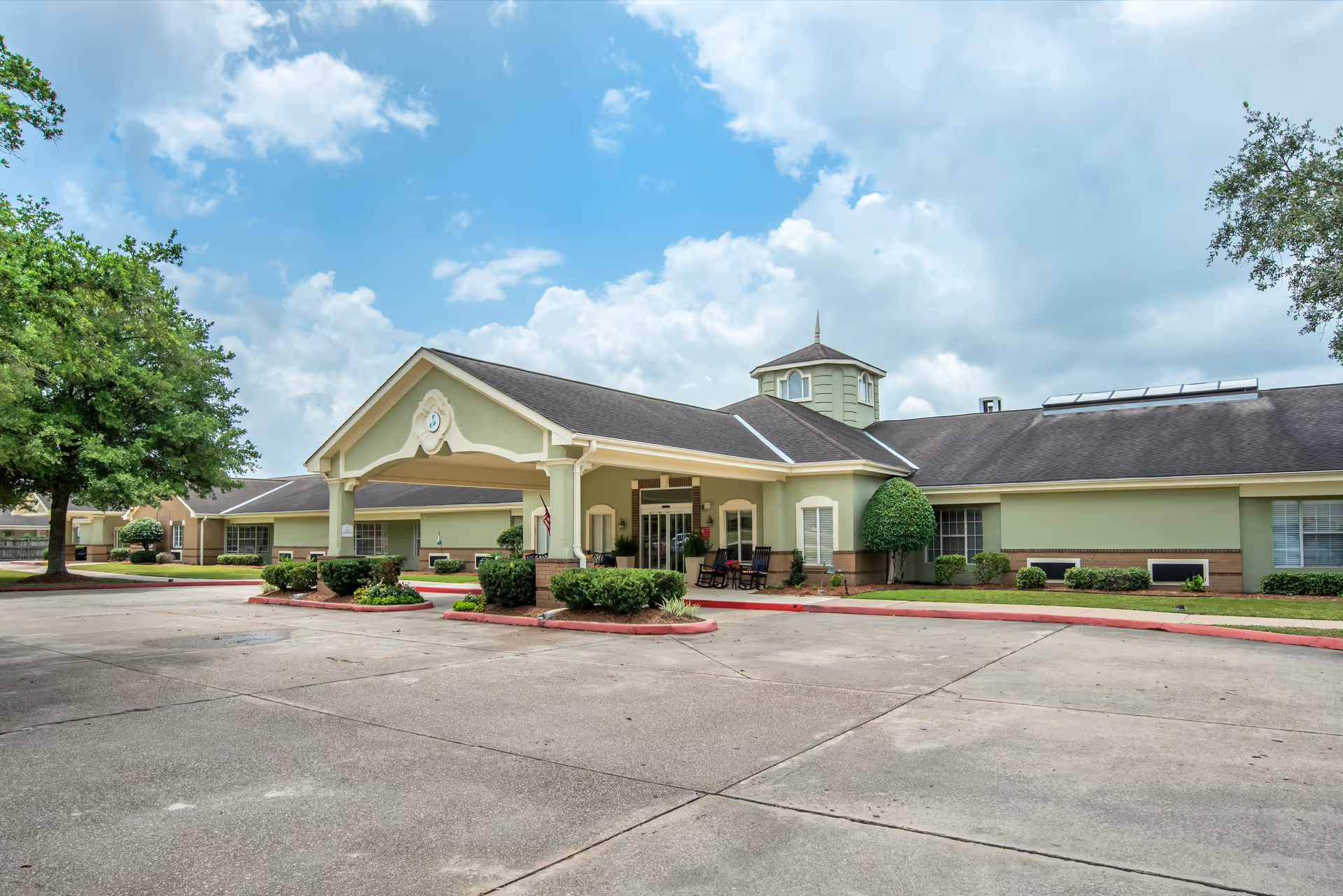
Facility appearance and environmental services also drew mixed feedback. The facility’s public-facing areas can appear well maintained on arrival, and some common areas were described as clean and odor-free; however, reviewers noted inconsistent housekeeping in rehabilitation rooms and hallways and remarked on an uneven standard of cleanliness. There were also concerns about the thoroughness and transparency of admissions tours and about how personal belongings and transitions are handled, which contributed to stressful relocation experiences for some families.
Management and communication show similar variability. Positive interactions with admissions and certain office staff were contrasted with reports of insufficient communication about clinical incidents and perceived shortcomings in care-transition coordination. These patterns suggest that administrative processes (admissions, tours, discharge planning, and family communication) may be uneven in execution.
Overall, the reviews indicate a facility with capable clinical and therapy resources and some genuinely caring staff, but with recurring operational weaknesses in personal-care responsiveness, wound and medication management, environmental cleaning consistency, and staffing stability. Prospective residents and families may want to probe these specific areas during tours and ask for documentation of staffing levels, wound-care protocols, medication management procedures, and cleaning schedules to better assess whether the facility’s current practices meet their expectations and needs.