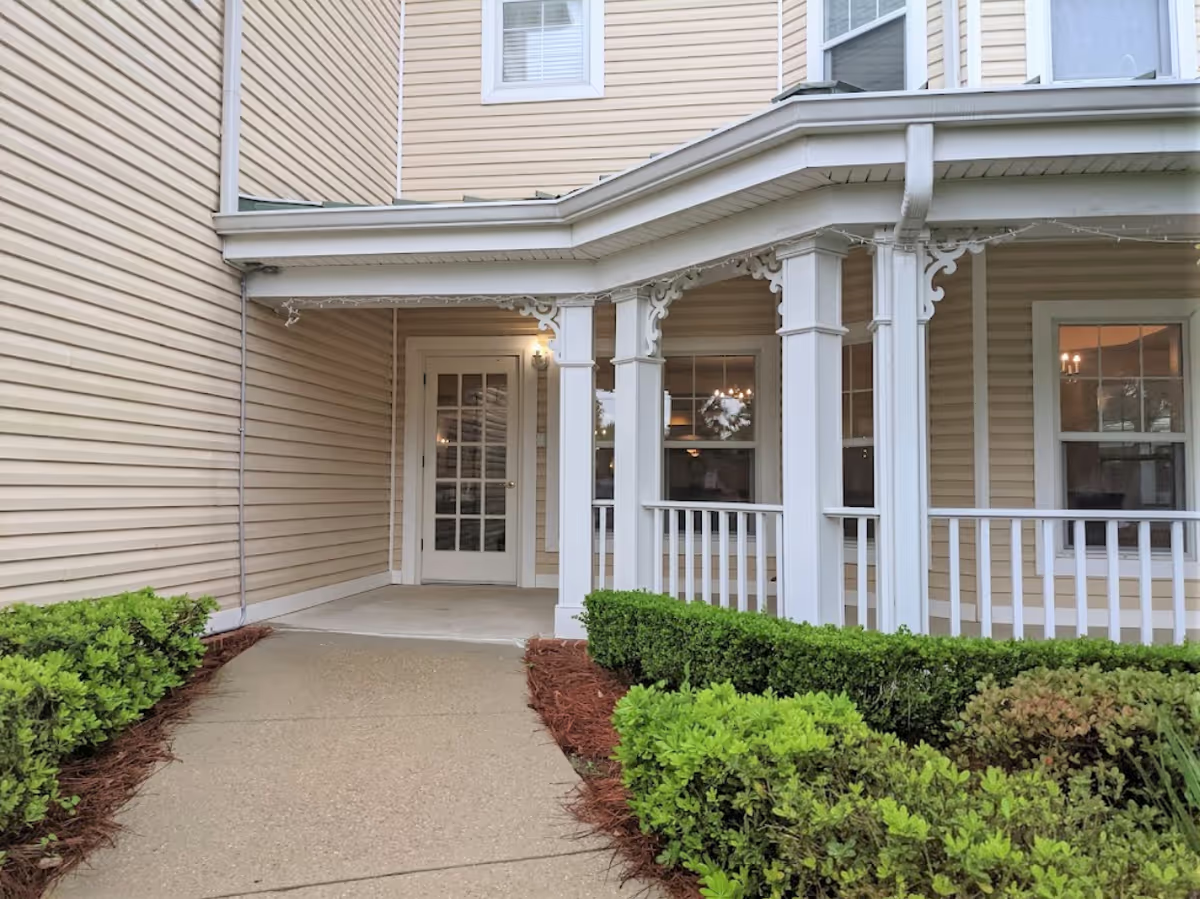
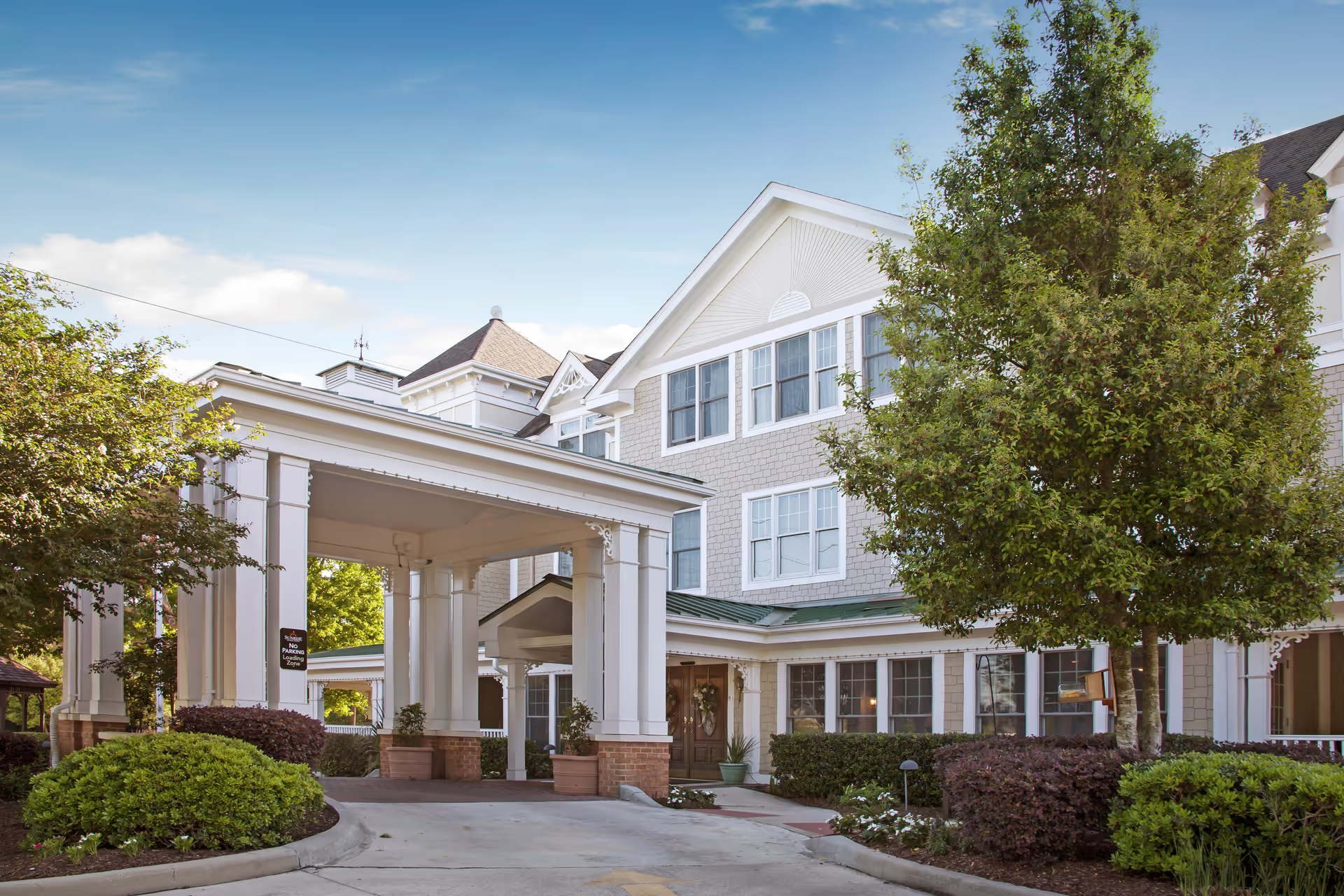
Reviews describe a facility with clear strengths in environmental upkeep, social programming, and certain staff relationships, alongside recurring operational and clinical concerns. Many comments emphasize an immaculate, fresh-smelling environment, a pleasant reception and dining area, and sizable activity spaces. The activity program is viewed positively and includes exercise classes, hair-and-nails services, and multi-faith religious offerings; reviewers also noted an open visitation approach and visible attention to holiday and communal decorations.
Care quality perceptions are mixed. Several families and residents praised caring, attentive nurses and aides and long-tenured attendants who enjoy assisting residents. At the same time, other accounts indicate inconsistent clinical performance — specifically uneven rehabilitation outcomes, variable responsiveness to resident needs, and examples that suggest gaps in fall-prevention and transfer-safety practices. These mixed impressions point to variability in care delivery rather than uniform performance across the facility.
Staff culture is similarly bifurcated in the feedback. Many reviewers described courteous, helpful, and personable staff who interact well with residents. Conversely, there are reports of unprofessional or brusque conduct and slower-than-expected responses to requests. This pattern suggests differences in staff behavior and responsiveness across shifts or units; prospective families may want to clarify staffing models, typical staff-to-resident ratios, and escalation pathways during a tour.
Dining and activities receive generally positive remarks: the dining area is described as pleasant with attentive service, and activities are numerous and accessible. However, a few comments call for more encouragement of resident participation and faster staff service to individual needs. Visitors should review the activity calendar and observe engagement levels for residents with similar abilities to their loved one.
Facility condition is characterized by high cleanliness standards in many areas, but also by mentions of aging or outdated spaces in parts of the building. Operational weaknesses noted across reviews include inconsistent communication with families, occasional loss or misplacement of personal items, and administrative/process shortcomings. These observations point toward the need for stronger property-management controls and clearer family-staff communication protocols.
For prospective residents and families: balance the facility’s strengths in cleanliness, social programming, and some experienced staff against the variability in clinical care, rehabilitation effectiveness, and communication. Recommended due diligence includes touring multiple areas, asking about fall-prevention and transfer training, inquiring how personal belongings and laundry are tracked, requesting recent rehabilitation outcome data, and establishing a primary point of contact for updates. Monitoring care early after move-in and setting clear expectations for responsiveness can help address the operational inconsistencies noted in reviews.