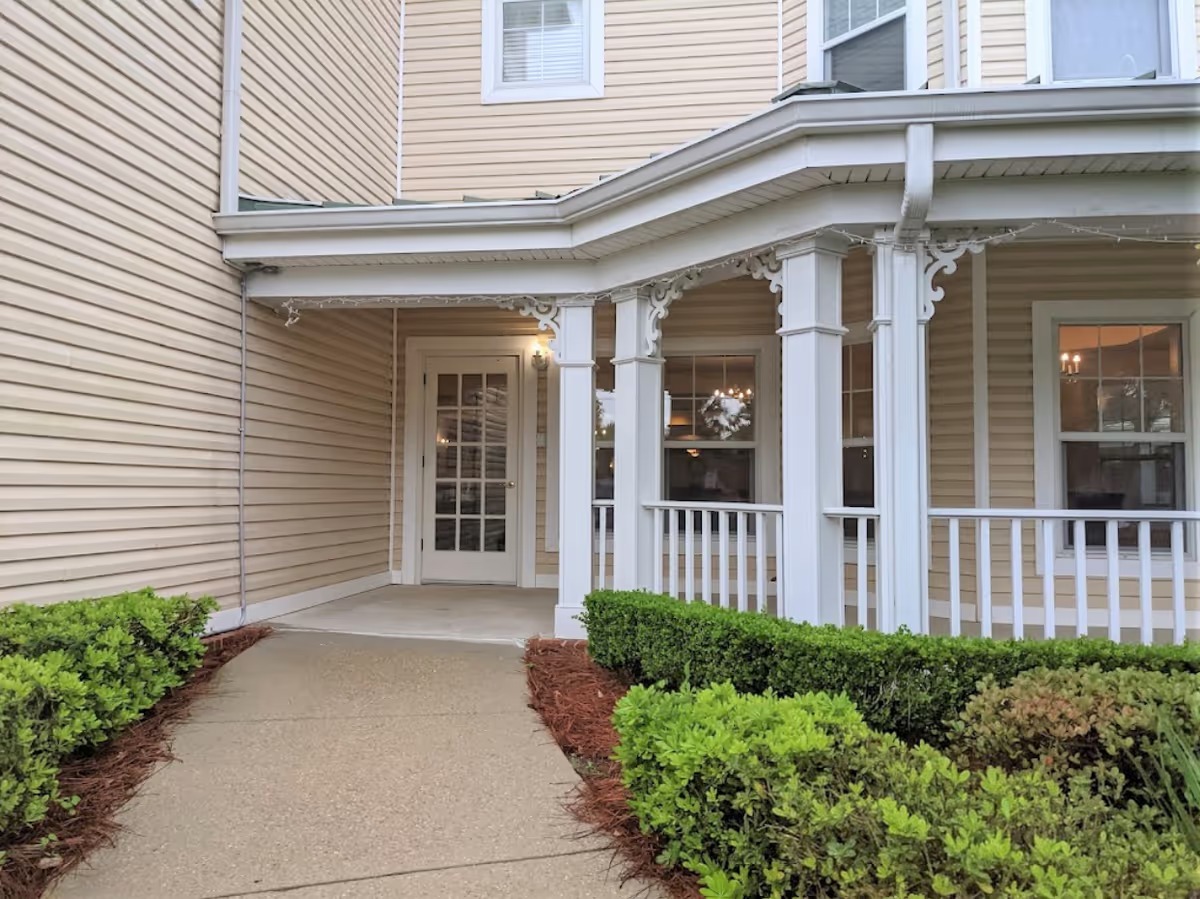
Touro Woldenberg Village presents as a well-maintained, attractive campus with multiple housing formats (independent cottages, villas, assisted- and skilled-care sections), plentiful common spaces, and a broad slate of activities. Many families and residents praise the grounds, décor, and interior upkeep; they highlight frequent social programming (music, bingo, painting, outings, religious services), accessible common areas and patios, and weekly housekeeping. Independent-living cottages and larger apartment-style units are noted for natural light, parking and courtyard access. The facility also provides on-site therapy and rehabilitation services and offers shuttle transportation for appointments.
Dining and amenities are mixed but substantial: reviewers mention three meal options, multiple dining venues including dining rooms and patios, and extras such as a beauty parlor and library. Several comments reflect satisfaction with meal quality and service; however, there are also concerns about menu flexibility (notably limited diabetic-friendly options) and occasional extra charges for certain meals. Activity programming and social engagement receive consistent positive feedback for variety and frequency, supporting resident socialization and recreation.
Care quality and staff performance show a clear pattern of variability. Numerous reviews describe attentive, skilled, and compassionate nursing, therapy and CNA staff who provide high-quality care and good communication. At the same time, there are substantive critiques about inconsistent clinical practices: delays in responding to call buttons, lapses in incontinence-care routines and bathing schedules, temporary-staff turnover affecting continuity, and instances where family communication about incidents or clinical changes was insufficient. Several reviews cite more serious interpersonal concerns—rude or dismissive interactions, and isolated allegations of disrespectful or discriminatory conduct—that have driven distrust among some families. There are also reports raising concerns about how certain clinical incidents were handled and communicated to families.
Operational and management issues are another recurring theme. Positive interactions with admissions and front-desk personnel contrast with reports of aloof or unresponsive administrative staff, billing and paperwork problems, and occasional difficulty obtaining medical records or timely answers from leadership. Transportation is a valued service but also a pain point for some families due to missed or unreliable rides. Property-security and personal-property controls appear uneven: while many residents feel secure, there are complaints about lost or misplaced belongings. Cost was noted as relatively high by some reviewers who questioned whether services consistently matched the price.
Overall, the facility’s physical plant, activities programming, and many frontline staff are strong assets. The most significant patterns prospective residents and families should weigh are the variability in clinical and nursing consistency, episodic responsiveness to resident needs, and administrative communication reliability. Those considering the community should tour multiple care areas, ask specific questions about nursing staffing mixes and temporary-staff policies, review dining and therapeutic diet options, and request the facility’s procedures for incident communication, property security, and transportation reliability before deciding.