The reviews present a mixed but consistent pattern: the facility is commonly praised for its rehabilitation services, attractive renovated environment, and the presence of compassionate direct-care staff, while also exhibiting recurring operational weaknesses that affect clinical care continuity and family confidence.
Care quality: Rehabilitation and outpatient therapy are frequently described as a clear strength, with effective physical therapy and comparatively good discharge-to-home outcomes. However, clinical-care processes show variability. Reviews indicate medication-administration and medication-tracking problems, intermittent gaps in clinical monitoring (for example, monitoring for infections and electrolyte abnormalities), and instances of delayed or inconsistent follow-up after clinical events. There are also concerns about pressure-injury prevention and increased emergency transfers tied to these monitoring and responsiveness gaps. Fall-risk management and post-fall processes are mentioned as areas needing improvement.
Staff and supervision: Staff-level feedback is polarized. Many reviewers praise individual caregivers as caring and attentive and describe a family-like culture among some employees; specific staff members received positive mention. At the same time, reviewers describe inconsistent staffing levels—particularly on night shifts—variable staff training or competency, and episodes of residents being left unsupervised. Those patterns are associated with concerns about responsiveness and overall supervision. Several reviews also describe frustrations with top-down management approaches and uneven supervisory follow-through.
Dining and activities: Dining experiences vary. The facility's kitchen and meal service have been described as both improved and problematic: some residents are satisfied, while others report poor meal quality, spicy or inappropriate preparations for texture-modified diets, and the need for additional feeding assistance. Replacement meals or accommodations are sometimes provided, but not consistently. Reviews include limited information regarding activities programming; where mentioned, residents are described as happy, but operational issues in dining and feeding support are a notable negative for those with swallowing or texture-modified needs.
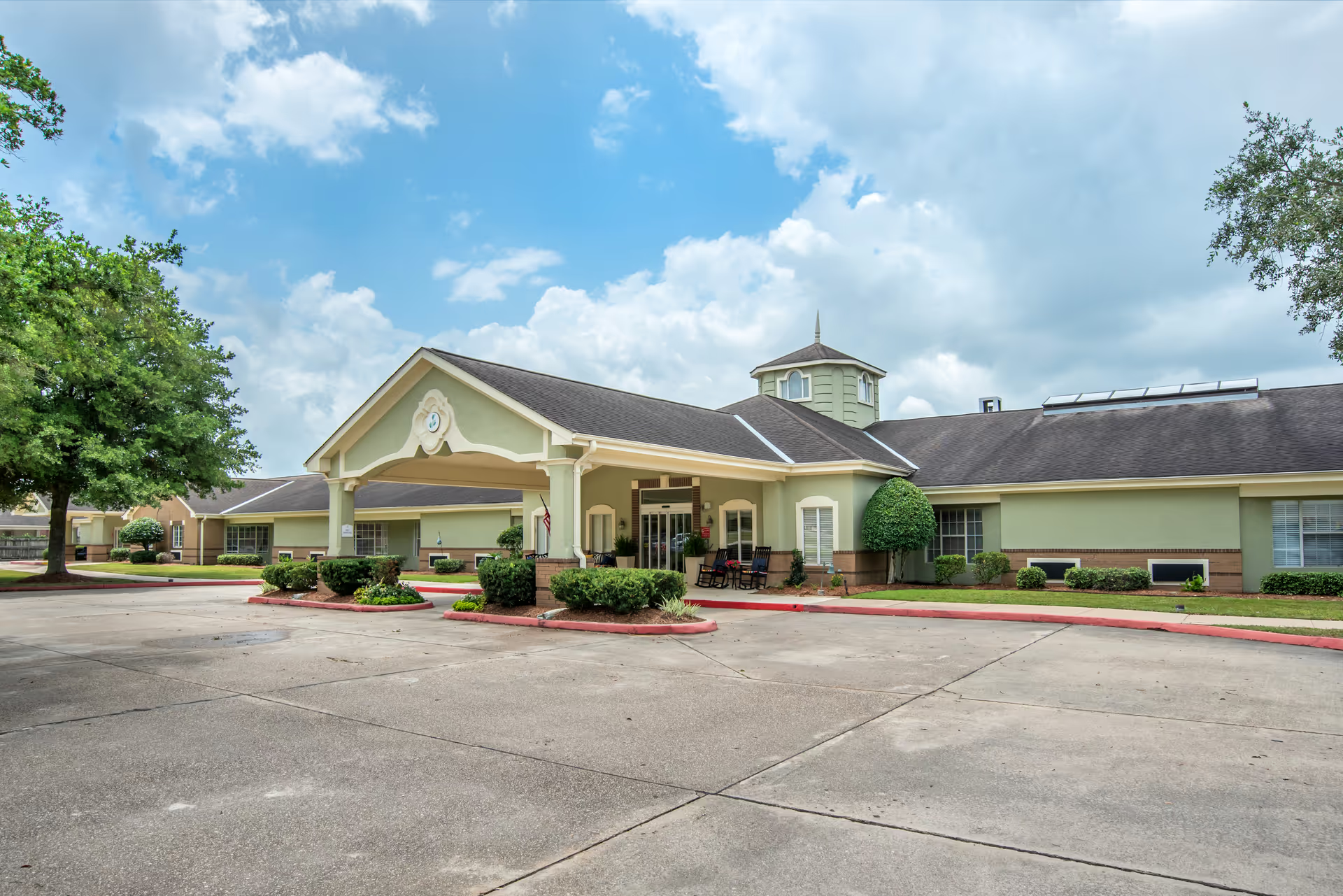
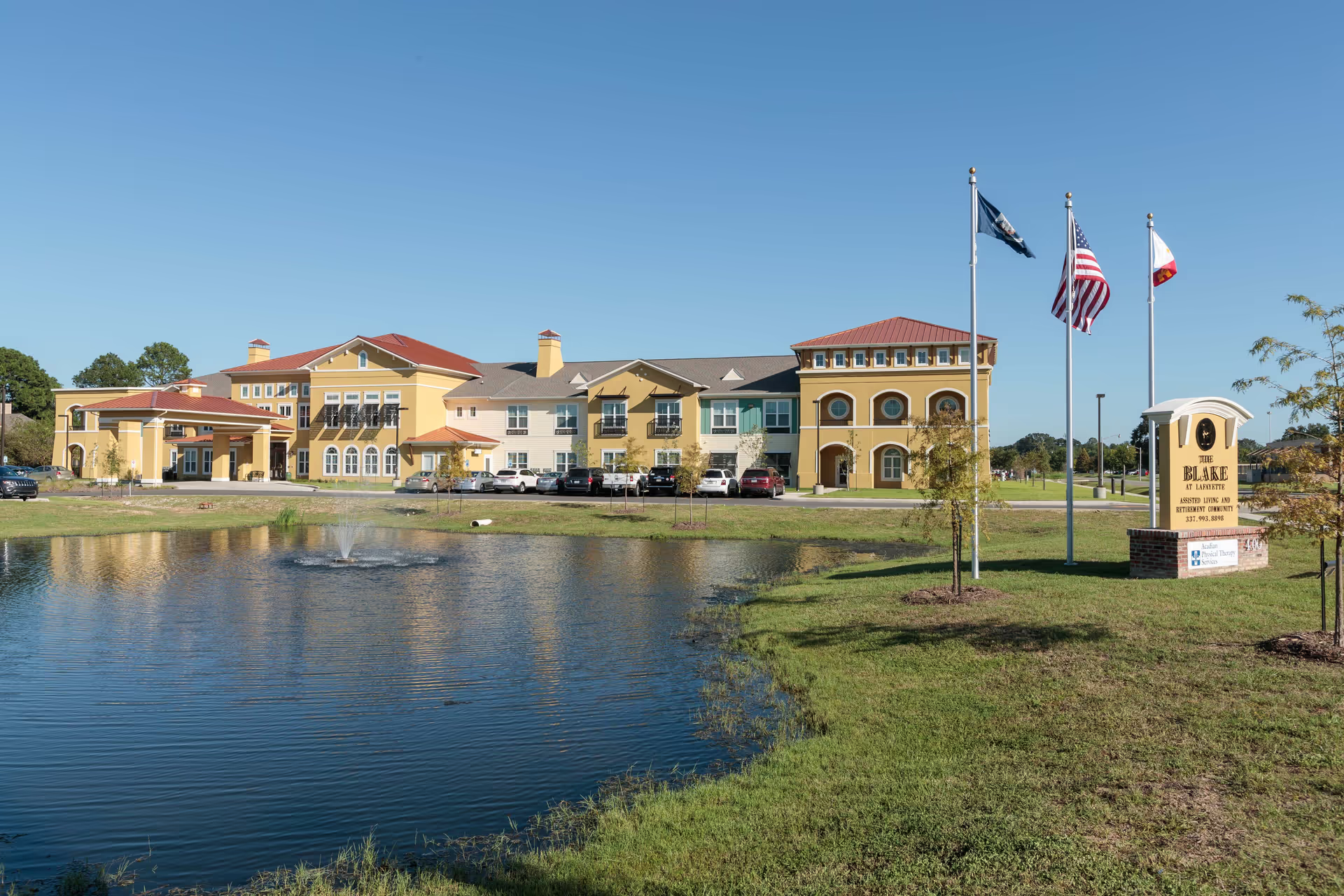
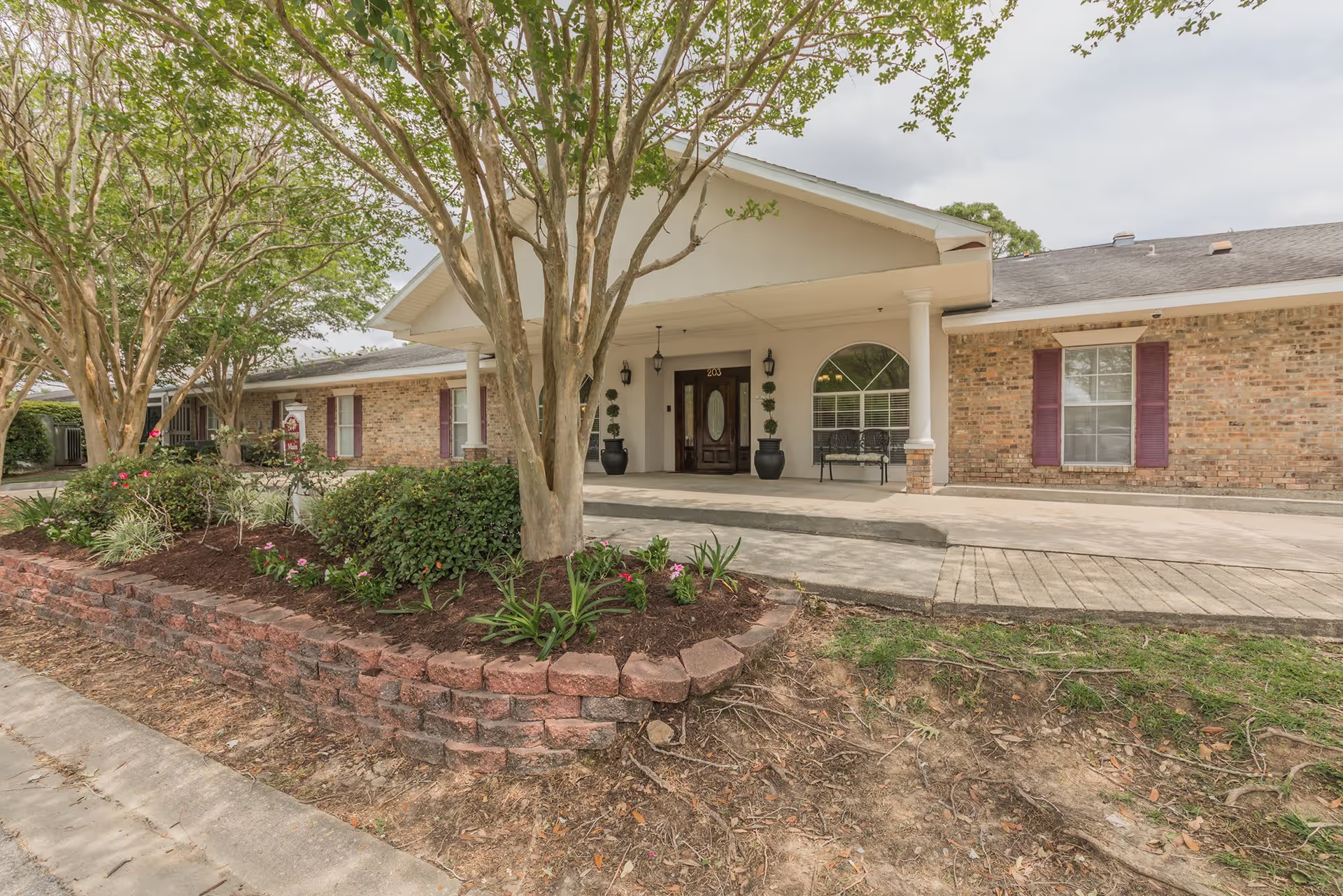
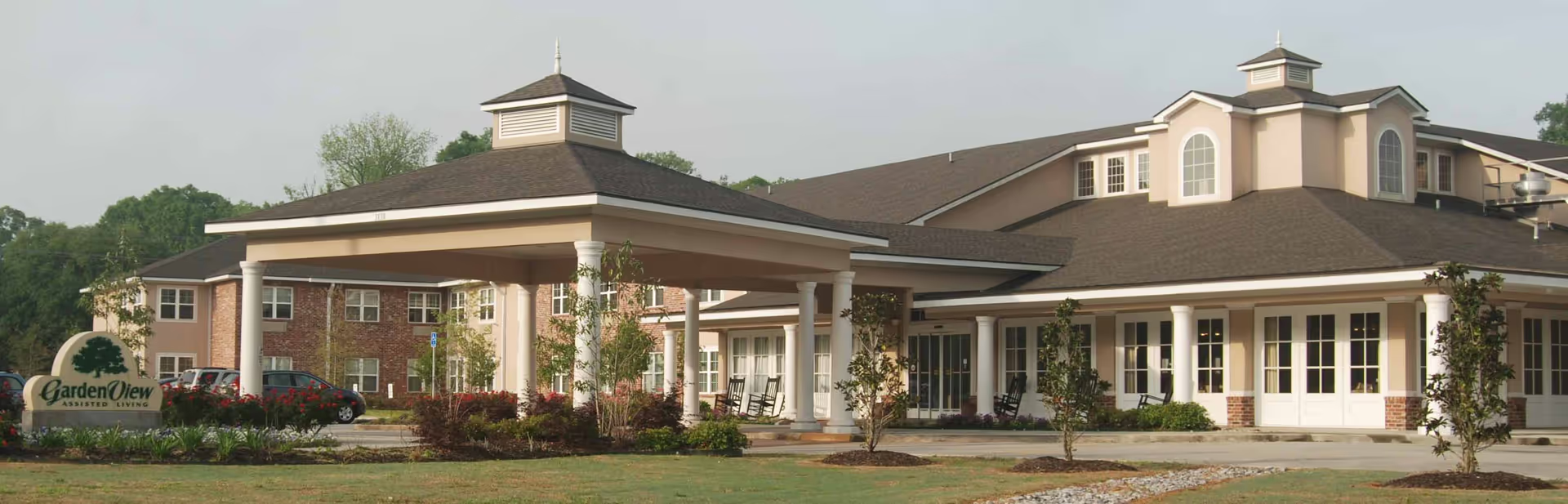
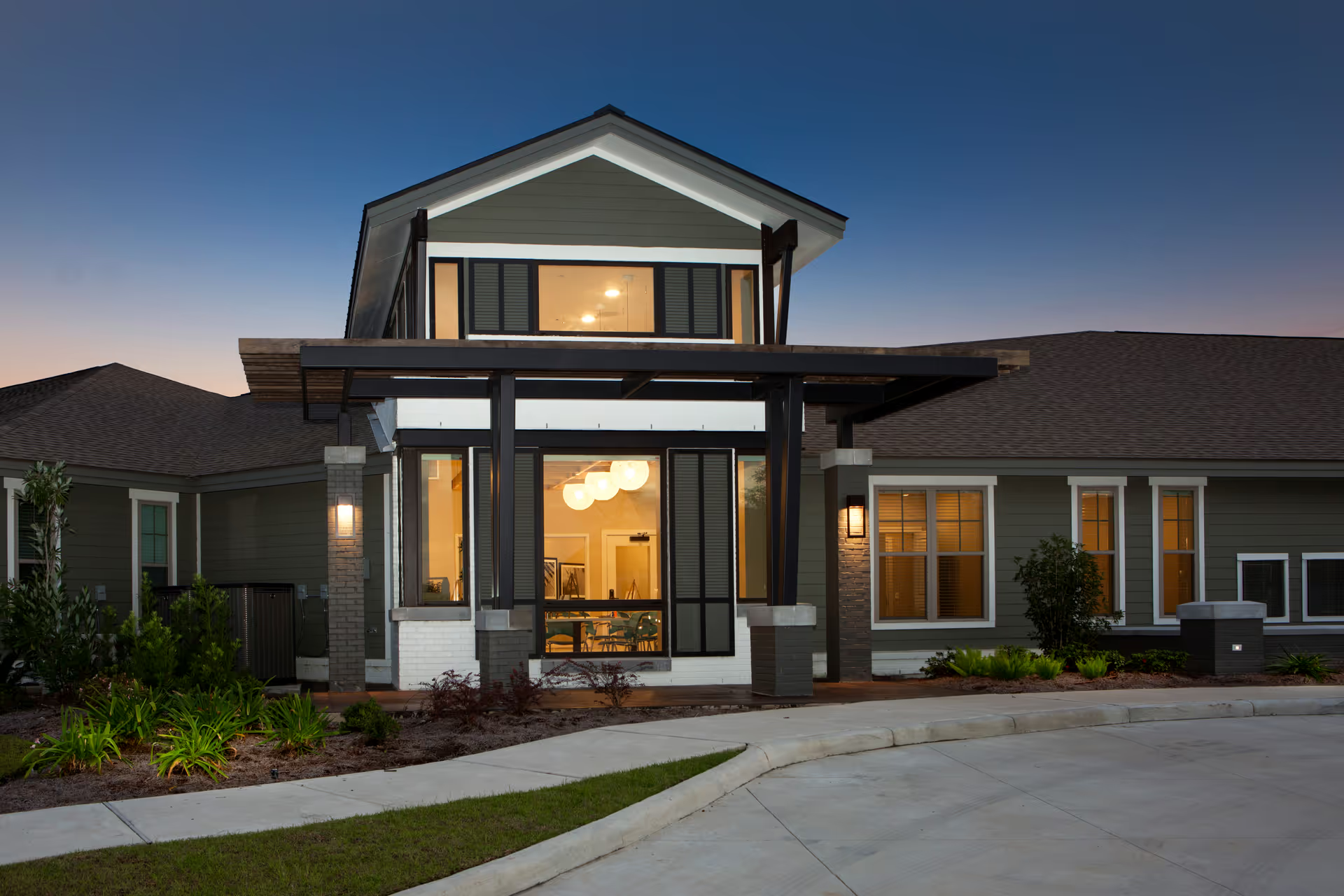
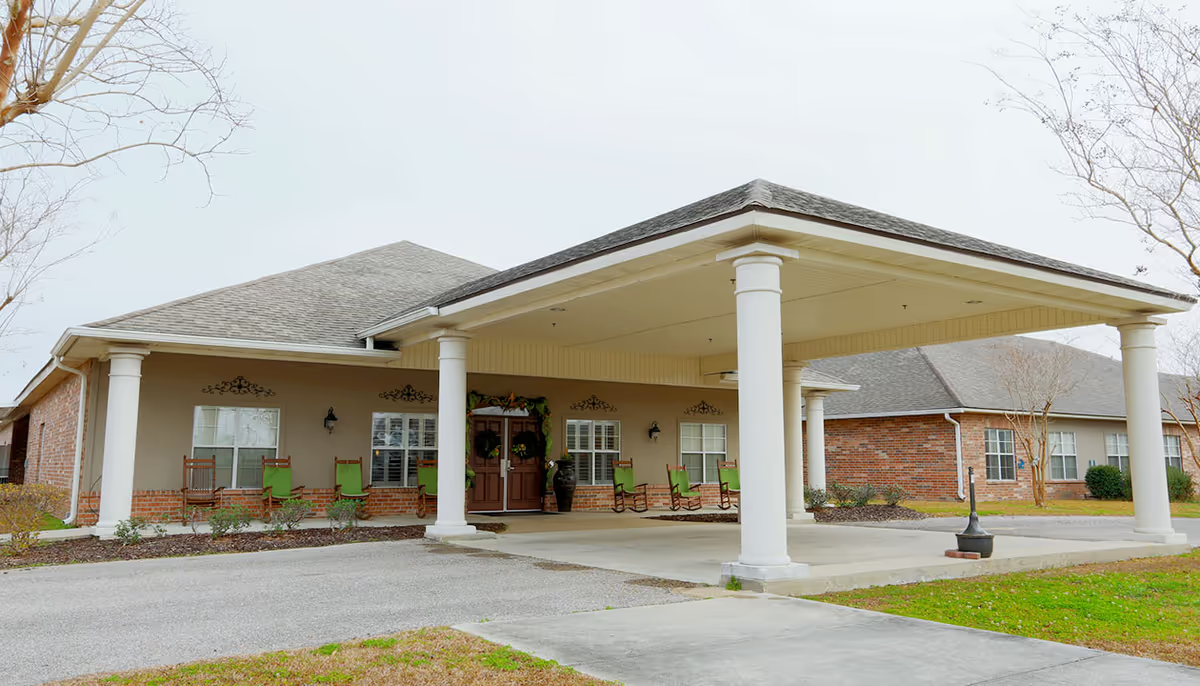
Facilities and management: The physical building and grounds draw consistently positive comments—many reviewers describe a renovated, attractive, and generally clean environment. At the same time, environmental controls (notably temperature regulation) have been called out as inconsistent. Management is described as improved in some periods and as having communication and policy-enforcement challenges in others. Families highlighted weaknesses in communication about clinical incidents and care changes, and some described rigid enforcement of policies that affected resident placement decisions.
Notable patterns and considerations: Overall, prospective residents and families should weigh the facility's strong rehabilitation services and attractive environment against recurring operational issues: medication and clinical-monitoring controls, inconsistent staffing and supervision (especially at night), dining accommodations for specialized diets, and family communication gaps. Experiences appear polarized—some families report very positive relationships with staff and good outcomes, while others report significant lapses in care processes. Visiting in person, asking for current staffing ratios, reviewing recent clinical incident logs or quality reports, and discussing specific protocols for medication administration, infection monitoring, fall prevention, and texture-modified meal preparation will help families assess whether the facility’s current operations match their needs.