Booker T. Washington elicits a mixed but distinct pattern: many comments highlight strong clinical and rehabilitative strengths while a subset of reviews raise operational and communication concerns. Positively, the facility is frequently praised for its rehabilitation program and therapy teams, with multiple notes of effective physical therapy and progress in mobility. Nursing staff and bedside caregivers are regularly described as compassionate and attentive, and families note supportive social work and administrative staff in many interactions. The interior is described as clean and welcoming, pastoral visits are accommodated, and dietary and maintenance staff receive favorable mentions. Several reviewers also emphasize an operational focus on staffing and clinical resources rather than on decorative investments, and specific leadership or marketing staff are called out as engaged and helpful.
At the same time, recurring operational weaknesses appear across reviews. Administrative and office responsiveness is inconsistent, with examples of delayed communication, billing/refund issues, and difficult corporate follow-up. There are reported gaps in how clinical incidents are managed and communicated to families; this includes concerns following transfers to higher-acuity care and end-of-life decisions. A small number of serious claims include allegations of theft and mishandling of personal belongings, which point to weak personal-property safeguards and financial controls. Reviewers also describe inconsistent personal-care routines (including bathing schedules and call-light responsiveness) and instances where staffing shortages or broken promises produced delays in care.
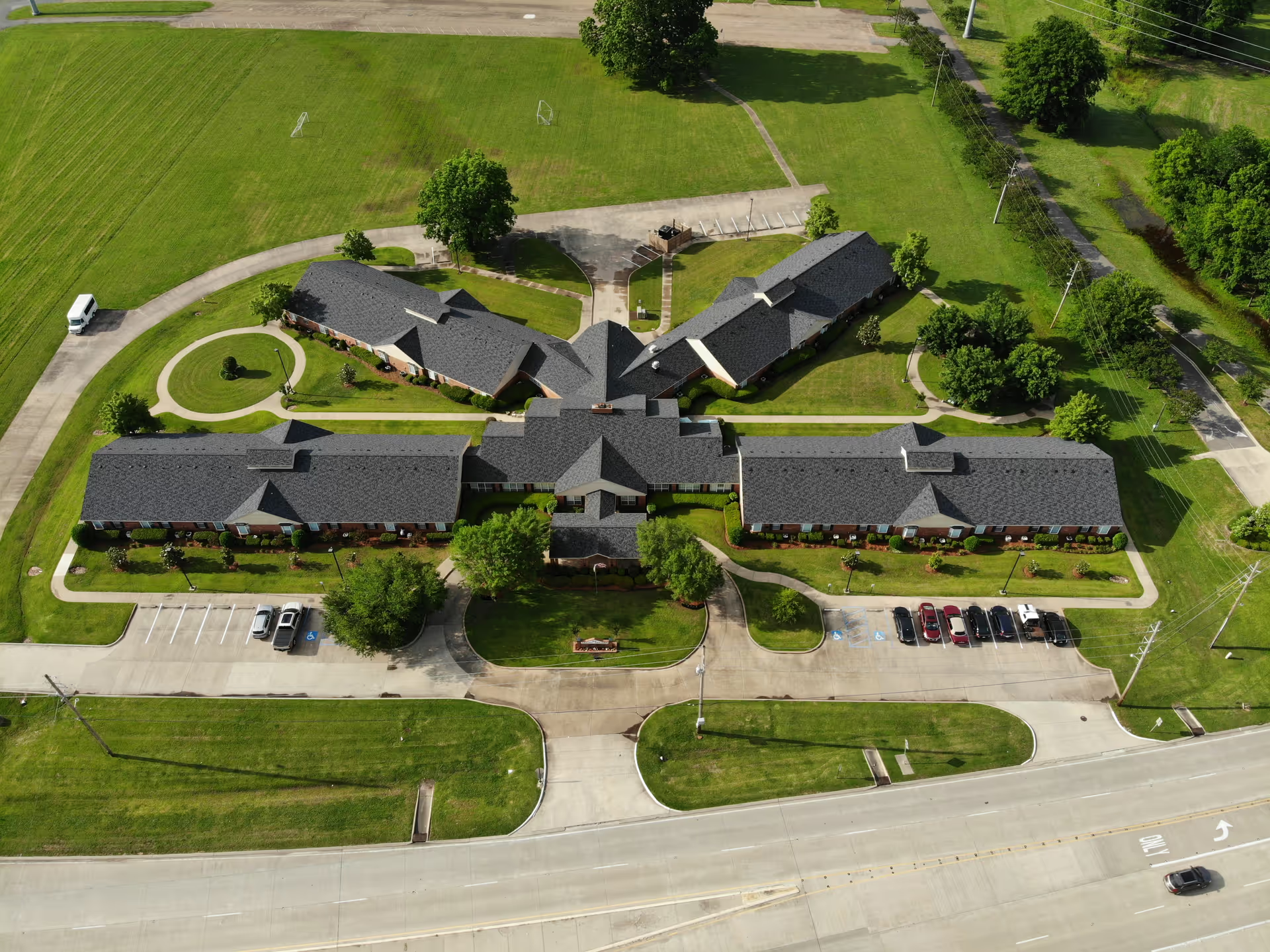
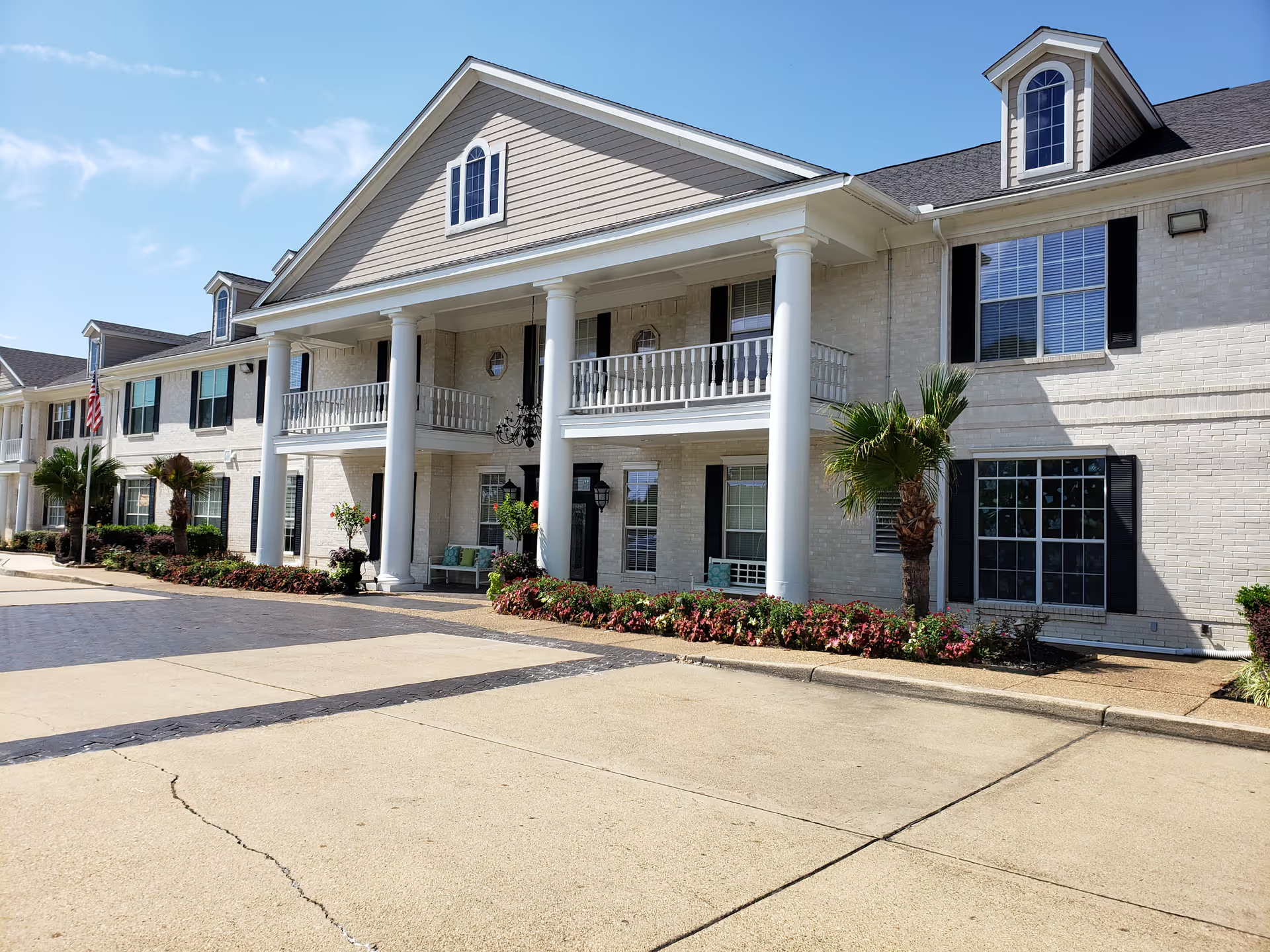
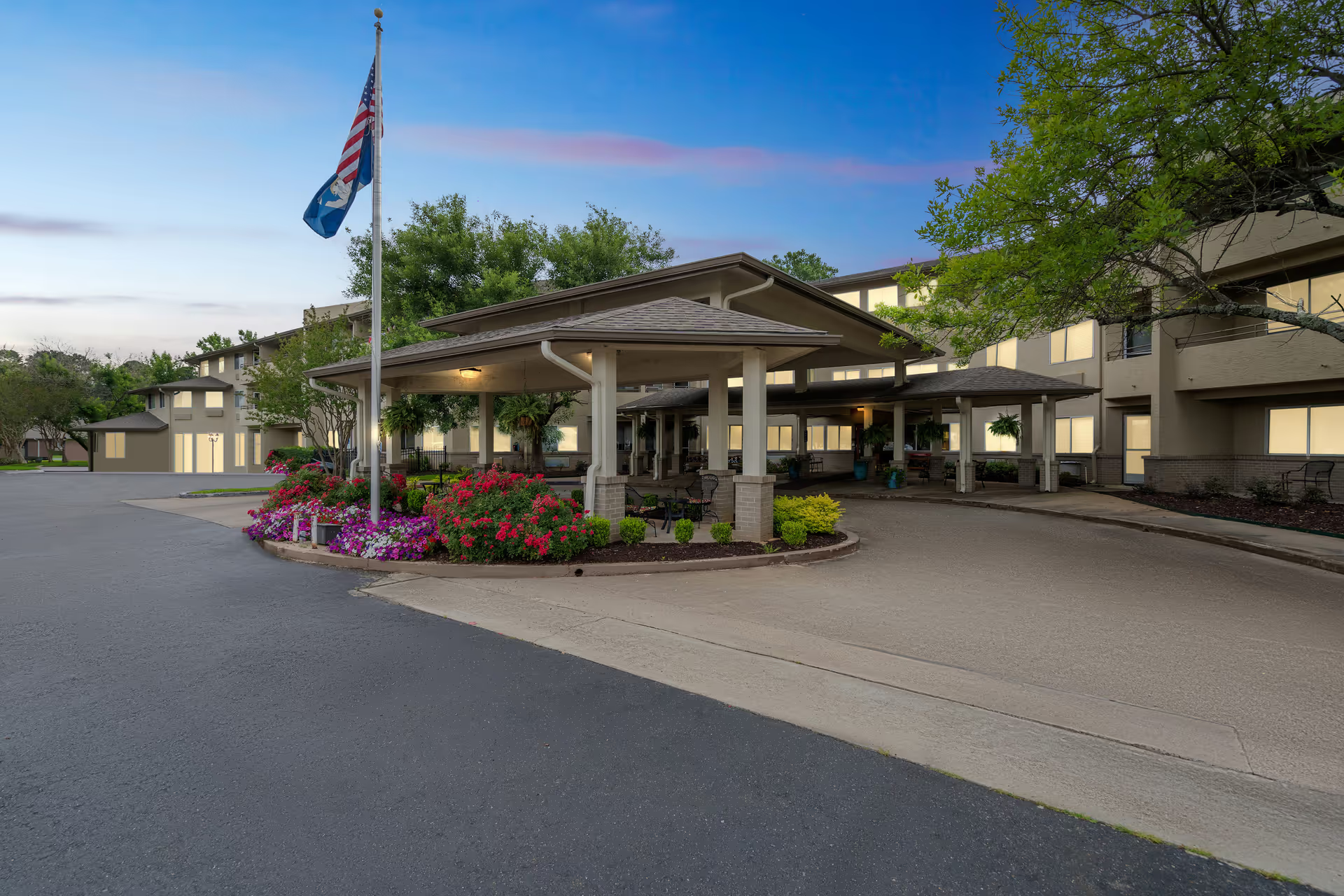
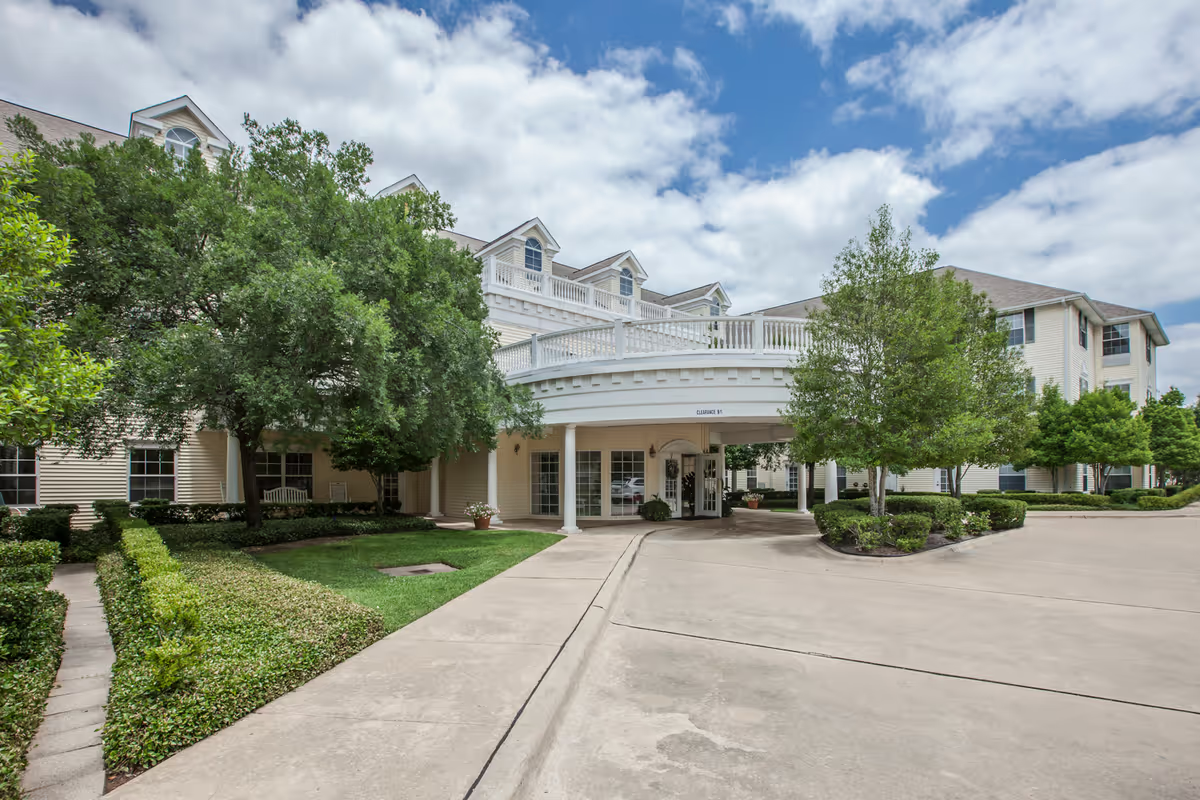
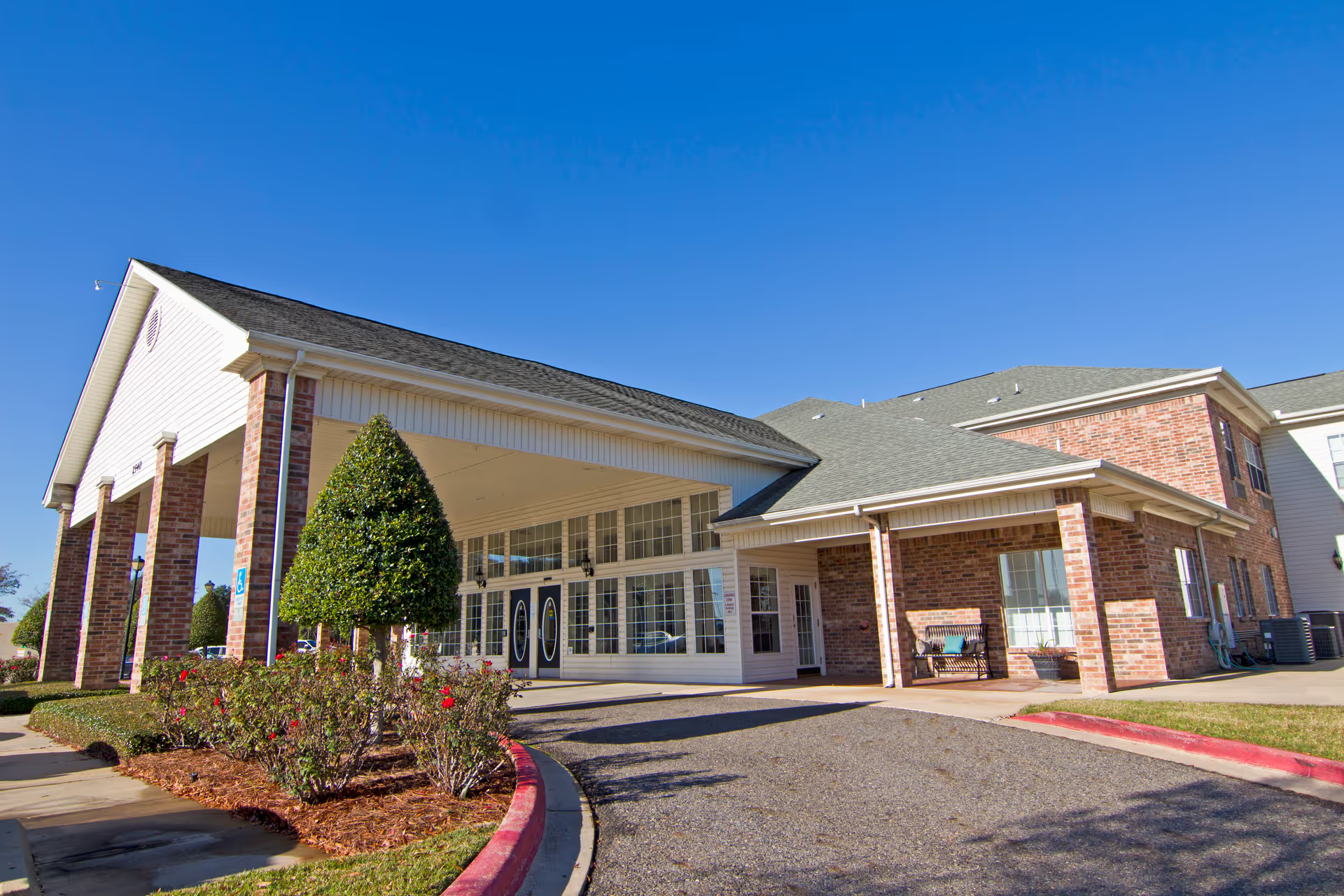
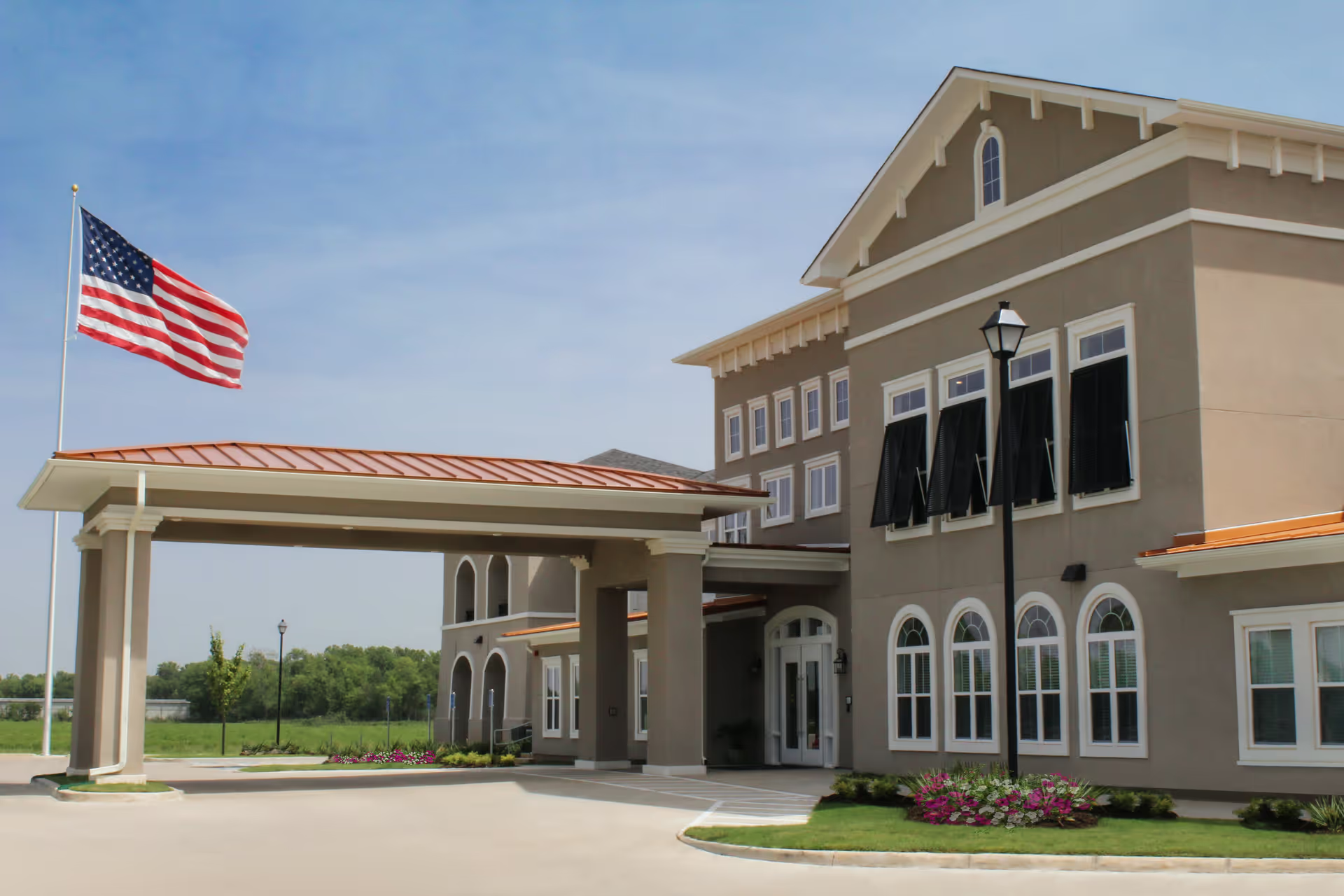
Dining and activities receive less consistent detail in the available feedback. While dietary staff interactions are sometimes described positively, many reviews offer limited information about meal quality, activity programming, and amenities, suggesting a need for greater transparency about those services. Facility appearance is characterized as clean and well-maintained inside but modest externally; some families appreciate the emphasis on clinical resources over aesthetics, while others note limited non-clinical amenities.
Management patterns worth noting include mixed impressions of leadership responsiveness: some families describe helpful, proactive administrators, while others cite poor corporate communication and unprofessional office behavior. There are also concerns about staffing levels and follow-through on commitments; prospective families should ask about staff-to-resident ratios, contingency plans for shortages, and documentation of promised services.
Recommendations for prospective residents and families: tour the unit during different shifts, request copies of staffing ratios and therapy outcome metrics, ask about incident-response protocols and family communication procedures, verify property-safeguarding policies for personal and financial items, and review billing/refund practices. Overall, Booker T. Washington demonstrates clear strengths in therapy and many aspects of caregiving, but the operational and communication issues identified in reviews merit careful inquiry prior to placement.