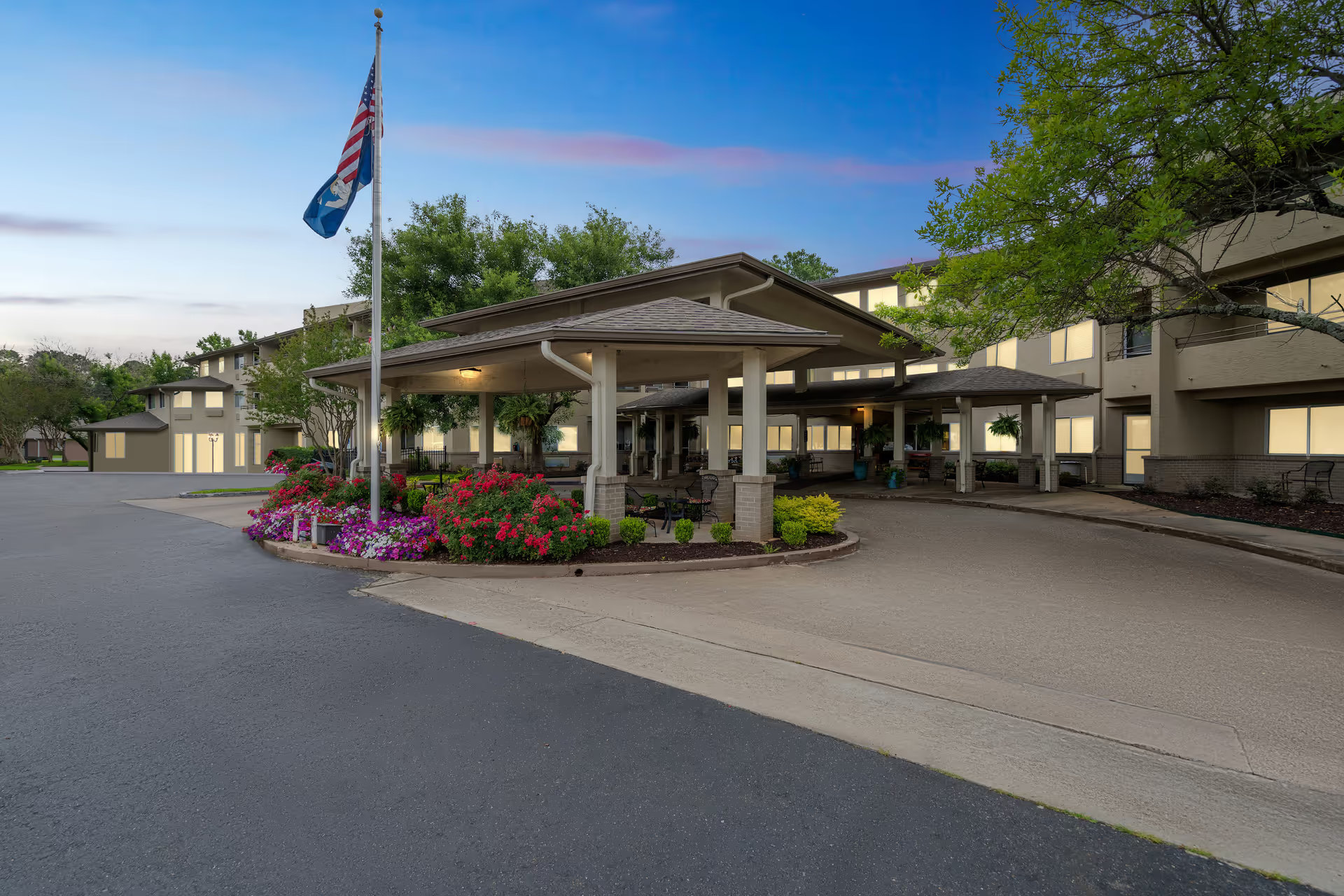
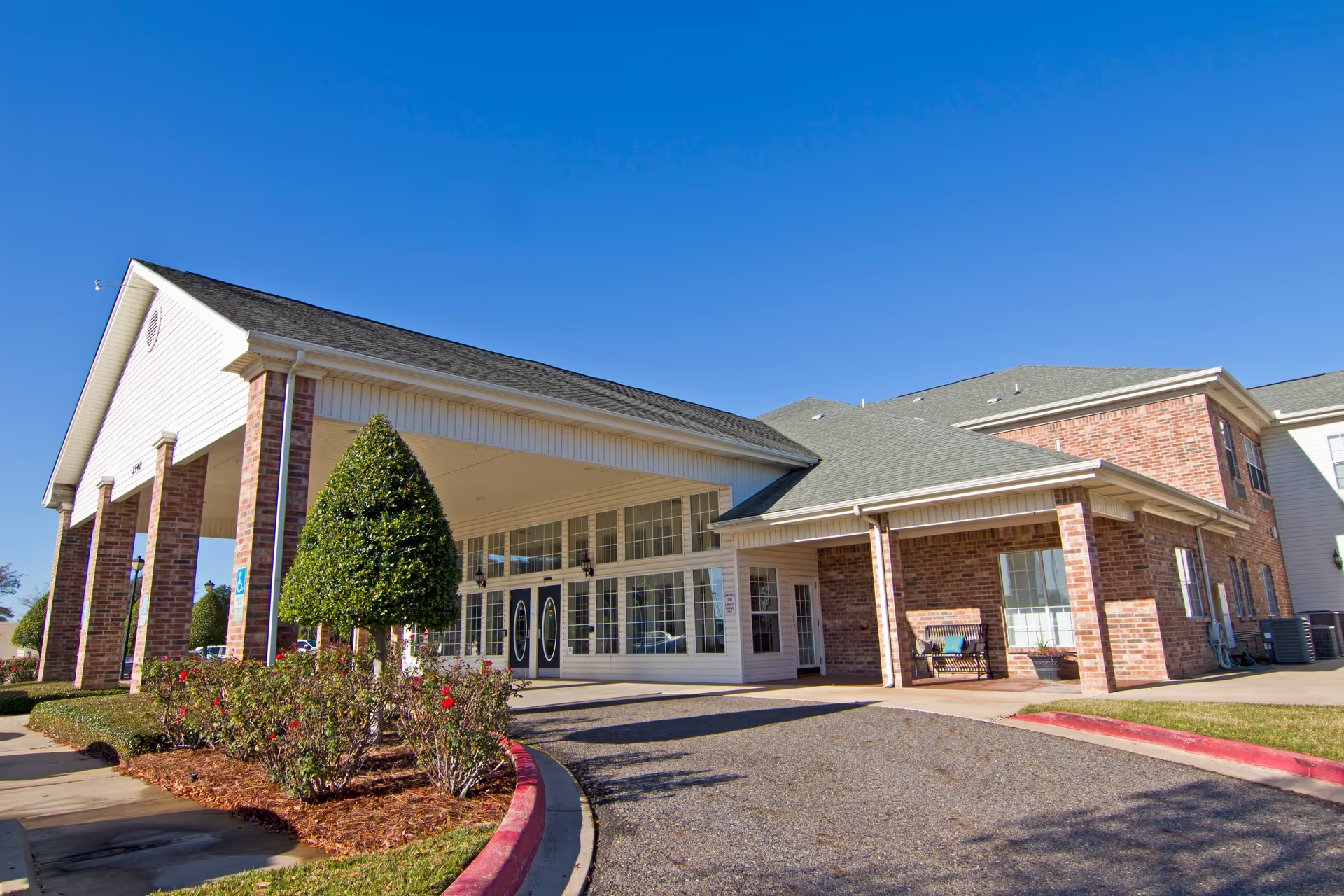
Overall impression: Brookdale Waterview Court is frequently described as a welcoming, well-appointed independent living community with a strong social environment and many on-site amenities. Positive comments center on the staff’s interpersonal approach, a hotel-like facility design, and a program of activities that supports social engagement and measurable improvements in residents’ mood and weight for some families.
Staff and care quality: Staff are commonly characterized as compassionate, patient, and helpful; many families cited proactive move-in support and 24/7 staff availability. At the same time, reviewers noted operational gaps that affect perceived leadership and clinical capacity: the community’s director is often part-time, corporate presence is limited, and there are indications that the facility is not structured for residents who require high-acuity clinical support. These patterns suggest the community is best suited for independent living or low-level assisted needs rather than intensive medical care.
Dining: Dining is a prominent strength for many residents — on-site chefs, pastry offerings, and restaurant-style, open-menu service received frequent praise. Conversely, dining quality and presentation were described as inconsistent at times; some families noted colder meals, variable plating, and changes in food satisfaction following staff turnover. The community provides three daily meals and event or special-occasion dining options, but there is no in-apartment stove and kitchen functionality is limited to full-size refrigerators and microwaves.
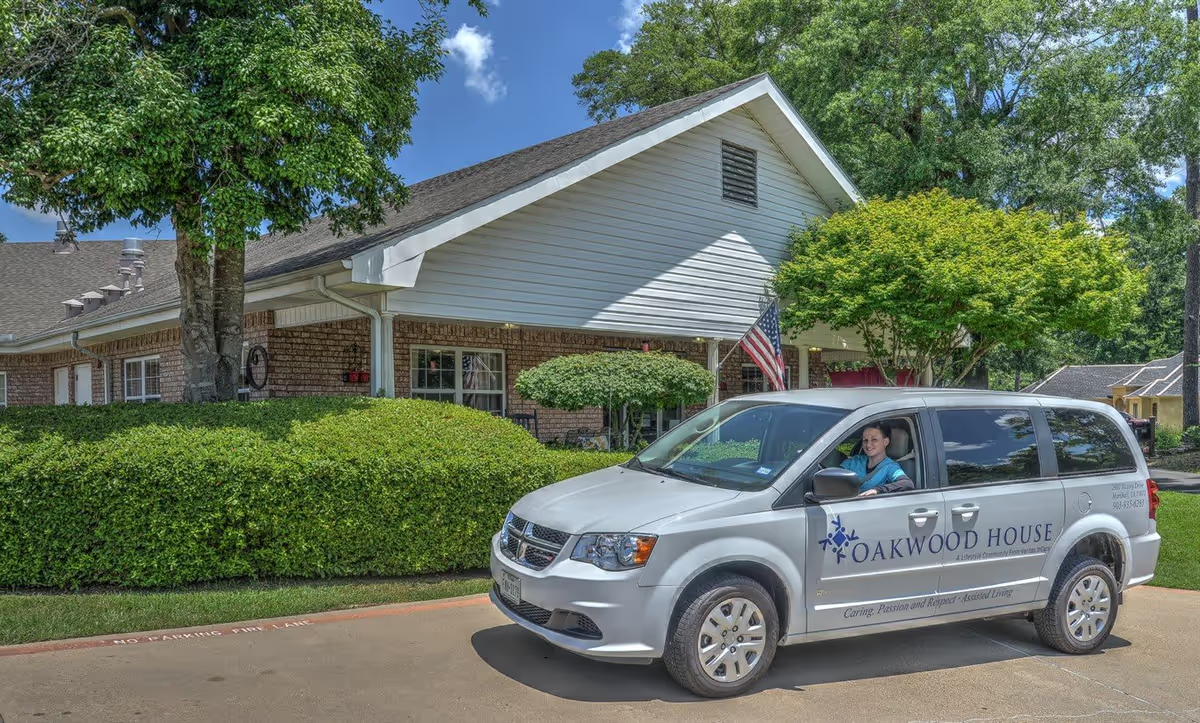
Activities and social life: The activity program is a frequent asset: exercise classes (chair aerobics, yoga), games, faith-based groups, outings, bingo, and scheduled transportation promote socialization and engagement. Several reviewers said outings and transportation schedules are helpful but can be inconsistent or limited in frequency; others reported occasional absence of an activities coordinator. Overall, the social program appears robust but uneven in consistency across time.
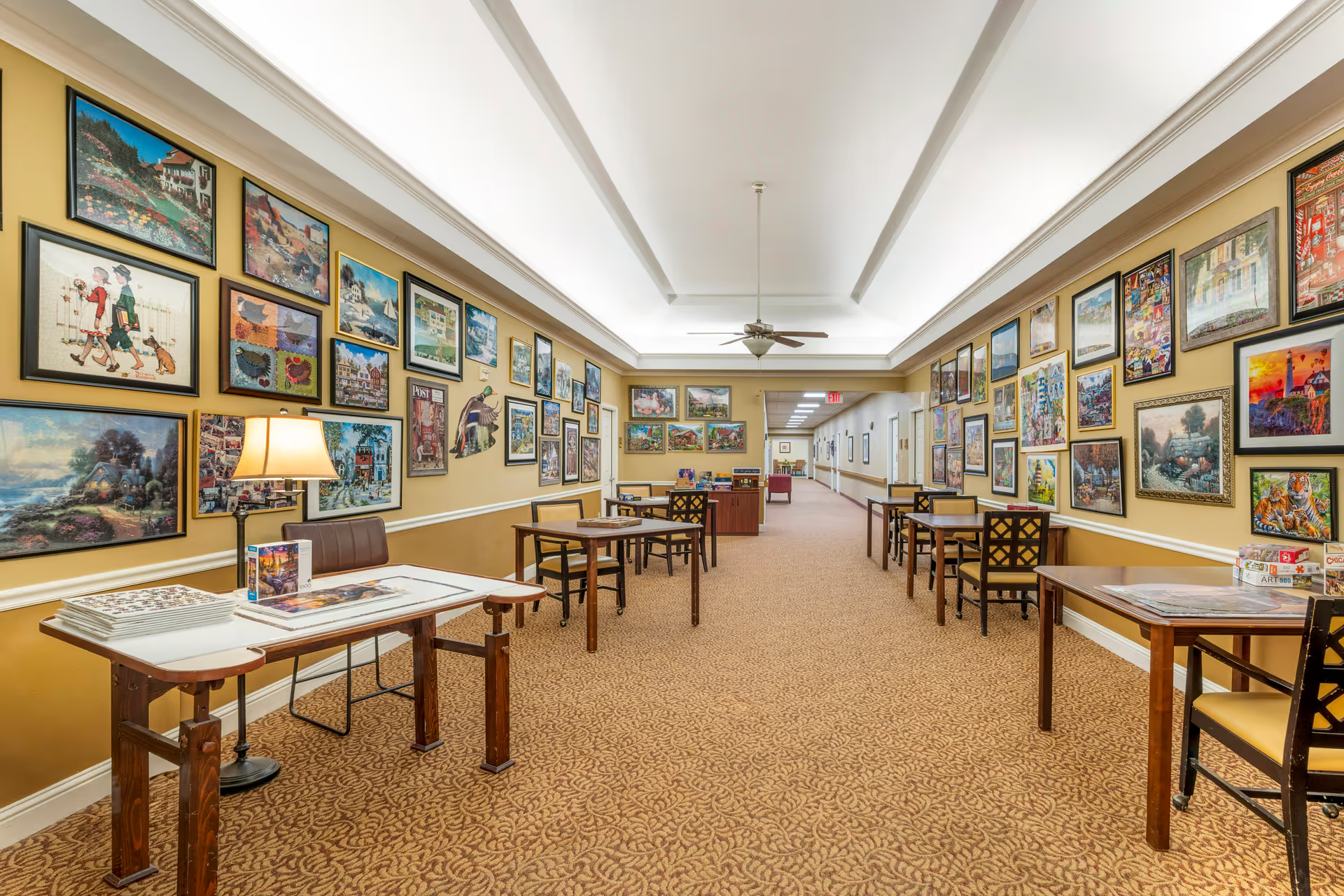
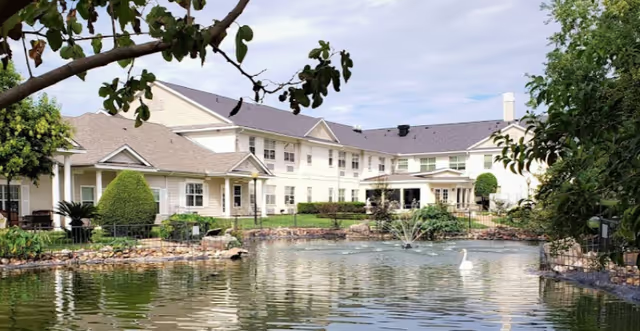
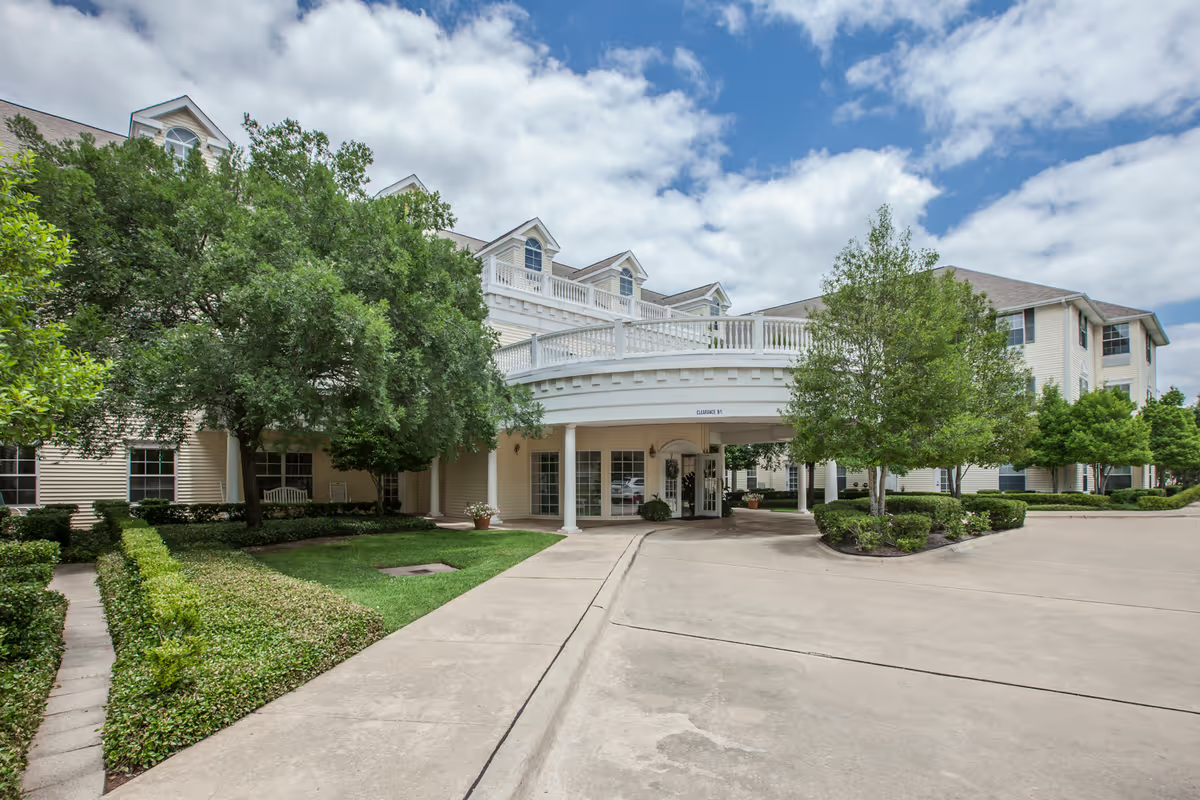
Facilities and amenities: Many reviewers praised the facility’s aesthetics, cleanliness of common spaces, and amenity set (library, movie room, fitness area, beauty shop, garden seating, private dining room). Apartment sizes vary widely; some residents enjoy spacious two-bedroom units and private patios, while others find certain studios or smaller apartments cramped and challenging with mobility aids. Maintenance responsiveness is described as mixed — some families report prompt repairs, while others note delayed or incomplete work and areas in need of upkeep.
Management, safety, and communication: Administrative follow-up and communication quality are variable. Common concerns include limited on-site management hours, uneven corporate oversight, and inconsistent responsiveness to inquiries. Safety observations are mixed: reviewers praised rapid emergency response in at least one instance, but there are also serious security-related allegations, including theft and access-control lapses, which families highlighted as important issues. Given those comments, prospective residents and families should discuss security protocols, key/access controls, and incident-handling policies during tours.
Notable patterns and recommendations for families: The dominant narrative is one of improved quality of life for many residents—better nutrition, increased activity, and social connection. However, prospective residents should weigh the community’s strengths against operational limitations: evaluate current dining consistency, request clarity on management availability and clinical support levels, confirm maintenance responsiveness, and discuss security measures. An in-person visit that includes a meal, a review of recent menus, and direct questions about staffing, transportation schedules, and incident response will help families determine whether Brookdale Waterview Court’s environment and operational practices align with their needs.