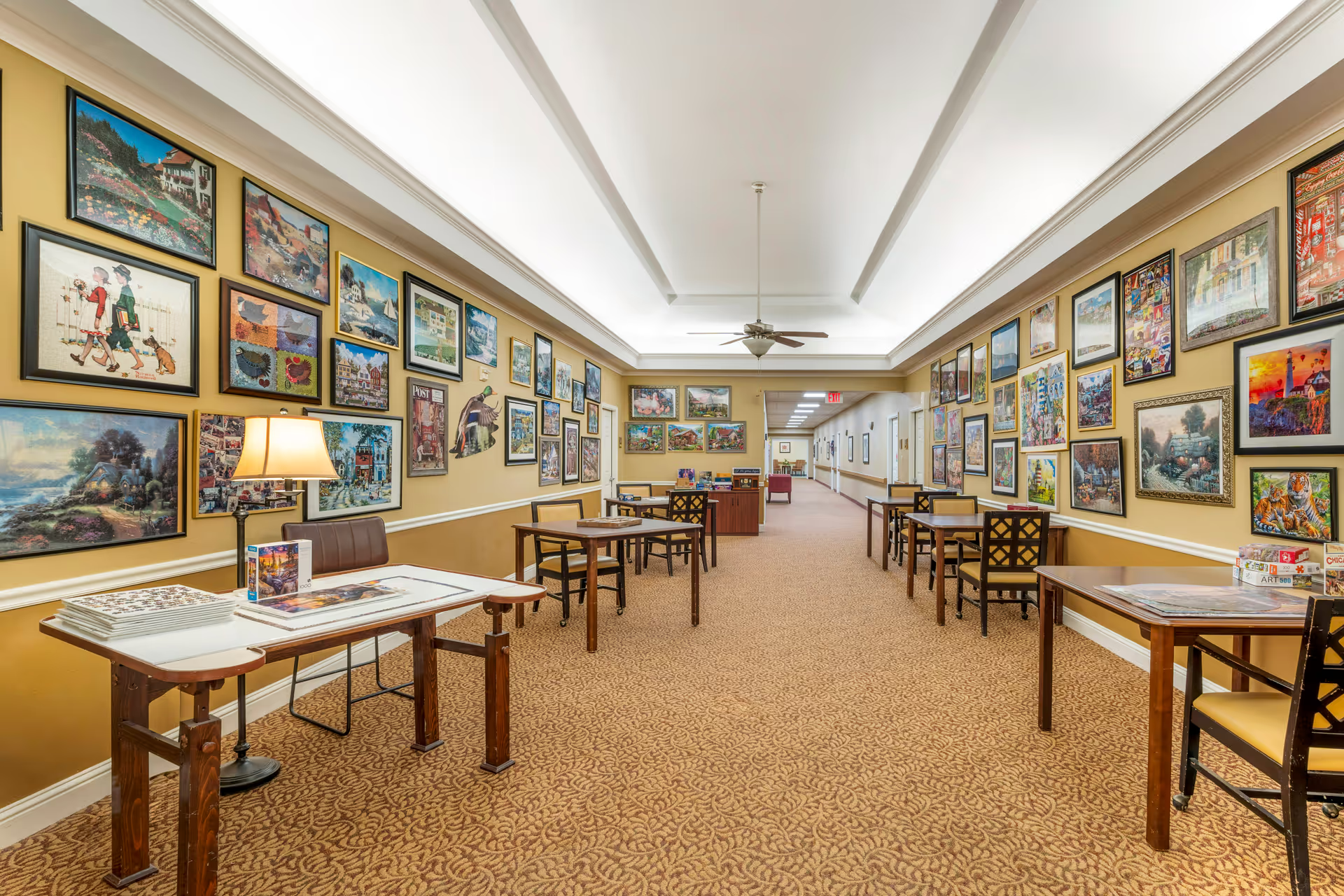
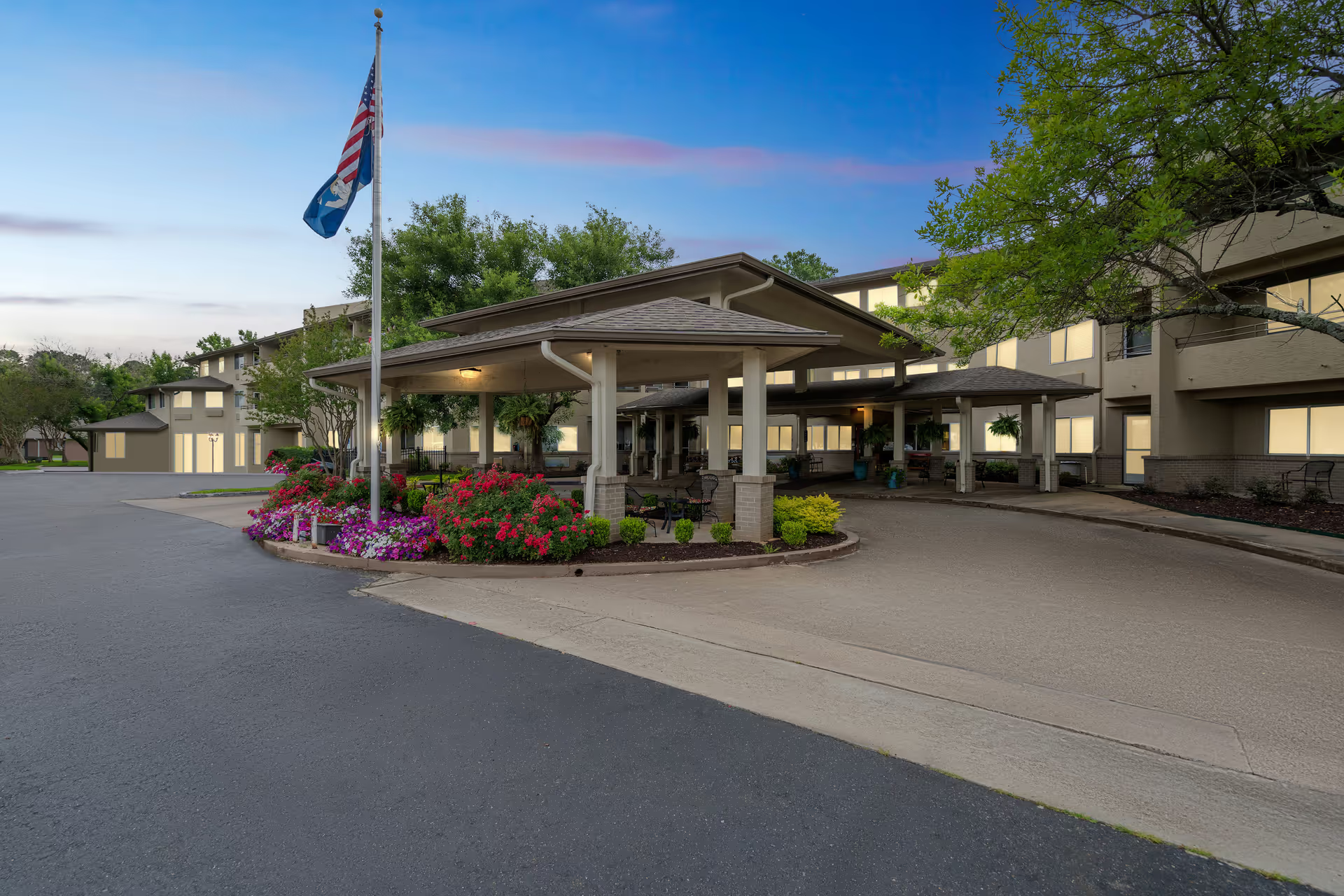
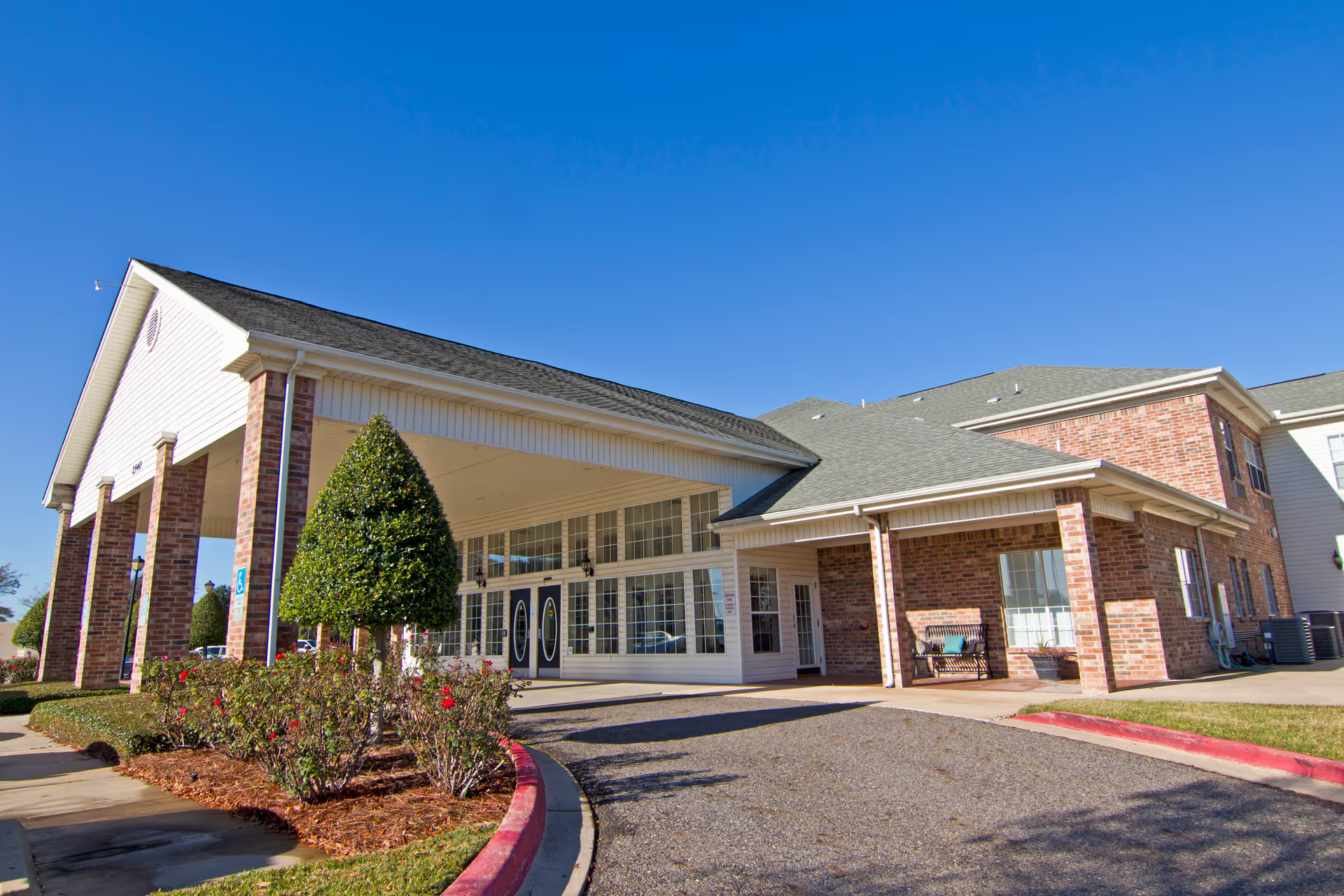
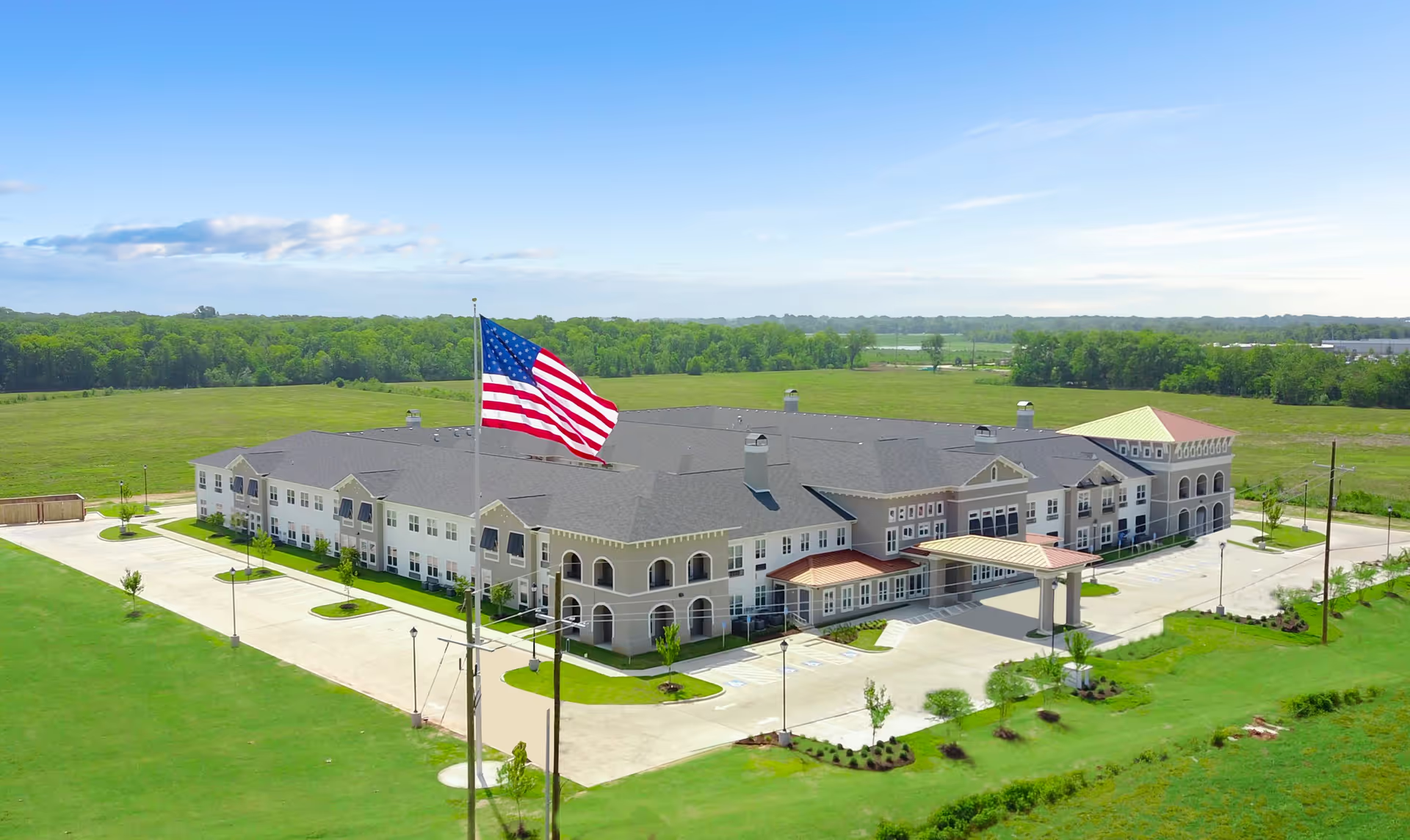
Heritage Manor Stratmore presents a mixed but instructive profile for prospective residents and families. Strengths frequently cited include a generally friendly and helpful front-line staff, a strong rehabilitation/therapy program, and a clean, bright physical environment with attractive grounds and outdoor spaces. Many families described effective clinical outcomes such as successful wound-care recovery and appreciated safety-focused practices and visible concierge-style support (greeters, maintenance responsiveness). The facility offers an active calendar of activities that several reviewers found engaging and beneficial to residents' wellbeing.
Clinical care and therapy services are a clear asset. Rehabilitation therapists are repeatedly described as skilled and responsive, and nursing staff are often characterized as attentive and competent. Where care has been effective, families noted measurable improvements and relief in caregiver burden. However, staffing patterns appear uneven: reviewers identified variable RN availability and staffing levels that can affect admissions decisions and continuity of care. In addition, some comments indicate difficulty reaching physicians and gaps in clinical coordination, which can complicate care management for medically complex residents.
Staff conduct and unit-level consistency are notable areas of variation. While many accounts emphasize courteous, compassionate interactions, other accounts describe unwelcoming or brusque staff behavior, uneven management responsiveness, and concerns about tone and timeliness of communication—including nighttime and weekend coverage. The dementia-designated wing received specific criticism for supervision and individualized-care consistency, indicating a need for focused quality oversight in that unit.
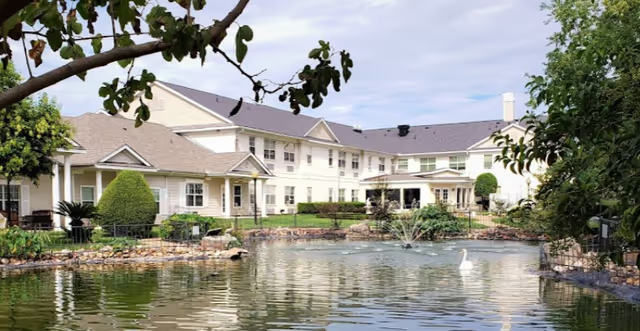
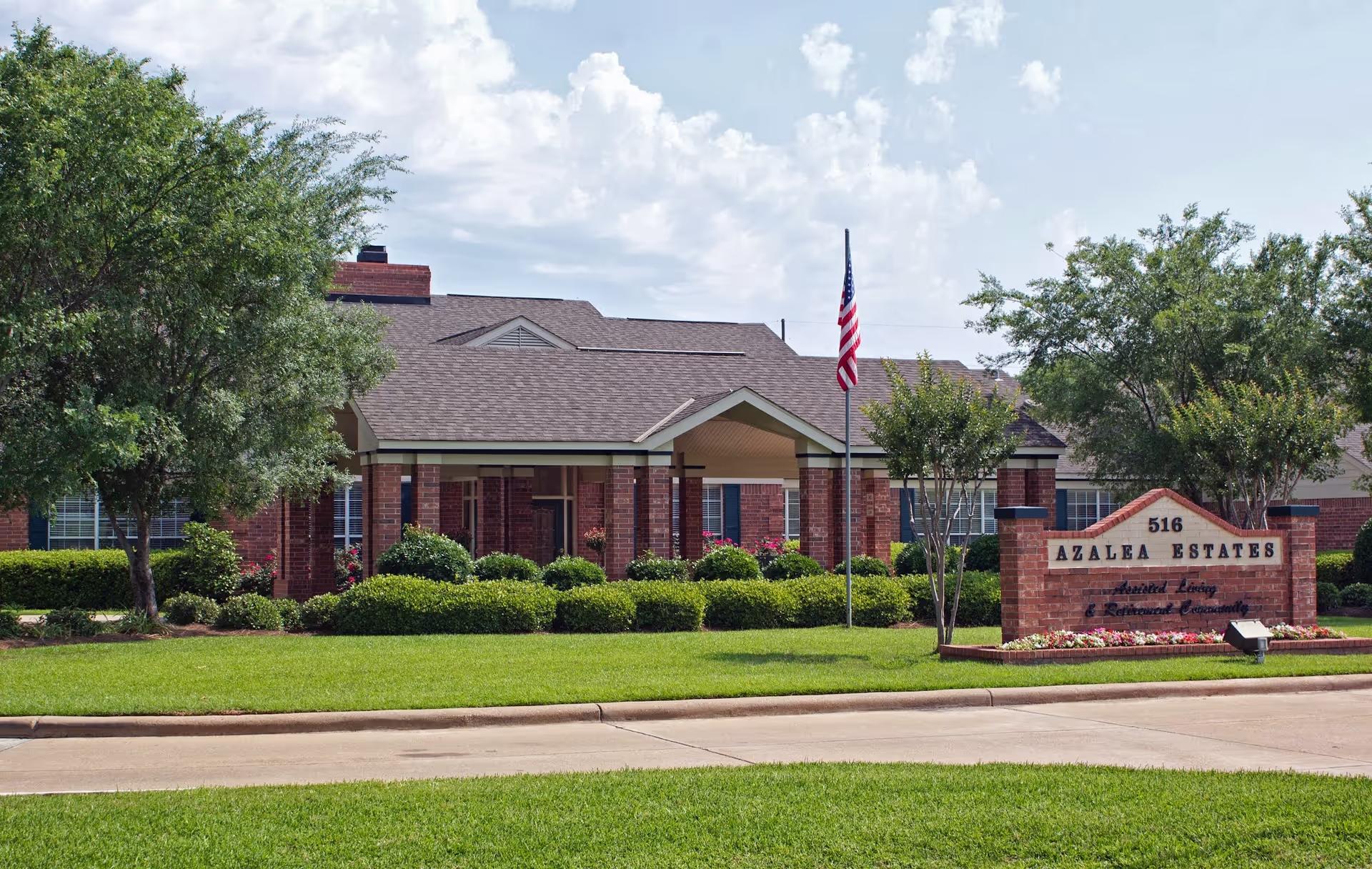
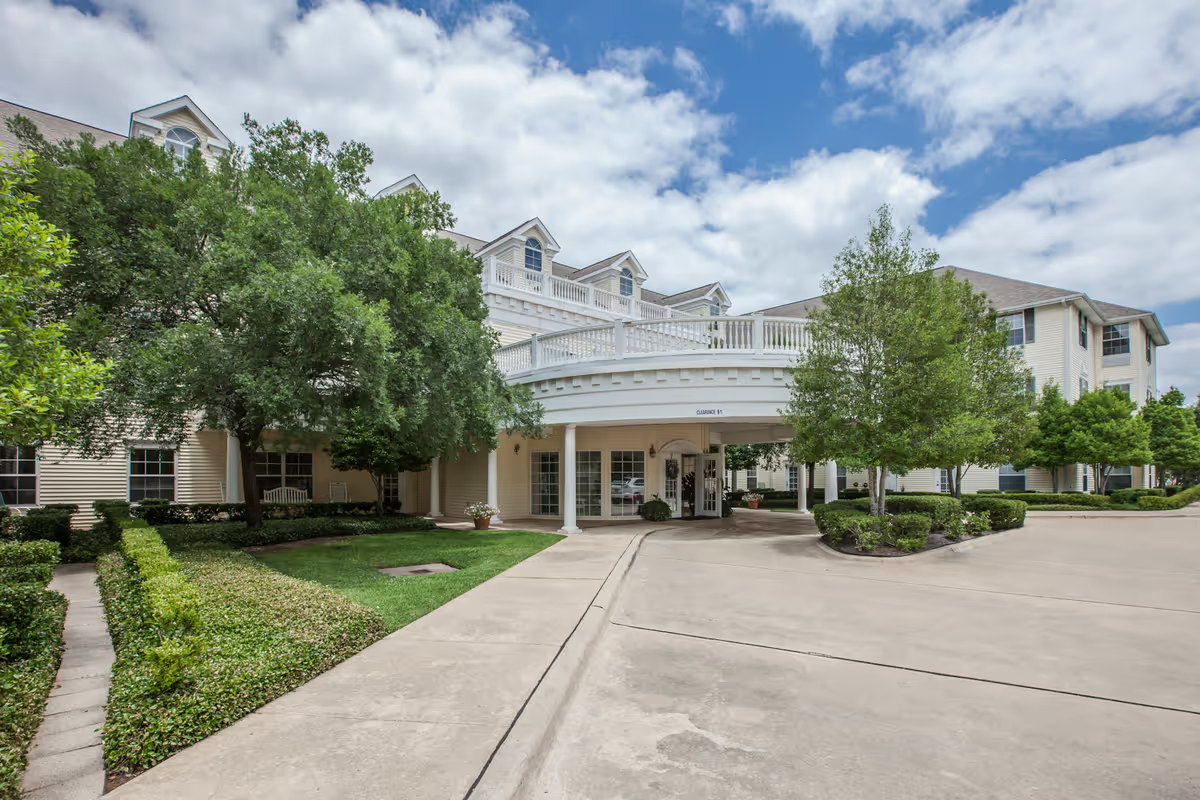
Dining and facilities are generally positive but inconsistent. The building, common areas, and outdoor spaces receive regular praise for maintenance and ambience; several reviewers highlighted pleasant outdoor features and a bright interior. Dining quality received mixed feedback: some reviewers praised meals and specialty items, while others found food quality variable. Cleanliness is usually described positively, yet there are isolated sanitation and odor concerns in some areas and indications of supply shortages that warrant attention.
Administrative and admissions processes show polarized experiences. Some families experienced proactive, transparent admissions coordination and helpful communication; others described opaque or misleading communication, delayed admissions, and administrative or billing issues. Concerns about billing/accounting processes and human-resources matters (including staff morale and compensation) were raised and may contribute to staff turnover and variability in resident experience. There were also notes about pets being present in resident areas without clear boundaries, which could affect preferences for some families.
Overall, Heritage Manor Stratmore demonstrates notable operational strengths—especially in rehabilitation services, campus upkeep, and many staff relationships—paired with variability in staffing consistency, dementia-unit supervision, admissions transparency, and administrative processes. Prospective residents and families should weigh the facility's therapy and environmental advantages against the reported variability in conduct, leadership responsiveness, and specialized dementia care; targeted questions during a tour about dementia staffing ratios, weekend/night coverage, physician communication protocols, billing practices, and pet policies would help clarify whether the facility is a good fit for a particular resident's needs.