Reviews of The Bradford Skilled Nursing and Rehabilitation describe a polarized set of experiences: some families and residents praise individual caregivers, therapy outcomes, and aspects of the facility environment, while others report operational and clinical inconsistencies that materially affected care. Strengths frequently cited include focused rehabilitation services, attractive therapy spaces, and staff members who demonstrated dedication and skill—several accounts note successful therapy that enabled return home. The facility's smaller scale and some dementia-friendly features are appreciated by families seeking a non-corporate, more personal setting.
Care quality and staffing are central areas of divergence. Positive reports emphasize compassionate nurses, CNAs, therapists and social-work support; negative reports describe inconsistent staff conduct, tone-of-voice and attentiveness. Recurrent operational concerns include delayed responses to call bells, lapses in routine care tasks, and variable follow-through on turning, bathing and skin-care schedules. Several reviewers flagged medication-administration issues and inconsistent adherence to medication orders; this is presented as a gap in medication-management processes and clinical oversight rather than a single isolated concern.
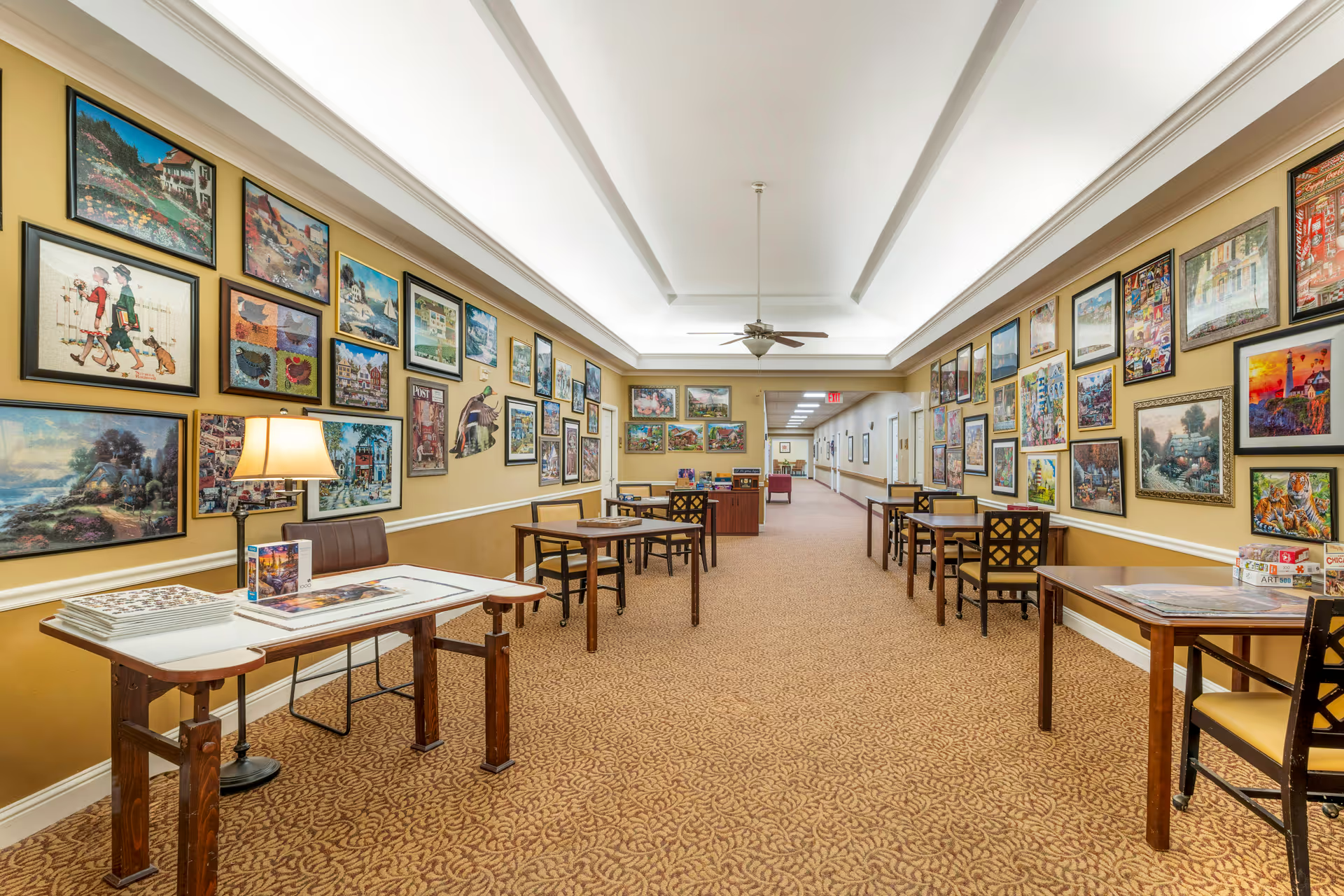
Dining and activities are likewise mixed. Some families appreciated accessible dining areas, timely tray pickup and an engaged activity director who ran social events and specialty programs. Others found food quality inconsistent, meals inappropriate for restricted diets, and activity plans that lacked follow-through or sufficient variety. Reports of isolated dining and limited stimulation for some residents suggest uneven implementation of the activity program across the unit.
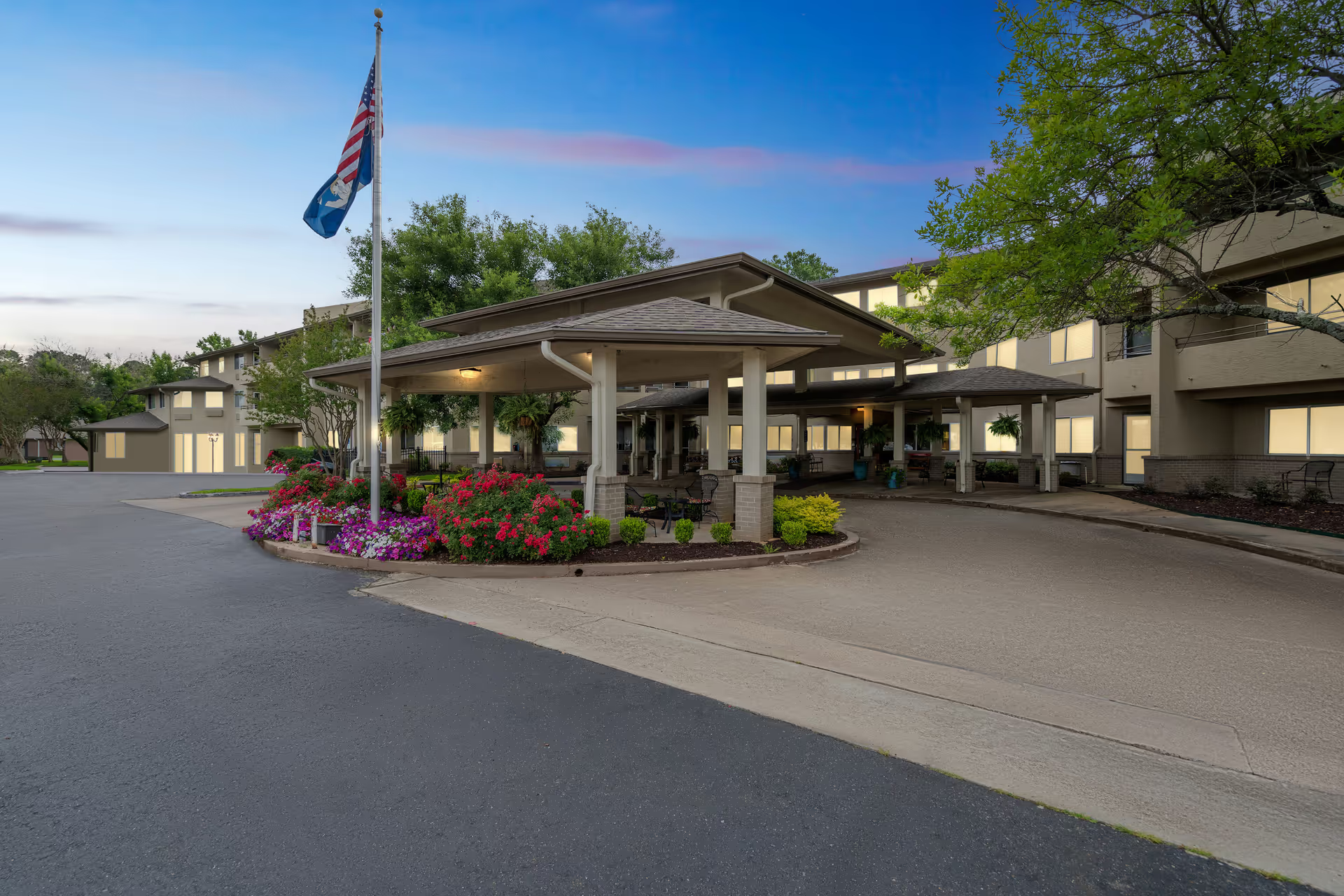
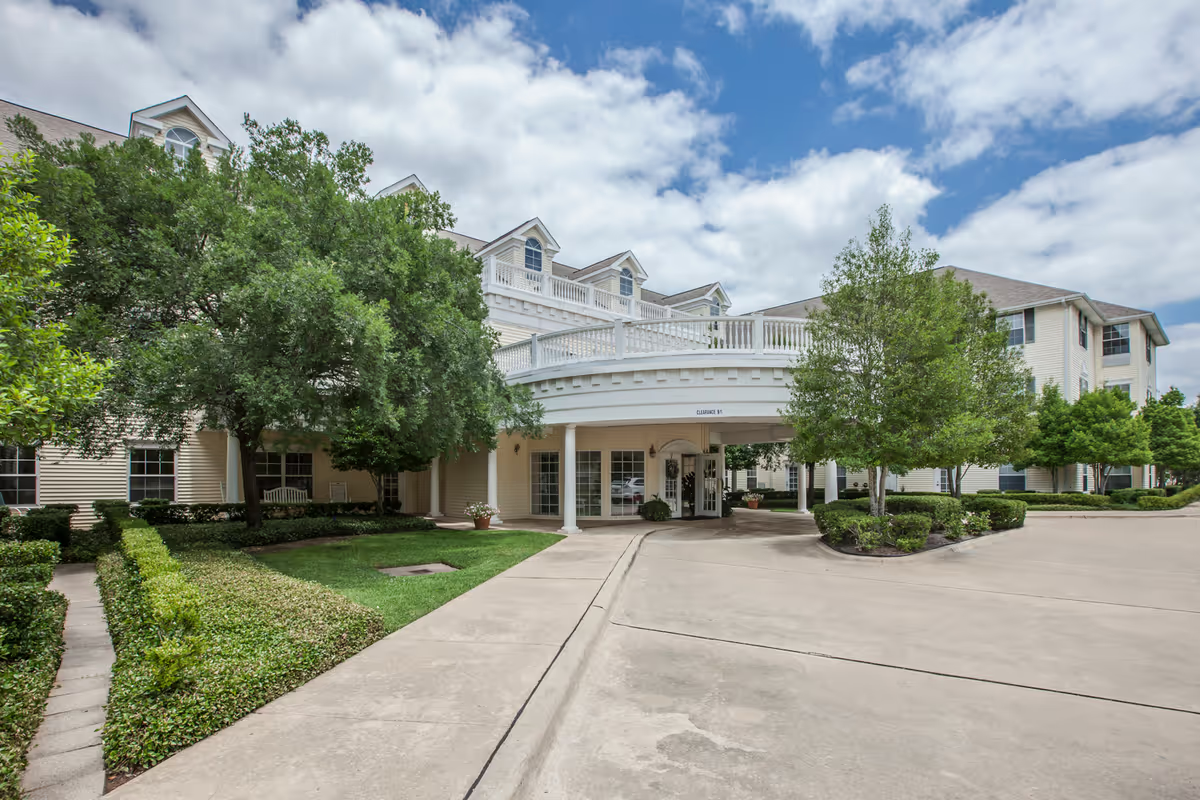
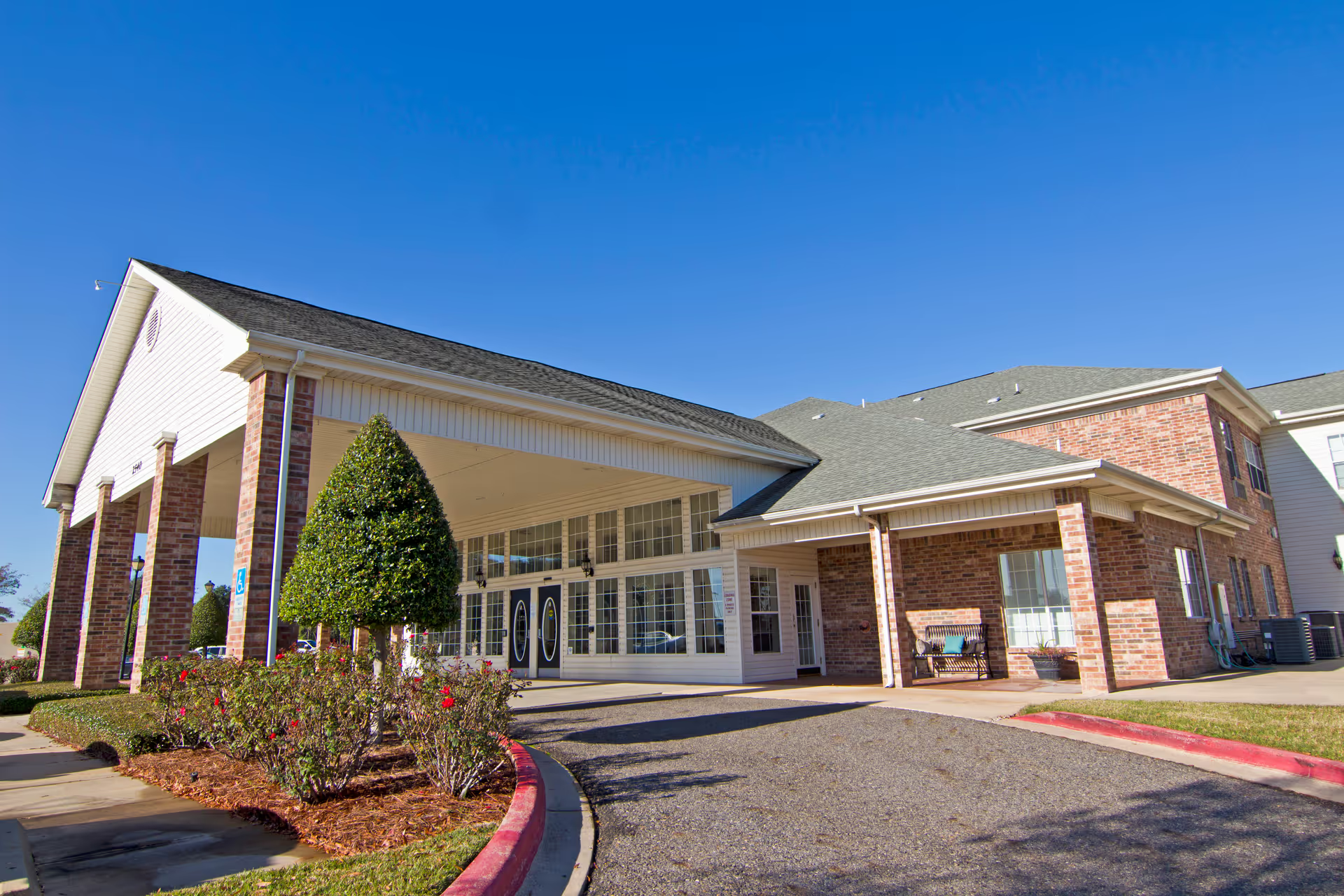
Facility condition and housekeeping show both positives and negatives. Many reviewers described clean, well-kept common areas, pleasant smells and tidy restrooms, while other reviews noted sanitation concerns, overflowing receptacles, missing items, and unfinished maintenance tasks (peeling paint, broken windows). Rooms tend to be described as small and functional—comfortable beds were noted, but some called the rooms hospital-like. These divergent observations point to variability in daily housekeeping and maintenance consistency.
Management, billing and communication are recurrent themes in the reviews. Families reported difficulty obtaining clear, timely communication from staff and administration about care plans, discharge coordination, and financial charges; a few reviewers raised serious concerns about refunds, unexpected out-of-pocket charges, and alleged financial misconduct. There are also reports of poor complaint-handling, perceived dismissiveness from some front-desk or supervisory staff, and privacy/documentation-control gaps. These administrative issues, combined with staffing strain, appear to drive many of the more negative experiences.
Notable pattern: experiences appear highly variable within the same facility. Positive outcomes—especially in rehabilitation—are achievable when clinical teams are attentive and therapy staff are engaged, but lapses in staffing, communication, medication controls and housekeeping are significant risk areas. Prospective residents and families should consider a focused tour and ask specific questions about current staffing ratios, medication-management procedures, dietary accommodations, activity schedules, housekeeping routines, billing practices and how complaints are handled. Reviewing recent inspection reports and speaking directly with the therapy and nursing leads during a visit can help gauge whether the facility’s strengths align with an individual’s care needs.