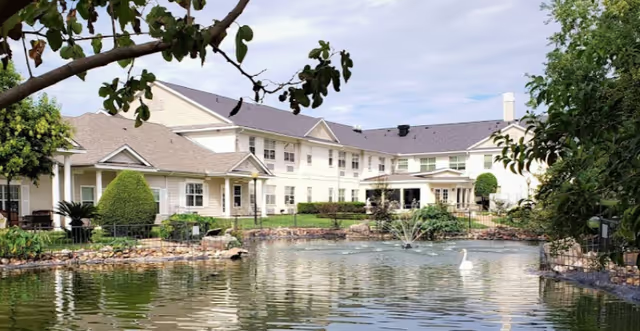
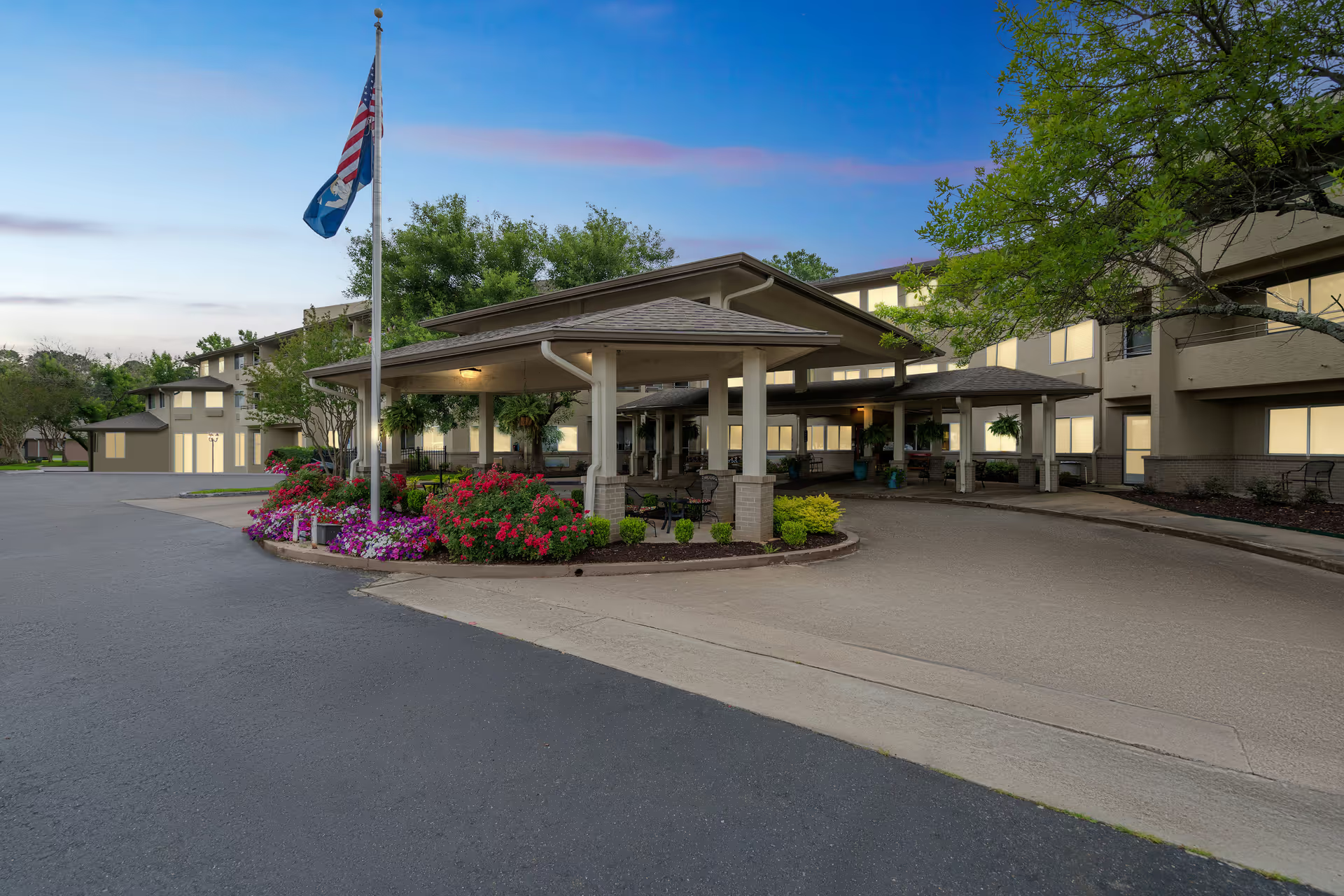
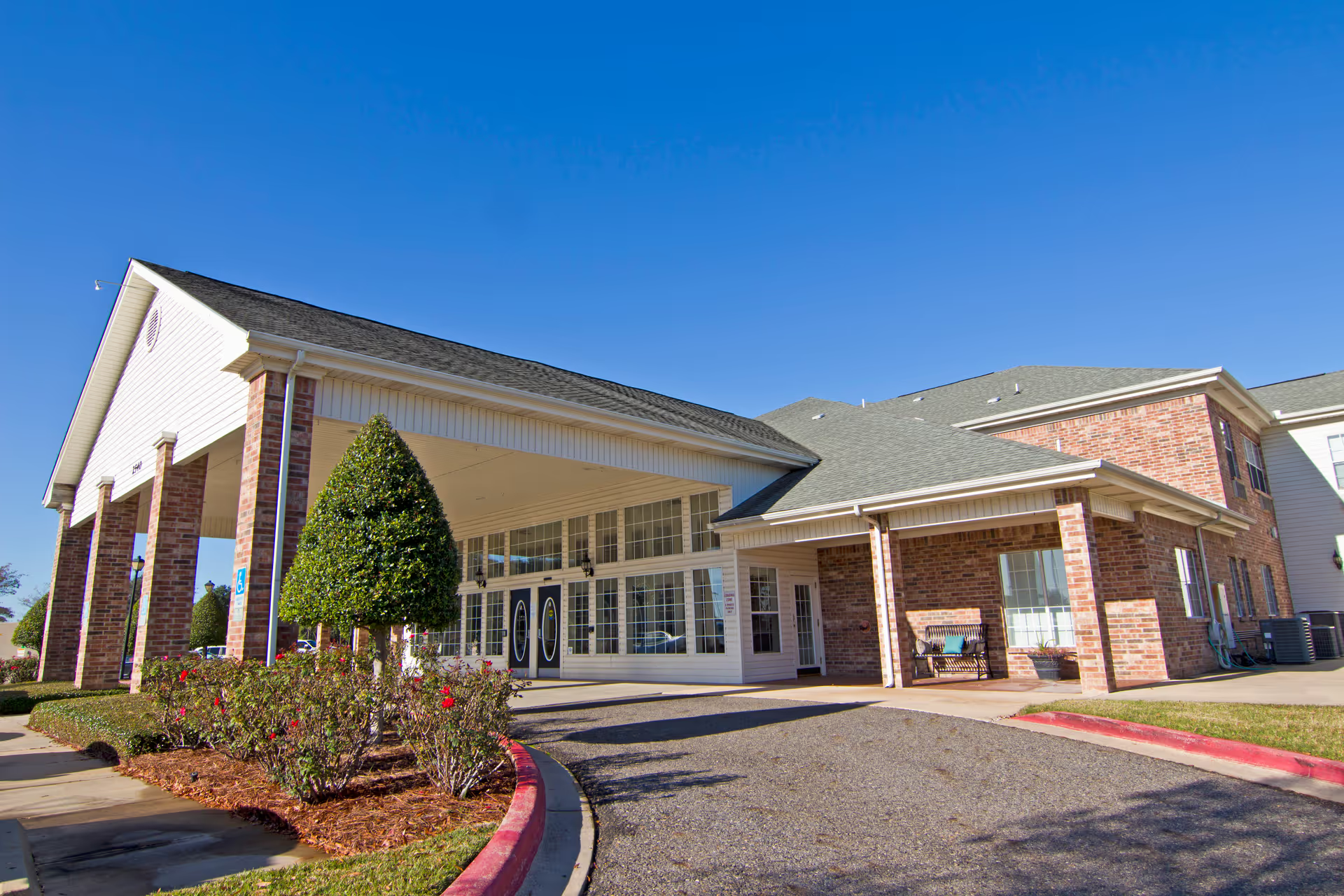
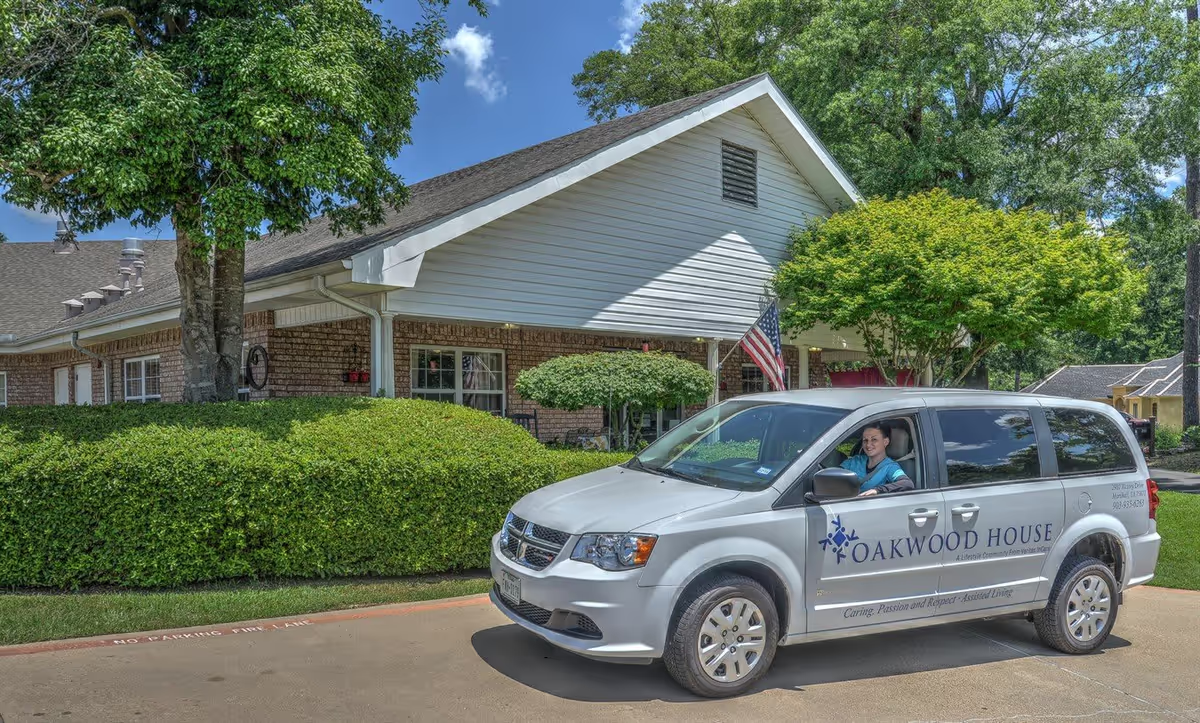
Reviewer feedback for The Cottages at the Glen is mixed and indicates a facility with clear strengths alongside operational inconsistencies. Positive comments emphasize the quality of direct caregiving: staff are frequently characterized as caring, involved, and respectful, with families noting person-centered attention and an ability to provide dignity and individualized care—particularly for residents with dementia. Common areas and shared spaces are described as well maintained, and several residents enjoy the dining offerings.
At the same time, multiple reviews point to variability in how those strengths are experienced from day to day. Staffing instability and frequent use of temporary/agency personnel were described as recurring issues; reviewers connected those staffing patterns to uneven care delivery and to a need for families to be active advocates to obtain timely attention. Where permanent staff are present, caregiving was described positively, but reviewers indicated that performance and responsiveness could decline on shifts staffed primarily by agency workers.
Dining impressions are mixed: while some residents and families praised the food, other accounts described menu choices that felt unappealing or inconsistent with expectations. Activity programming also received criticism for being sparse or not meeting residents’ engagement needs; the facility may offer limited structured activities for some residents or shifts.
Facility-level cleanliness comments are similarly divided. Several reviewers described common areas as clean and orderly, yet others raised sanitation concerns related to linen changes and room-level maintenance and noted pest-control concerns in resident rooms. These observations suggest uneven execution of housekeeping and environmental services rather than a uniformly maintained standard across the building.
Management and communication emerged as an important theme. Families reported variable responsiveness from staff and a perception that the facility’s outward presentation did not always align with day-to-day operations. Several reviewers indicated they had to intervene or escalate to secure appropriate care or to address issues. This pattern, combined with reliance on temporary staff, appears to produce a bifurcated experience: when permanent, experienced caregivers are on duty, care is described as compassionate and appropriate for residents with cognitive needs; when staffing is inconsistent, families report gaps in service and follow-up.
For prospective residents and families, the notable pattern is variability. Key areas to evaluate in person include current staffing models and use of agency personnel, linen- and room-maintenance protocols, pest-control practices, consistency of meal planning across shifts, and the schedule and breadth of activity programming. Asking for recent staffing rosters, housekeeping logs, and examples of the dementia-care program could help clarify whether the facility’s strengths are reliably delivered.