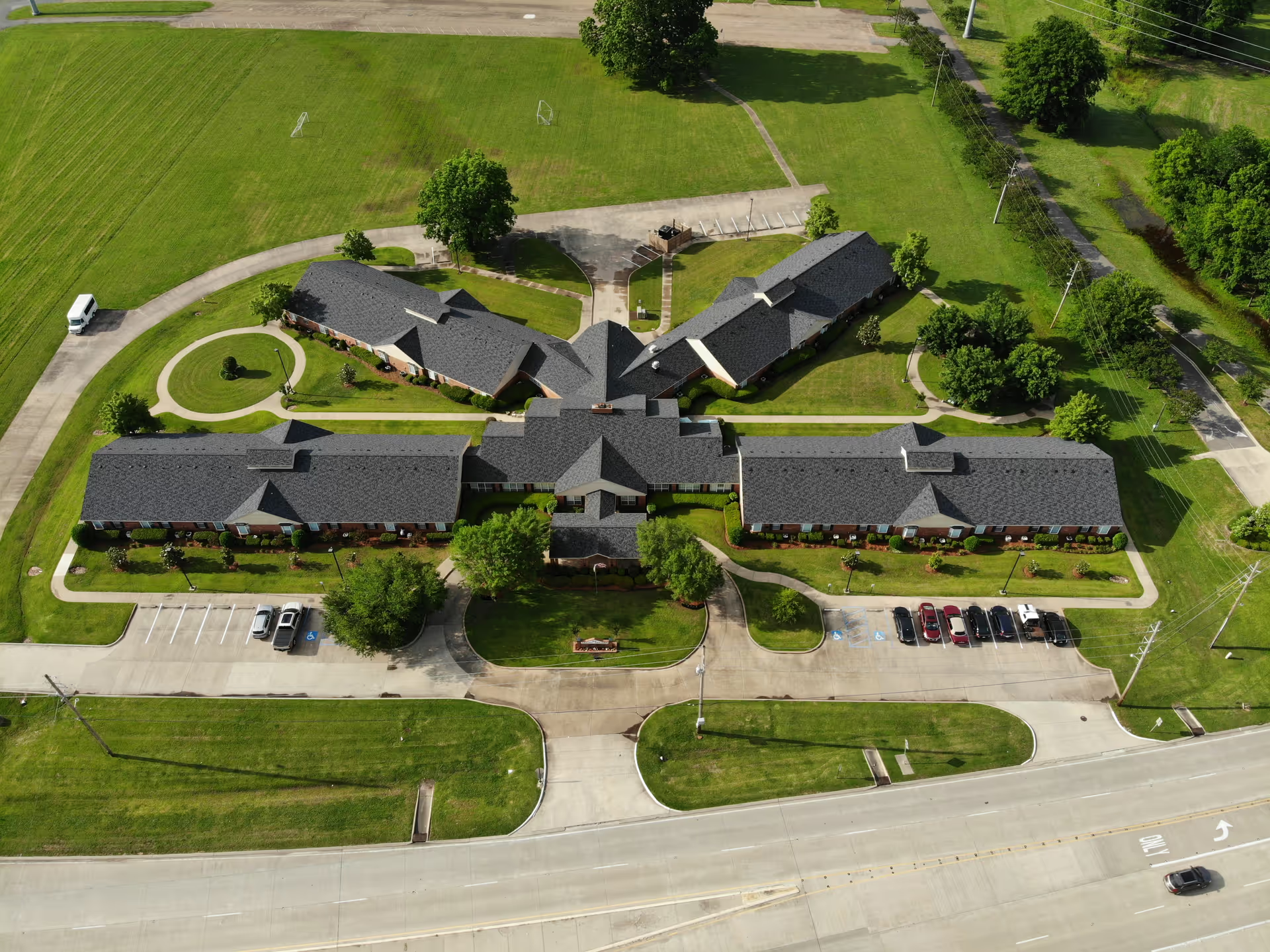
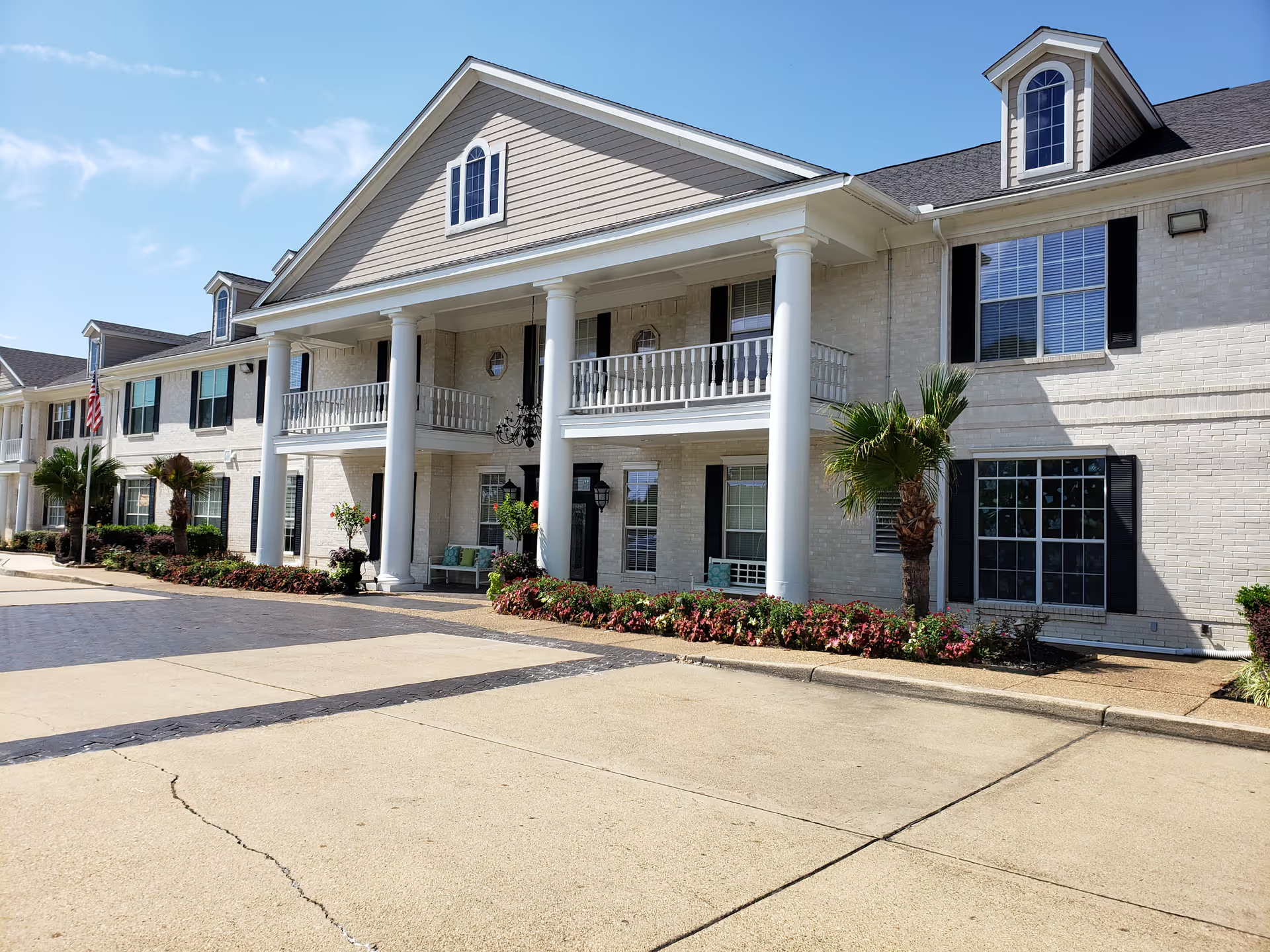
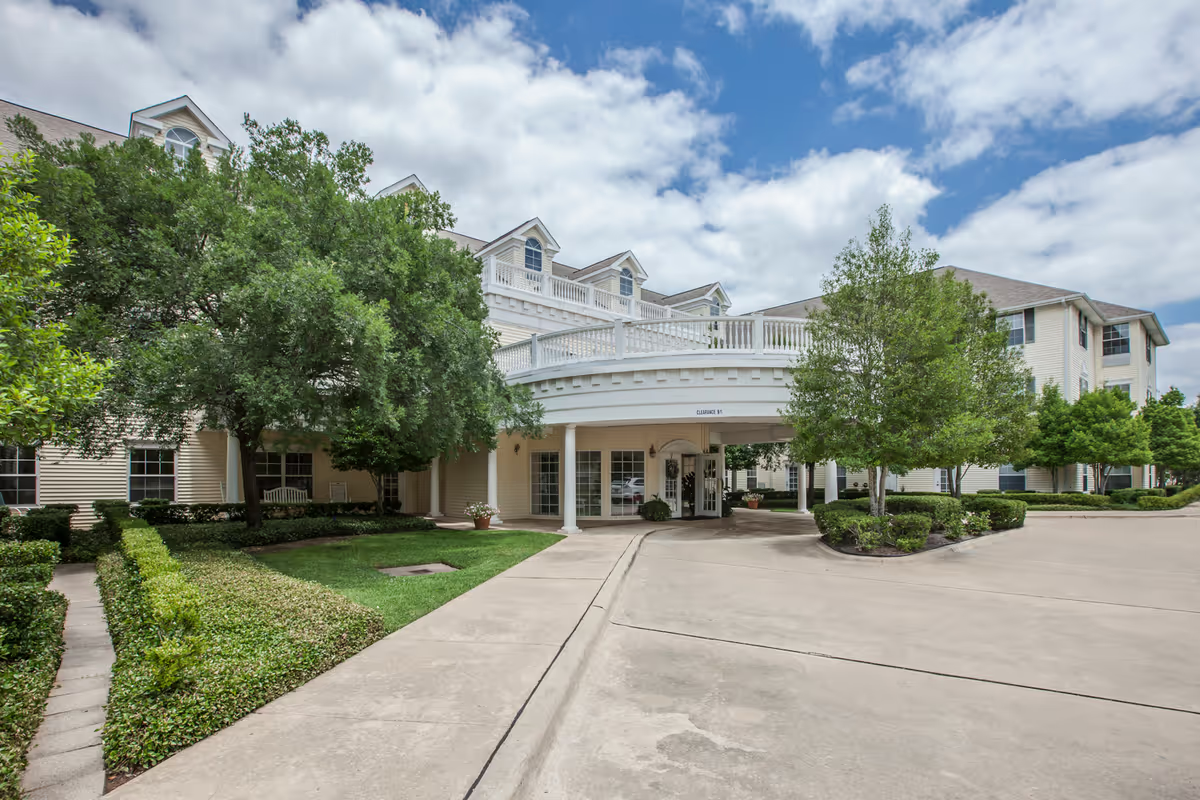
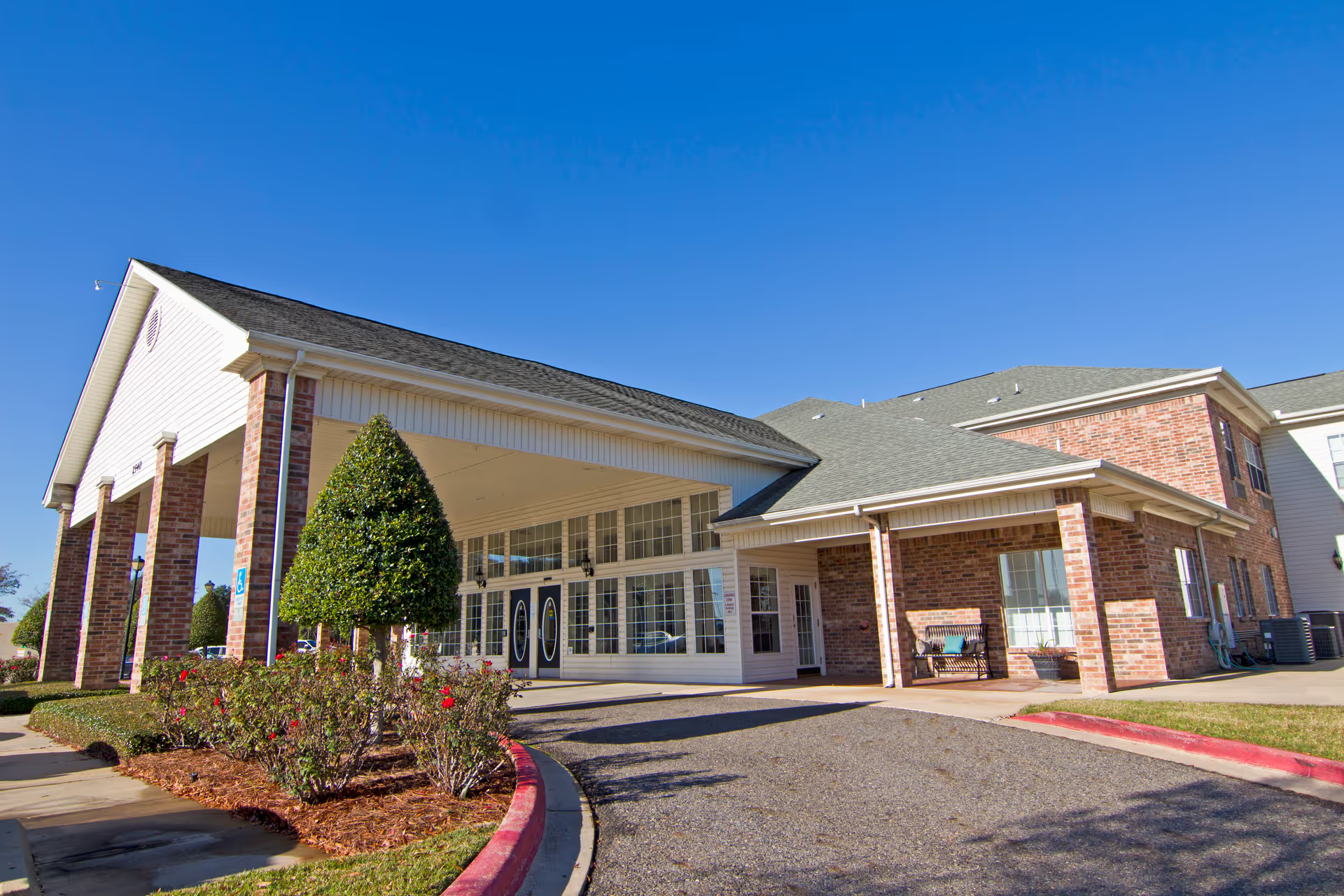
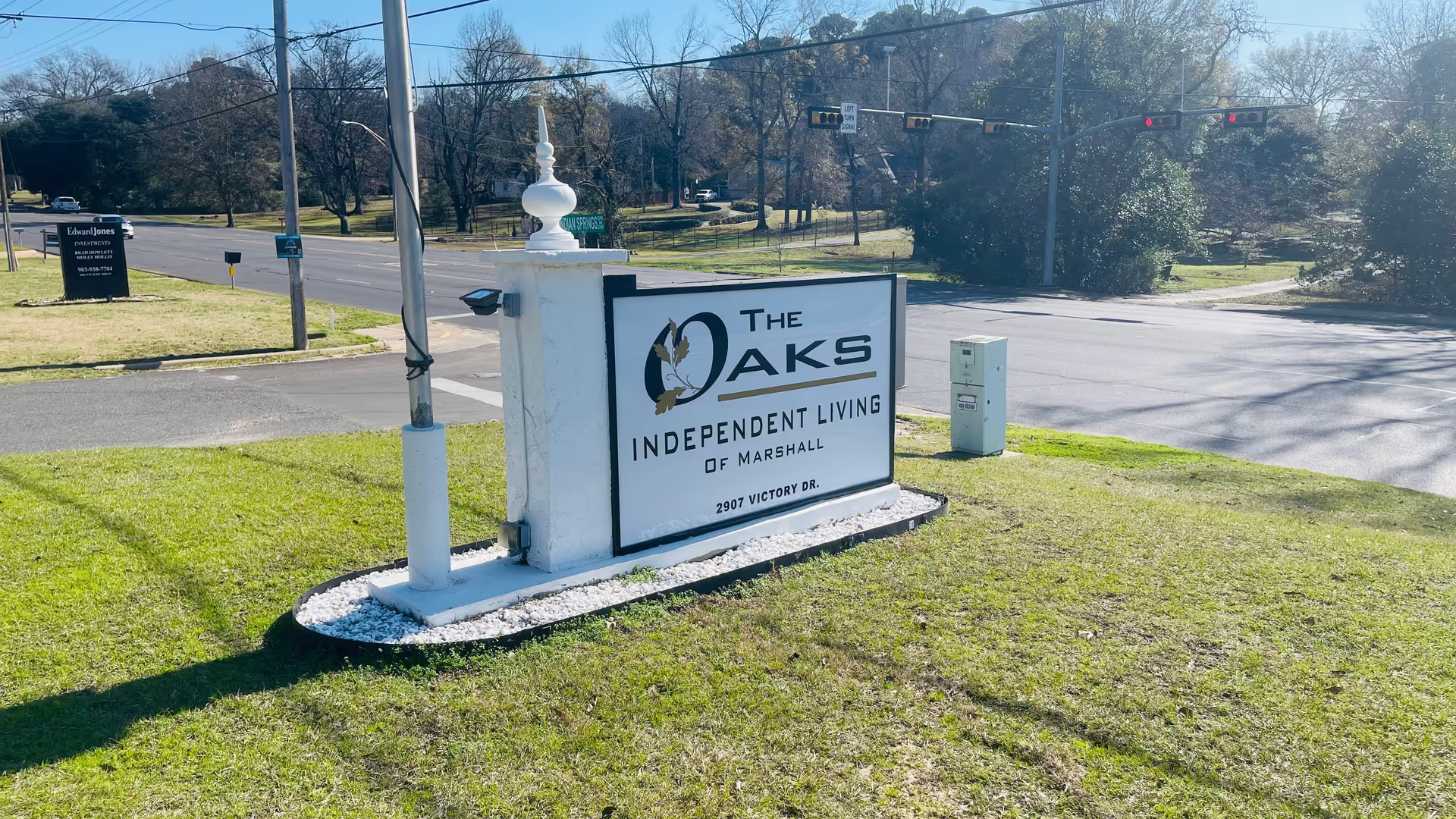
The Oaks of Louisiana presents as a recently updated, well-appointed retirement community with strong physical appeal and a broad amenity set. Multiple reviewers praise the attractive entrance, immaculately kept grounds and buildings, and an interior that appears modern and well maintained. Commonly noted amenities include a heated pool, fitness center, library, bar, walking trails and putting areas, a dedicated family/event room, and organized transportation to appointments and community outings. Dining is frequently described positively, with included meal-plan options and a pay-per-meal alternative, and reviewers often characterize the food as good and the dining spaces as pleasant.
Staff interactions elicit mixed but generally positive comments: many families describe staff as friendly, courteous and helpful beyond contractual duties, and the presence of an on-site registered nurse at all times is seen as an operational strength. At the same time, there are repeated concerns about communication and follow-up from management and front-line administrative staff—examples include abrupt phone interactions, lack of callbacks, and inadequate family outreach during critical situations. Those communication gaps are an important pattern to note when evaluating the facility's customer service and family-relations practices.
Care quality appears uneven across levels of service. Independent-living areas and garden/apartment units are consistently praised for cleanliness, layout efficiency, and pleasant common areas. In contrast, several reviewers raised substantive concerns about the nursing/skilled-care wing: inconsistent personal-care schedules and monitoring, delays in attending to residents' needs, and broader gaps in clinical-incident response and family notification. One set of accounts described restricted visitation and limited flexibility during an infection-control lockdown, with families reporting poor responsiveness to requests for compassionate visits; these concerns point to potential weaknesses in crisis visitation policy and family communication protocols.
Operational and safety issues were also mentioned. Reviewers noted instances of lost personal items and questioned the facility's property-accountability processes. There were comments about grounds-treatment practices and a desire for closer monitoring of chemical applications. A few people raised concerns about security-staff conduct and recommended improved de-escalation training. Unit offerings are inconsistent: some apartments are described as roomy and comfortable while certain one-bedroom units and detached cottages are noted as smaller or older; pricing is perceived as premium for some unit types, though several families felt they received reasonable value for the price paid.
In summary, The Oaks of Louisiana scores highly for physical environment, amenities, and many aspects of hospitality and dining. Important patterns to investigate further during a visit include the quality and consistency of nursing/skilled-care monitoring, the facility's incident-response and family-communication protocols (especially during infection-control events), administrative phone and front-desk conduct, personal-property tracking procedures, grounds-chemical safety practices, and security-staff training. Prospective residents and families should tour both independent-living and nursing areas, ask for staffing ratios and clinical-response examples, review visitation and compassionate-visit policies, and confirm unit-specific pricing and condition to ensure the selected living option matches their priorities.