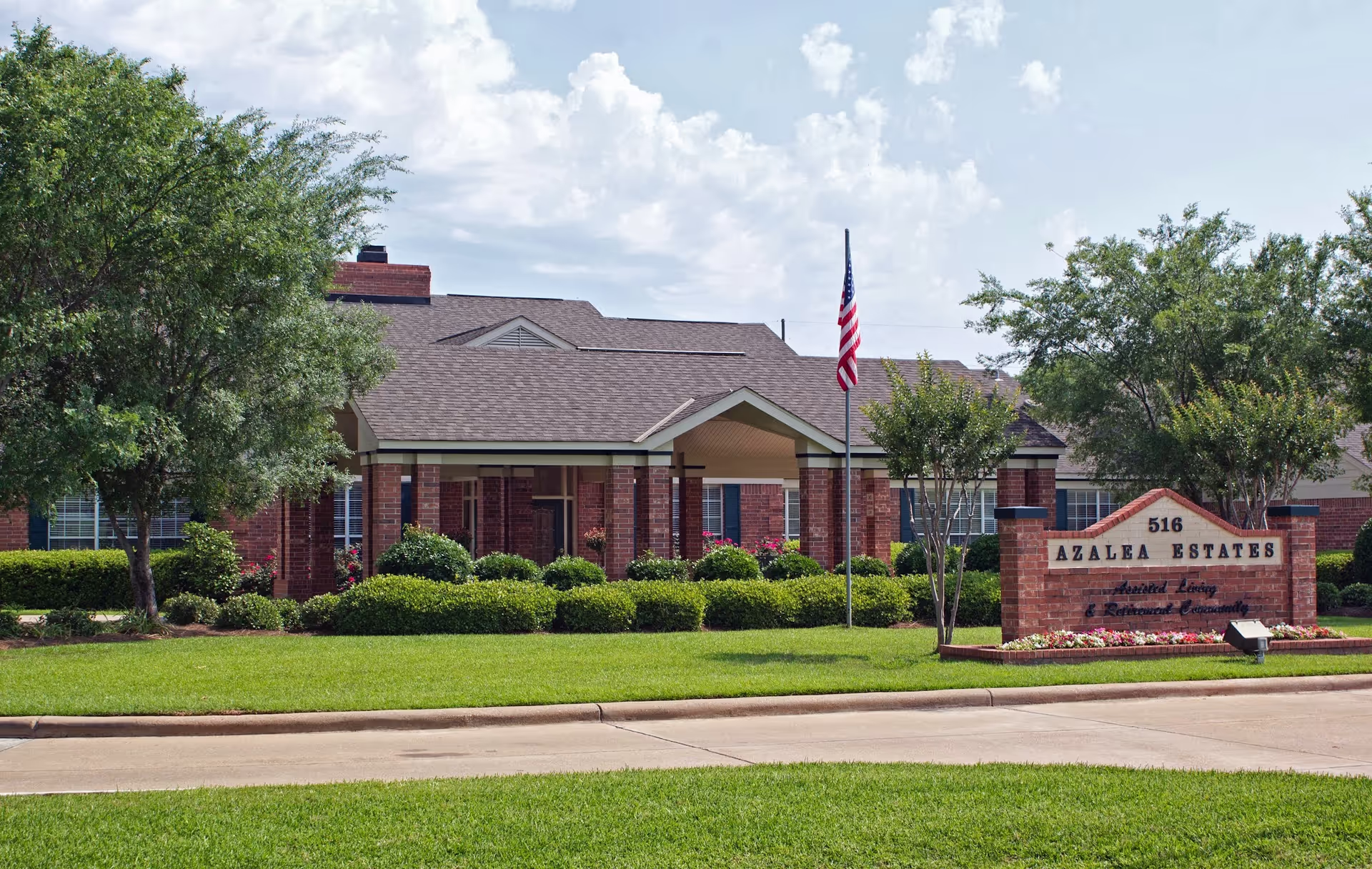
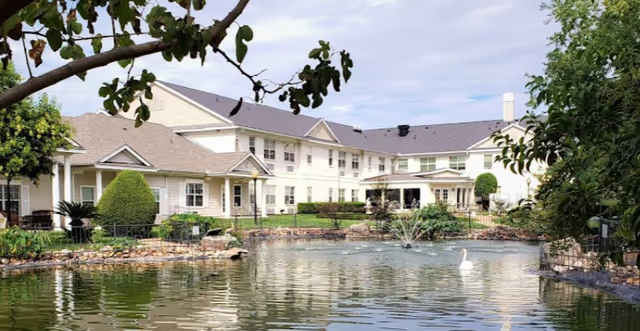
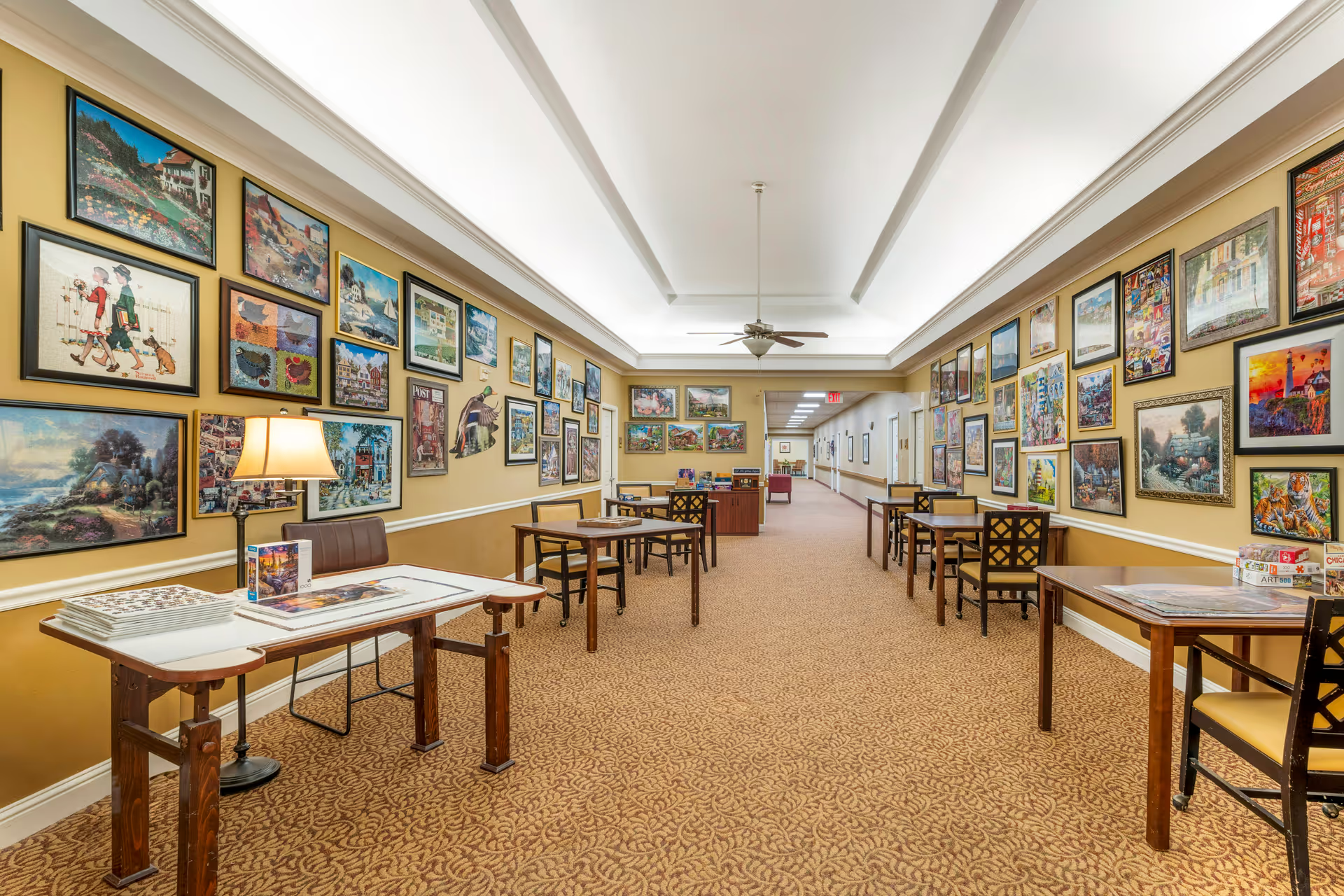
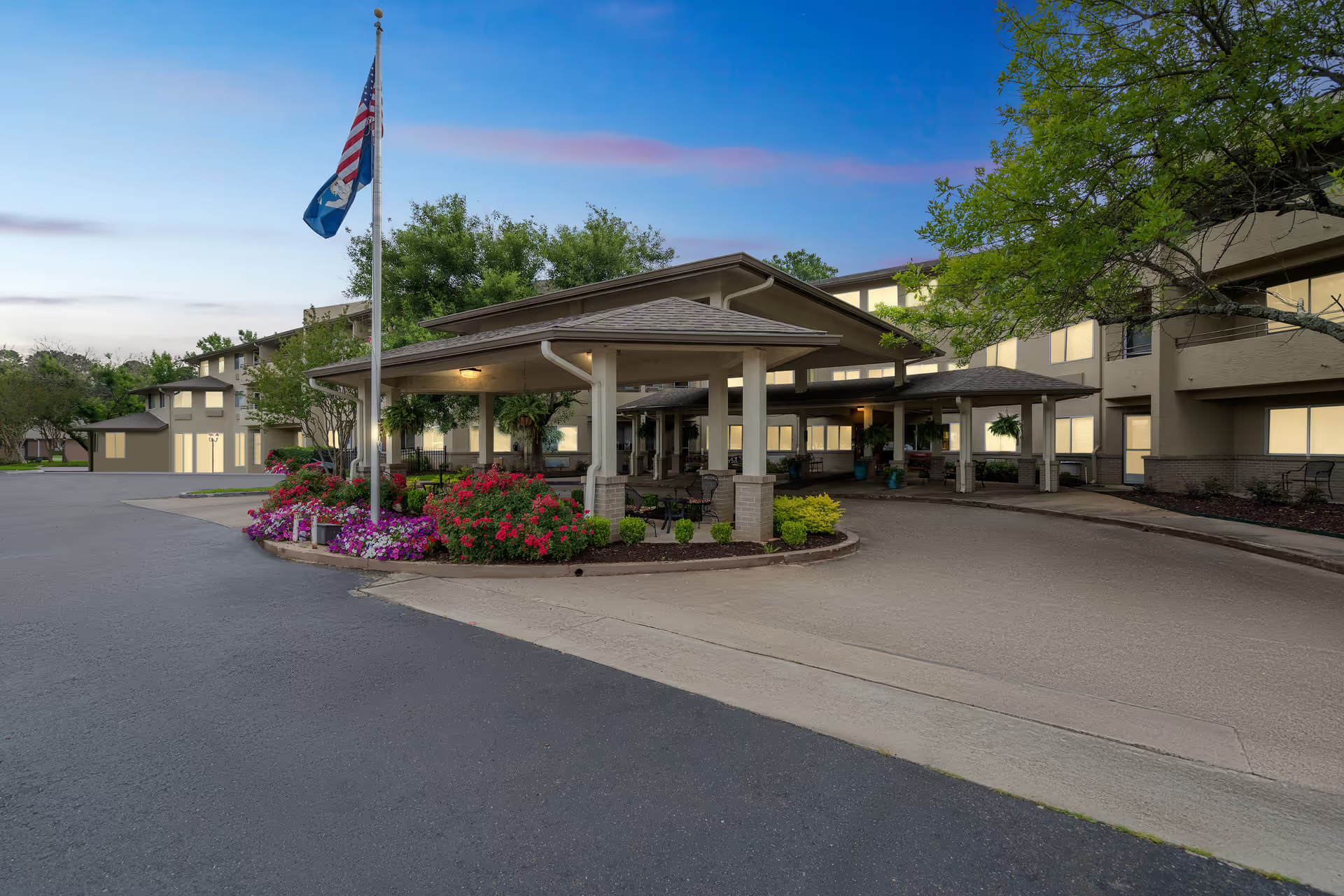
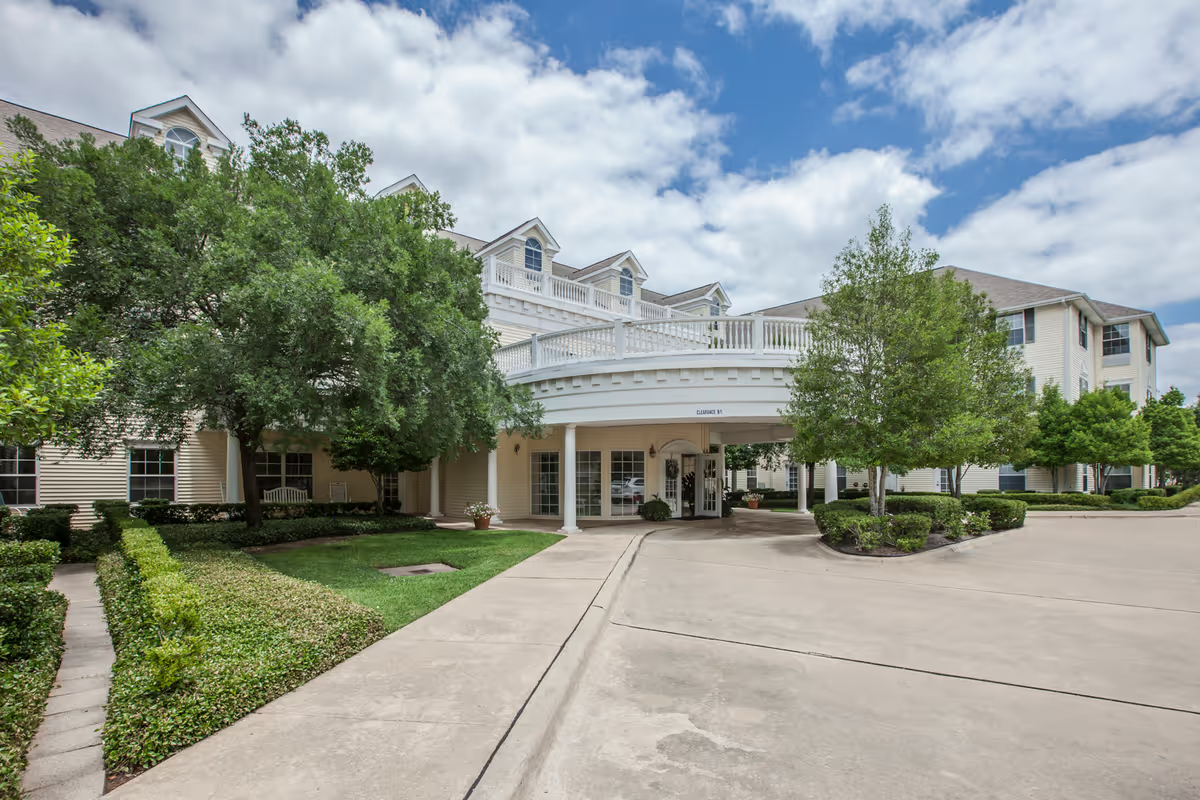
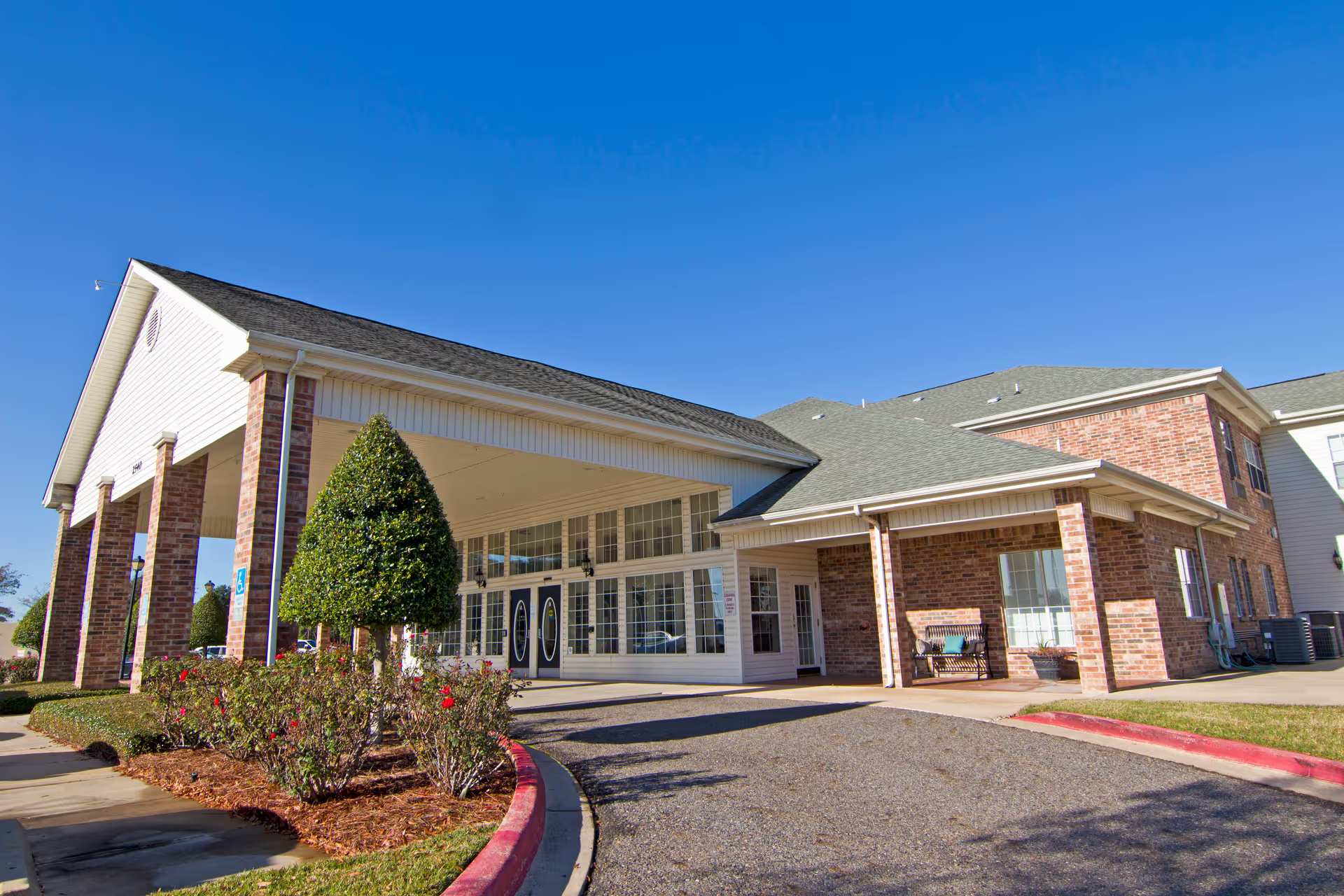
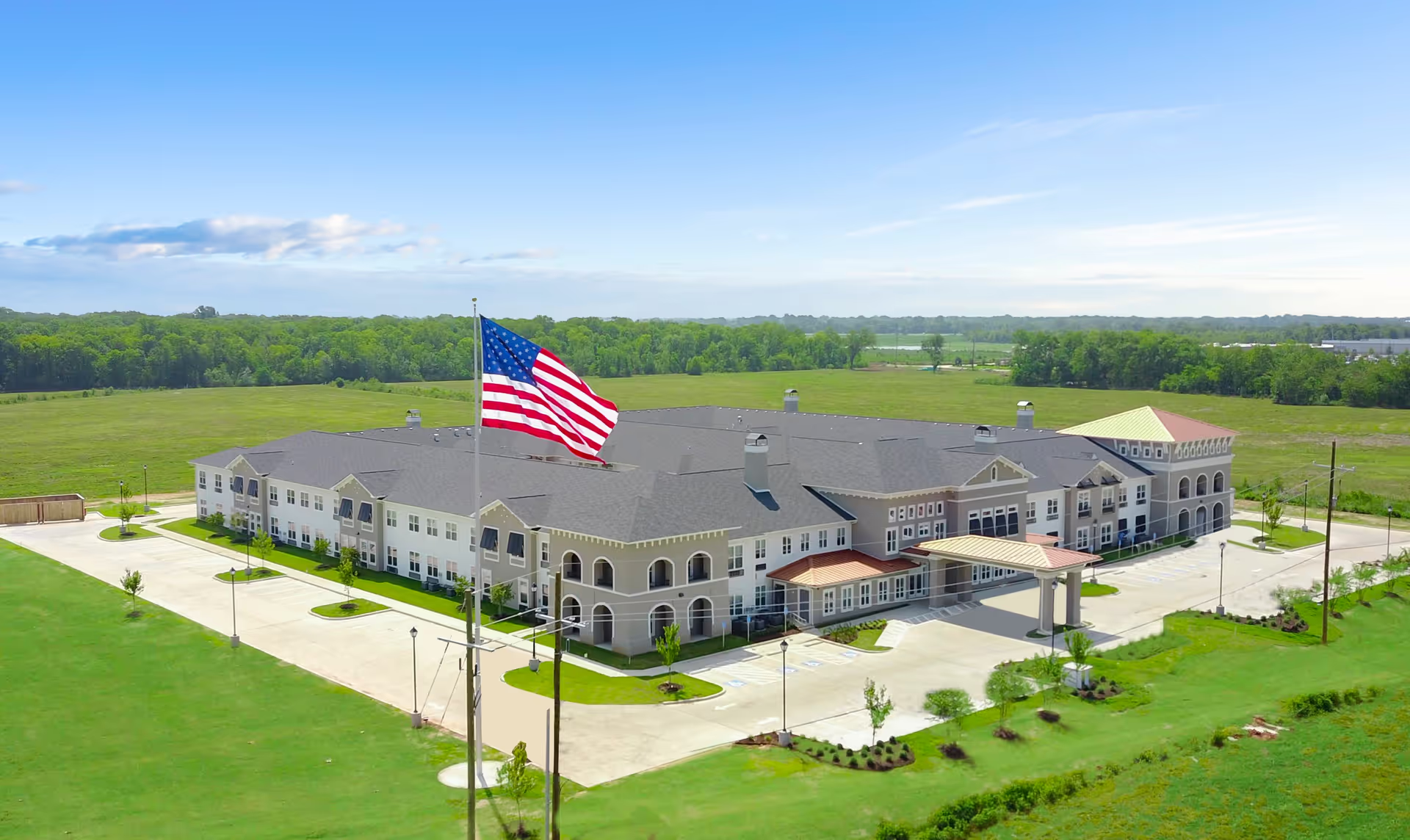
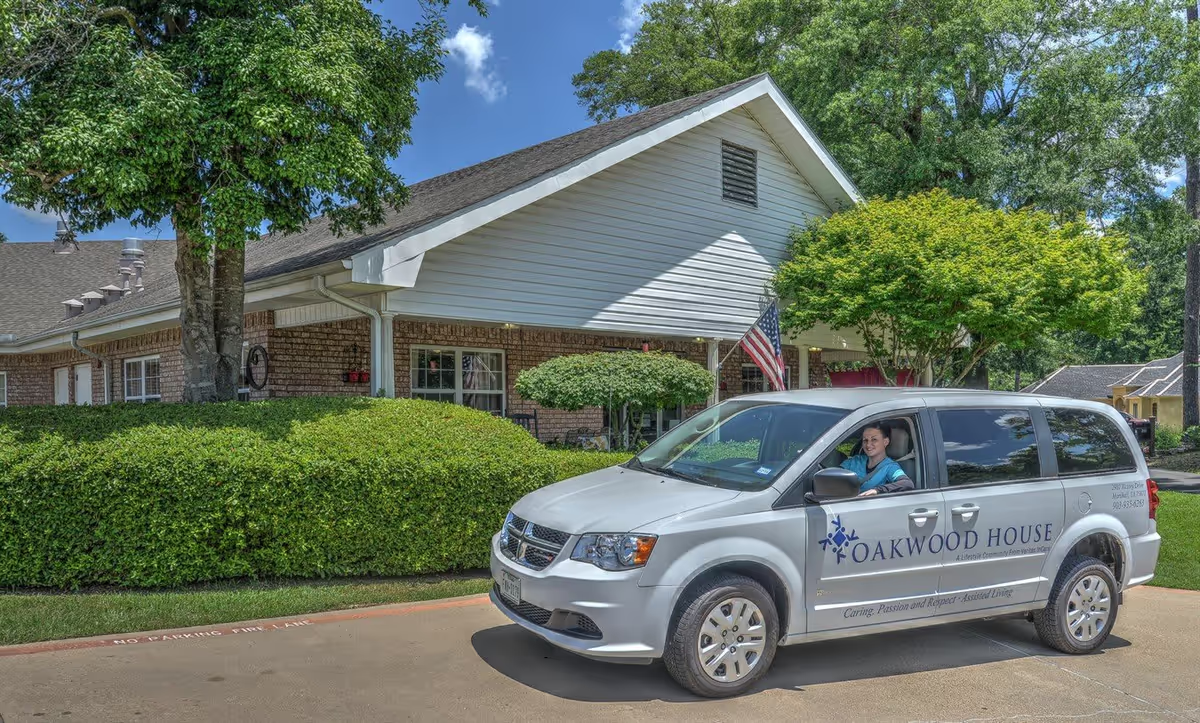
Reviewers describe a facility with many strengths alongside notable inconsistencies. Positive themes include a secure, welcoming entrance and well-maintained common areas, a range of amenities (exercise room, trainer, heated indoor pool), and a robust activities program that includes arts, games, dancing, chair tennis and water classes. Several reviewers emphasized compassionate, patient staff and an engaged director or administrator who is accessible to families; these leadership and staff qualities are cited as contributors to residents’ comfort and satisfaction. On-site dining is often described favorably — meals are appealing, and dining areas are convenient — and volunteers and community involvement (for example, social treats) add to the social atmosphere.
Facilities impressions vary by unit. Some apartments are described as new, spacious and well-appointed (large walk-in closets were specifically noted), while other units are described as small with dated, hospital-like decor and limited TV/room features. This variability extends to housekeeping and room-level cleanliness: public spaces are generally described as clean, but several reviewers cited dust or missed cleaning in resident rooms and under beds. Property management practices also emerge as an operational weakness; there are concerns about belongings going missing, which suggests a need for clearer tracking and loss-prevention procedures.
Activity programming and care responsiveness are areas of mixed performance. Many residents appear engaged and benefit from a diverse schedule of classes and social events, sometimes instituted or expanded by leadership. However, other families described limited activities and resulting agitation in some residents, indicating uneven delivery of programming across the community or by shift. Relatedly, concerns about inconsistent staffing and supervision were raised — including examples that indicate delays in responsiveness and gaps in post-incident communication. A few reviewers raised concerns following a resident’s death and described delays or unsatisfactory communication; these accounts point to gaps in critical-incident response procedures and family notification protocols that the facility should address.
Overall, the community offers strong positives — compassionate staff, active leadership, attractive amenities, and a lively activity program — but also shows operational variability that affects resident experience. Differences in apartment size and décor, inconsistent housekeeping, property-security gaps, uneven activity availability, and concerns about staffing continuity and incident communication are recurring patterns. Prospective residents and families may benefit from touring multiple apartments, reviewing housekeeping and property-protection policies, asking for current activity calendars, and discussing staffing levels and incident-response protocols to confirm the aspects that matter most to them.