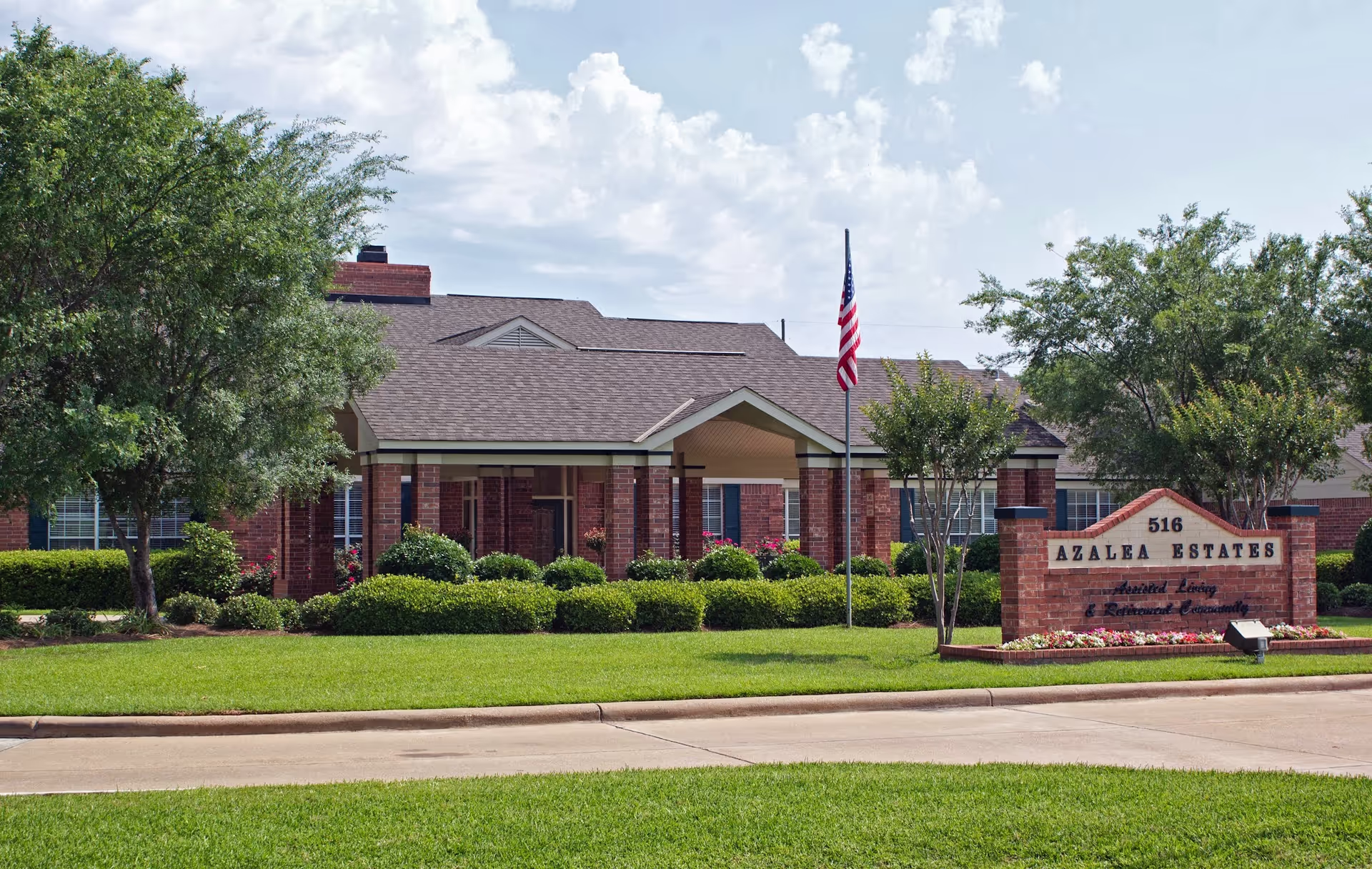
The reviews describe a facility with clear strengths in rehabilitative therapy and dining, alongside recurring operational and communication challenges. Several reviewers praised the physical and occupational therapy teams for effectiveness and engaged one-to-one care; these services are frequently described as competent, goal-oriented, and able to produce successful short-term rehab outcomes. Dining receives consistently positive remarks for food quality, variety, and presentation, and multiple comments describe a family-like atmosphere and staff who are thoughtful and helpful in day-to-day interactions.
At the same time, a pattern of concerns emerges around nursing, communication, and basic environmental maintenance. Multiple accounts indicate inconsistent professionalism and breakdowns in communication between staff and families, including insufficient explanation of plans of care and therapy goals. Reviewers described delays in bedside responsiveness (for example, slow call-bell response and missed assistance during meals) and expressed worry about how incident escalation and grievance handling are managed. Cleanliness and sanitation concerns in resident rooms and adjacent areas are noted, suggesting uneven housekeeping practices.
Clinical coordination and safety practices also appear uneven. There are descriptions implying gaps in pain management, triage of acute issues, and the management of isolation or infection-control situations. These accounts point to a facility where therapy services may outperform certain aspects of nursing and clinical oversight, leading to inconsistent resident experiences depending on which team is primarily involved in care. Some families also indicated uncertainty about how therapy goals intersect with insurance authorization and discharge planning, reflecting a need for clearer communication on goal-setting and coverage implications.
For prospective residents and families, the salient pattern is one of mixed performance: strong rehabilitative therapy and appealing dining paired with operational weaknesses in communication, room sanitation, incident handling, and some aspects of clinical care. When evaluating this facility, consider observing a therapy session, reviewing written care plans and therapy goals, asking about call-bell response expectations and staffing ratios, inquiring specifically about infection-control protocols and housekeeping schedules, and clarifying how therapy progress is communicated to payers and used in discharge planning. These targeted checks can help determine whether the facility’s strengths align with an individual’s needs and whether management has addressed the operational gaps identified by reviewers.