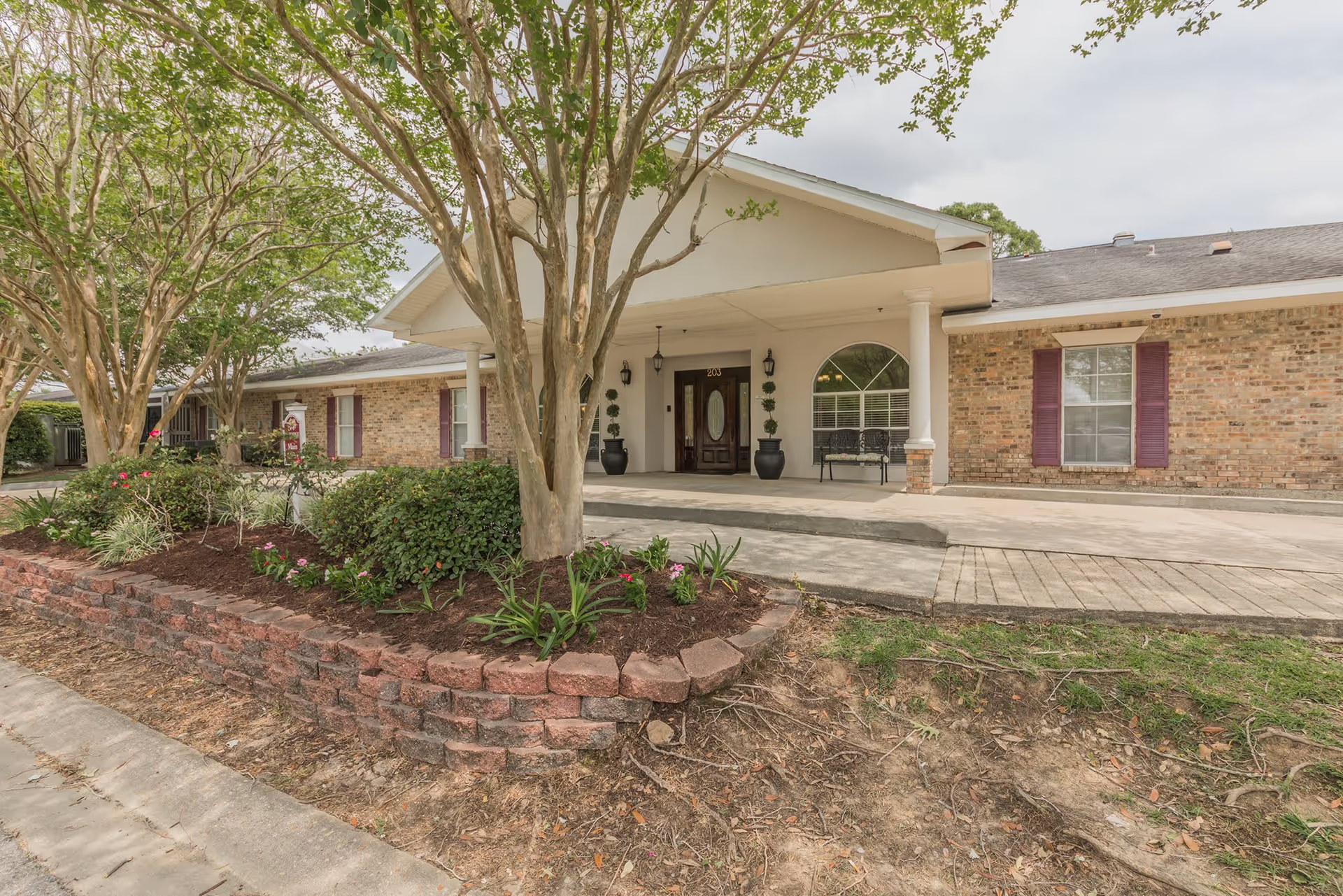
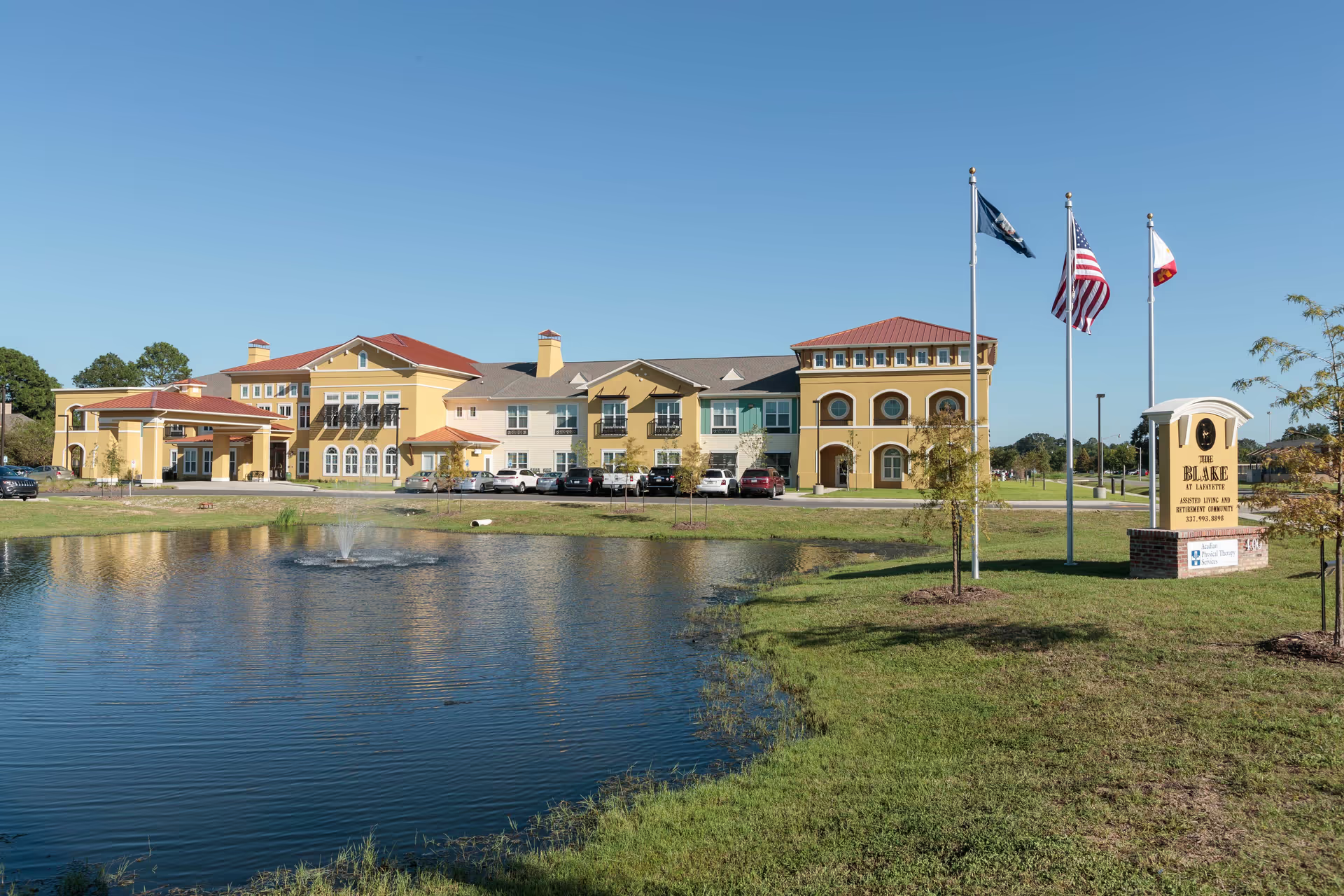
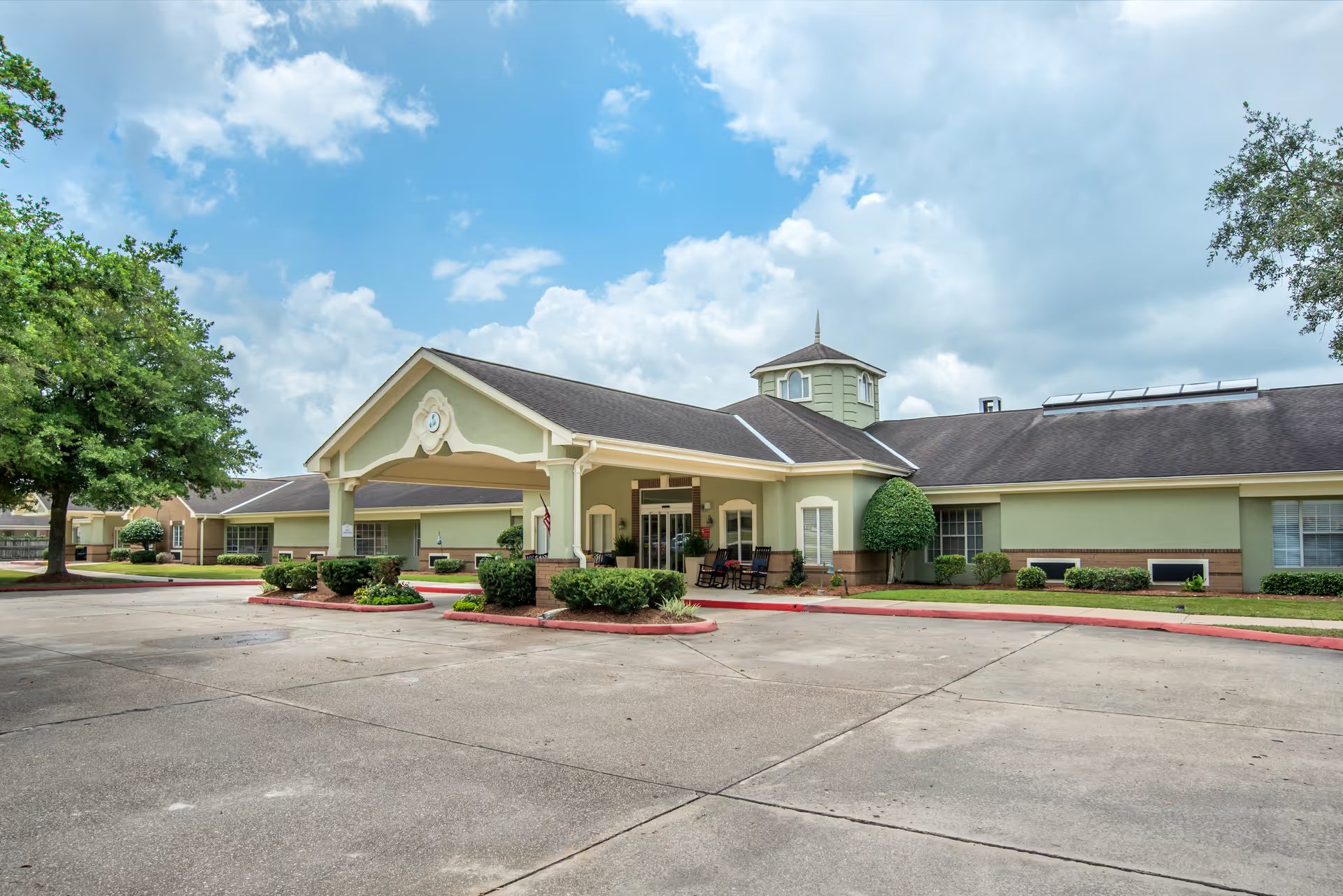
Landmark of Acadiana receives consistent praise for its physical environment and programming. Reviewers emphasize a clean, well-maintained facility with modern, nicely decorated common areas and private, spacious rooms. Housekeeping and maintenance are regularly noted as strengths, and many families appreciate the secure, monitored entry and absence of typical institutional cues. The site offers a large therapy gym and designated rehabilitation resources that several families described as excellent for recovery and skilled nursing-level needs.
Staff quality is a prominent positive theme. Numerous accounts highlight attentive, compassionate, and professional caregivers — nurses, CNAs, therapists, and admissions personnel — who create a family-like atmosphere and contribute to residents' apparent well-being. The admissions process, including specific staff members in admissions, is frequently described as smooth and reassuring. Dining and food-service options receive favorable comments, and resident amenities such as Wi‑Fi and a variety of entertainment and off-site activities (bingo, live music, restaurant trips, casino outings) are repeatedly cited as enhancing life for residents.
Operational patterns show some variability. While many families commend responsiveness and thorough communication, a subset of comments point to gaps in clinical-incident response and in timely communication with families, particularly during critical events. There are remarks about intermittent coverage at the nurses' desk or absence of a staffed reception, which translates into sometimes complex visitor check-in procedures. These operational gaps are associated with concerns about administrative follow-up, including room-transfer signage errors and at least one billing/administrative dispute that families found difficult to resolve.
Care quality overall is perceived as high for rehabilitation and long-term care needs, with particular strength in therapy services and day-to-day caregiving. However, reviewers also describe variability in frontline caregiver performance and interpersonal tone; most encounters are characterized as kind and helpful, but occasional reports describe less patient or unfriendly interactions. End-of-life and hospice services receive praise from some families, while others note communication shortcomings around critical events — an area that may benefit from clearer protocols and more consistent family outreach.
For prospective residents and families, the facility's clear strengths are its environment, activity programming, rehabilitation capabilities, and many staff members' compassion and professionalism. Areas to probe during a tour or placement discussion include nurse-station coverage and visitor procedures, the facility's incident-communication protocols, how billing and administrative disputes are handled, and consistency of caregiver assignments and interpersonal approach. These operational questions can help align expectations and identify whether the facility's strong clinical and programming features meet a specific resident's needs.