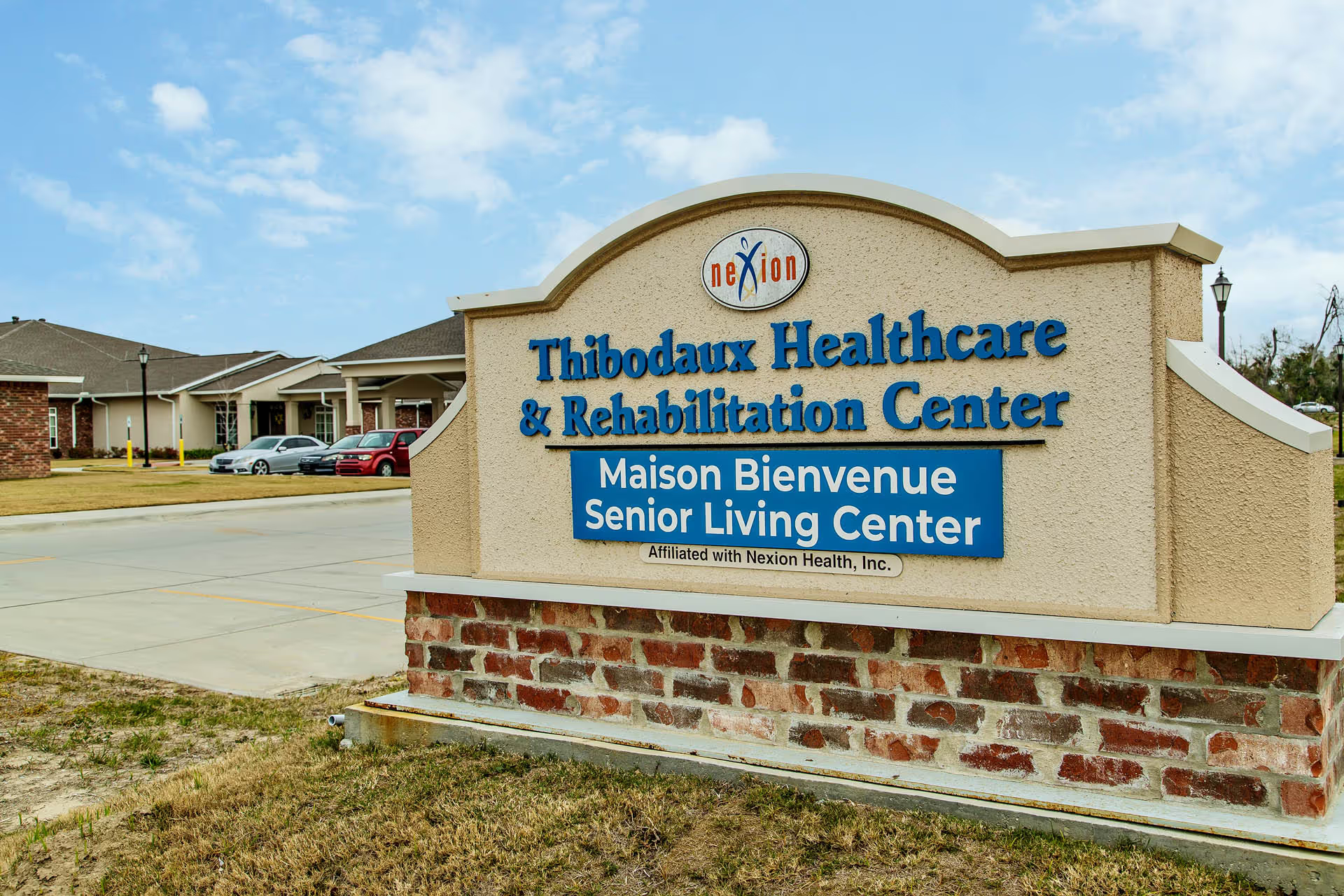
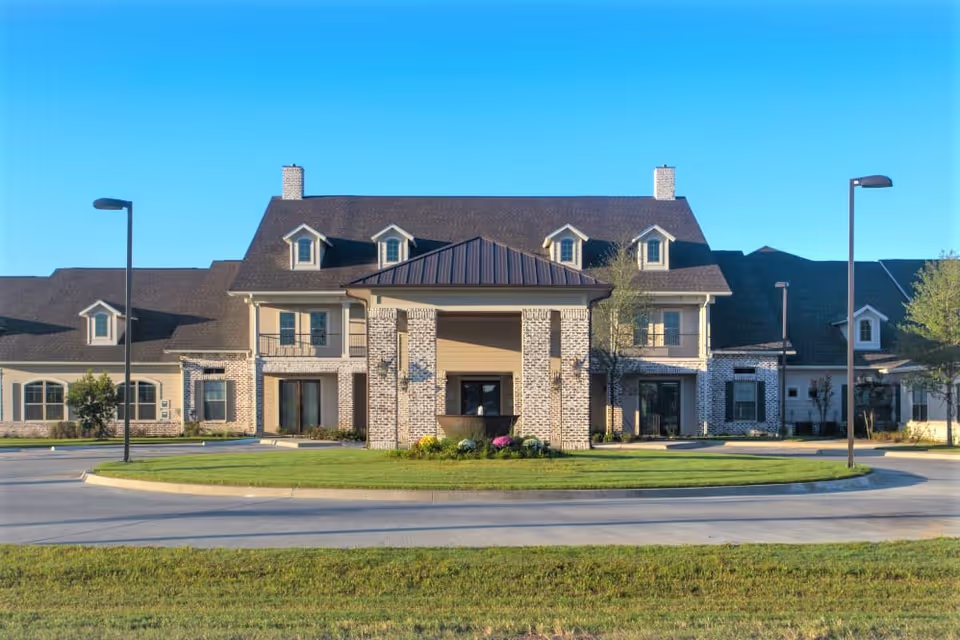
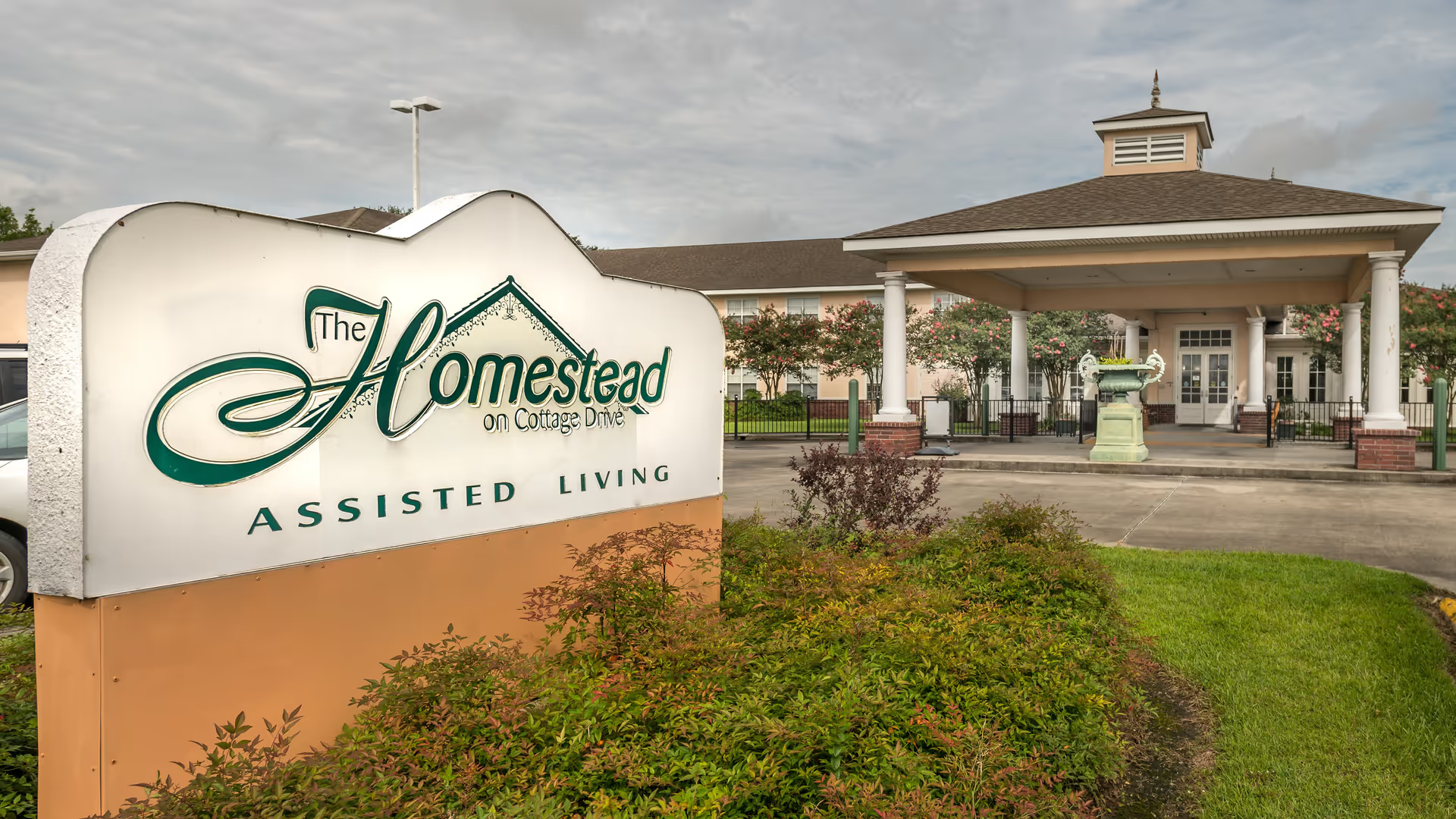
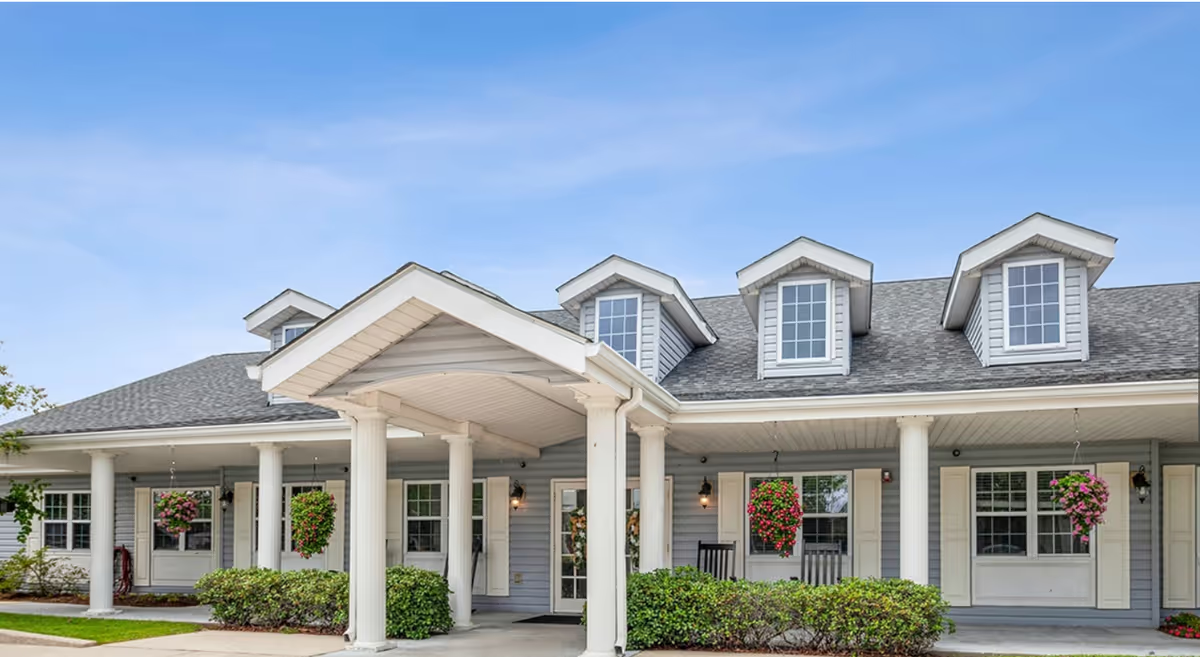
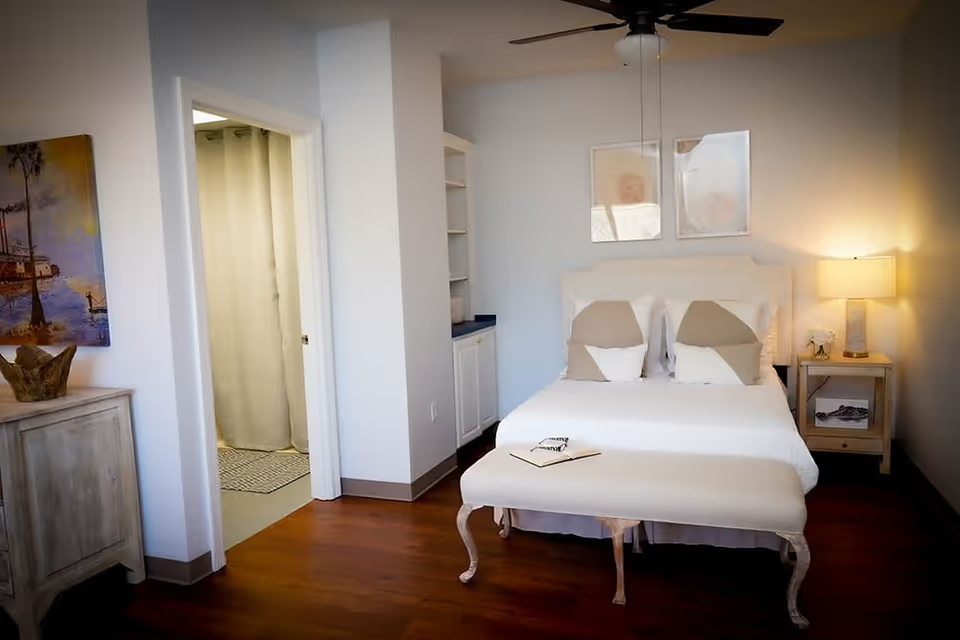
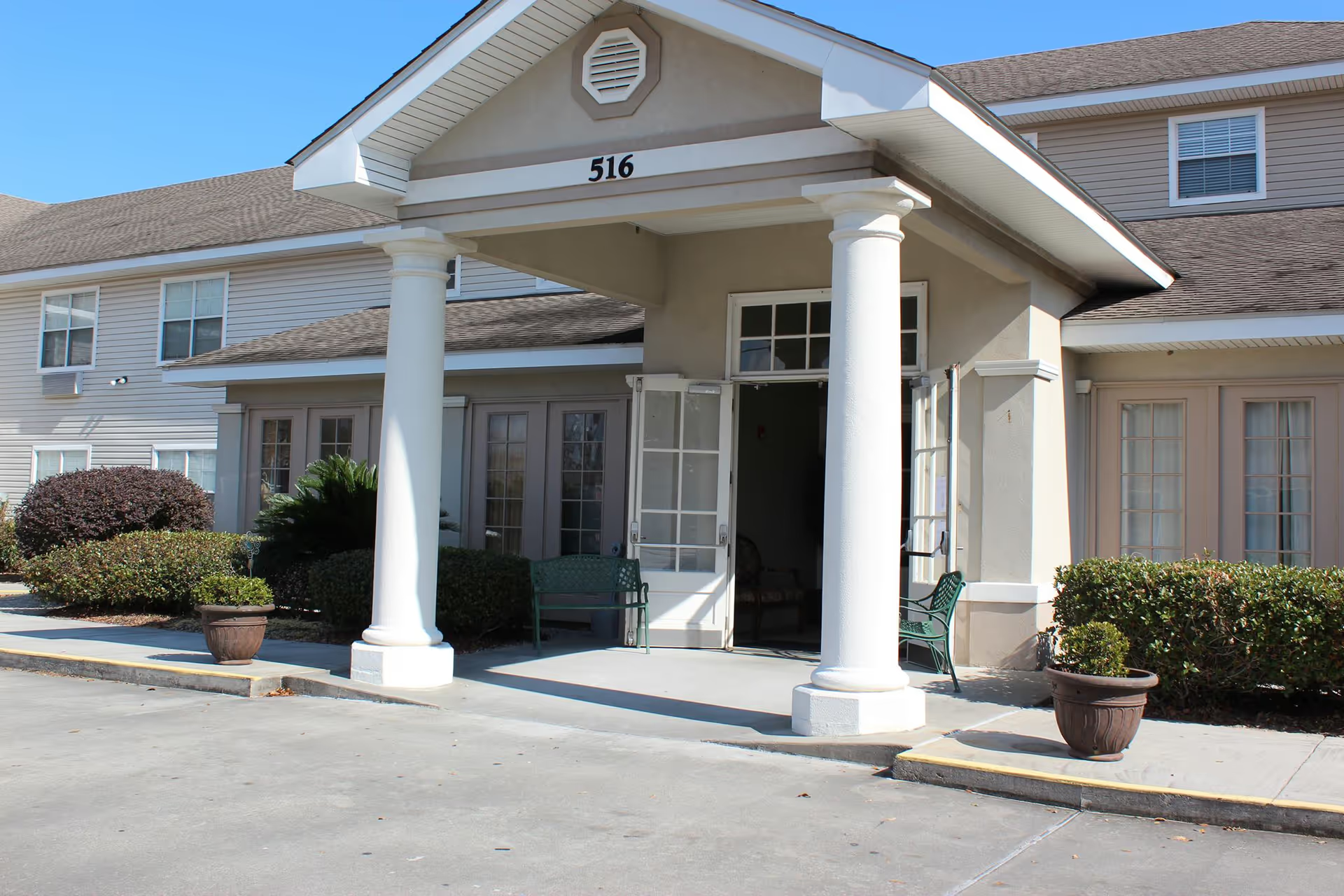
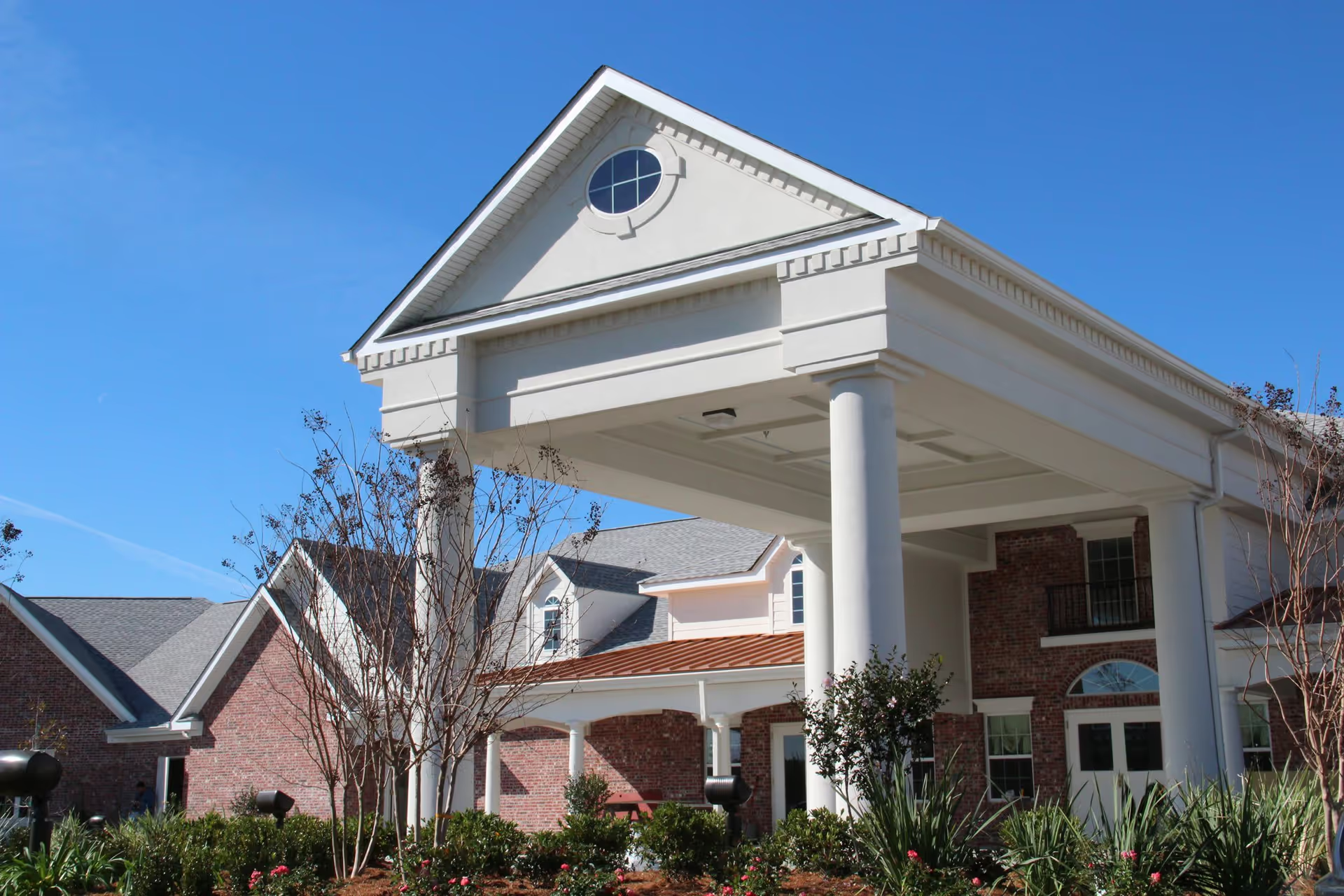
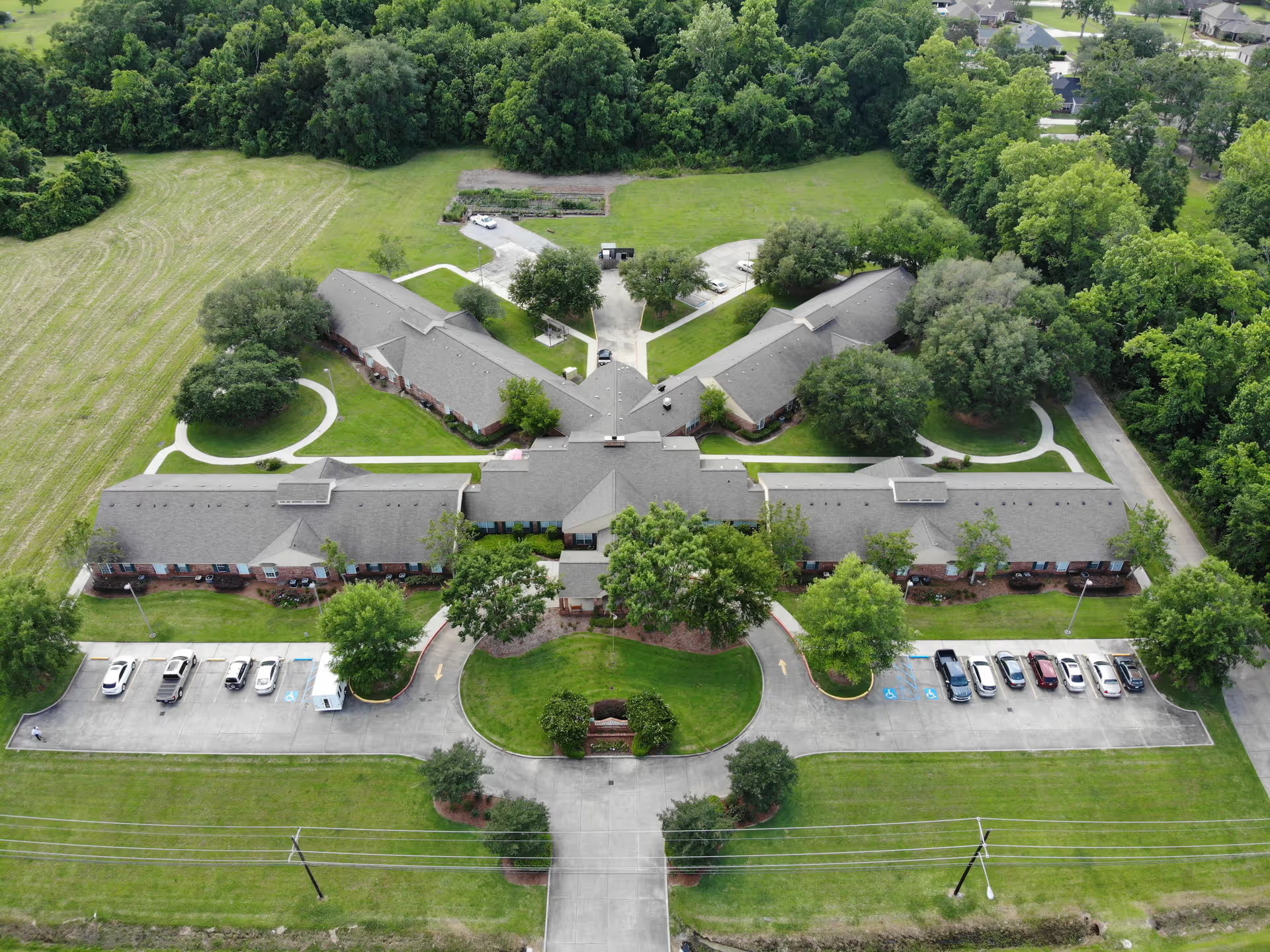
This facility elicits strongly mixed impressions. Many reviewers praised the physical environment — a clean, modern building with private in‑room bathrooms and an orderly, well‑kept interior — and highlighted positive experiences with admissions, therapy, and particular nursing teams. Several accounts describe strong rehabilitation services, engaging activities and community events, pleasant dining when meals are delivered on schedule, and instances of coordinated, resident‑centered care that families found reassuring.
Care and clinical quality appears uneven. Positive comments about compassionate nurses and effective therapy are counterbalanced by multiple accounts of delayed responses to call bells, inconsistent medication delivery, and lapses in timely pain management. There are repeated concerns about transfer safety and mobility assistance, which families connect to falls or discomfort during transfers. A limited number of reviewers described serious adverse outcomes and raised concerns about clinical oversight; these accounts suggest that clinical monitoring and escalation processes may not be uniformly reliable.
Staff behavior and staffing levels show notable variability. Many staff members are described as courteous, welcoming, and attentive, particularly during admissions and in therapy. At the same time, reviewers repeatedly noted delays in assistance, limited hourly checks, and aides who appeared overextended. Tone and professionalism were described as variable across shifts, with some families reporting helpful, team‑oriented staff while others described blunt or dismissive interactions. Staffing shortages and workload pressure are consistent themes that likely contribute to inconsistent responsiveness.
Dining and nutrition are generally appreciated when service is timely and dietary needs are followed; reviewers mentioned tasty, health‑minded meals and attentive dietary staff in positive reports. Conversely, there are recurring complaints about late meals, meals left unattended, and inconsistent adherence to prescribed diets. Meal‑service continuity and kitchen hours appear to be operational pressure points.
Activities and community life are frequently cited as strengths. Reviewers describe engaging programming, social opportunities, and therapy activities that support recovery and quality of life. These elements contribute positively to resident morale when staffing and scheduling allow.
Facility operations and management present mixed impressions. The physical plant, housekeeping, and room amenities receive strong marks for cleanliness and maintenance. However, families reported inconsistent admission preparation, delayed transports, variable discharge coordination, and concerns about billing and administrative communications. A few reviewers raised privacy and consent questions (for example, around vaccination documentation), indicating gaps in informed‑consent and privacy‑compliance processes that merit review.
Notable patterns: positive experiences tend to cluster around specific teams (therapy, some nursing groups, and admissions), while negative experiences correlate with staffing shortfalls, slow responsiveness, and inconsistent procedural adherence (medication timing, transfers, and meal service). Because experiences vary widely, prospective residents and families should ask targeted questions about staffing levels on the expected unit/shift, transfer‑safety protocols, medication administration practices, meal scheduling and dietary accommodations, emergency transport arrangements, and billing/consent procedures before admission.
Overall, the facility offers many structural strengths — modern, clean spaces, private rooms, and robust therapy — but operational inconsistencies in staffing, responsiveness, clinical monitoring, and administrative processes create variability in resident experience. Those considering this facility would benefit from direct, specific inquiry into the operational areas described above and from clarifying expectations in writing prior to placement.