Overall impression: Westgate Center for Rehabilitation & Alzheimer's Care is described by many families as a facility where staff commitment is the defining strength. Reviews frequently highlight compassionate, respectful interactions, specialty memory-care skill sets, and effective rehabilitation programming that support transitions back to home. Cleanliness and recent cosmetic updates to rooms and flooring are also repeatedly noted, contributing to a generally comfortable environment for residents.
Care quality and staff: The dominant pattern across reviews is strong praise for front-line caregivers, nursing aides, therapists, and social-services staff. Families point to dementia-specific knowledge, dignity-preserving end-of-life care, attentive daily care, and a therapeutic rehab team that provides physical, occupational, and speech therapy with discharge planning. At the same time, there are contrasting accounts describing concerns about staff conduct, managerial responsiveness, and workplace morale; these mixed perceptions suggest variability in leadership visibility and staff experience across shifts.
Dining and activities: Dining is described as adequate to positive, with residents noted to be well fed. The program of social activities appears active, with regular bingo, worship services, and other group events. On-site amenities such as a salon, nail services, and an enclosed outdoor area support quality-of-life needs. Reviewers appreciate the facility’s efforts to accommodate religious services and assistive solutions (for example, devices to help residents hold religious materials), though some families expressed a desire for more dementia-specific programming and interaction opportunities.
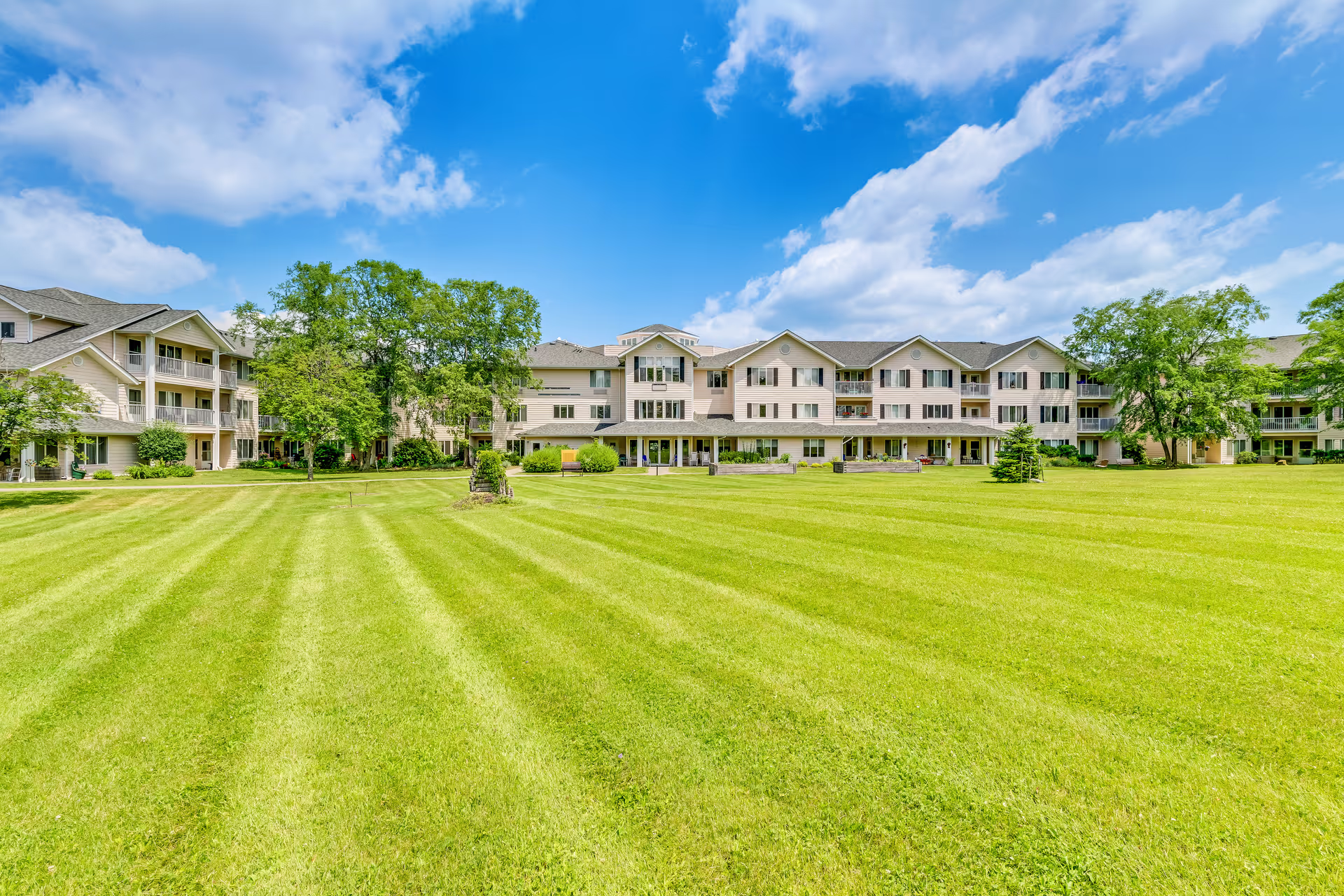
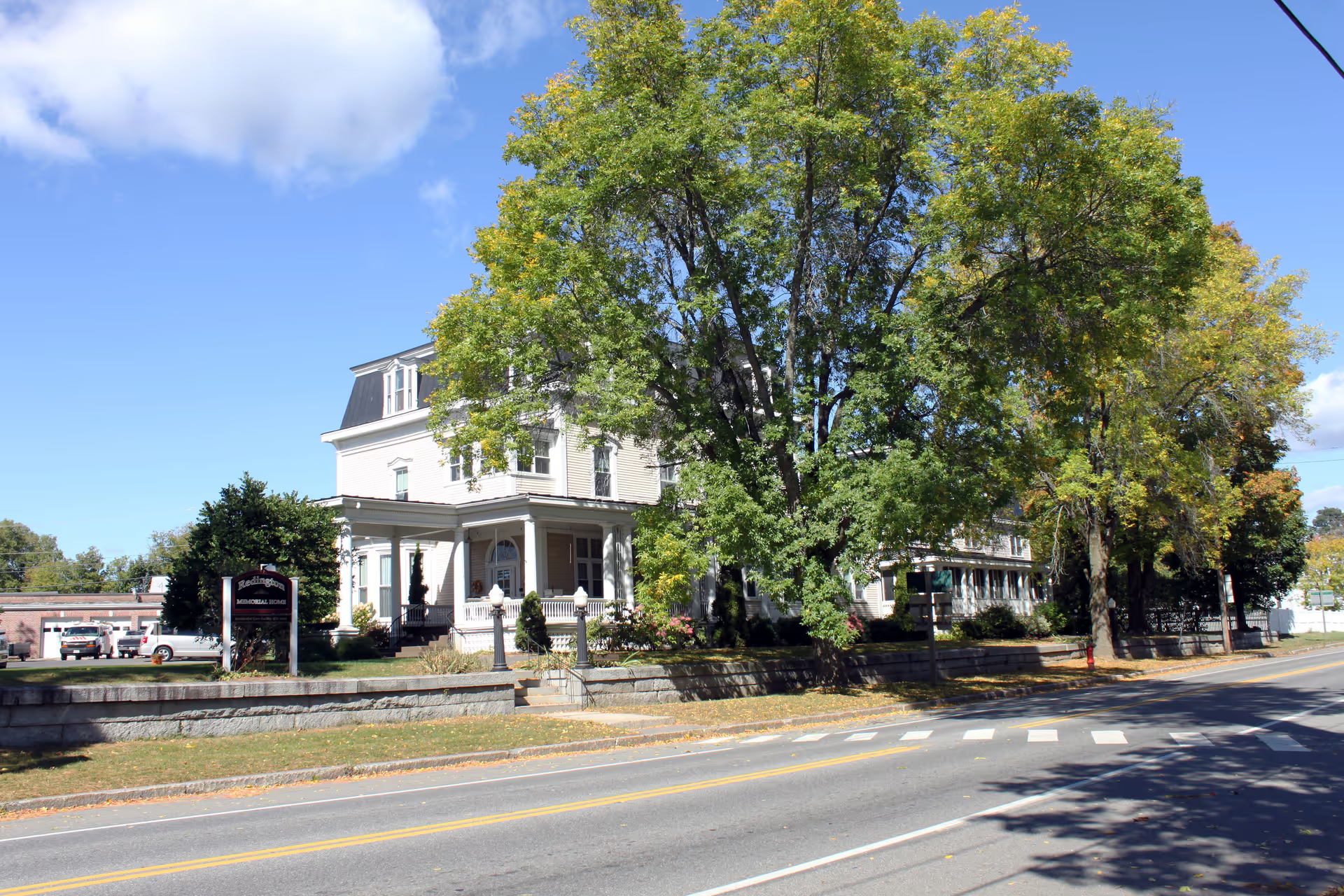
Facilities and environment: Many reviewers praise the facility’s cleanliness and recent room remodels; however, accounts also indicate an older building with partial renovations. Space constraints and the prevalence of shared rooms (two-person rooms) were mentioned as limiting privacy and amenity availability. The memory-care area is present and staffed, but some families felt that dedicated dementia amenities and specialized spaces could be expanded.
Management, safety, and operations: Themes of inconsistent management, variable staffing levels, and concerns about resident placement and supervision for individuals with behavioral needs appear in several accounts. There are also family-reported instances of missing personal items; some reviews used the term alleged missing property. These comments point to potential weaknesses in personal property safeguards and security procedures. Cost is noted as relatively high by some families, which makes clarity on included services and ancillary fees an important consideration.
Notable patterns and guidance for families: The most consistent positive signal is the quality and compassion of direct-care staff and the effectiveness of the rehabilitation program. Key operational concerns to evaluate in a tour include staffing ratios and coverage patterns (including night/weekend staffing), behavioral-management and resident-placement protocols, personal property procedures, the scope of dementia-specific amenities, and a clear breakdown of costs. Prospective families will benefit from in-person observation of care routines, review of incident communication practices, and direct conversations with social services and leadership to reconcile the strong caregiving reports with the operational variability noted by others.