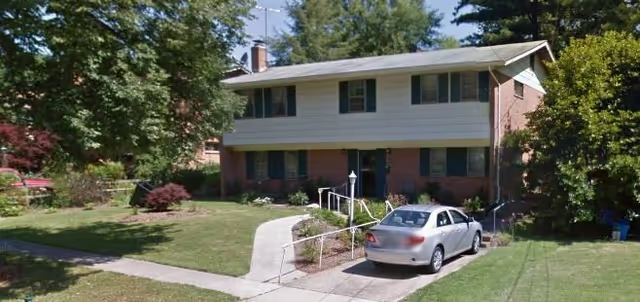
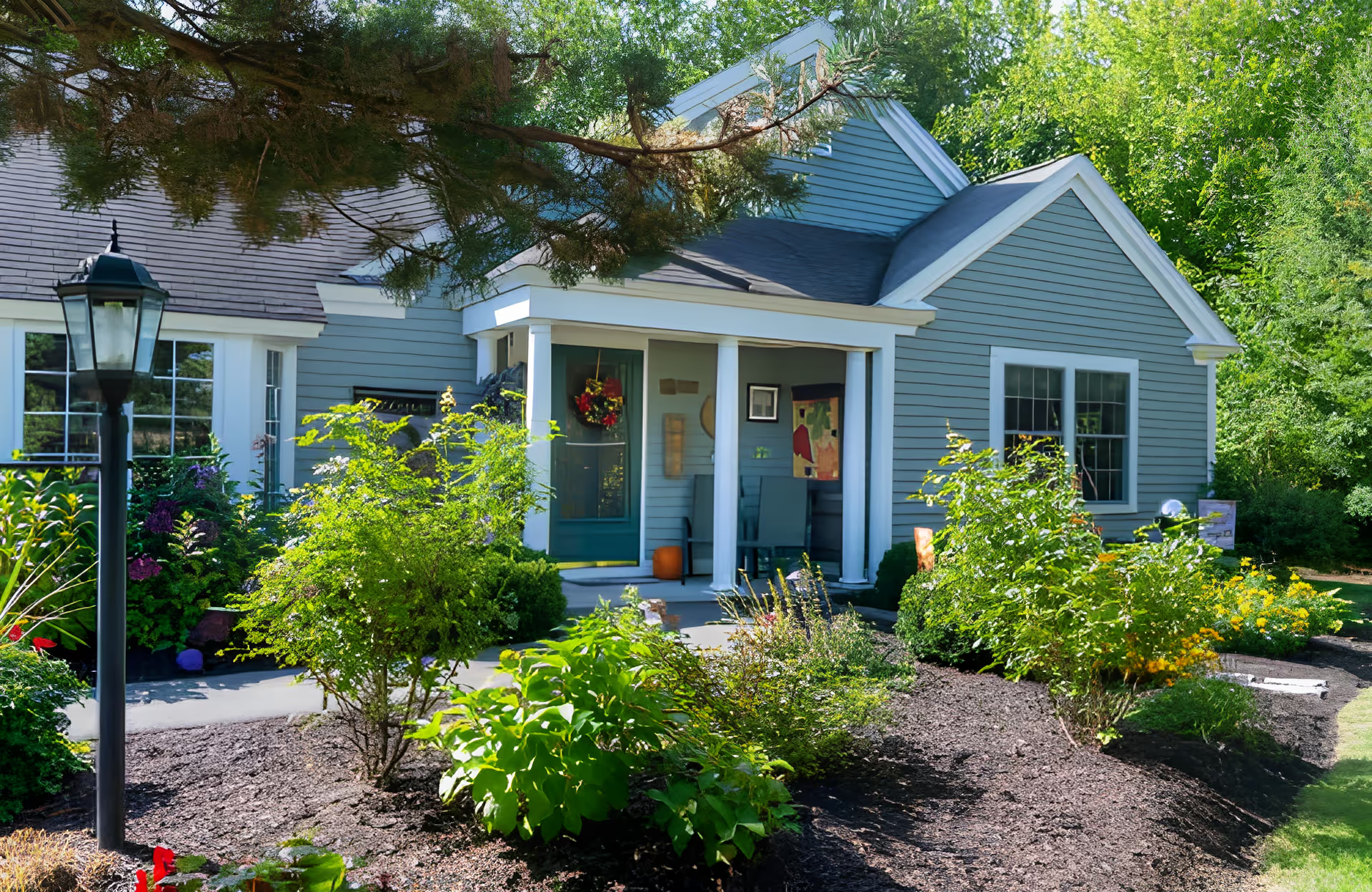
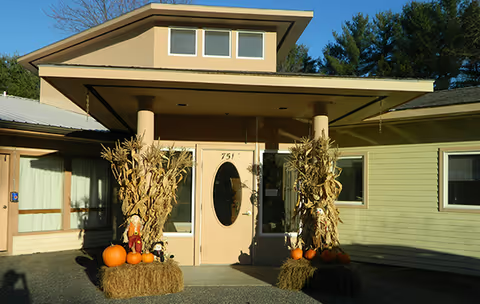
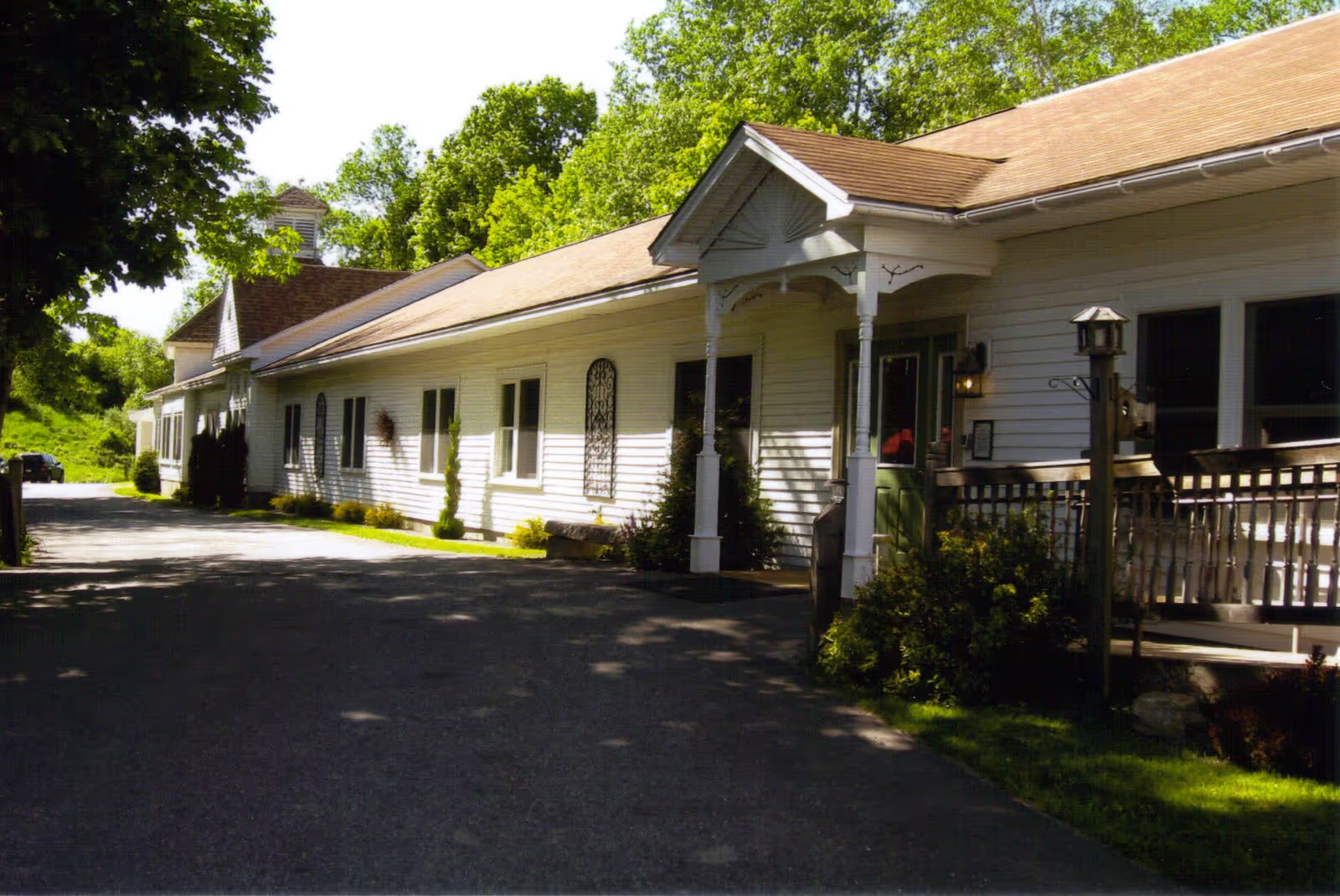
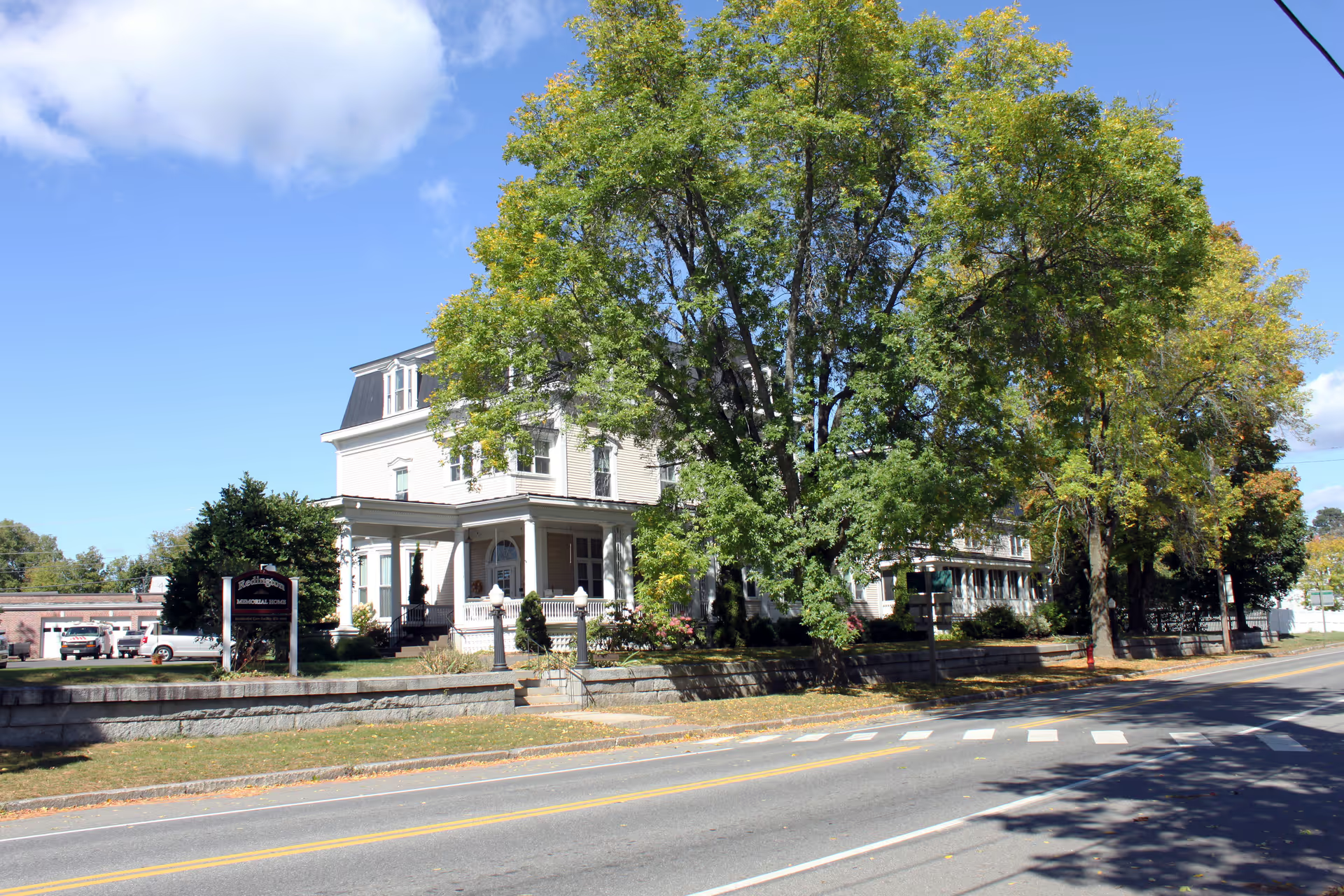
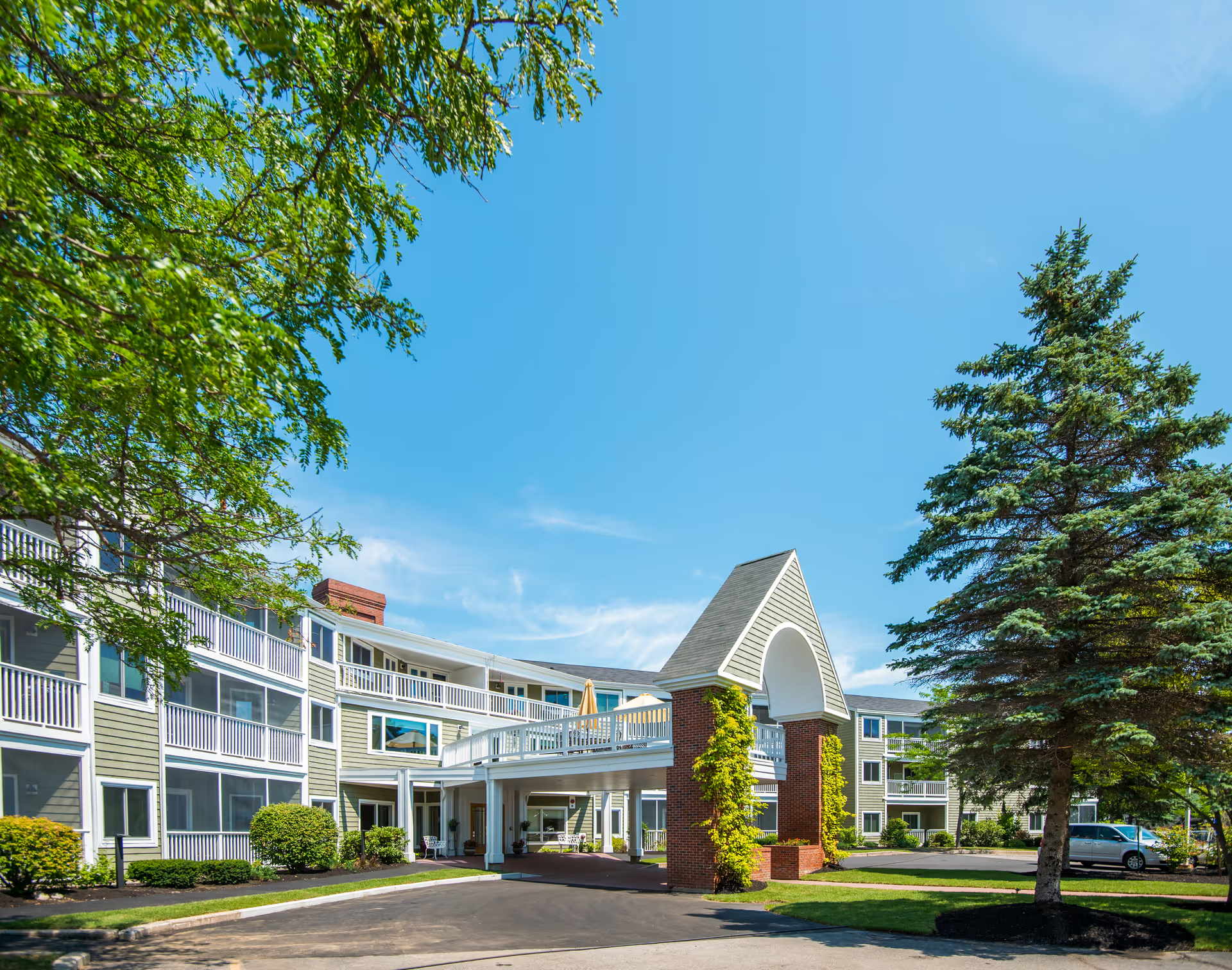
Reviewers convey a mixed picture of care at this facility. Several accounts describe caring, helpful employees who assist with paperwork and coordination and deliver strong clinical care for some residents. At the same time, other accounts identify recurring operational weaknesses that affect the consistency of that care. The overall pattern is polarized: some families report satisfaction and positive outcomes, while others describe lapses that they feel materially affected resident well-being.
Care quality appears variable. Positive narratives highlight attentive caregivers and examples of effective clinical treatment. Conversely, concerns center on responsiveness, timeliness of basic care tasks, and management of urinary tract infections and other infections. Reviewers also raised an allegation of verbal mistreatment by a named staff member; that claim is notable as an individual serious concern alongside broader patterns of inconsistent conduct. Several comments suggest that infection-control practices and follow-up for recurring infections require review and improvement.
Staffing is a recurring theme. Many reviewers describe staffing levels as insufficient or overstretched, producing a rushed work environment and missed opportunities for individualized attention. This perceived understaffing is linked to other operational issues such as delayed assistance with toileting or bathing, communication lapses with families, and safety concerns related to resident movement in hallways and common areas. While some staff are described as compassionate and helpful, the variability in professionalism and performance is a consistent pattern.
Dining and nutrition are frequently criticized for inconsistent quality and occasional diet-management errors. Several comments liken the food to institutional or low-quality preparation, and there are reports of incorrect diets being served. These observations suggest opportunities to strengthen kitchen oversight, menu consistency, and accuracy of dietary orders for residents with special needs.
Facility condition and sanitation are areas of concern. Multiple reviewers referenced cleanliness issues in rooms and bathrooms, odor concerns in common areas, and pest-control problems in a particular building. These descriptions point to gaps in environmental services and preventive maintenance rather than isolated incidents, and they have implications for infection control, resident comfort, and overall perceptions of safety.
Management and communication weaknesses appear to contribute to many of the problems noted. Reviewers describe poor family–facility communication, inconsistent follow-through, and what they perceive as an admissions emphasis that prioritizes occupancy over assessing resident–facility fit. The continued impact of the COVID-19 period is mentioned as a lingering stressor on staffing and operations, suggesting leadership may need targeted strategies for workforce stability and process recovery.
In summary, prospective residents and families will find evidence of competent, caring staff and positive outcomes in some cases, but also recurring operational challenges that can affect the consistency of care. Key areas for improvement include staffing levels and supervision, environmental services and pest control, infection management, dietary accuracy, and clearer, more reliable family communication. A focused quality-improvement plan addressing these domains would help align the positive aspects reviewers describe with more consistent, facility-wide performance.