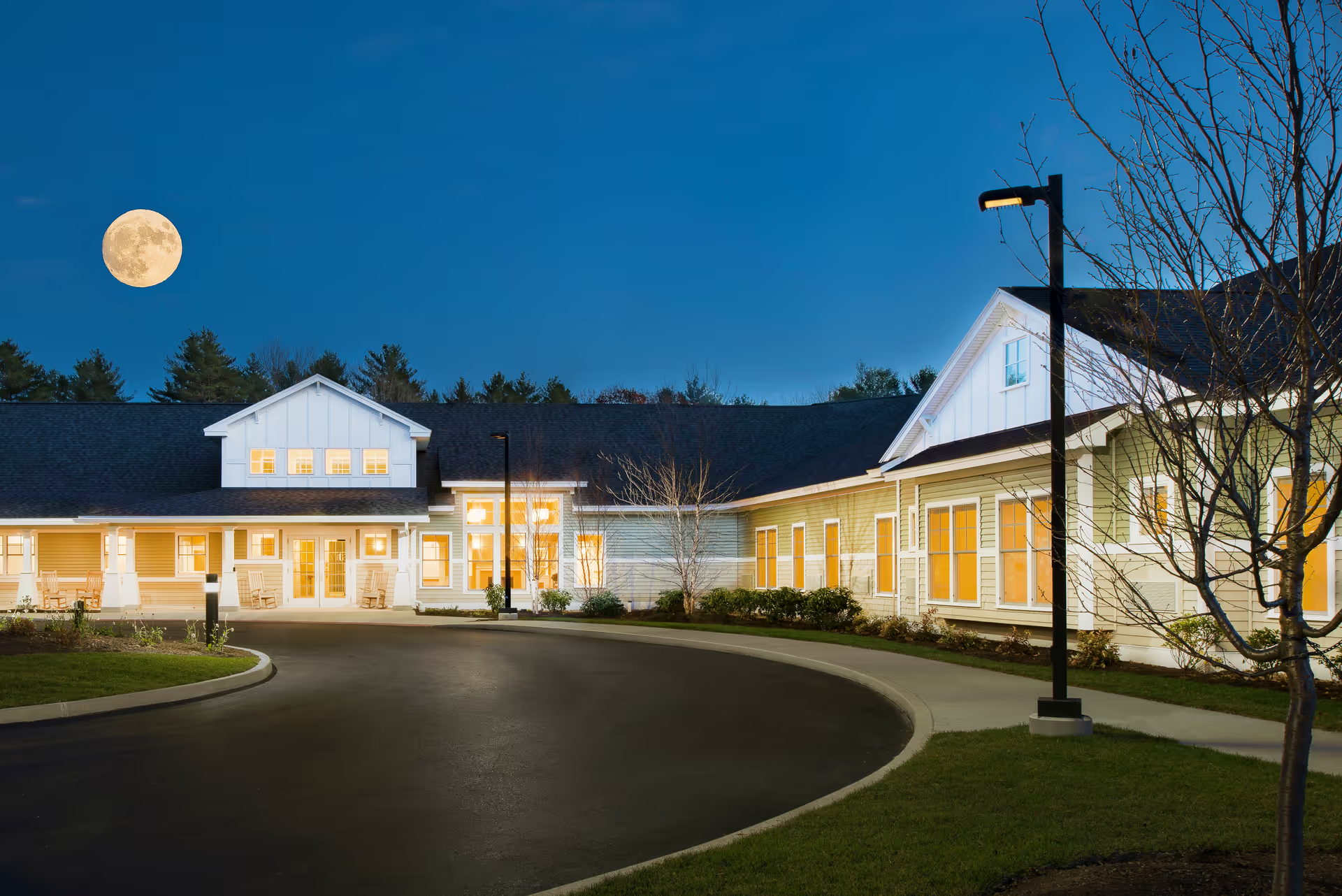
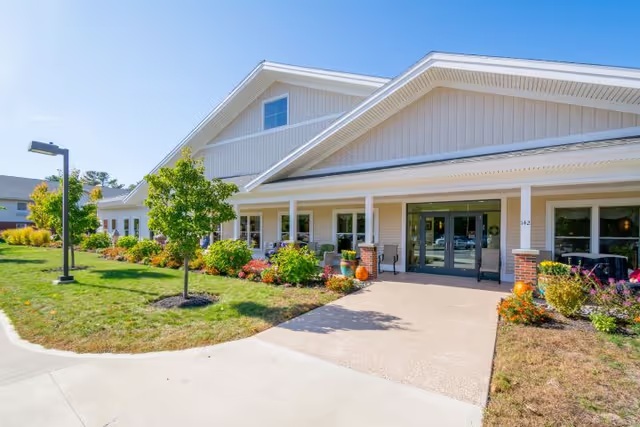
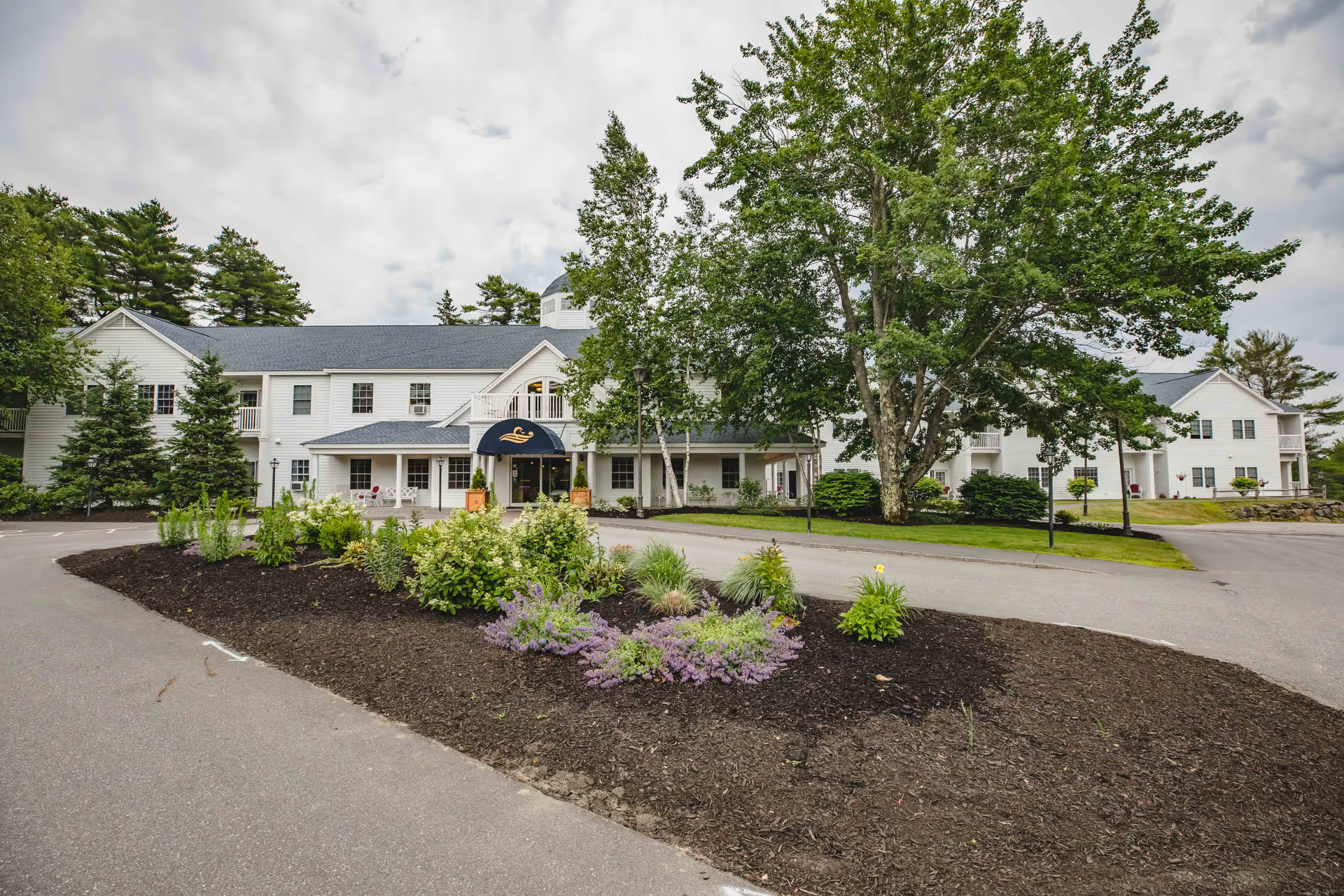
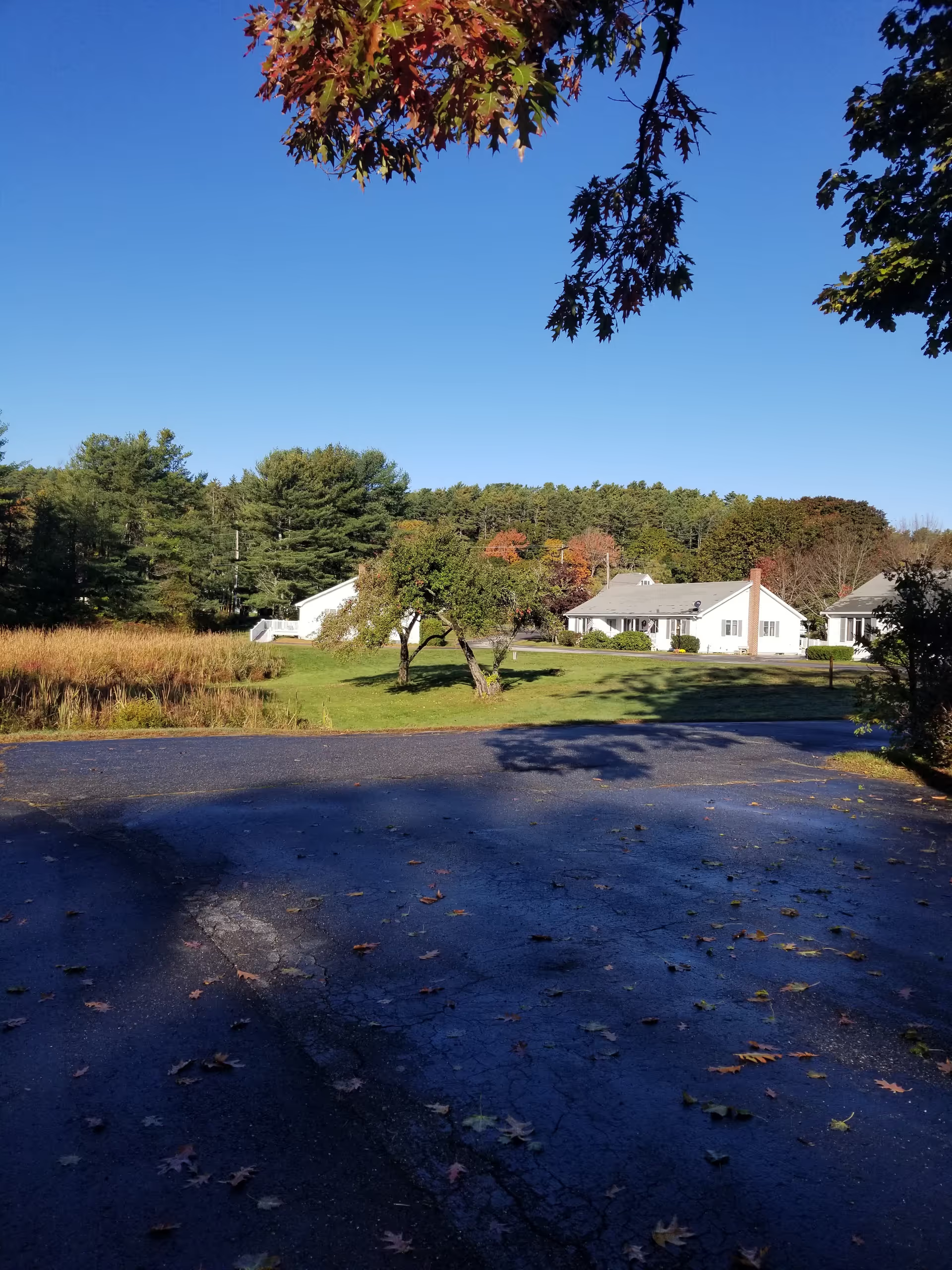
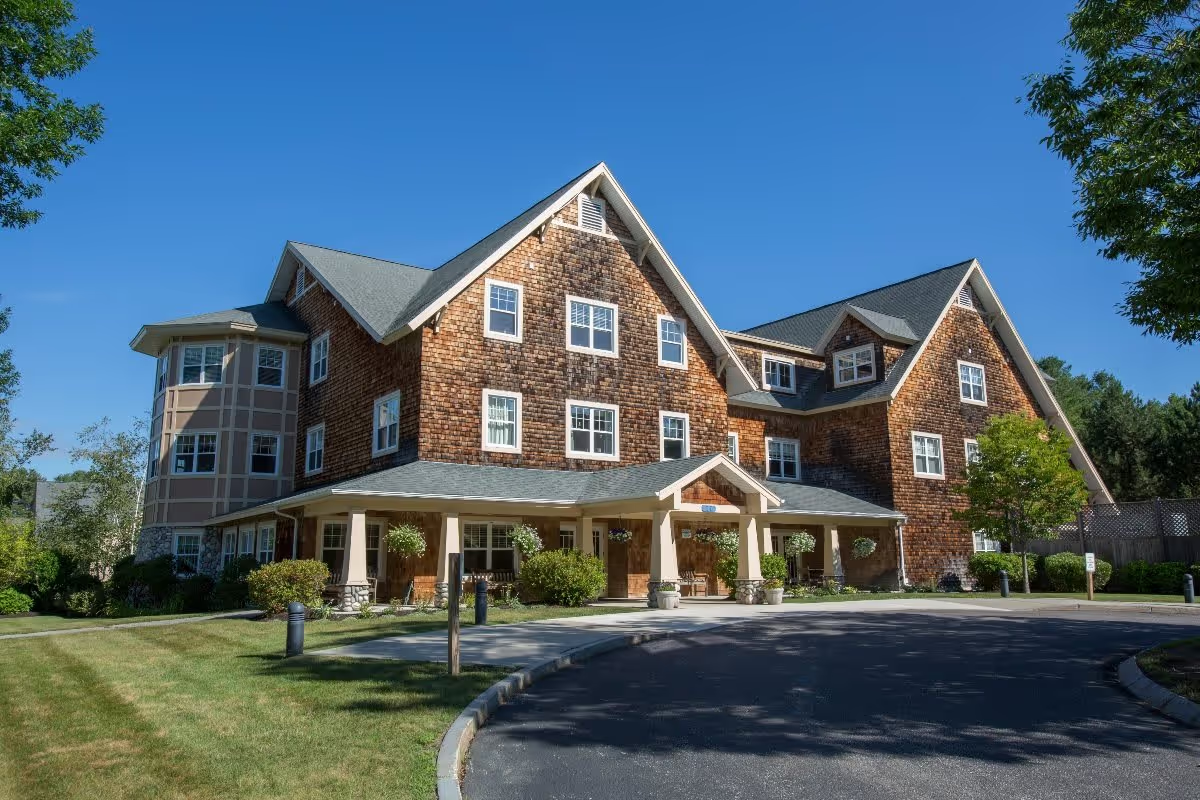
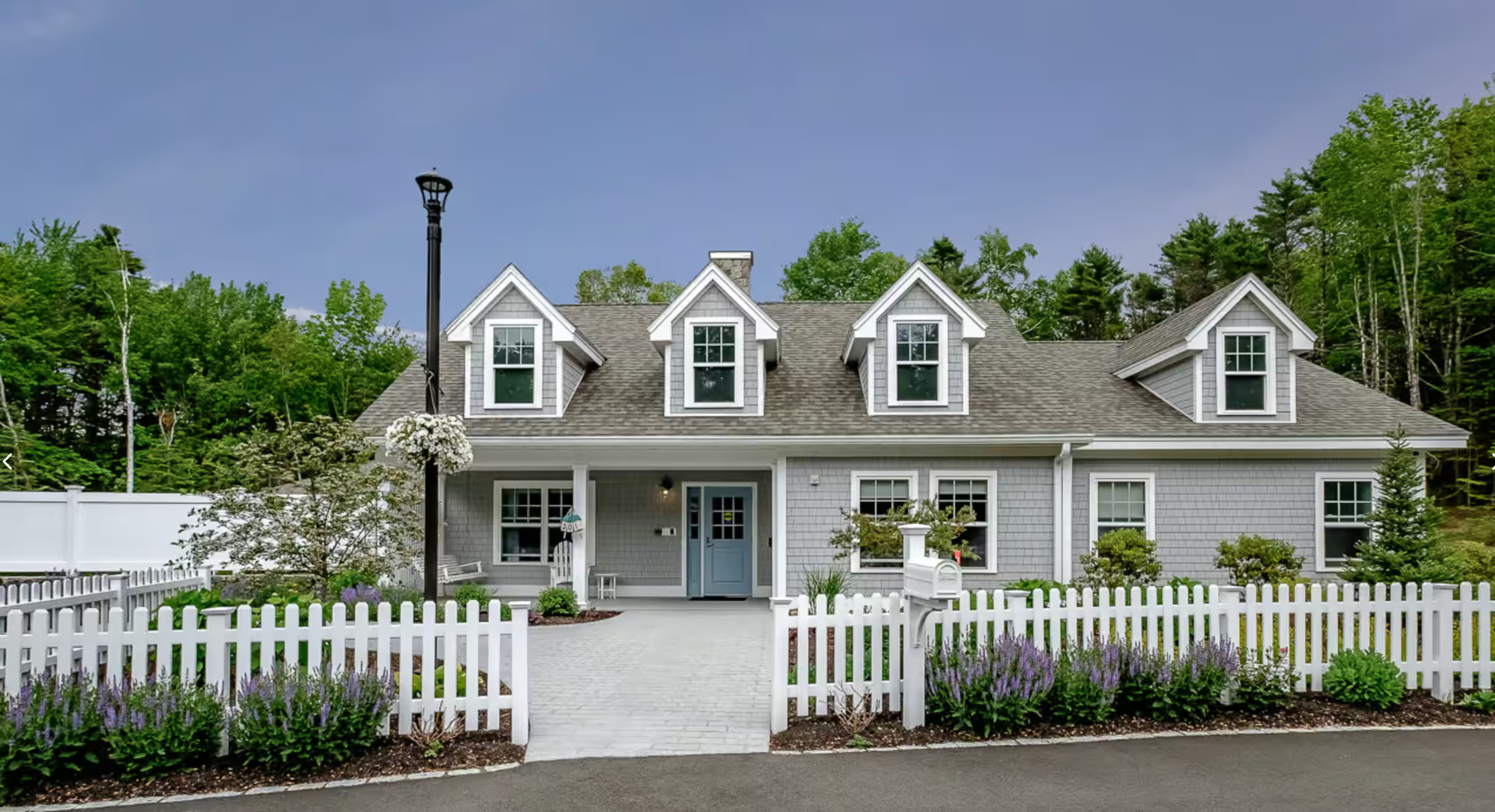
The Highlands receives consistent praise for its caregiving culture, campus amenities, and social programming. Across reviews, staff are frequently described as warm, attentive, and willing to go beyond basic duties to support residents. Many families and residents highlight long-tenured employees, responsive maintenance, effective housekeeping for permanent residents, and staff who know residents’ names and preferences. The community's range of housing options, private apartments with kitchens, on-site salon and spa, library, multiple dining venues, and indoor saltwater pool contribute to a clearly residential, amenity-rich environment that many find comfortable and home-like.
Dining and activities are core strengths for much of the community: reviewers regularly cite restaurant-style dining with menu choices, robust activity calendars (arts, fitness classes, trips, therapy animals, choir and music programs), and frequent social events that support resident engagement. On-site medical coordination such as vaccination clinics and convenient access to nearby health/dental referrals are additional practical advantages. The campus landscaping, outdoor seating, walking trails and secure courtyards also support an active lifestyle and social interaction.
Despite these positives, there are recurring operational concerns that prospective residents and families should probe. Clinical oversight and hand-off communication between nursing shifts are described as inconsistent; this includes examples of medication-management gaps and failures in passing care information between staff. Several reviewers link these issues to staffing coverage problems — especially during evening, weekend, or meal-break periods — and to turnover or recent leadership transitions that some say disrupted established processes. These clinical and staffing patterns are the most consequential operational risk areas cited.
Other notable patterns include variable dining consistency (some reviewers praise the food while others describe heavier, inconsistent meal preparation), occasional pest-control concerns in particular units, and uneven performance for short-term/respite stays where cleaning or personal-care follow-through was not uniformly reliable. Administrative and communication weaknesses surface in admissions, intake responsiveness, and documentation; families are advised to ask specific questions about care-level contracts, medication protocols, and who serves as a day-to-day point of contact. Financial structure and cost are also prominent themes: The Highlands positions itself at a premium price point, and several comments point to rising fees, high condo/coop-related charges, and constraints around resale or access to equity that can affect residents’ long-term financial flexibility.
For prospective residents and decision-makers, useful due-diligence topics include: verification of on-site geriatric medical leadership and medication-administration protocols; staffing levels and weekend/evening coverage; respite-care procedures and short-stay cleaning/personal-care guarantees; pest-control records and sanitation protocols; sample menus and dining-service model consistency; and clear documentation about fees, condo/coop resale rules, and refund policies. Overall, The Highlands offers substantial amenities, active programming, and many examples of excellent day-to-day care, balanced against operational areas—clinical oversight, communication, staffing continuity, and cost structure—that merit careful review during a tour and contract discussion.