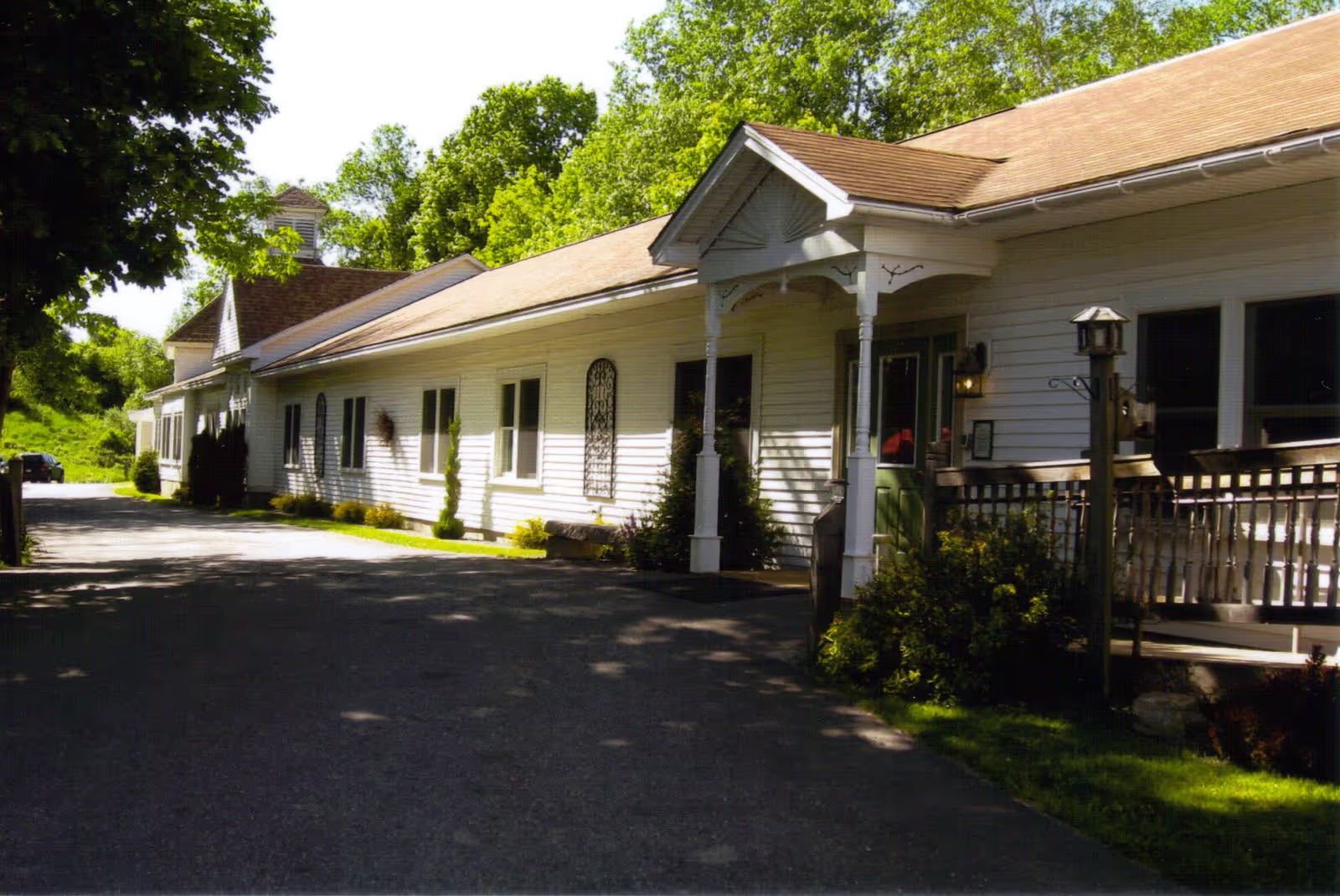
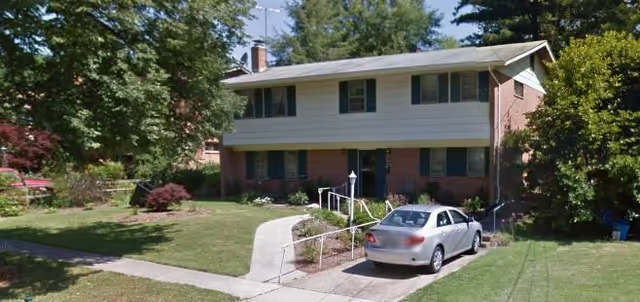
The reviews for Pierce House present a mixed picture. Several families praise the facility for warm, attentive caregivers, consistent cleanliness of resident rooms, and a generally positive resident experience. Those positive accounts emphasize competent clinical care, active assistance and monitoring, and families expressing gratitude for staff interactions. These elements indicate strengths in routine caregiving, room maintenance, and resident engagement.
Contrastingly, a small number of serious concerns emerge around clinical oversight and responsiveness. These accounts suggest lapses in monitoring and follow-up when a resident’s condition changed, with references to hospitalization and subsequent hospice care. Taken together, this indicates potential gaps in nutritional and hydration management and in escalation protocols when residents deteriorate; prospective families should ask about clinical-assessment frequency, care-plan reviews, and transfer/hand-off procedures.
Staff behavior and management responsiveness are another area of divergence. Many reviewers describe staff as caring and supportive, while others describe interactions characterized by an unprofessional tone and limited accountability. There are also specific concerns about the handling of personal belongings and the facility’s response when items could not be located, which point to weaknesses in property controls and communication processes. Management practices around family communication, incident follow-up, and staff conduct appear inconsistent based on the available feedback.
On facilities and programming, the consistently clean rooms and comments that residents enjoy being at the community suggest a generally well-maintained environment with meaningful engagement opportunities for some residents. The reviews provide little explicit detail about dining quality and formal activity schedules; however, nutritional concerns referenced in negative feedback warrant direct inquiry about meal planning, special-diet handling, and monitoring of food and fluid intake. Overall, experiences appear polarized: many families report satisfactory or excellent care, while a minority describe significant operational shortfalls. Prospective residents and their families should tour the community, request current staffing ratios, ask for examples of clinical escalation protocols, review property-management policies, and seek references from current families to evaluate consistency of care and communication.