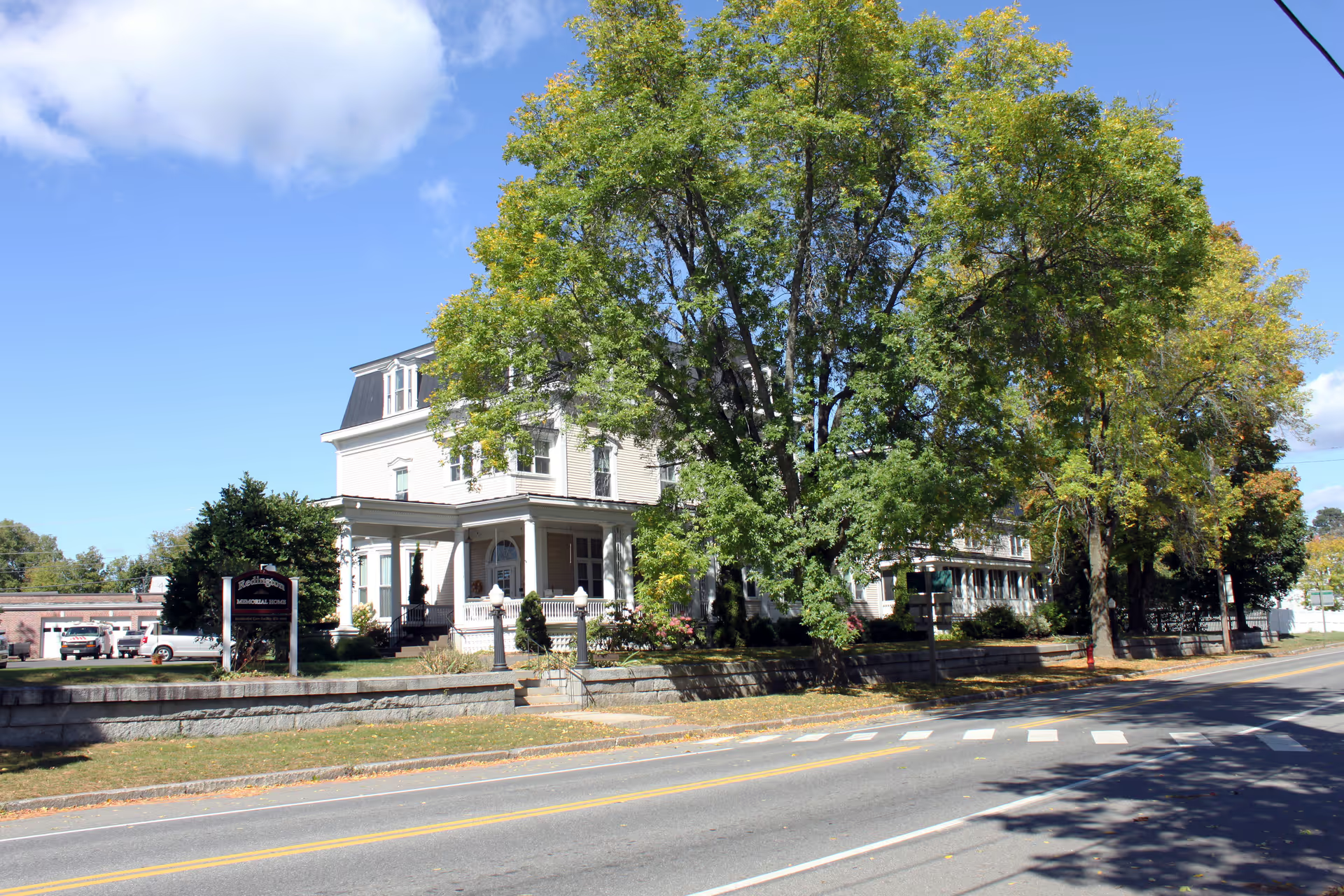
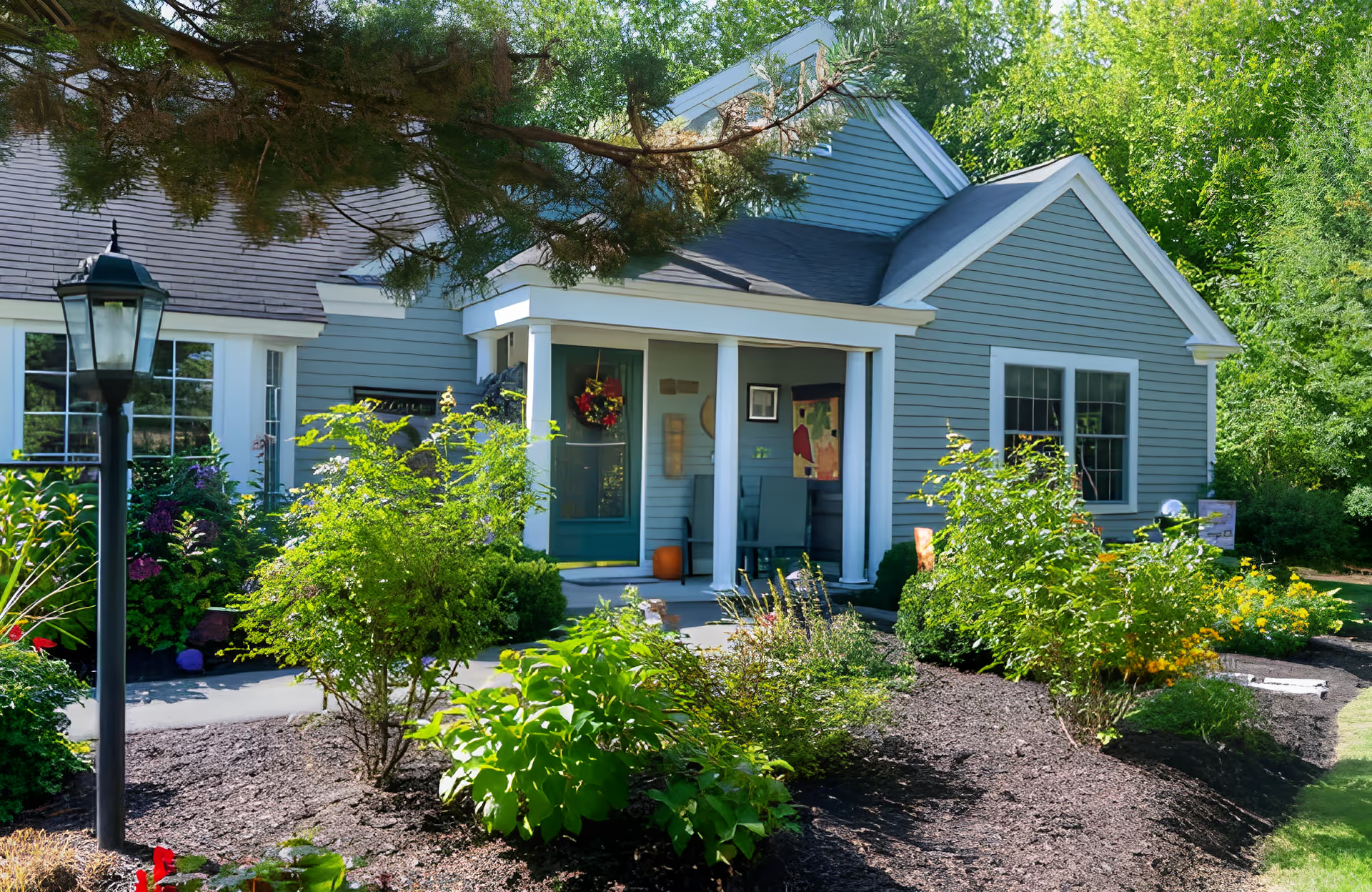
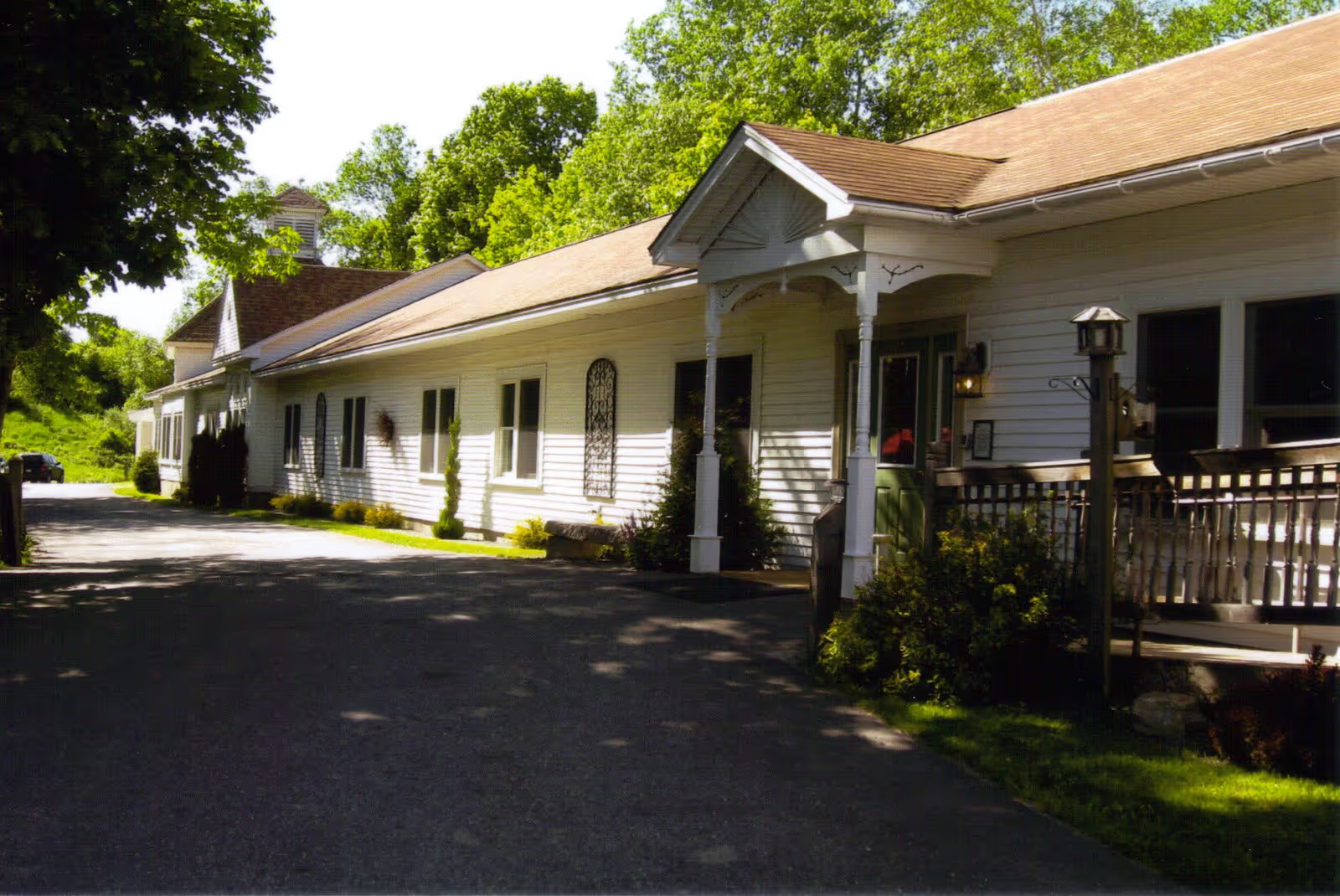
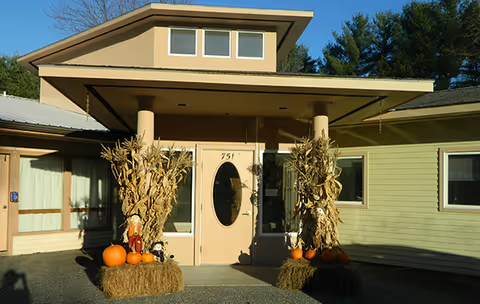
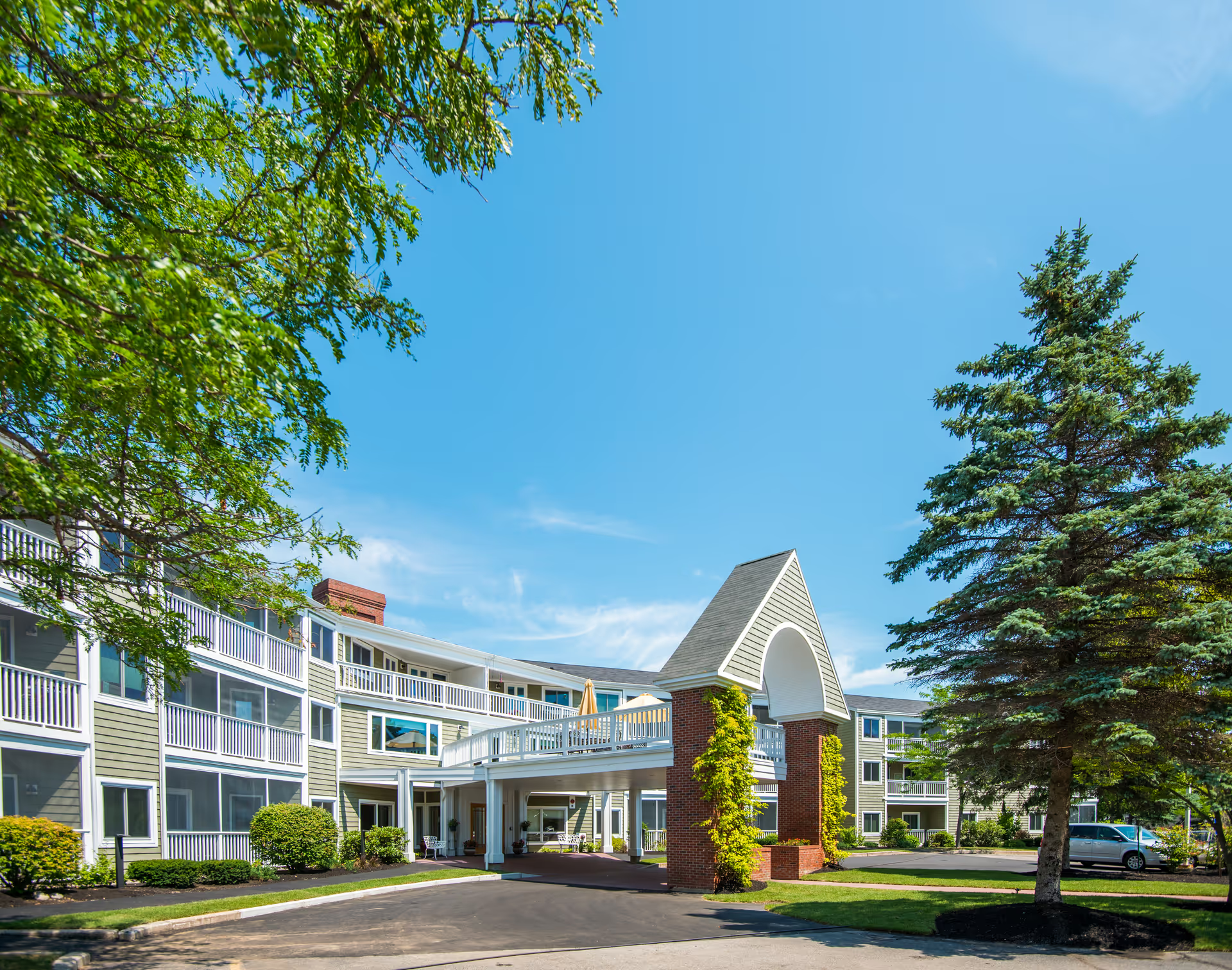
Woodlands Senior Living of Farmington elicits strongly mixed impressions. Many families praise the physical environment — an attractive building and grounds with comfortable communal areas — and several reviews describe caring, professional staff members and moments of solid clinical support (notably hospice involvement in at least one case). These positive elements suggest the facility has strengths in ambiance and can provide compassionate individual interactions.
However, a pattern of operational weaknesses appears across multiple accounts. Clinical-safety concerns include inconsistent medication-administration controls, recurrent falls, delayed post-fall response, and gaps in wound-care and infection-prevention processes. Reviewers cited incidents that indicate weaknesses in how the facility monitors and responds to acute clinical events, and in at least one instance a family attributed complications to these gaps. Several reviewers also described delays in attending to residents during urgent events.
Staffing and staff conduct are recurrent themes. Some families report helpful, compassionate caregivers and good communication, while others describe staffing shortages, inconsistent staff availability, and concerns about responsiveness and understanding of power-of-attorney/guardianship responsibilities. Operational deficits such as laundry delays, inconsistent personal-care routines, and slow repairs to mobility equipment were noted and appear linked to staffing and maintenance workflows.
Memory-care specific issues were raised, including environmental and communication deficits (for example, inadequate noise-reduction measures and limited use of assistive headsets) and inconsistent nutrition supports in that unit. Visitation arrangements have been a source of frustration: window-visit scheduling problems, unanswered calls, and limited covered outdoor visiting spaces were described, as were restrictive or inconsistently applied infection-control visitation policies during public-health events. PPE availability and staff familiarity with infection-control protocols were noted as inconsistent by some families.
Dining and nutrition concerns include inconsistent supplemental offerings and reports of staff attitude issues around resident food needs. Administrative and management issues include high private-pay rates paired with limited assistance for benefits navigation (for example, MaineCare applications), inconsistent family communication about clinical incidents, and variability in how complaints and scheduling are handled.
Taken together, the pattern is one of a well-appointed facility with genuine caregiving strengths in some areas, but with operational and clinical-safety inconsistencies that have materially affected some residents and families. Prospective residents and their families would benefit from an in-person assessment that focuses on specific operational questions: staffing ratios and turnover, medication-administration and fall-prevention protocols, wound-care and infection-control processes, memory-care environmental supports, maintenance response times, laundry and personal-care schedules, visitation policies (including covered outdoor options), and the facility’s process for assisting with public-benefits enrollment. Reviewing recent inspection reports and asking to speak with current family contacts can also help balance the range of experiences reflected in these reviews.