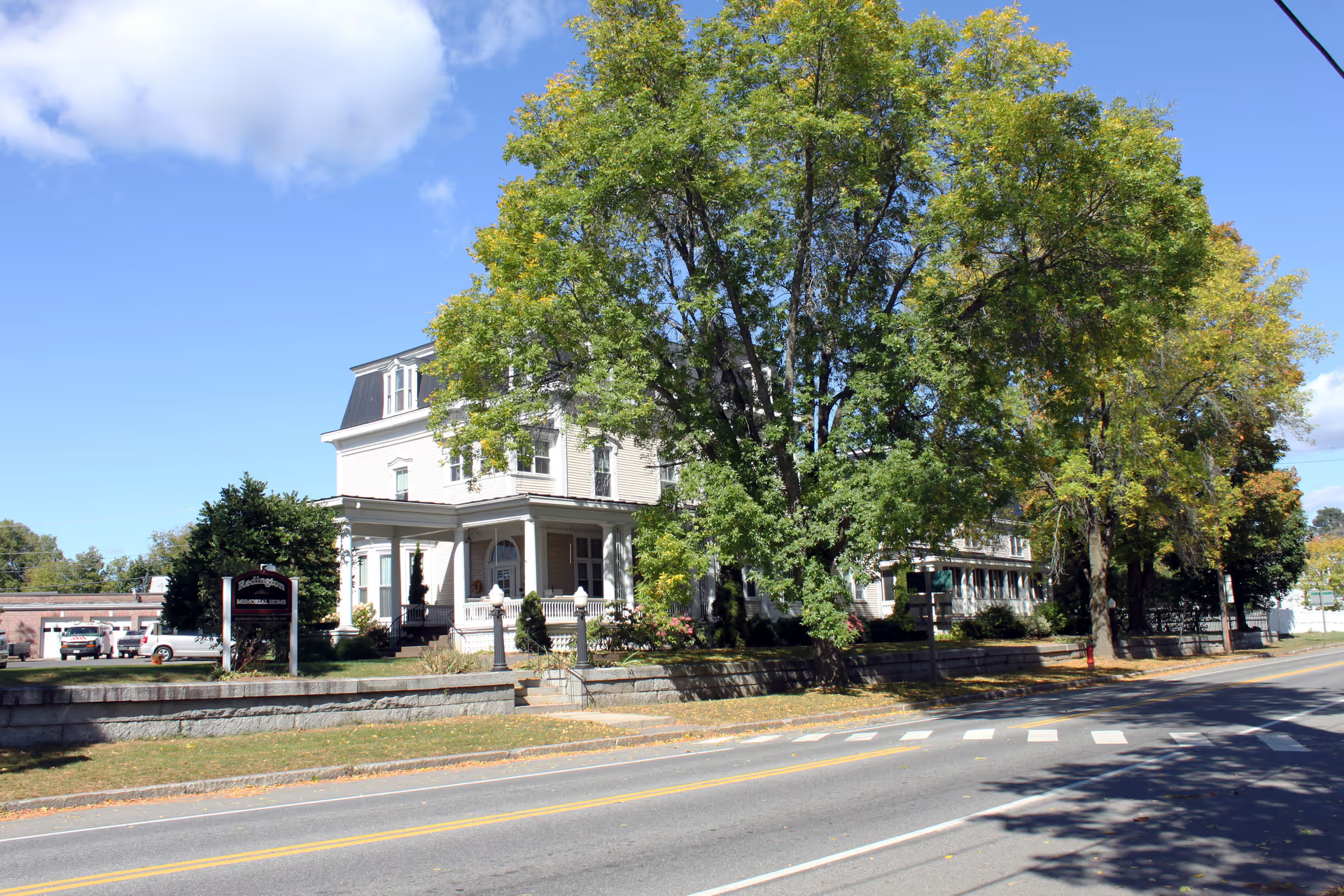
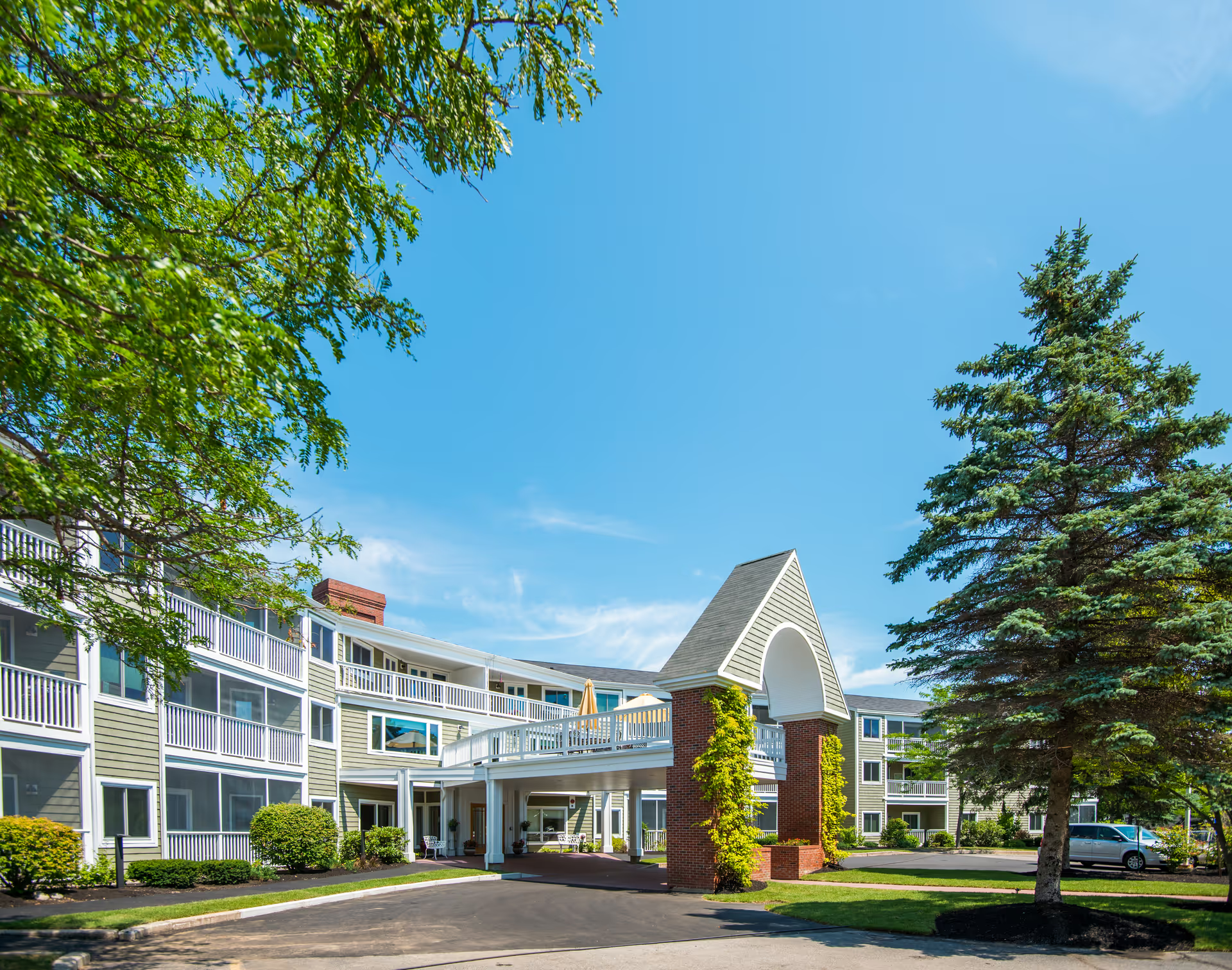
The reviews for Rumford Community Home are strongly mixed, with distinct clusters of positive and negative experiences. Many families praised the facility's clinical strengths: attentive nursing and aide staff, strong CNA-level personal care, an effective rehabilitation program with communicative therapists, and compassionate end-of-life support. Several comments highlighted active cognitive and recreational programming and dedicated Alzheimer's-specific services, and some visitors described clean, comfortable common areas and well-appointed resident rooms.
Alongside those positive reports are recurring operational concerns that affect day-to-day care. Multiple accounts point to sanitation and linen-handling inconsistencies and gaps in assistance with personal hygiene. Families described delays in responding to call buttons and other requests for help, which reviewers linked to chronic understaffing and heavy workloads. Related issues include missed medications, long wait times for toileting or drinking assistance, and examples of falls and injuries that suggest opportunities to strengthen transfer-safety and fall-prevention protocols.
Dining impressions are split: some reviewers found the food decent and suitable for rehabilitation, while others characterized meals as repetitive, sometimes served at suboptimal temperatures, and constrained by restrictive policies regarding outside food. Facility space and layout were also noted: while some rooms are comfortable, others are small or shared, and common-area seating can be limited during busy periods, contributing to a sense of overcrowding in places.
Management and administration emerged as an important theme. Several families described inconsistent communication about bed availability and admissions, difficulty obtaining timely responses from physicians or administrators, and dissatisfaction with billing transparency and customer-service interactions. A few reviewers raised concerns about confidentiality and lapses in clinical communication with families that warrant follow-up from leadership.
Taken together, the pattern suggests that the facility provides meaningful strengths in clinical care, rehabilitation, and specialized programming, but that those strengths are unevenly delivered across units and shifts. Prospective residents and families would benefit from direct conversations with leadership about staffing levels, housekeeping and laundry processes, medication-administration safeguards, fall-prevention practices, meal policies, and the facility's procedures for family communication and billing. An on-site tour during a mealtime and a targeted set of questions about admissions and staffing can help clarify whether the current operational environment aligns with a family's needs.