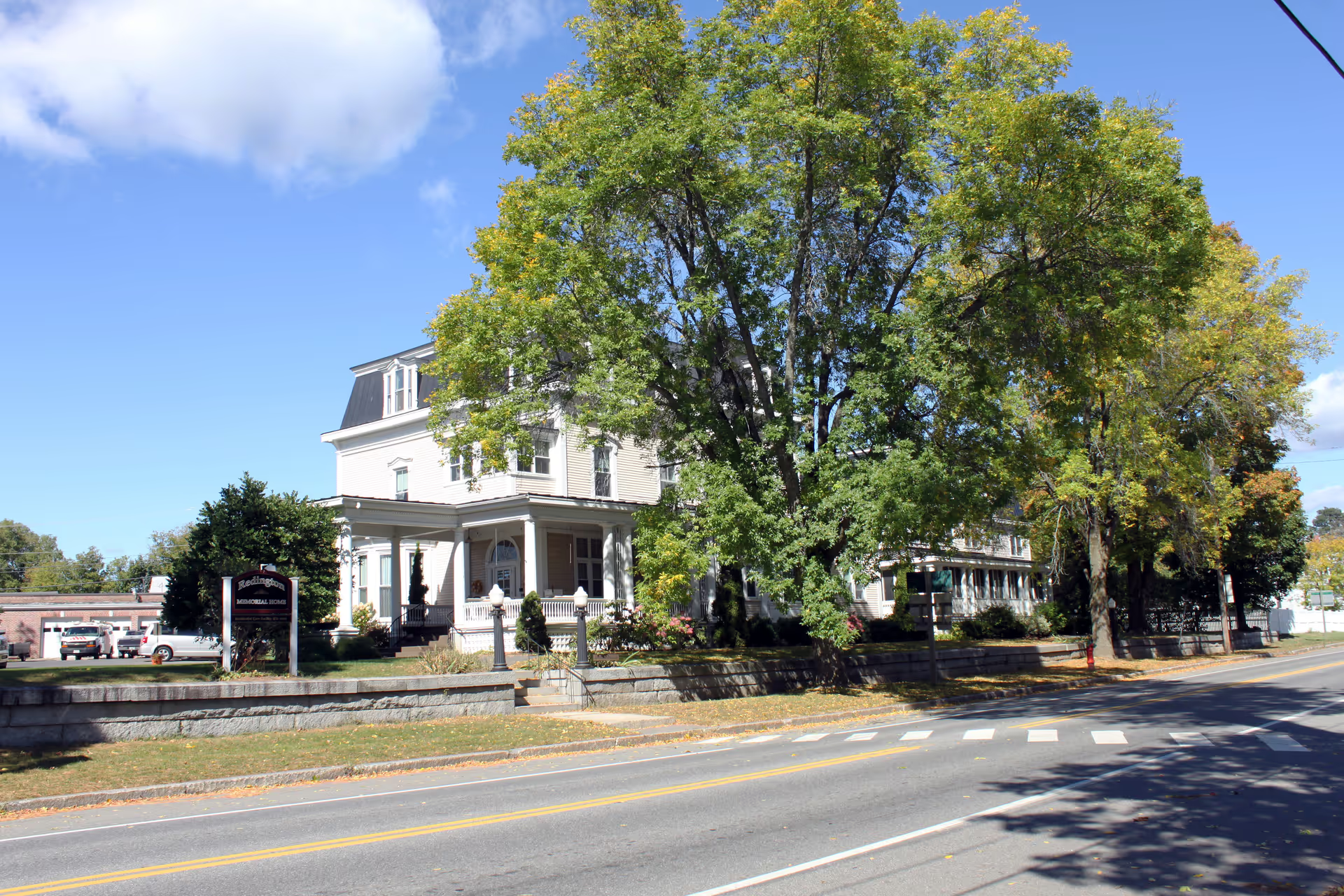
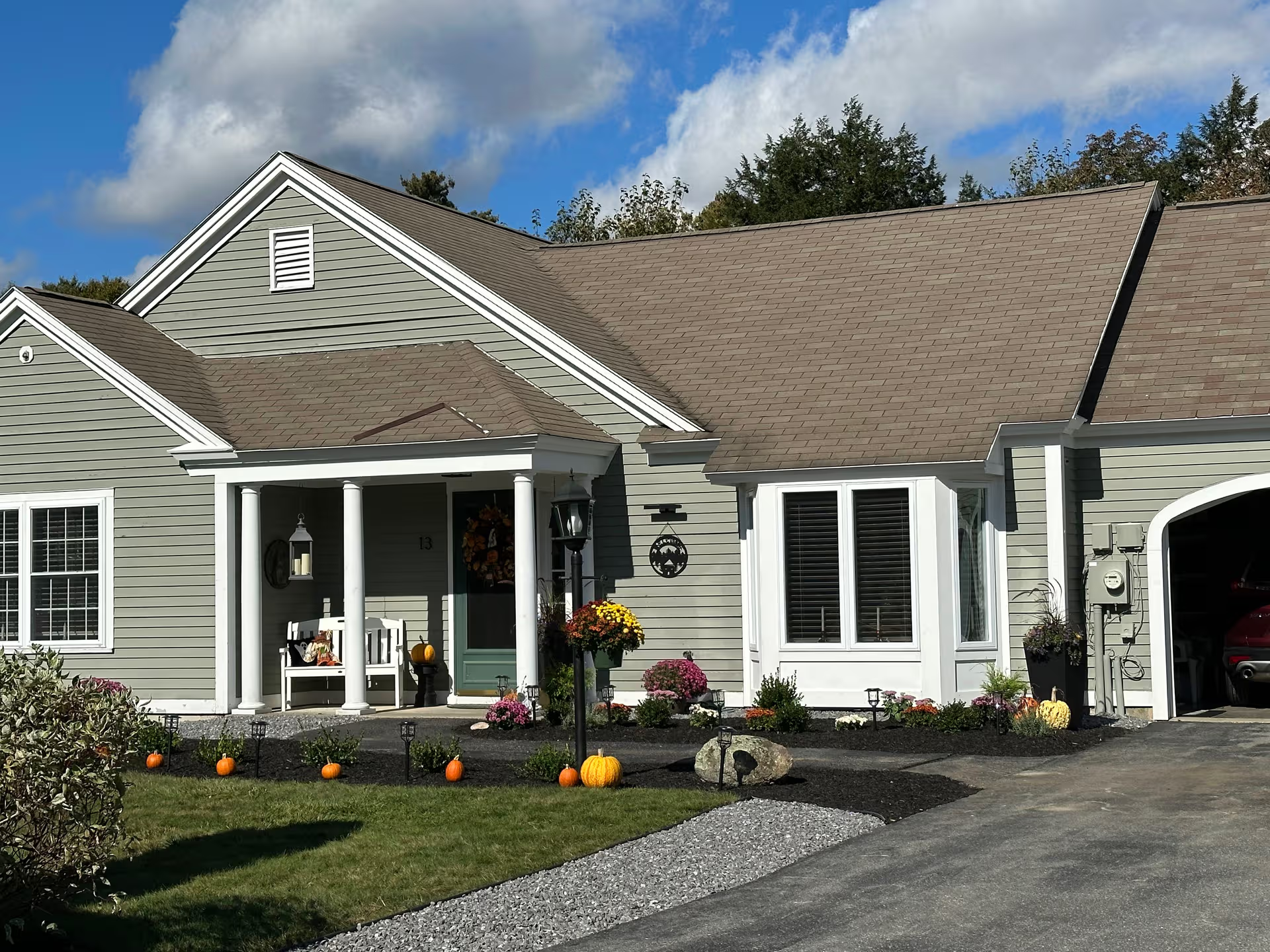
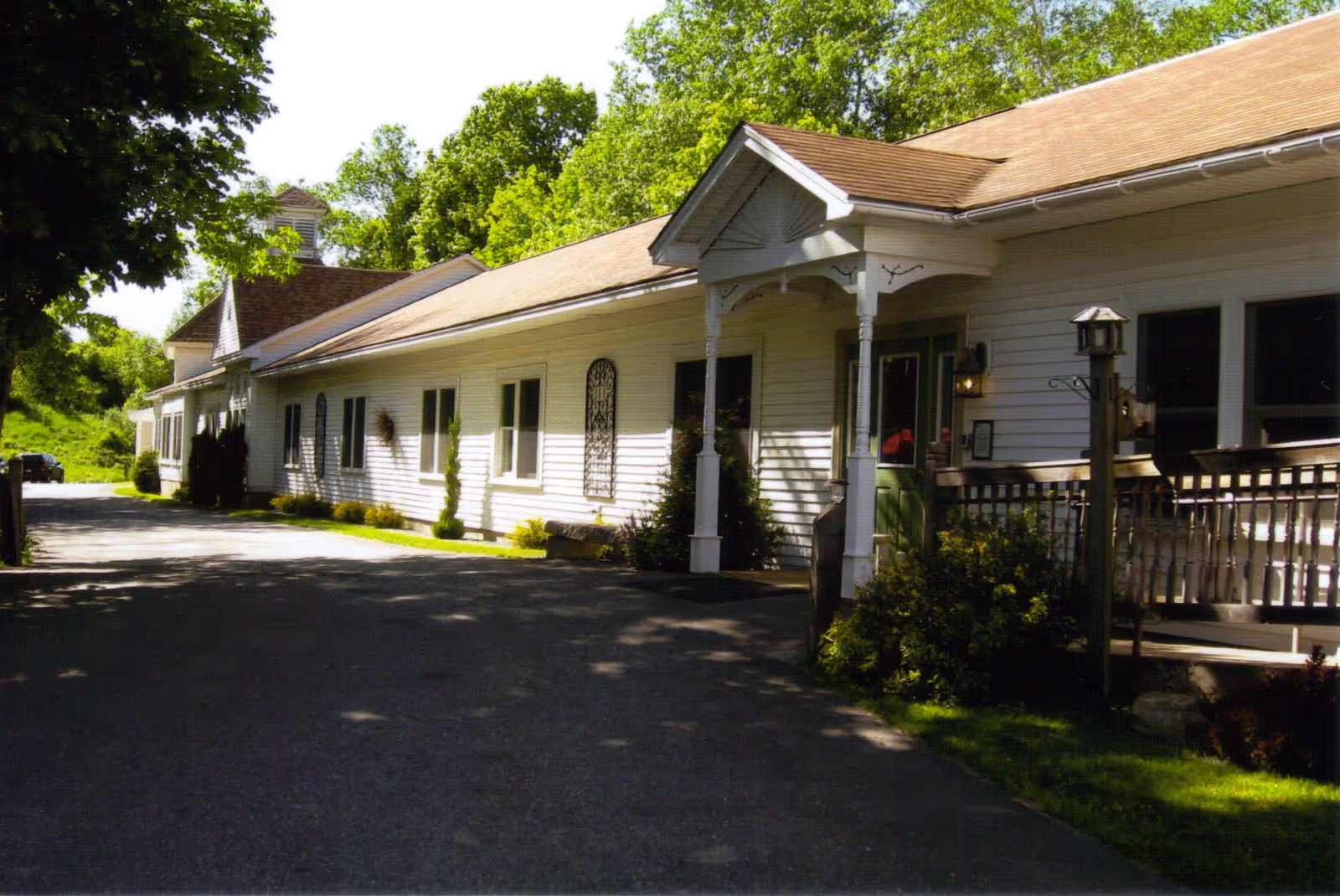
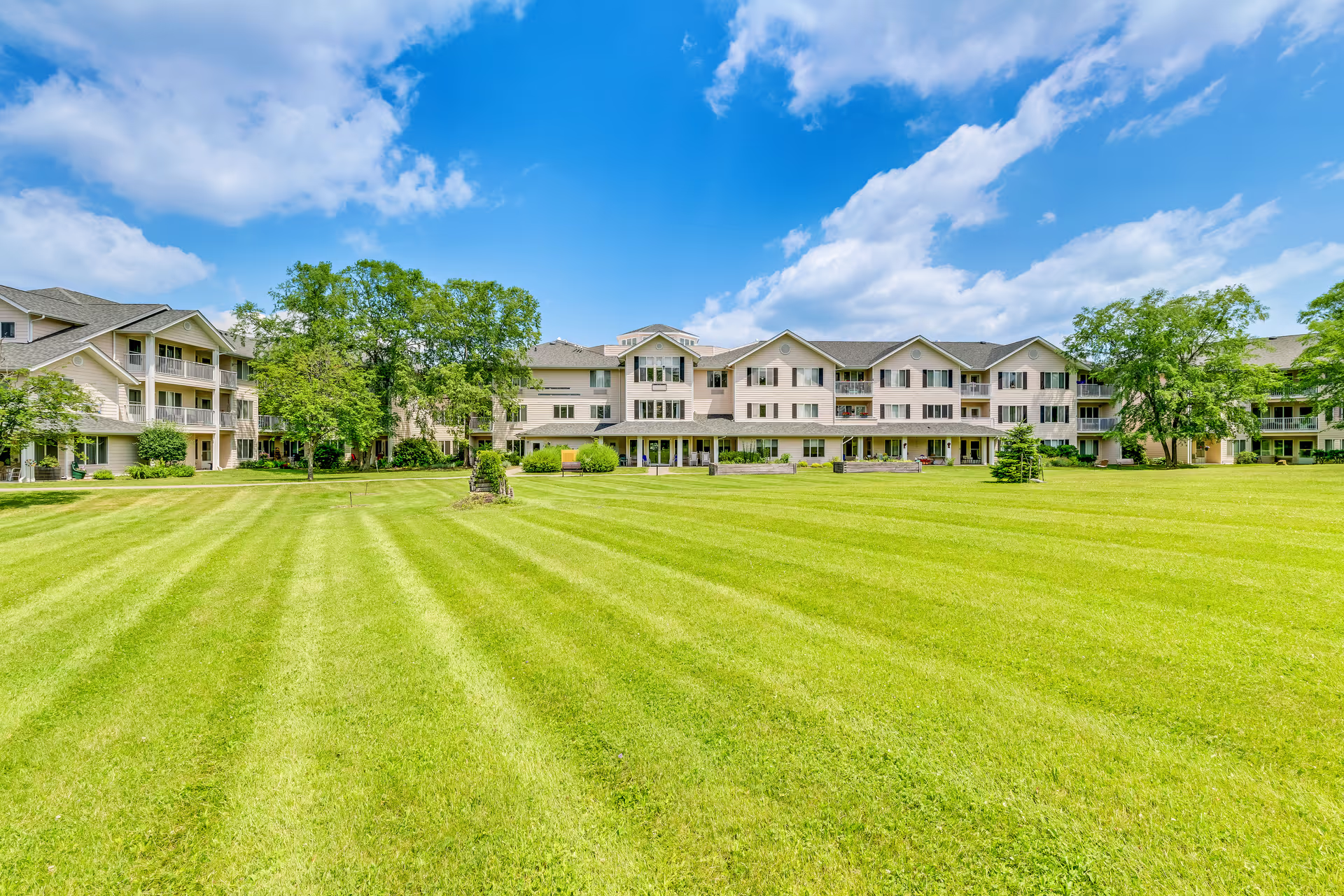
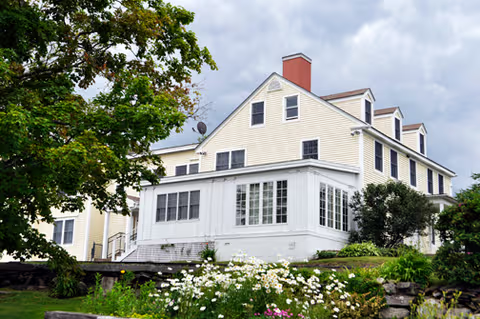
The reviews present a mixed but discernible pattern: many families and residents emphasize strong, compassionate frontline caregiving and highly regarded therapy services, while a subset of accounts raises serious operational and safety concerns. Strengths most commonly noted include attentive nursing and CNA care, an effective physical and occupational therapy program, a clean and welcoming building with spacious rooms and a pod layout, and a visible maintenance and admissions presence that contributes to a family-like atmosphere. Dining is often cited positively for meal customization and dietary responsiveness, and communal dining and activity programming are described as engaging and varied when accessible.
However, the positive experiences are counterbalanced by recurring operational weaknesses. Staffing inconsistency and turnover are a frequent theme and appear linked to variable clinical responsiveness, delays in attending to residents, and lapses in supervision. Several reviews indicate problems with bathing and personal-care continuity, meal-temperature and food-quality variability, and gaps in pressure-injury prevention and fall/transfer safety practices. Communication with families about clinical incidents and transfers is another area of concern: reviewers describe delayed or incomplete notification and uneven outreach from management.
Management and administrative issues emerge as an important pattern. Reviewers describe scheduling and HR challenges, episodes of management dismissiveness, and anxiety around ownership or organizational changes. Infection-control policies (notably COVID-era restrictions) were implemented stringently by staff in some cases, which some families viewed as necessary and others found isolating. Conversely, admissions and therapy staff are often singled out for responsiveness and helpful discharge planning.
In practice this means prospective residents and families are likely to encounter two different kinds of experiences at Cedar Ridge: many will find compassionate caregiving, strong rehabilitation services, clean facilities, and active programming; others may experience gaps tied to staffing levels, inconsistent clinical responsiveness, and communication challenges. When evaluating the facility, families should ask specifically about current staffing ratios, incident-communication protocols, pressure-injury and fall-prevention measures, consistency of dietary services, and any recent administrative or ownership changes. Those areas may most strongly predict whether an individual’s experience aligns with the positive or the concerning patterns described in the reviews.