Overall impression: The Lincoln Home Senior Retirement Community is frequently characterized as a small, home-like assisted living community with a strong emphasis on personalized resident care. Many accounts highlight attentive staff who learn individual preferences, provide small comforts (for example, delivered snacks or books), and treat residents in a family-style manner. Cleanliness and general upkeep of the building are described positively, and staff are generally described as friendly and professional.
Care quality and staff: Reports point to compassionate, hands-on caregiving and a willingness among staff to go beyond routine duties to support residents. Medication administration and clinical follow-through are highlighted as consistent strengths, and families described staff as attentive during the COVID-19 period. The tenor of staff–resident interactions is commonly noted as warm and nurturing, contributing to perceived emotional and social support for residents.
Dining and activities: Dining receives favorable comments for quality and resident enjoyment, with mentions of appetizing meals and occasional in-room treats. Activities and social programming are described as plentiful, providing companionship and engagement; reviewers cited group activities and staff-facilitated interaction as positive contributors to daily life.
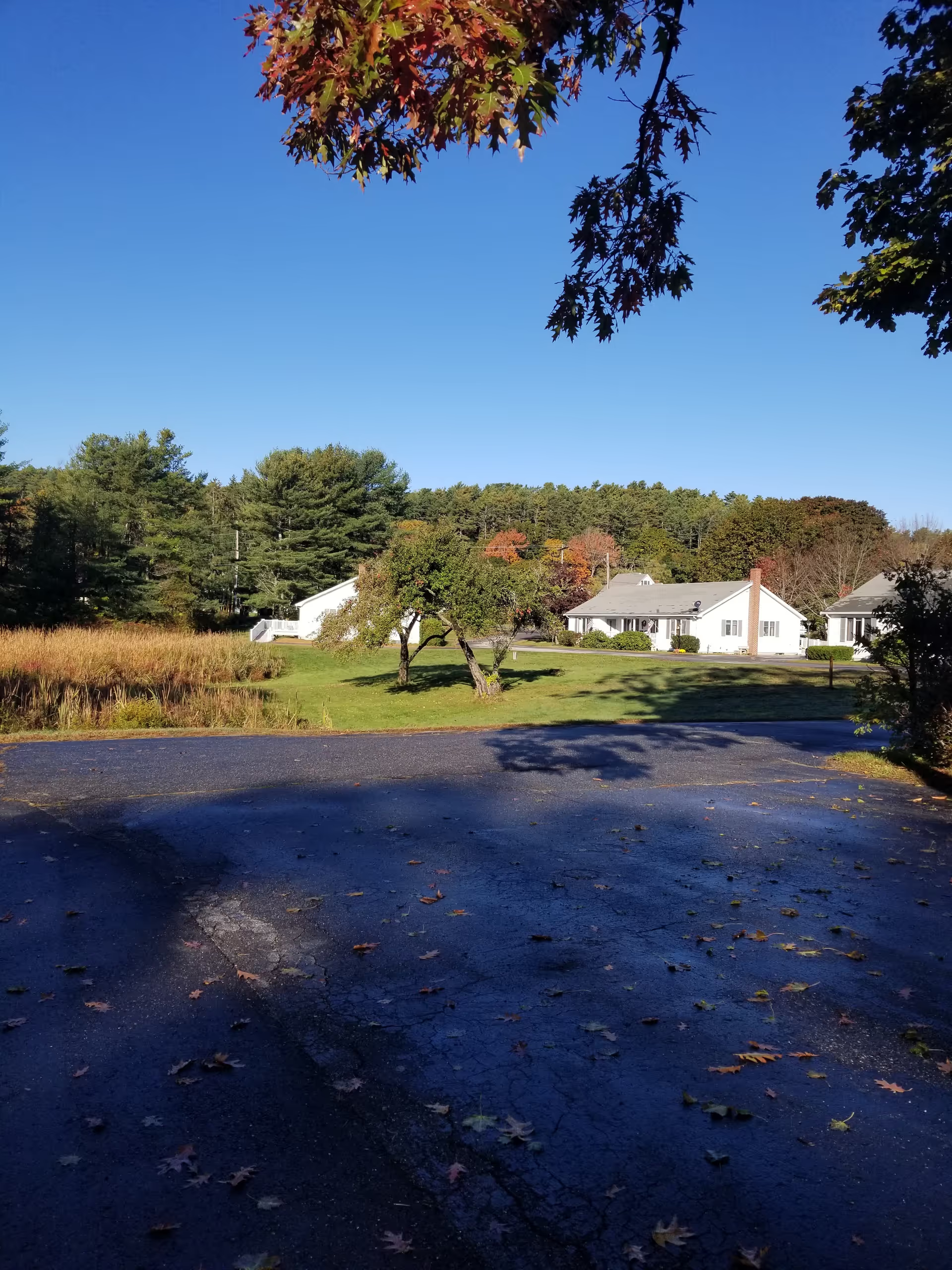
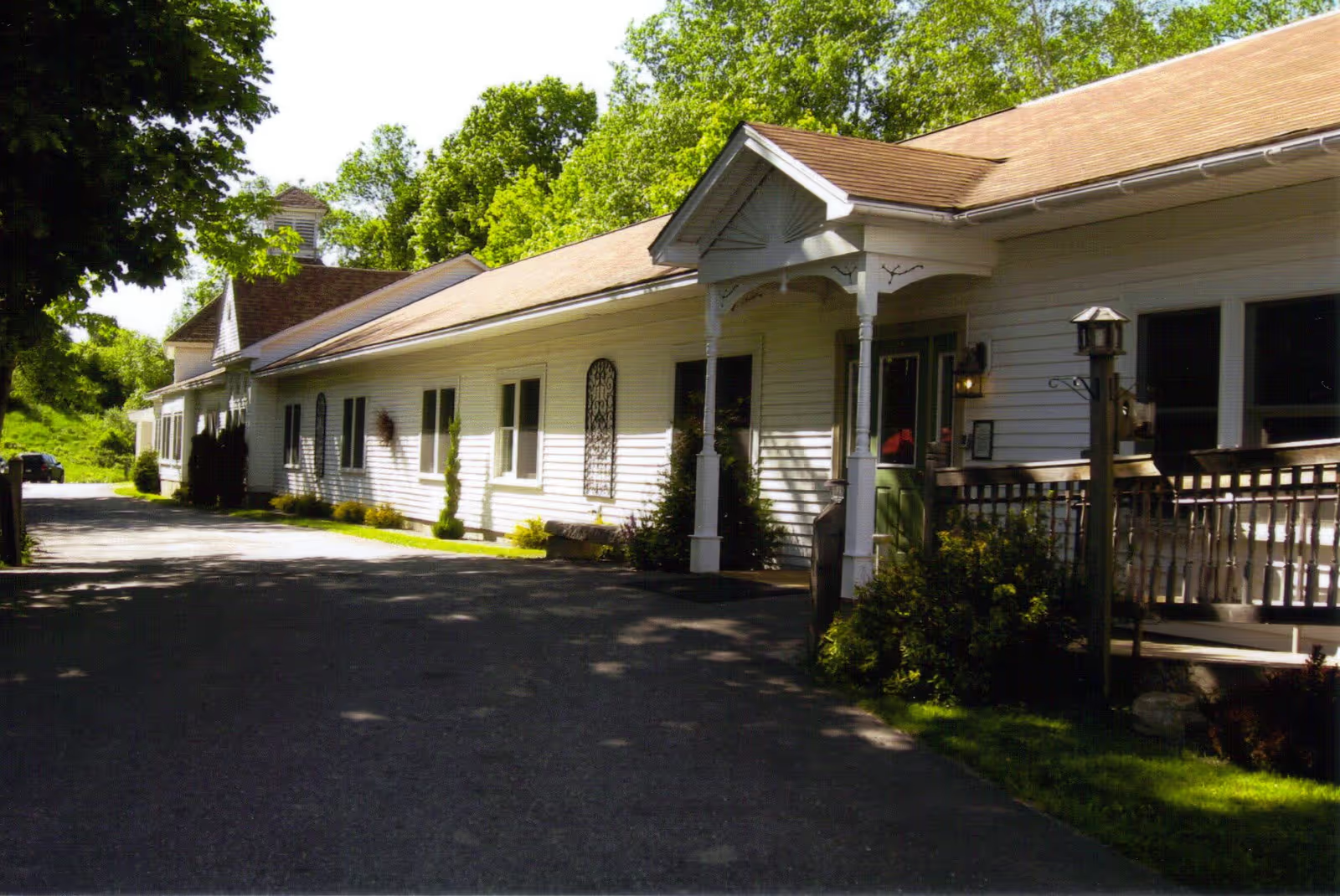
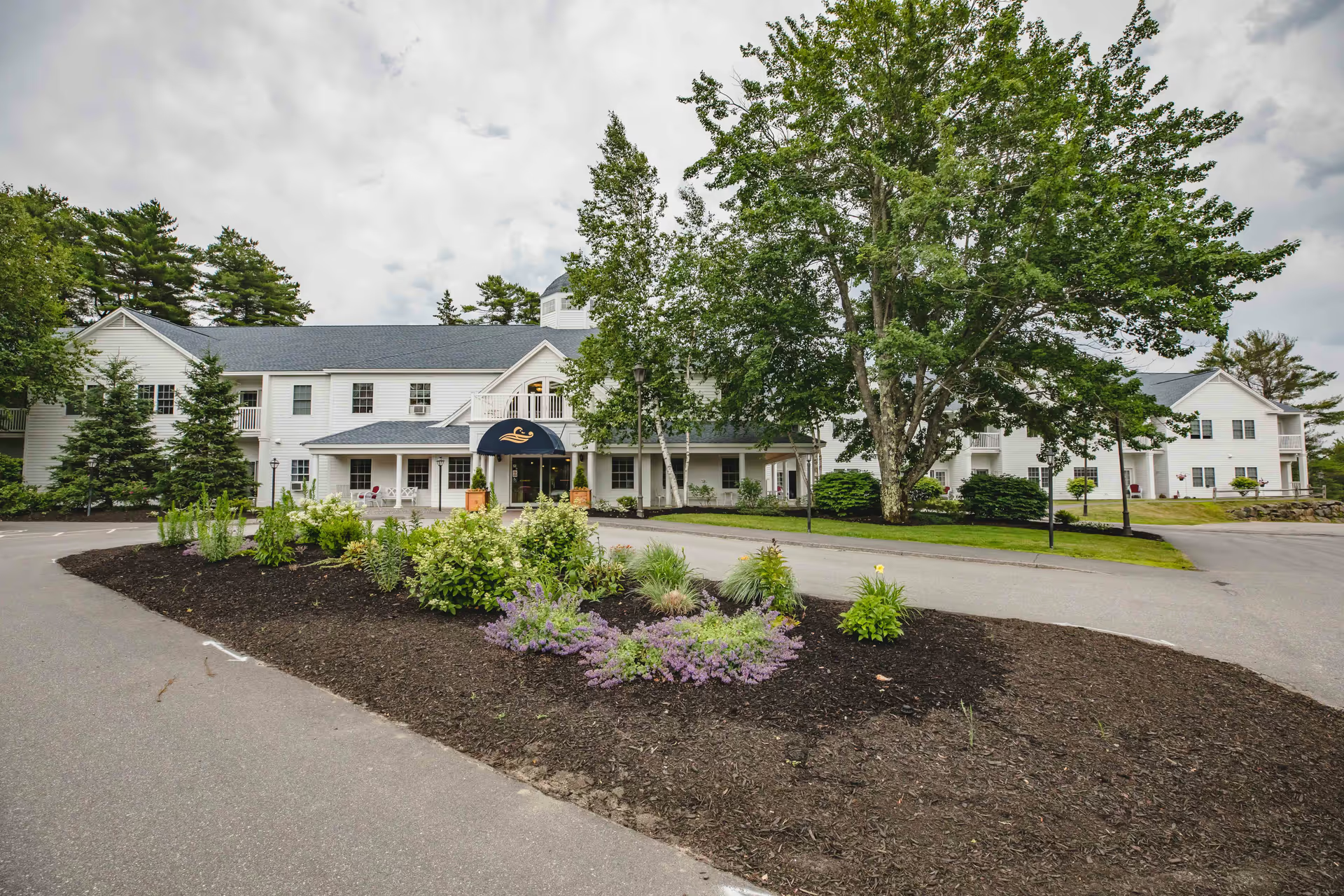
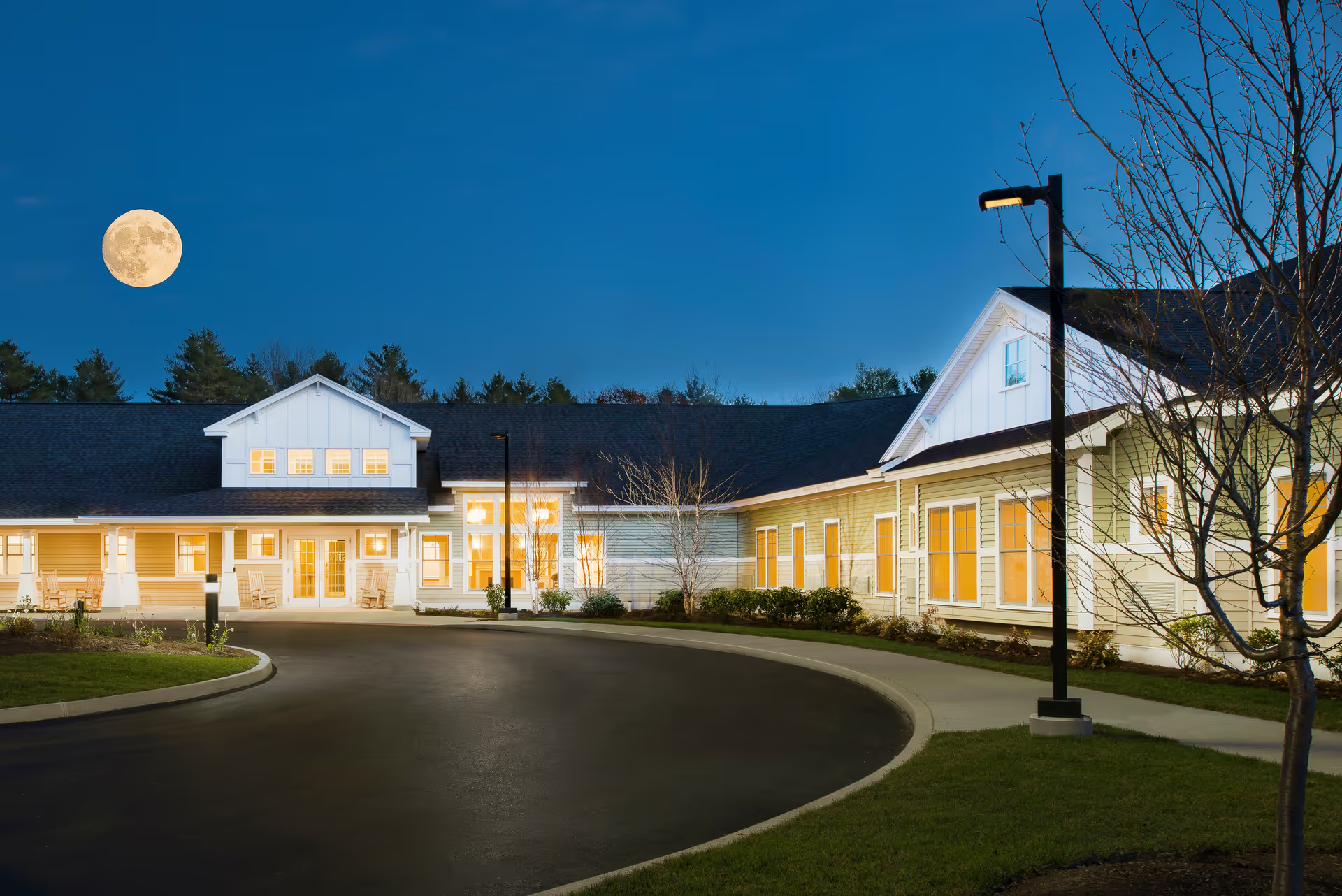
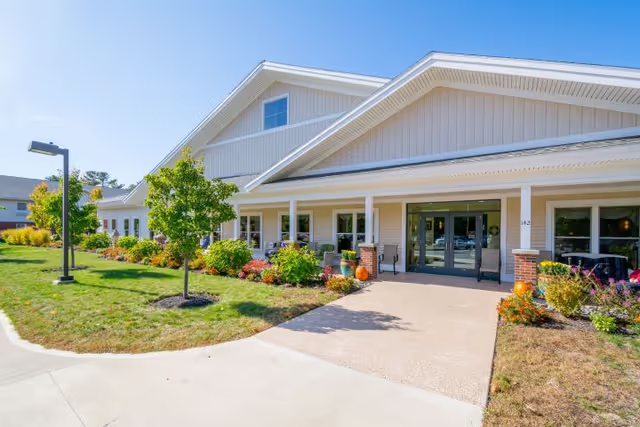
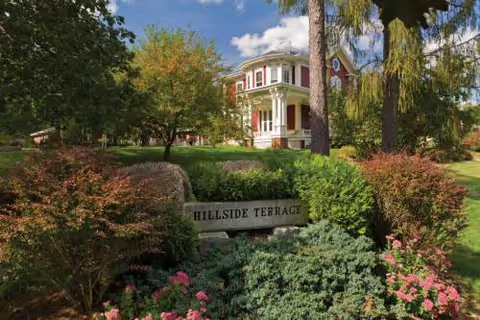
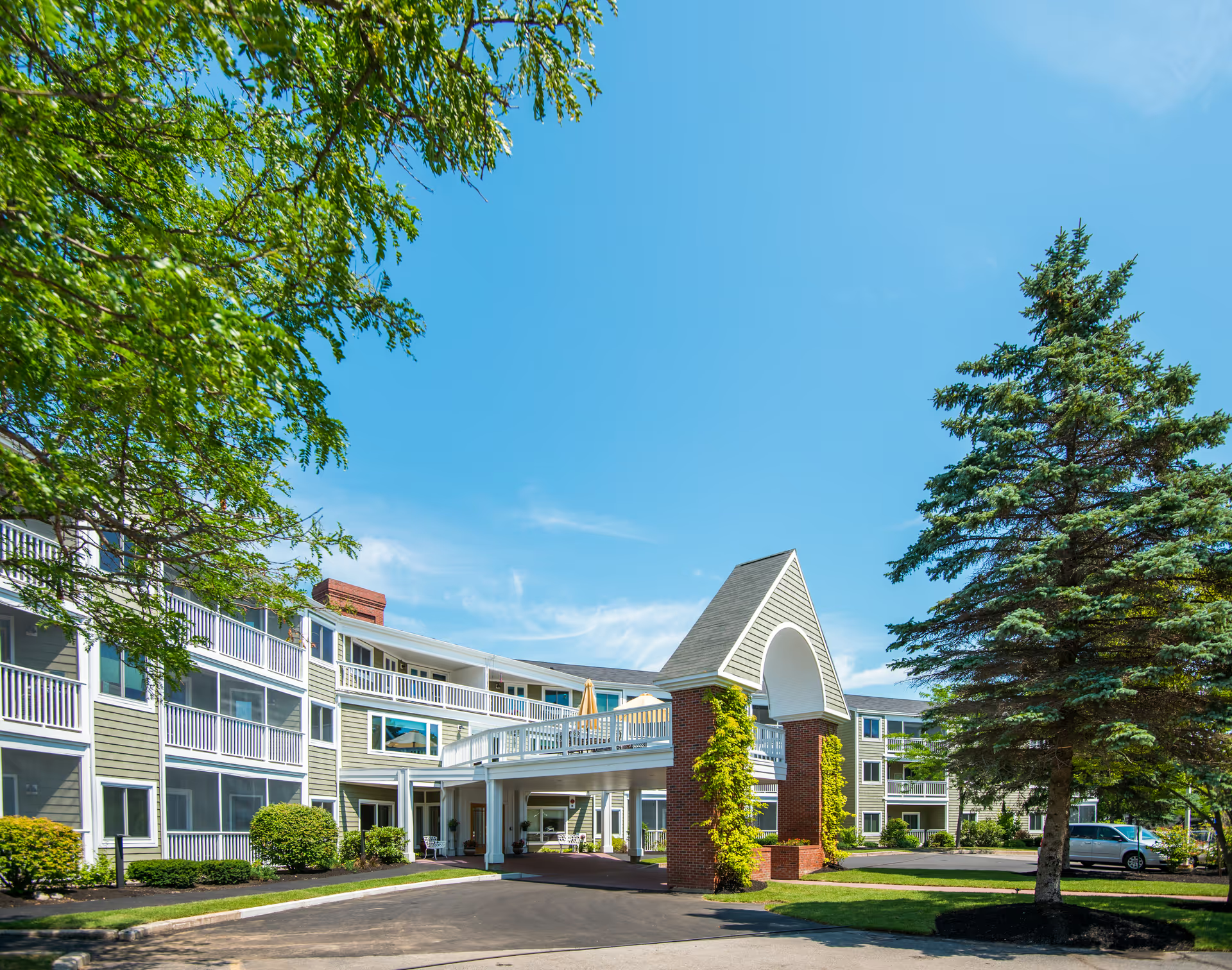
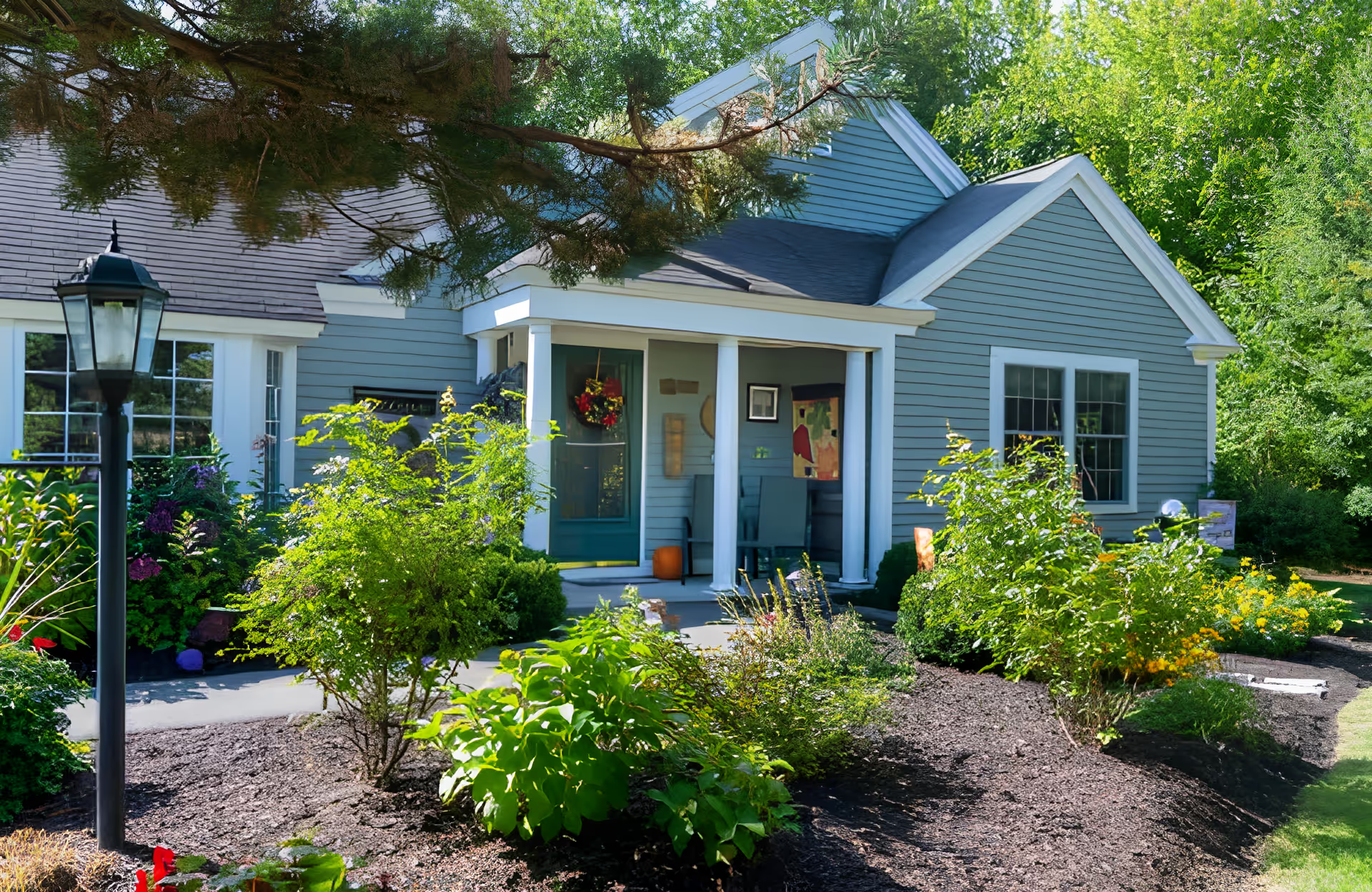
Facilities and services: The physical environment is described as well kept and clean, reinforcing the home-like ambiance many families value. One operational limitation is the absence of on-site memory-care capability; prospective residents requiring specialized memory services should consider this constraint when evaluating suitability.
Management and administrative patterns: Feedback on administration and leadership is mixed. Several accounts praise management and describe excellent experiences, while other accounts raise concerns about transparency around rate changes and administrative communication. There are allegations of misrepresentation regarding rate adjustments that signal a need for clear, written explanations of pricing and contract terms. The variability in descriptions of management suggests uneven experiences across families, which may reflect leadership change, inconsistent communication practices, or differing expectations.
Notable patterns and practical considerations: The dominant themes are strong direct-care practices, personalized attention, and a homelike culture supported by clean facilities and engaging programming. The most significant operational caveats are administrative: clarify the facility’s rate-change policy, obtain contractual details in writing, and confirm whether memory-care services are available or whether transitions would be required if needs evolve. Prospective residents and families who prioritize personalized care and a close-knit environment may find this community well suited, provided they verify administrative terms and long-term service capabilities during the tour and contracting process.