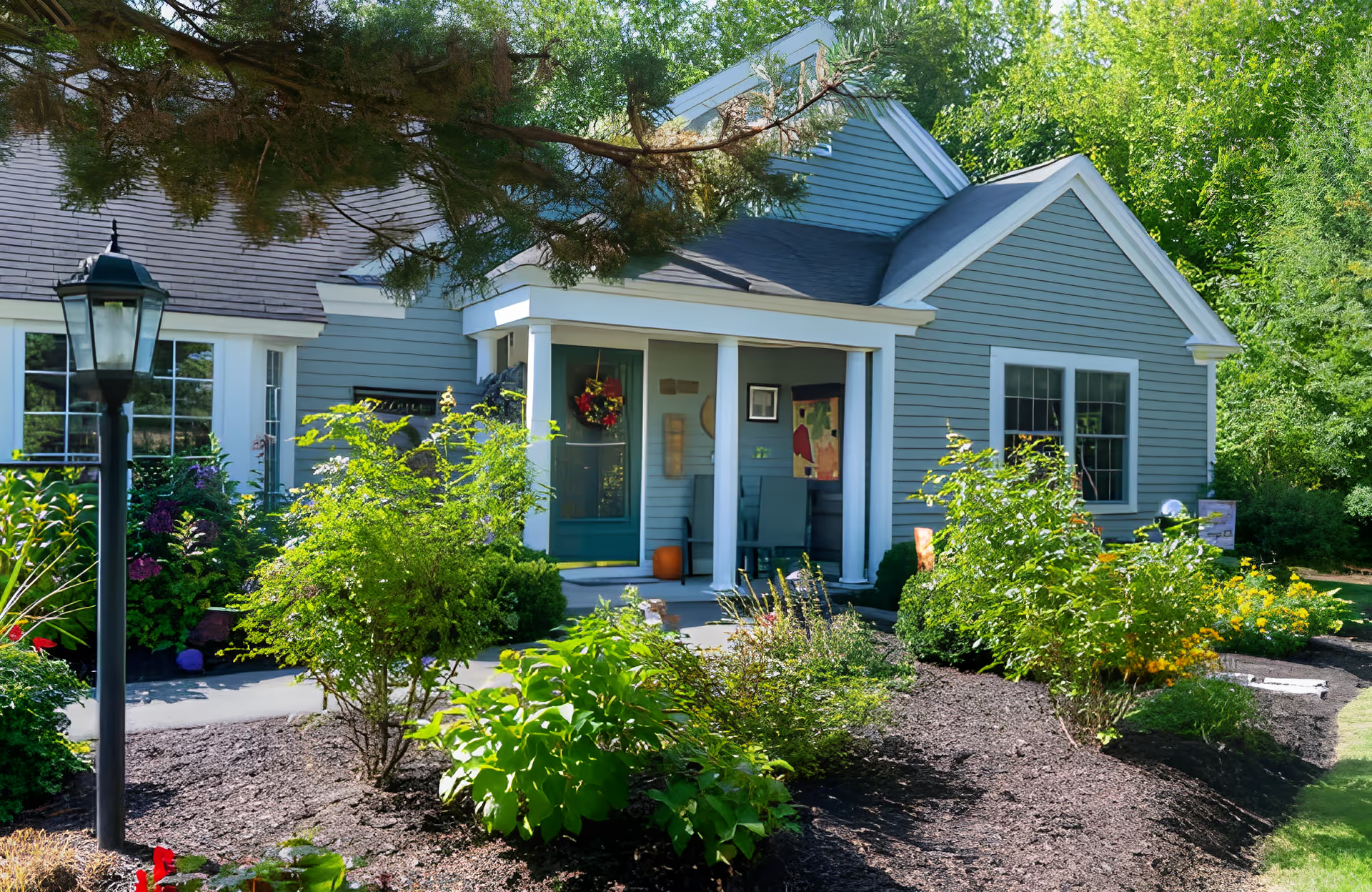
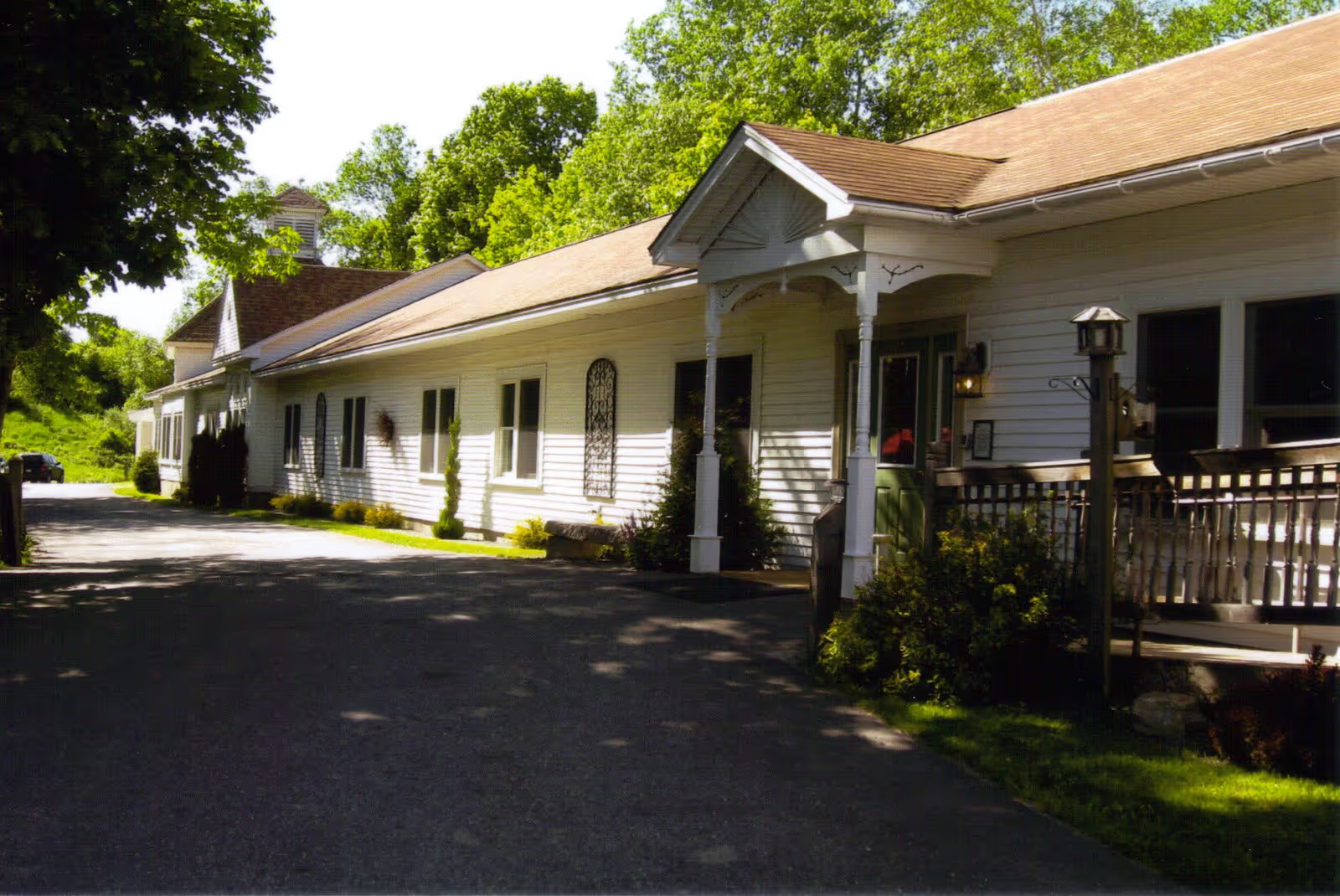
Reviews for Woodlawn Rehabilitation describe a mixed picture in which clear strengths coexist with notable operational weaknesses. On the positive side, multiple accounts emphasize compassionate, attentive nursing and administrative staff who at times go beyond routine duties to support residents and families. Families also highlighted strengths in end‑of‑life care, the availability of spacious rooms for family presence, allowance of pet visitation, and generally acceptable dining and common‑area environments. These elements suggest the facility can provide a comforting, family‑oriented setting when staffing and processes align.
Conversely, several consistent operational concerns emerge. The admission and intake experience is described as inconsistent, with limited formal assessment or welcome processes in some cases. Dietary management appears unreliable for residents with special needs or allergies, indicating gaps in accommodation and meal‑service continuity. Cleanliness and sanitation maintenance are uneven — reviewers raised odor concerns and identified areas needing more consistent environmental oversight, along with pest‑control issues in parts of the facility. Relatedly, there are reported delays in incontinence care and slow turnaround on maintenance repairs.
Staffing and logistics are another recurring theme. Accounts note staffing shortages and variable staff engagement that contribute to longer response times for assistance, supply shortages that affect care delivery, and slow maintenance. These operational constraints appear to magnify lapses in responsiveness and environmental upkeep. Administrative practices also drew criticism for creating barriers to family communication and limiting visibility or access in some cases, which can complicate family involvement in care decisions.
For prospective residents and families, the pattern suggests that experiences at Woodlawn Rehabilitation can vary substantially depending on staffing levels and unit‑specific management. Strengths to expect include empathetic nursing, family‑friendly room arrangements, and occasional above‑and‑beyond staff interventions. Important areas to review in person or discuss with administrators before placement include the facility’s intake process, allergy and special‑diet protocols, response times to call systems, maintenance schedules, sanitation and pest‑control measures, and how the facility facilitates family communication and visitation. Asking for recent inspection records, staffing ratios by shift, and examples of how dietary restrictions are managed may help clarify whether the facility’s operational practices match a family’s expectations and needs.