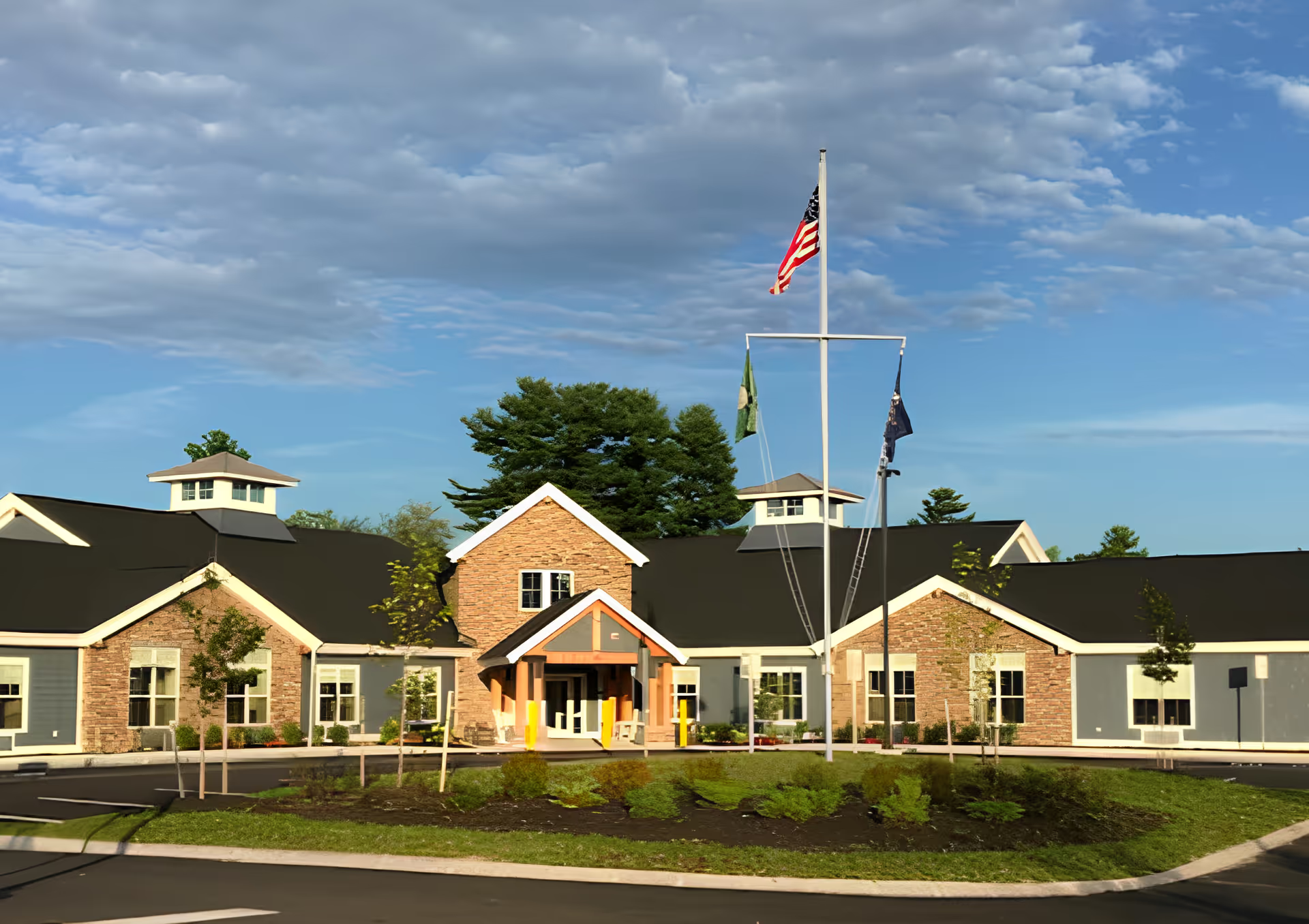
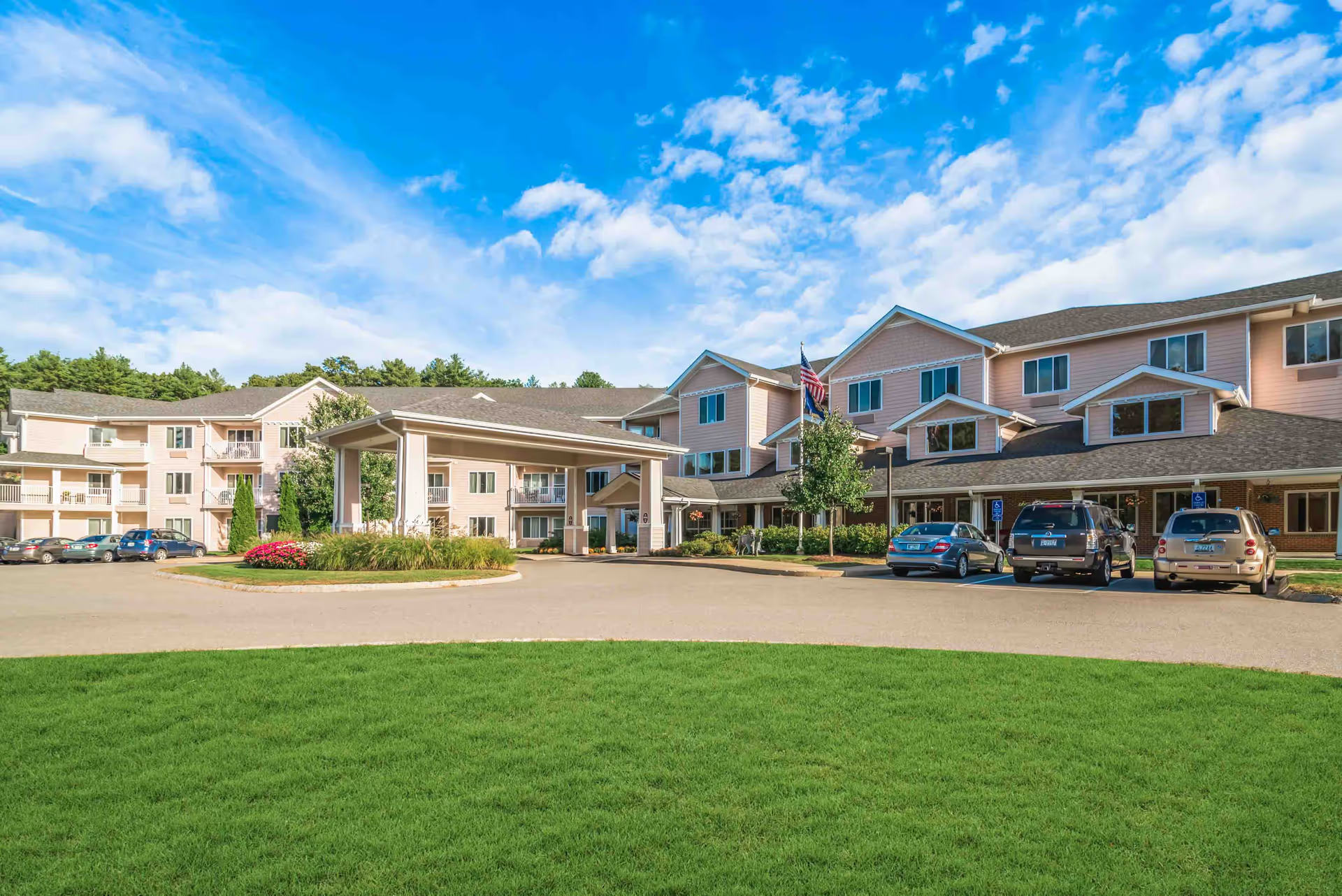
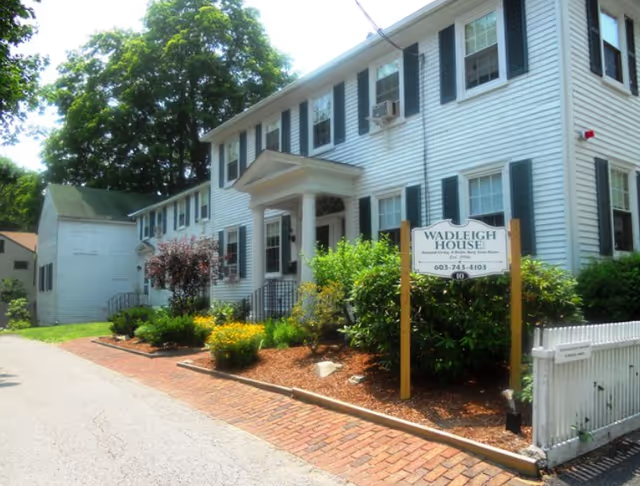
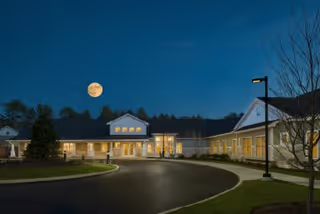
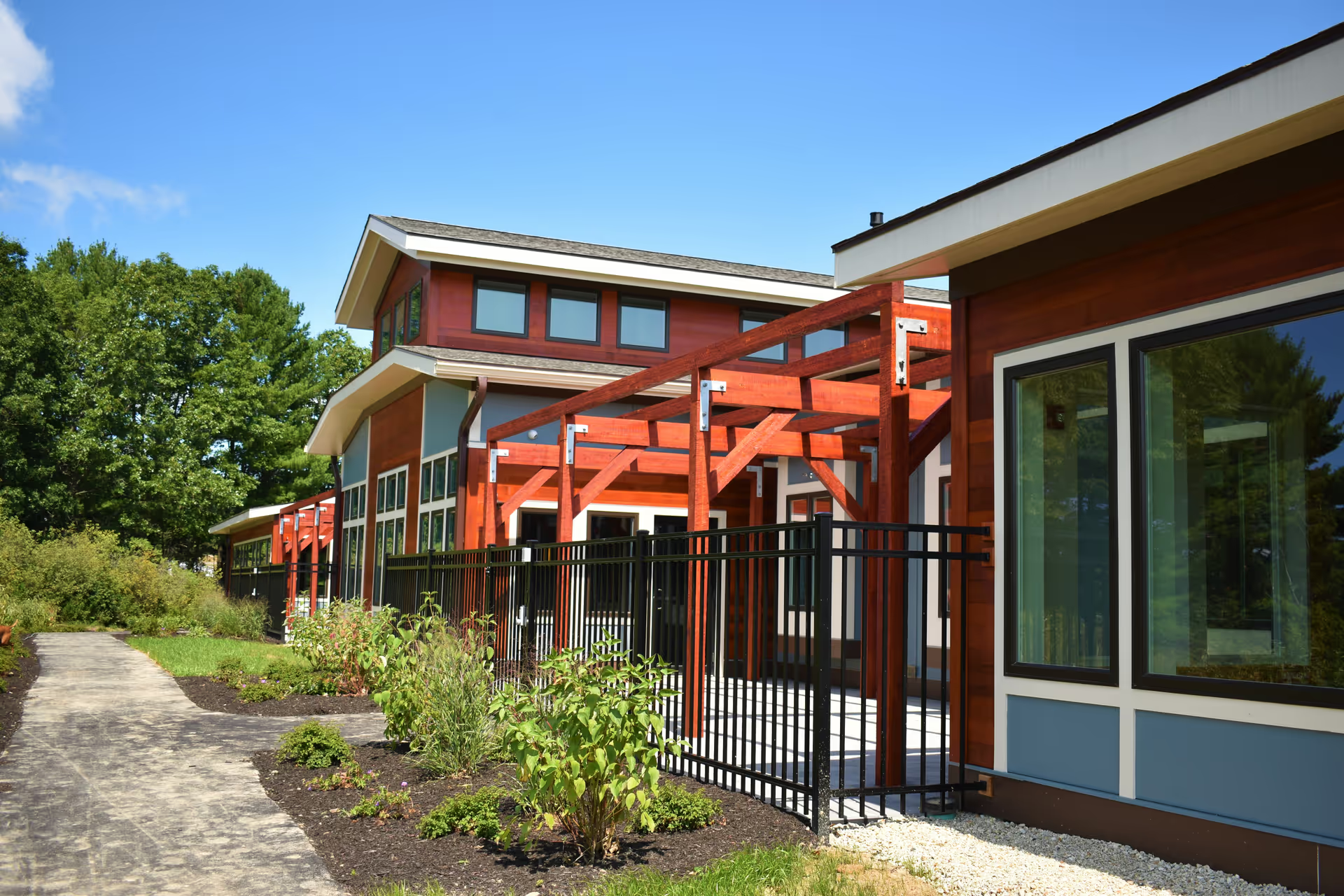
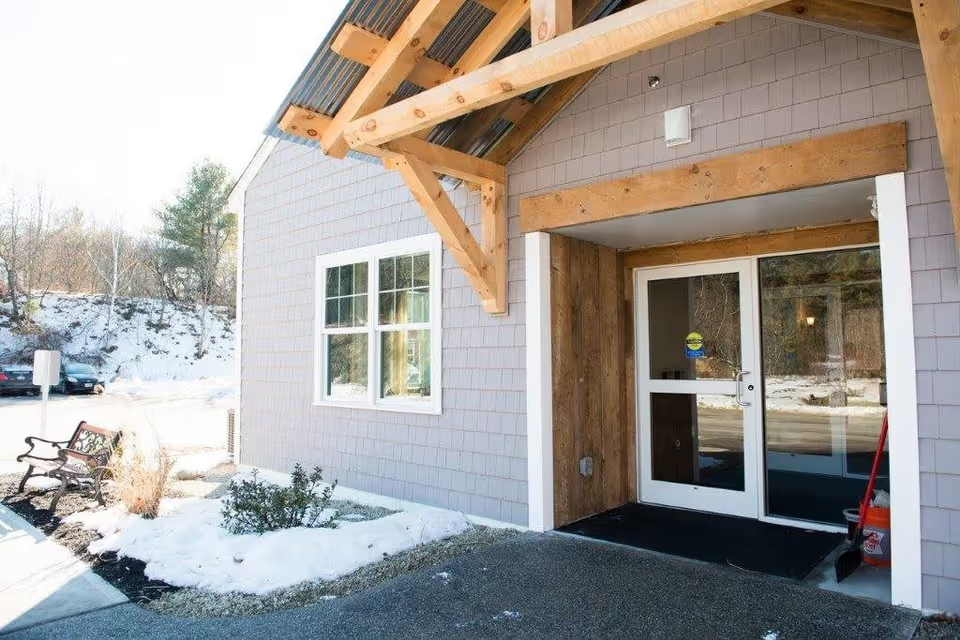
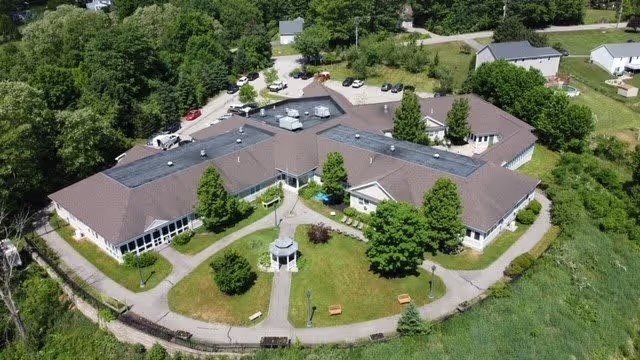
Reviews describe a community with many strengths alongside important operational inconsistencies. On the positive side, families and residents frequently note a clean, attractive campus with well-maintained grounds and a range of common areas (library, gym, meeting rooms). The physical layout—separate buildings for independent and assisted living, clustered memory care, private cottages, and a range of apartment sizes—appeals to people seeking continuity of residence. Admissions and administrative staff are often described as helpful and informative, and the facility appears to provide practical supports such as respite stays and assistance with Medicaid transitions.
Care and staffing are a mixed picture. Numerous comments highlight compassionate caregiving, long staff tenure, and individualized attention that make residents feel safe and supported. At the same time, reviewers raise recurring concerns about staffing stability and variability in responsiveness; these staffing issues are linked to inconsistent engagement, missed or delayed care tasks for some residents, and uneven experiences in clinical oversight—particularly in memory care. There are also mentions of inconsistencies in medication documentation and over-the-counter medicine management that prospective families should review in detail.
Dining and nutrition elicit both praise and criticism. The kitchen is described as well-stocked and able to accommodate dietary needs, and some residents report weight gain and enjoyment of meals. However, others describe limited menu variety, institutional-style preparation, overcooked vegetables, and inconsistent portioning. Visitors should sample meals and ask about menu rotation, special-diet processes, and meal-service continuity during their visit.
Activities and social life are active and diverse for many residents—exercise classes, bingo, trivia, outings to local sites, and excursions are regularly offered and credited with helping residents form friendships. Conversely, several reviews indicate that activity programming can be inconsistent, leaving some residents isolated or less engaged. Observing an activity period and reviewing the activity calendar can help determine whether offerings match a prospective resident’s interests and mobility level.
Management and transparency are additional areas where opinions diverge. Admissions personnel and some managers receive positive mentions for responsiveness and family-oriented communication. However, multiple reviewers raised concerns about pricing transparency, deposit and refund practices, limited availability of lower-priced units, and the potential for price increases or apartment reassignment. A small number of reviewers described experiences they perceived as profit-driven or as lacking openness during tours.
Overall, Sentry Hill at York Harbor appears to offer a well-maintained, well-located community with many examples of attentive, long-serving staff and meaningful programming. At the same time, patterns in feedback point to operational weaknesses that could affect care continuity for some residents: staffing instability, variability in memory-care oversight, inconsistent dining and medication documentation, and questions about pricing transparency. Prospective residents and families would be well served by an on-site visit that includes observing meals and activities, asking for current staffing ratios and clinical oversight procedures, reviewing medication and OTC-management policies, and getting written clarity about pricing, deposits, and unit-change policies before making a placement decision.