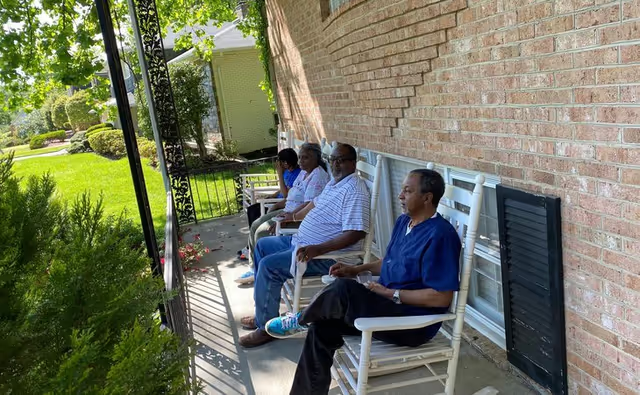
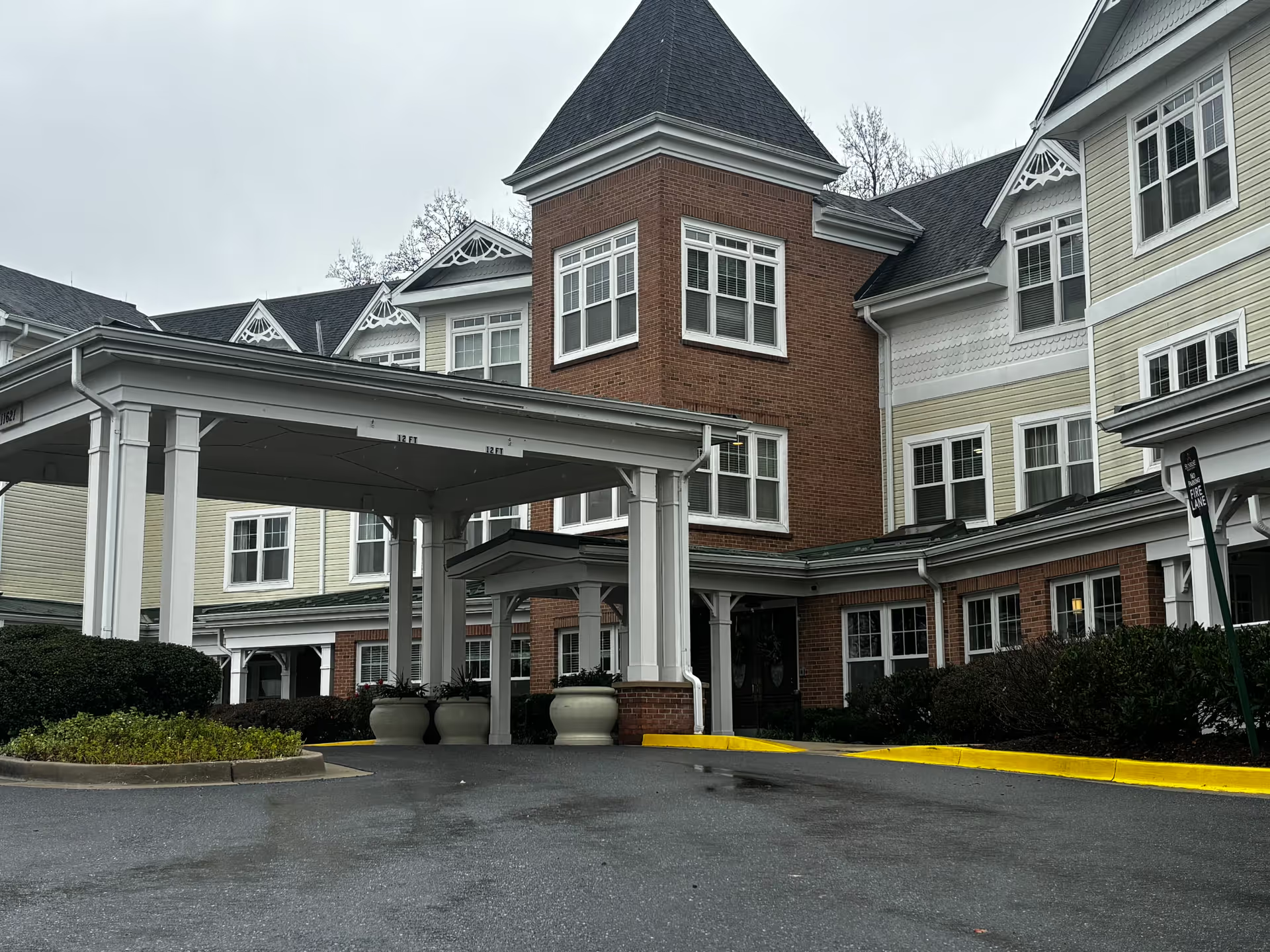
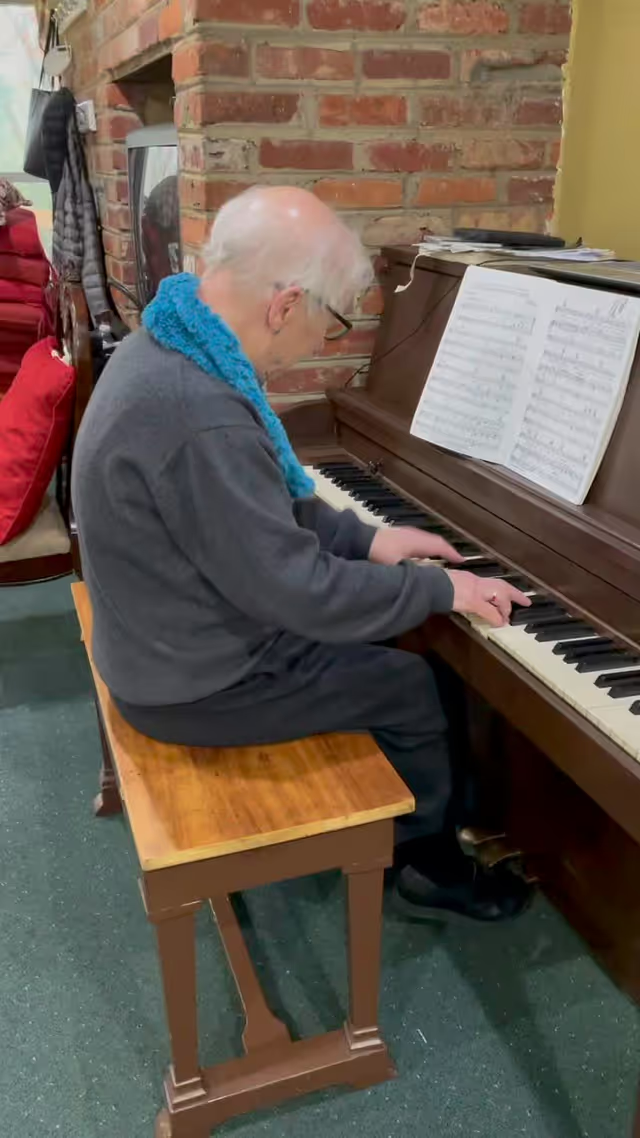
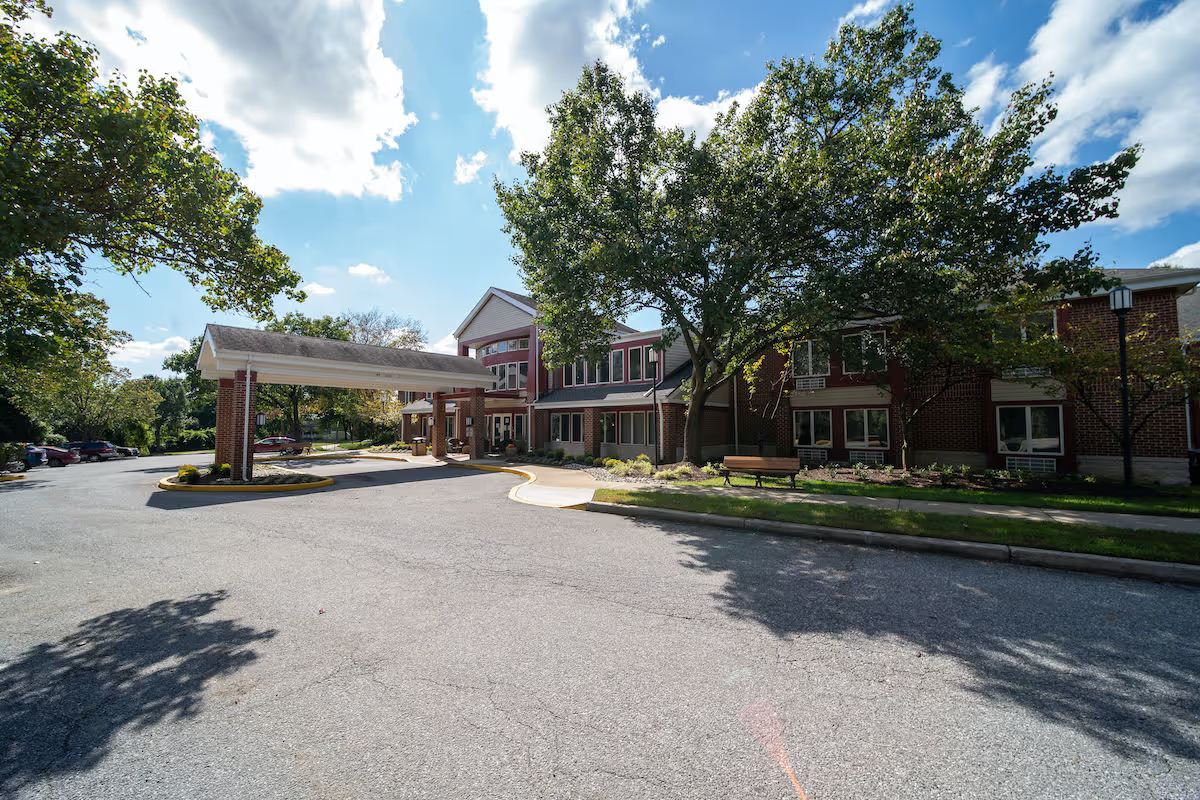
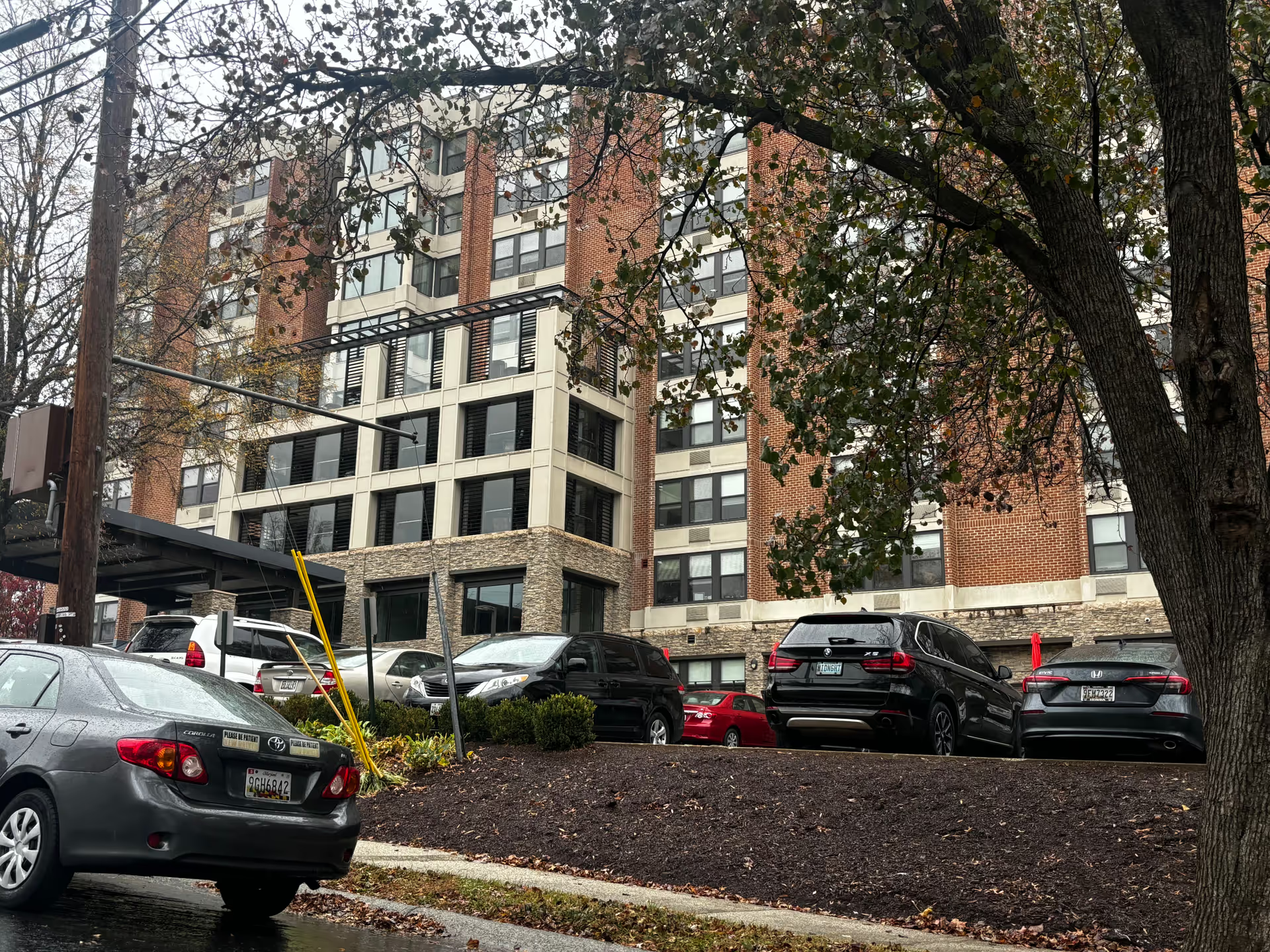
Adelphi Nursing and Rehabilitation Center elicits strongly polarized feedback. Many families and former residents praise individual staff members, the rehabilitative therapy teams, and an active recreation program that runs daily. Admissions, social work, and discharge planning are repeatedly cited as helpful by families who experienced clear transitions. At the same time, a substantial portion of commentary raises operational and safety concerns that prospective families should weigh carefully.
Care quality shows a mixed picture. Positive reports emphasize attentive therapists and nurses who support functional recovery and successful discharges. Conversely, there are recurring accounts of inconsistent clinical oversight: medication delays and administration errors, gaps in recognizing and escalating acute conditions (for example, signs consistent with stroke or infection), and reports of pressure ulcer development that were not addressed promptly. There are also multiple descriptions of unsafe or inconsistent transfer practices. Together these point to variability in clinical reliability across shifts and care teams.
Staffing and staff conduct are recurring themes. Numerous reviews commend individual caregivers by name and describe compassionate, diligent staff. At the same time, staffing shortages and high workload are frequently cited as contributors to slow response times to call bells and uneven care. Communication with families is inconsistent; callers report difficulty reaching nurses or receiving timely updates. There are also serious concerns about staff tone and behavior, including isolated allegations of discriminatory language; these suggest the need for stronger conduct monitoring and family communication protocols.
Dining and ancillary services are uneven. Many reviewers describe the therapy and activities departments positively, often highlighting energetic activity directors and robust daily programming that benefits resident engagement. In contrast, meal quality and kitchen responsiveness receive frequent criticism, with families sometimes arranging alternate meals. Laundry and linen handling processes are also noted as problematic in some accounts, indicating operational weaknesses in basic support services.
The facility environment and maintenance present clear operational weaknesses. Reports describe unfinished repairs, holes or patchwork in resident areas, and cleanliness and odor concerns in hallways and resident rooms. Pest-control concerns are mentioned in multiple accounts. Overcrowding and multiple-occupancy rooms limit privacy for some residents and contribute to family dissatisfaction about the living environment.
Management and systemic patterns vary over time. Several reviews credit recent leadership changes with measurable improvements in teamwork and responsiveness; others describe unaddressed complaints, unreturned emails, and slow incident resolution. A small number of reviews raise serious procedural questions, including allegations regarding incentivized review practices. Families describe instances where they sought regulatory or legal intervention, and a few accounts reference external escalation following adverse outcomes.
Practical takeaway for families: the facility contains clear strengths in therapy, activities, and in the conduct of many individual staff members, but also shows repeated operational risks in staffing consistency, maintenance, sanitation, clinical escalation, and family communication. Prospective residents and families should conduct an in-person visit, review recent inspection and staffing records, ask about transfer and medication-safety protocols, confirm infection-control and pest-control measures, clarify privacy accommodations, and obtain specific points of contact for escalation and complaint resolution before making placement decisions.