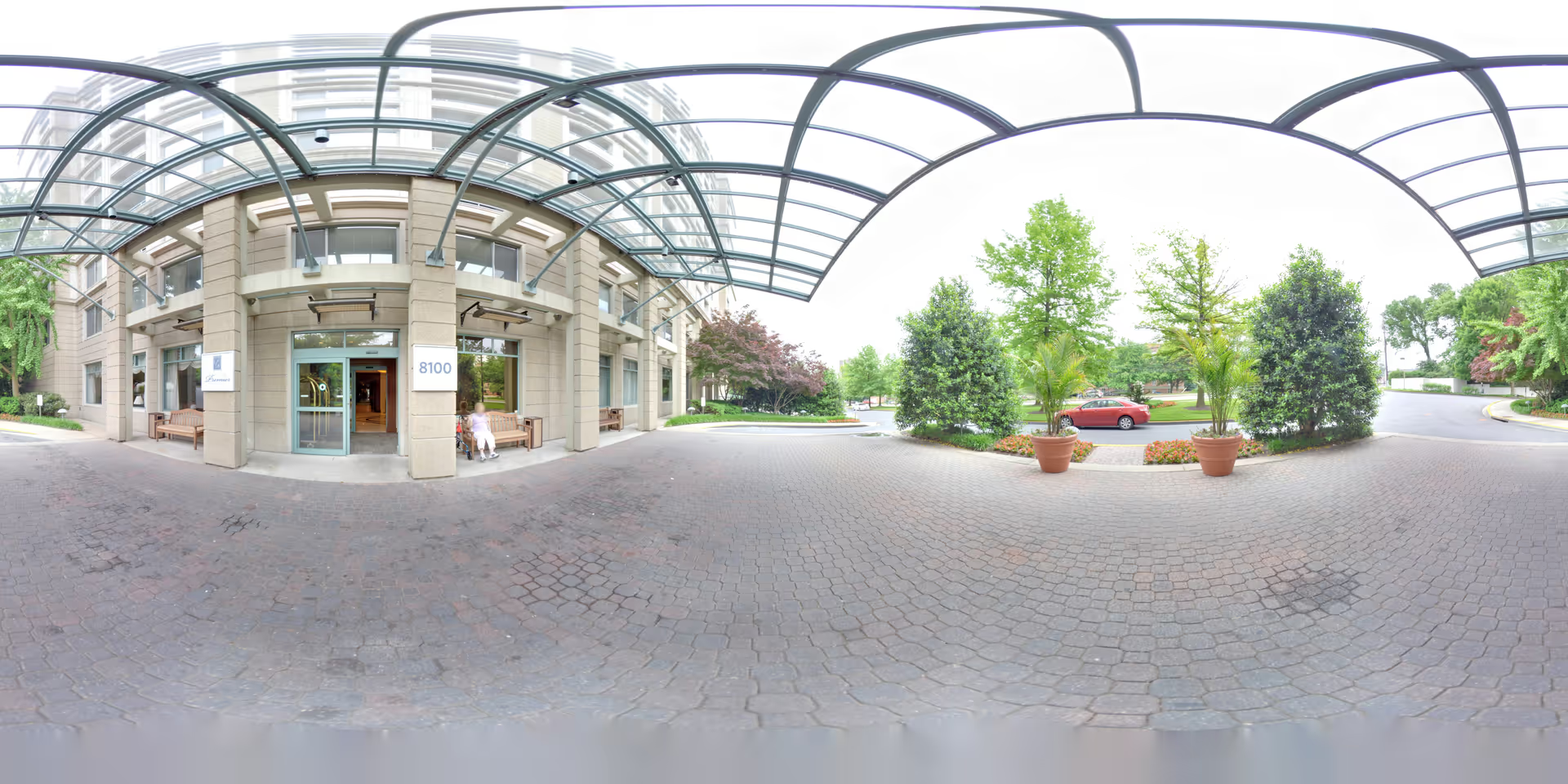
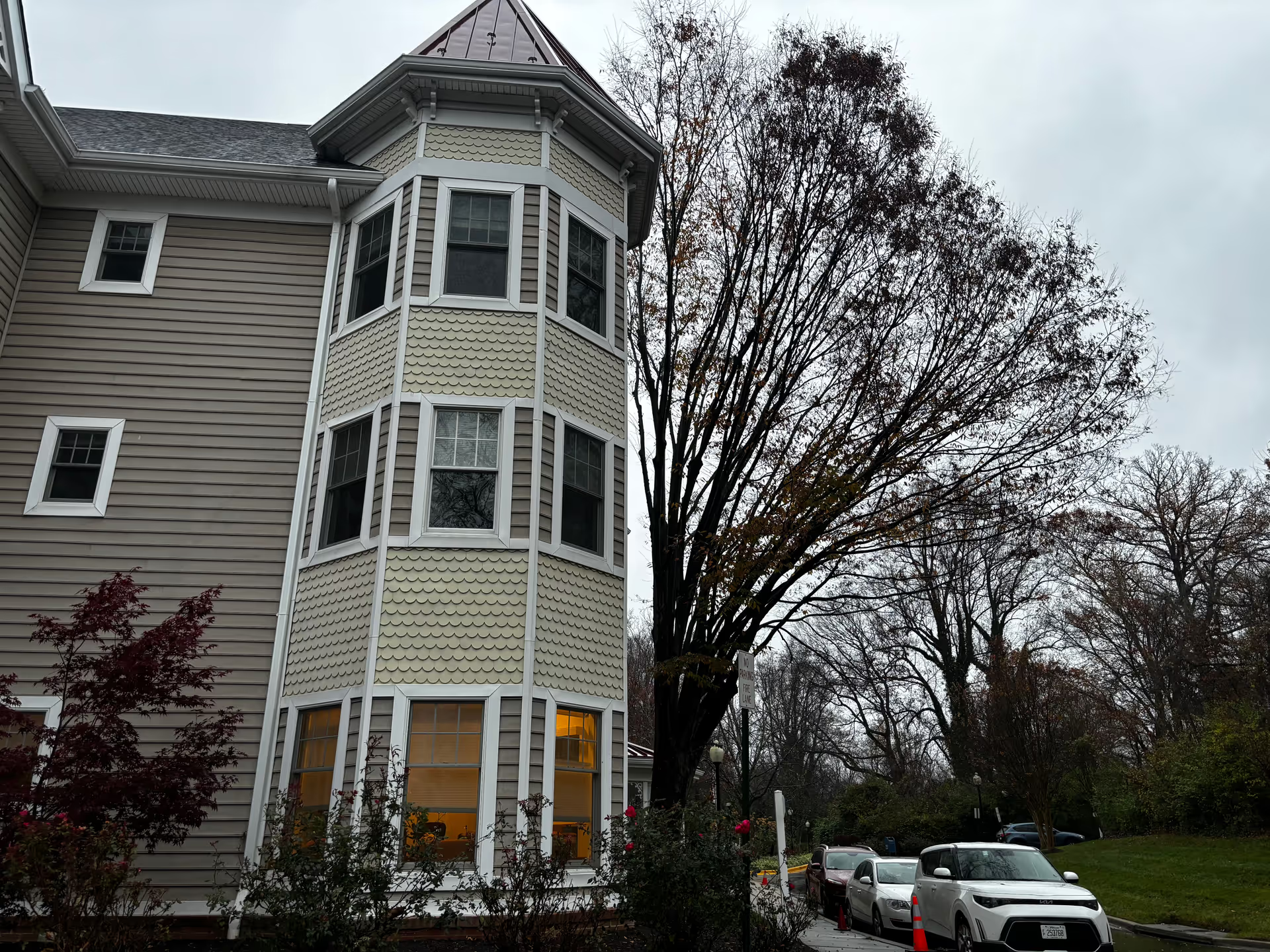
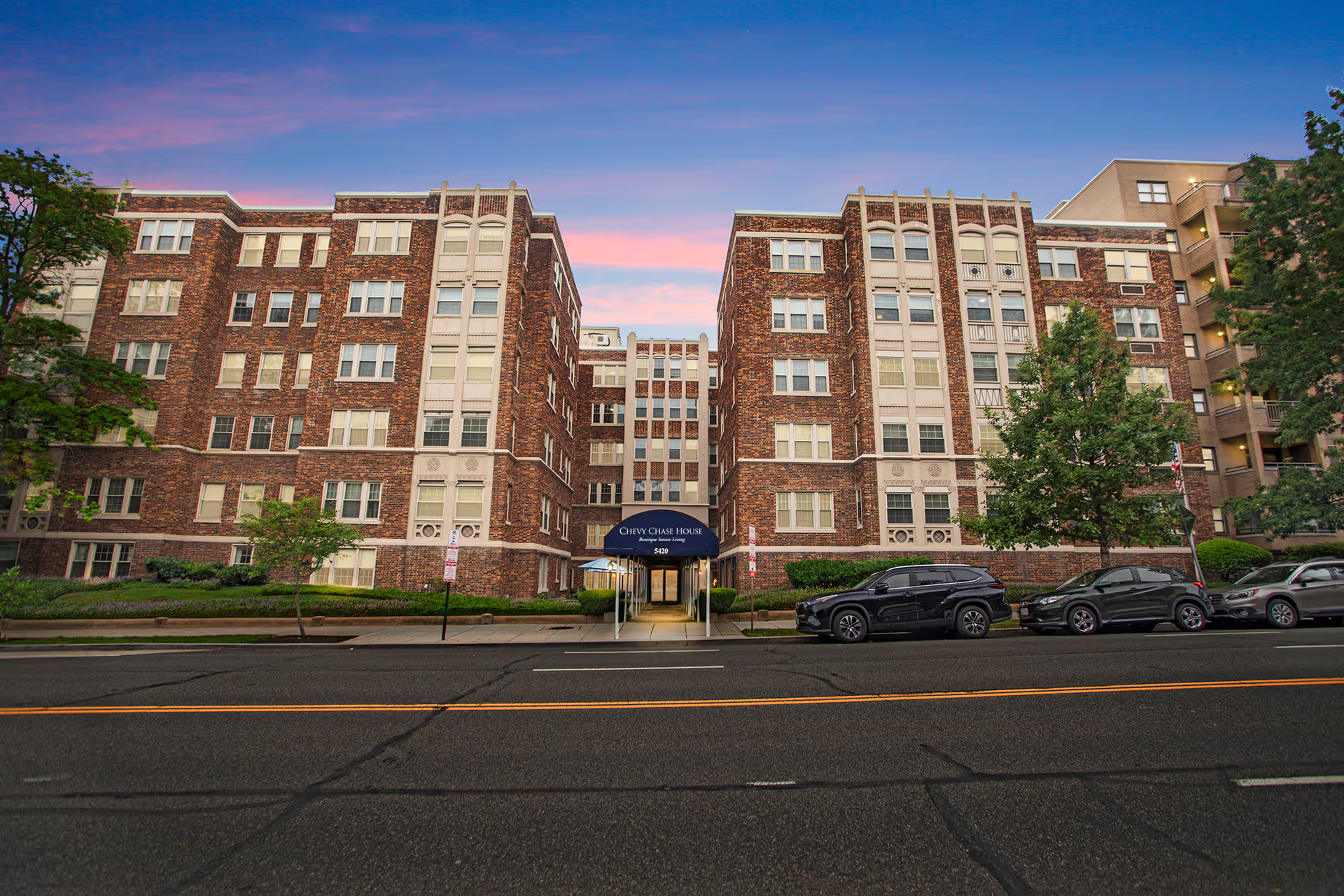
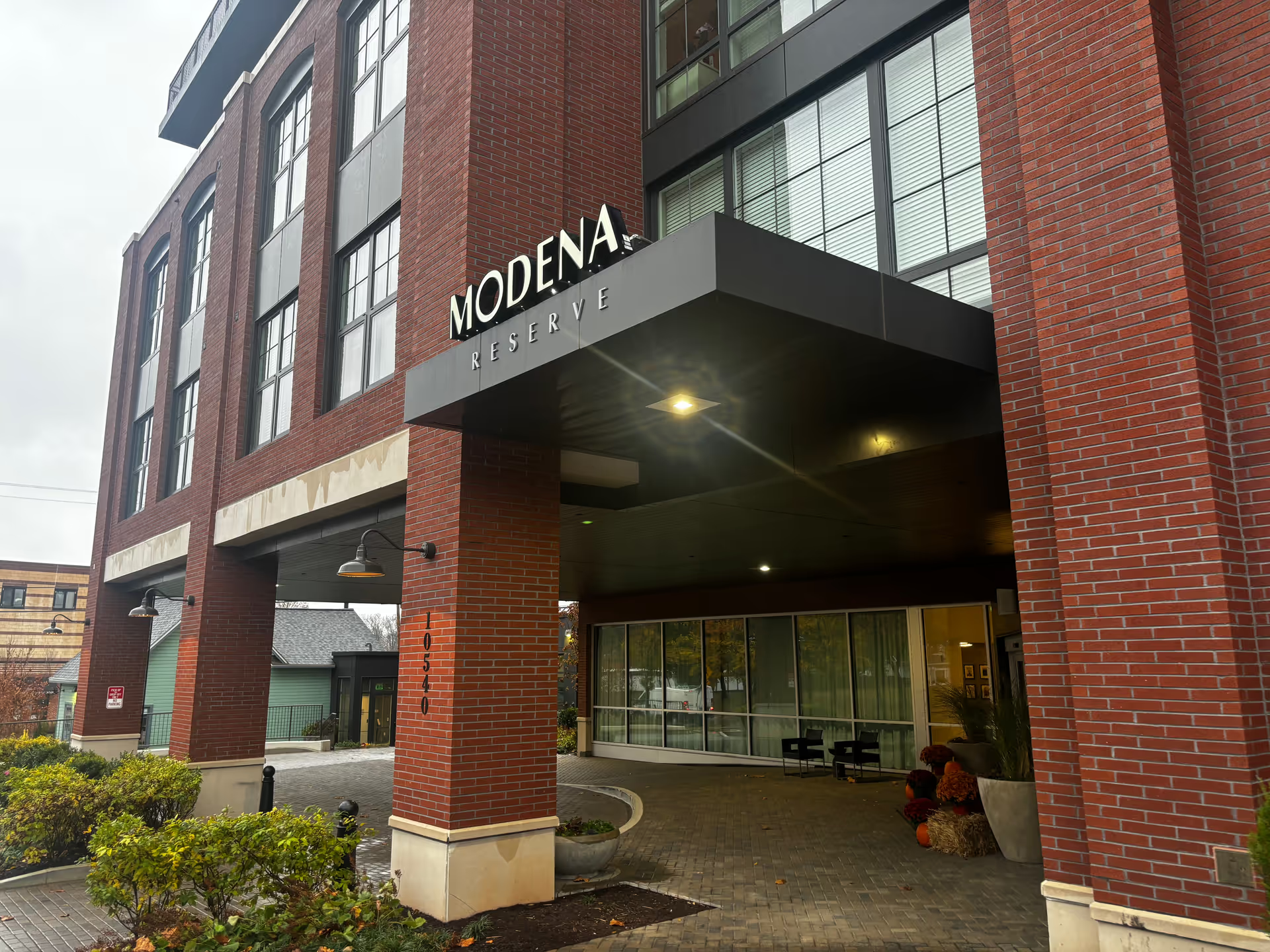
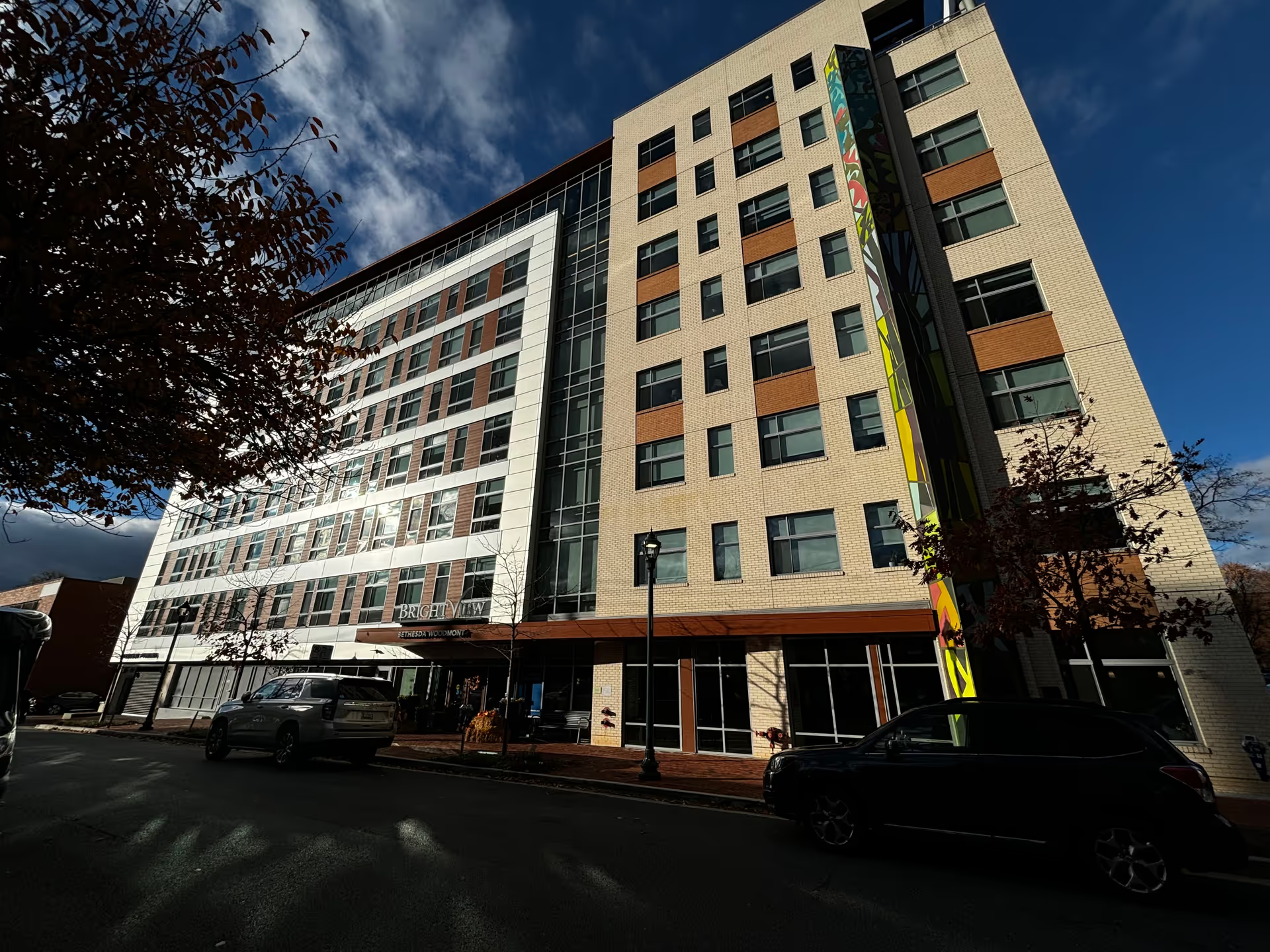
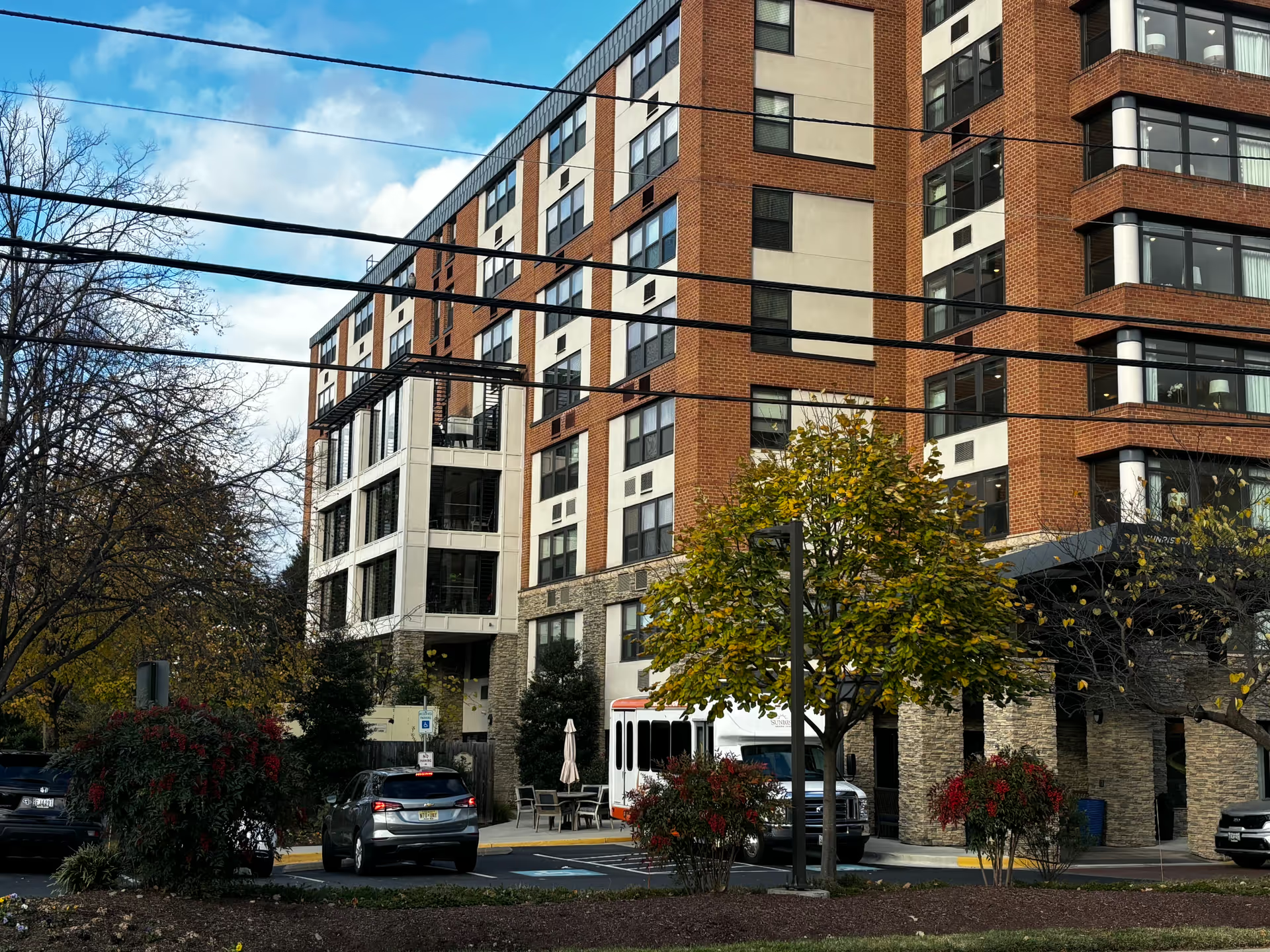
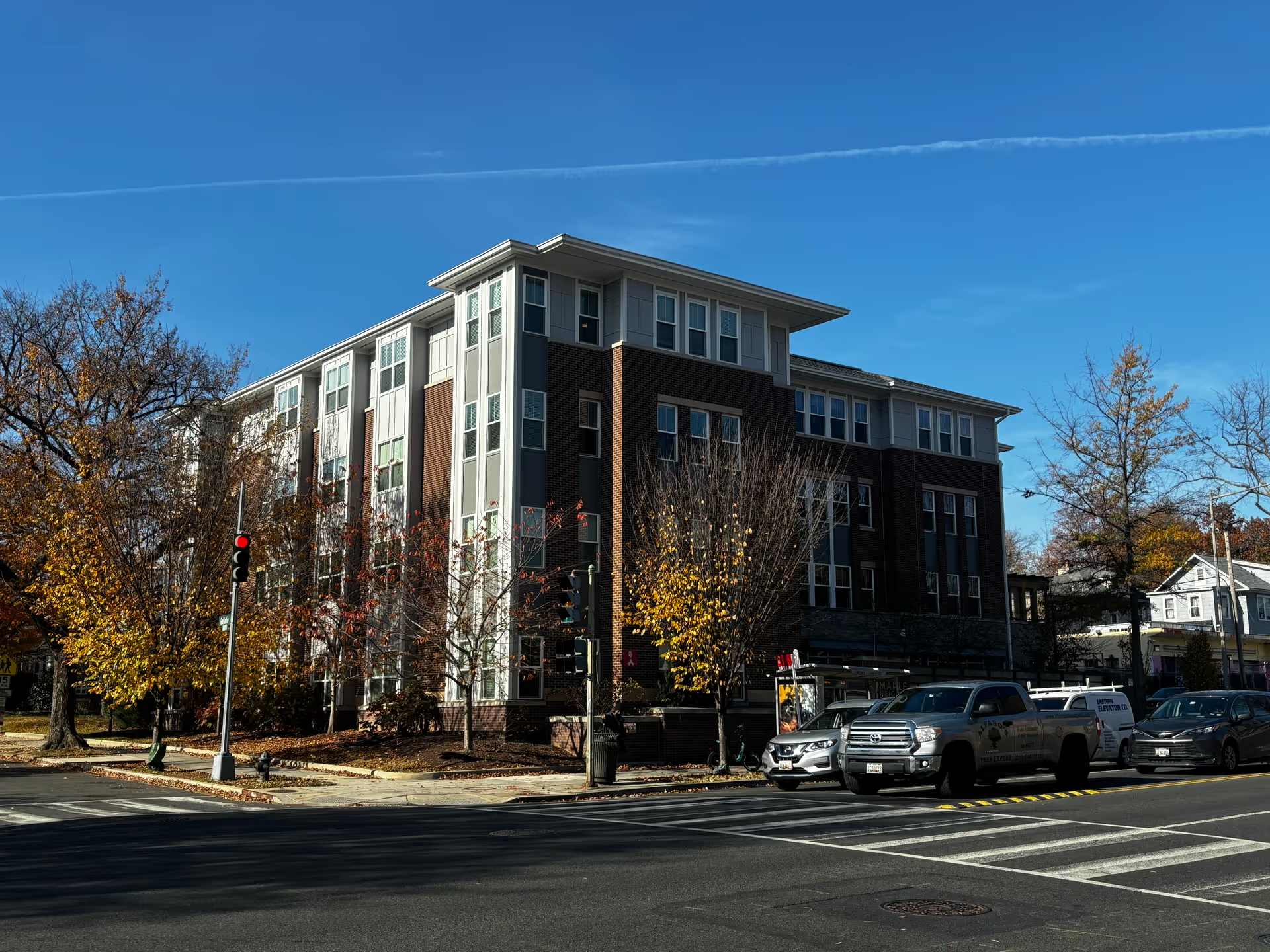
Overall impression: Sunrise of Chevy Chase presents as a modern, well-maintained assisted-living community with a distinctly hospitality-oriented environment and a strong emphasis on personalized, dignity-preserving care. The facility's appearance, common-area design, and range of apartment types contribute to a hotel-like feel that many families find reassuring. The culture of caregiving is a consistent strength: staff are repeatedly described as compassionate, attentive, and knowledgeable, with many families noting proactive communication and thoughtful, individualized attention.
Care and clinical services: Clinical oversight is a prominent positive. The community provides on-site medical and rehabilitation support, 24/7 nursing presence, and demonstrable recovery outcomes for some residents. Memory-care programming receives consistent praise for expertise and tailored approaches to dementia needs. Families report that the care team often integrates residents' personal histories and preferences into daily routines, which supports engagement and continuity. That said, a number of families described an initially bumpy clinical intake or onboarding process; prospective residents should expect an orientation period and confirm care-plan timing at move-in.
Staff and management: Staff-to-resident interactions and teamwork are frequently highlighted as exceptional. Many reviewers call out specific leadership qualities — approachability, transparency, and responsiveness — though there are also descriptions of variable management consistency and occasional gaps in staff training for certain elder-care tasks. These operational inconsistencies can surface as uneven experiences between floors or shifts. Communication tends to be a strength overall, but families advised verifying how the community coordinates outside physicians and specialty care, as some reported needing more support in that area.
Dining and hospitality services: The facility's hospitality amenities and social programming receive broad praise, including live music, piano in common areas, games, exercise classes, and salon/fitness spaces. However, dining is an area of mixed feedback. While some families commend the chef and menu variety, others cite bland dishes, inconsistent meal preparation, and dining-room organizational problems. Meal-service delays, occasional mix-ups, and limited beverage service unless requested were noted as operational weaknesses, especially during periods of higher census or staffing strain. Prospective families may want to observe a meal period during a tour and inquire about dining staffing models and peak-time procedures.
Activities and resident life: Activity staff are described as enthusiastic and creative, offering a range of options that appeal to varied interests — from Scrabble and crafts to live music and channel-based activities. Personalization of programming and efforts to keep residents engaged are clear strengths. Nevertheless, some residents with higher dependency or sensory limitations may find fewer accessible options; families should discuss activity adaptations and participation support when evaluating fit.
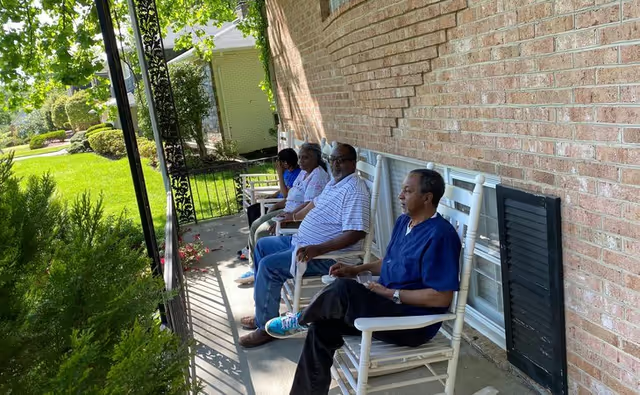
Facilities and logistics: The building is described as bright, clean, and architecturally modern, with useful amenities such as physical-therapy spaces, salon, and outdoor patios. Practical limitations include elevator and circulation bottlenecks in busier periods and outdoor spaces that some families found limited. The facility is perceived as higher cost; many families judge the price reasonable given the level of care and amenities, while others note the expense as a deciding factor.
Notable patterns and suggestions for prospective families: The dominant pattern is a highly engaged caregiving team that delivers compassionate, personalized care and strong memory-support services. Operational areas to probe during a visit include dining service logistics (meal timing, menu quality, beverage service), how the community coordinates with outside medical providers, staffing patterns at different times of day, and elevator or access logistics if mobility is a concern. Asking for recent examples of onboarding, medication-management practices, and activity adaptations for higher-dependency residents will help clarify fit. Overall, the community is widely regarded as providing peace of mind and strong day-to-day care, with trade-offs that center on dining consistency, occasional management variability, and higher cost.