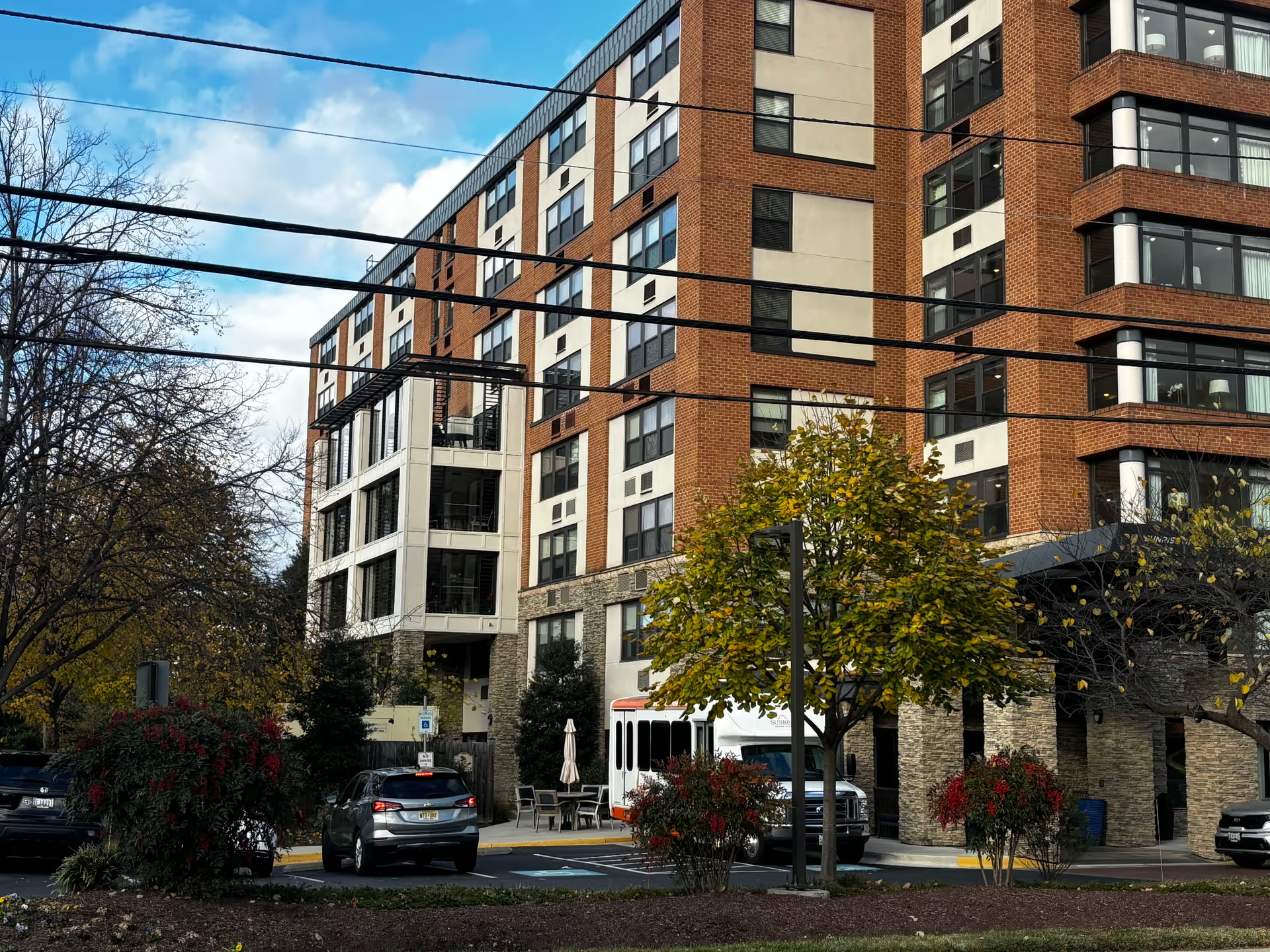
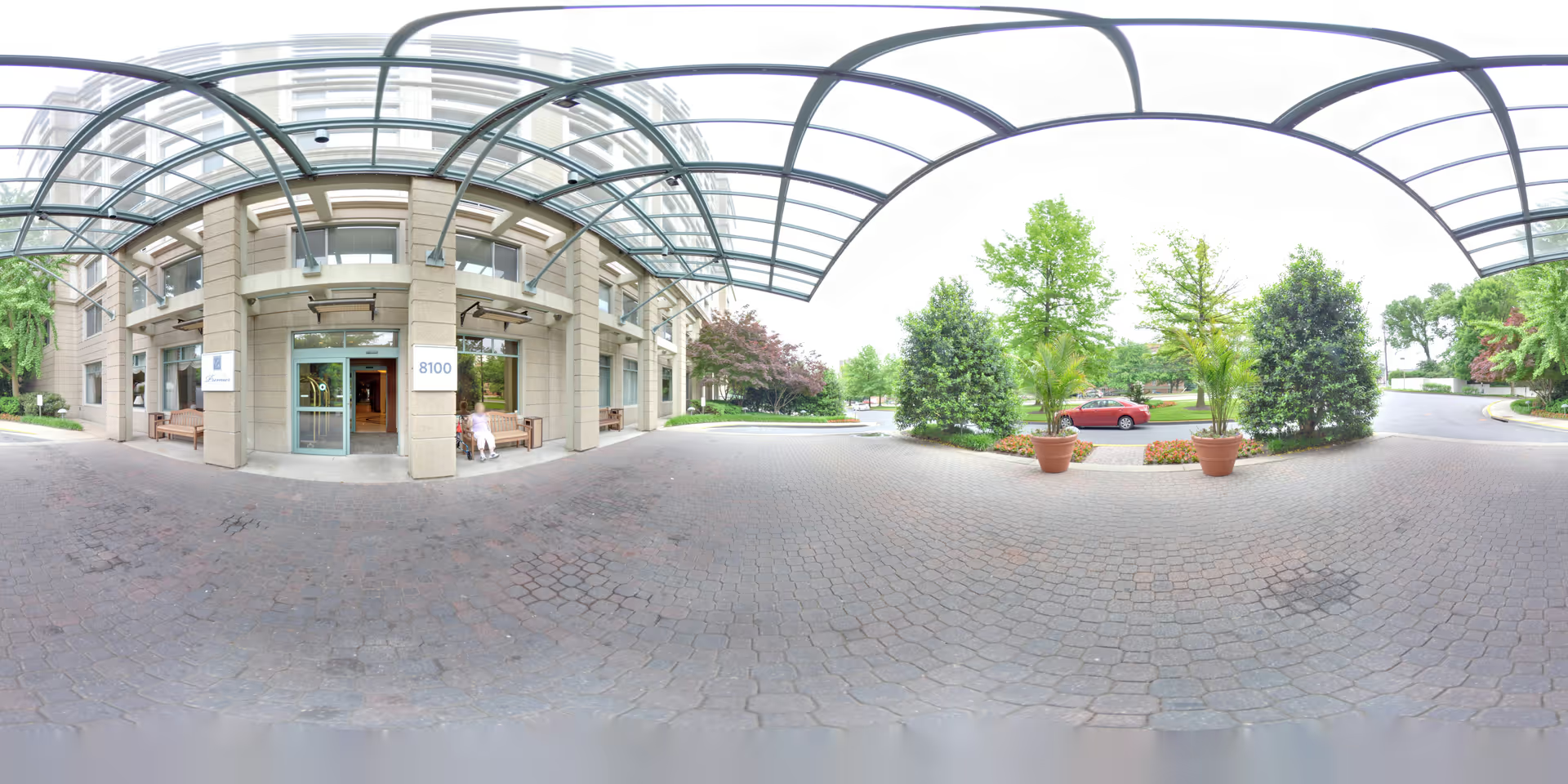
Modena Reserve Bethesda is consistently described as a modern, well‑maintained assisted‑living and memory‑care community with a clean, bright, and upscale environment. Reviewers praise the physical plant — elegant dining rooms, spacious common areas, and thoughtfully appointed apartments — and emphasize a home‑like atmosphere with active social life. The building’s central Bethesda location is attractive to families who value walkability and proximity to downtown amenities.
Care quality and staff are frequently cited as the community’s strongest features. Nursing aides, nurses, concierge and front‑desk staff receive repeated commendations for warmth, attentiveness, and personalization of care; staff are noted to engage residents in activities, assist with celebrations and family connectivity, and to observe safety‑first practices. Memory‑care programming is highlighted as robust, with staff able to adapt routines and create individualized attention for residents with cognitive impairment. At the same time, reviewers indicate concerns about staffing continuity and turnover; prospective families should inquire about current staffing ratios, turnover rates, and contingency staffing plans.
Dining and culinary offerings earn high marks when operations are stable — several descriptions mention elegant, first‑class meal service, wide menus, and memorable events. However, there is a clear pattern of inconsistency in meal‑service continuity and quality tied to staffing changes in the kitchen. Families should verify current culinary leadership, catering contingency plans, and communication protocols should service disruptions occur.
Activities and community life are strengths: daily social programming, happy hours, musical and holiday events, and frequent resident engagement are repeatedly noted. The overall tenor described is sociable and welcoming, with staff facilitating both day‑to‑day routines and special occasions. These elements contribute to a sense of community and resident satisfaction for many families.
Operational and administrative issues deserve attention. Several reviews indicate gaps in billing, bookkeeping, refunds, and vendor‑payment administration that created frustration for families. There are also comments about a sales‑focused admissions process and the influence of external ownership on operational priorities. Management responsiveness and family communication are uneven in some accounts; prospective families should ask for written examples of billing policies, refund procedures, and standard communications pathways for concerns and escalation.
The facility’s urban setting is a mixed tradeoff: the property is modern and compact but offers limited outdoor and exercise space compared with suburban alternatives, and apartment footprints are described as smaller. Cost is perceived as relatively high given unit sizes and urban constraints. Infection‑control measures are described as professional and safety‑oriented, though some families found policies restrictive during peak outbreak periods — clarify the current visitation and infection‑control protocols and how flexibility is handled.
In sum, Modena Reserve Bethesda presents as a high‑end, well‑kept community with a strong culture of resident engagement and generally praised caregiving staff. The principal areas for due diligence are administrative reliability (billing and vendor management), dining continuity, staffing stability, and the specifics of visitation and infection‑control policies. Families considering the community should tour multiple times, meet care leadership and dining management, review contract and billing policies in writing, and ask for current staffing and turnover data to confirm alignment with their expectations.