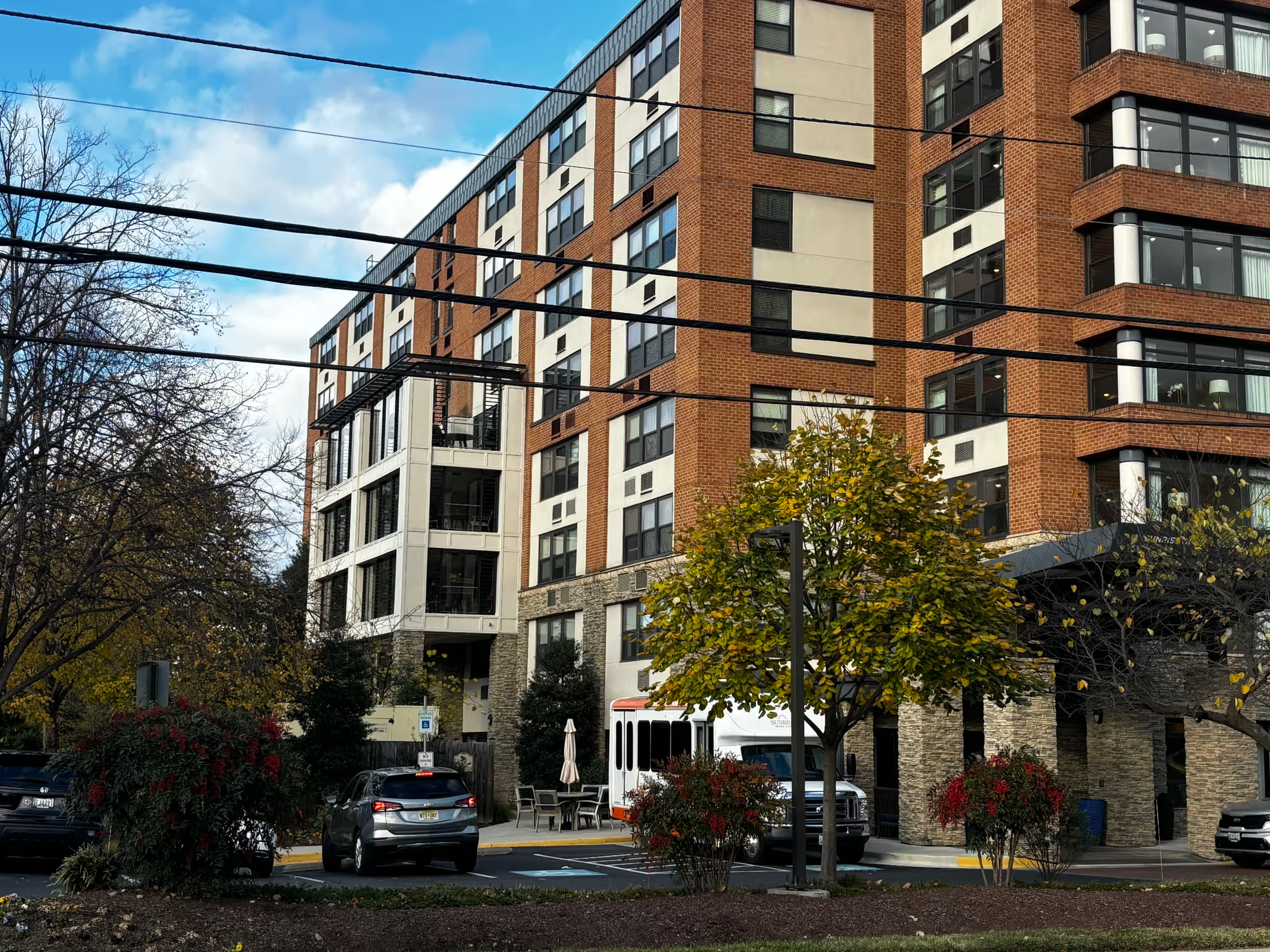
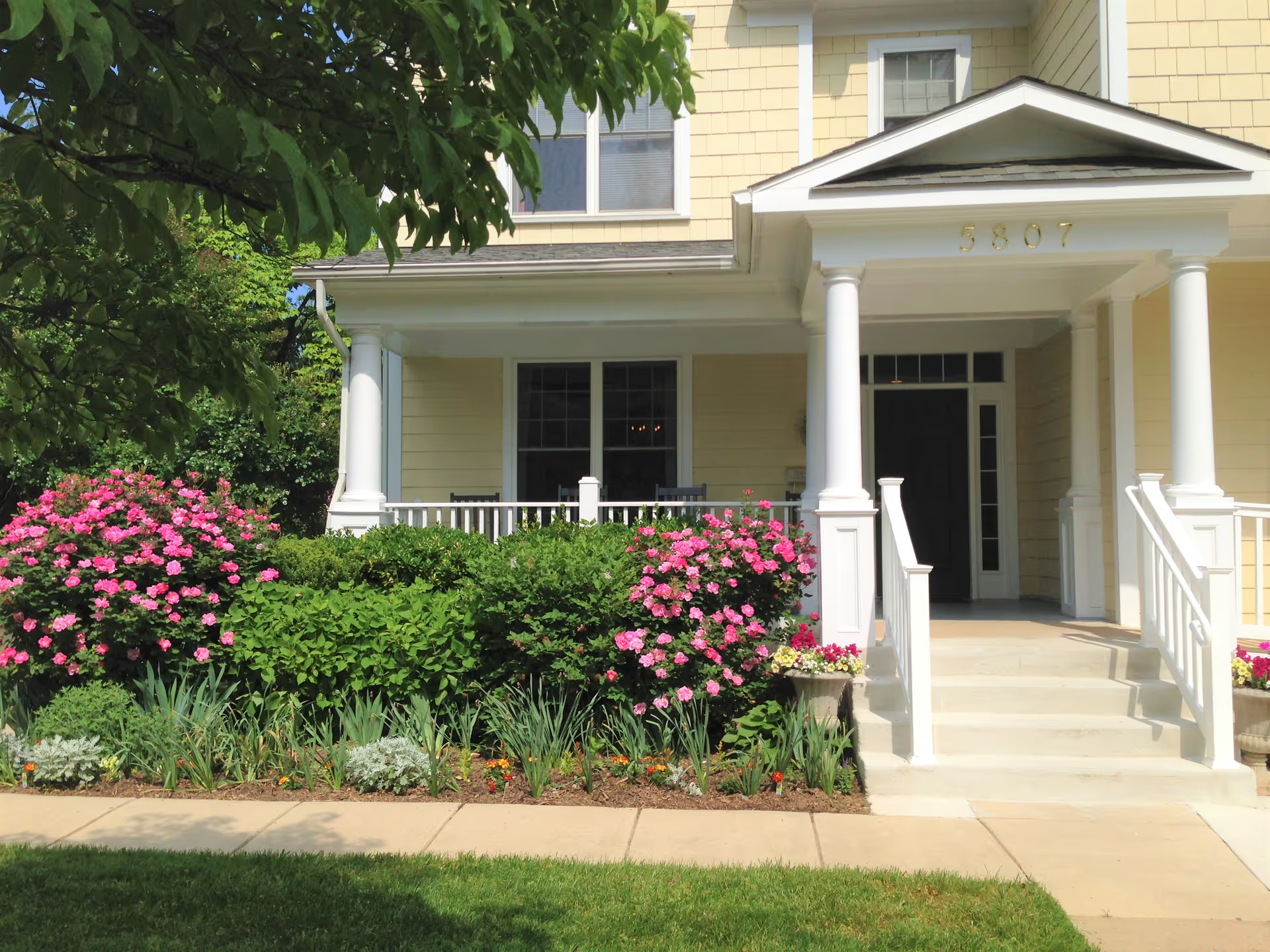
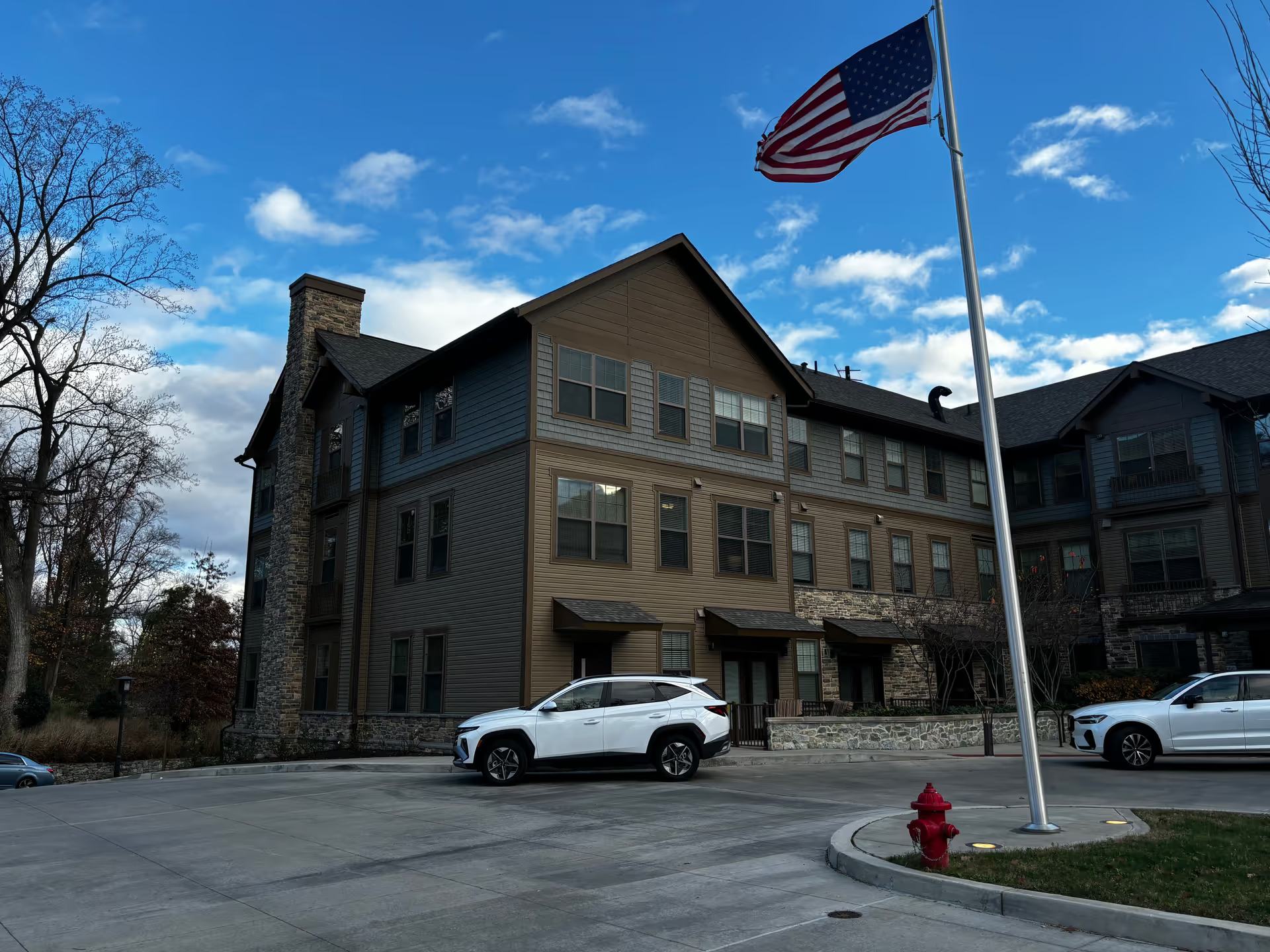
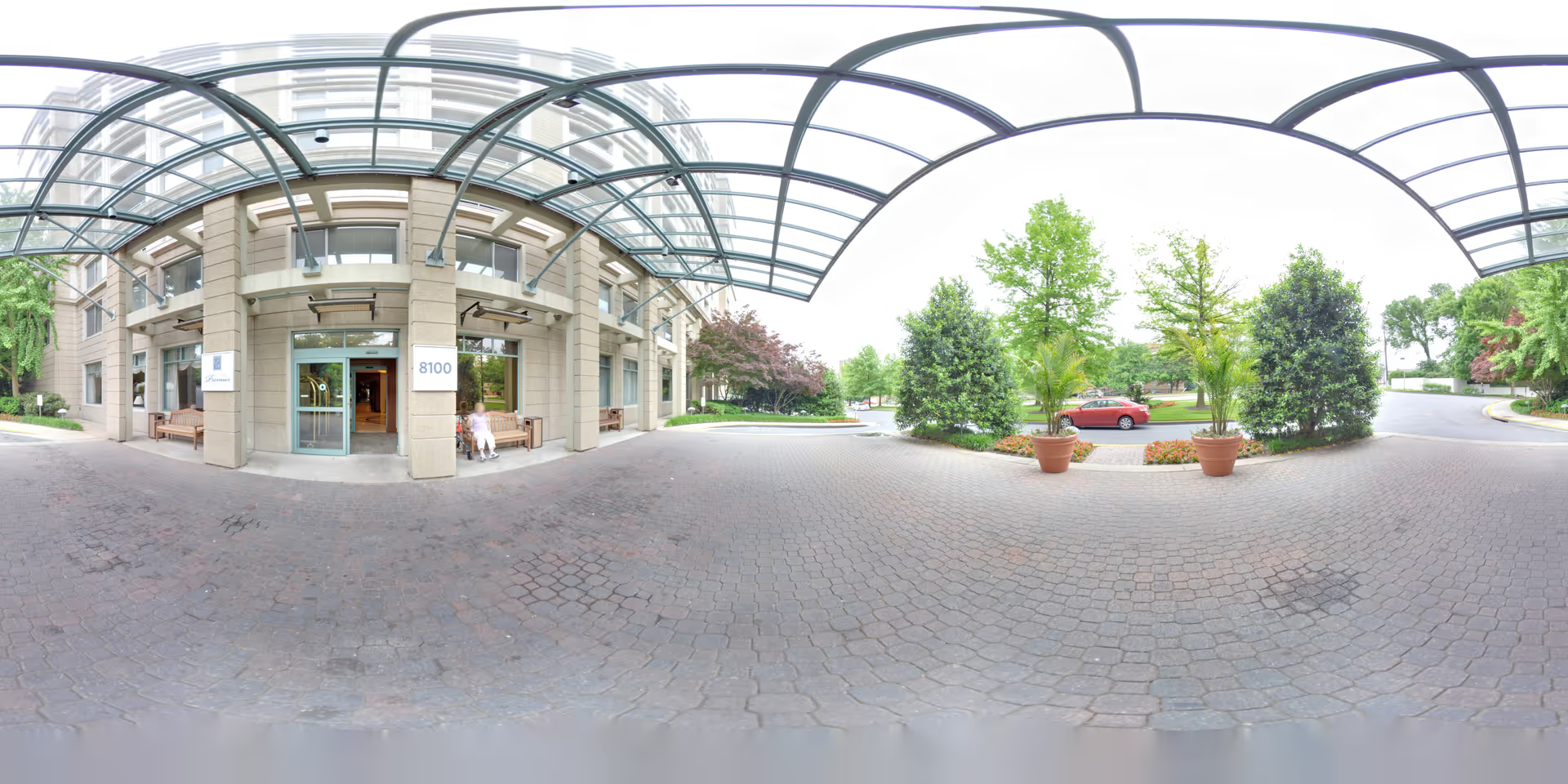
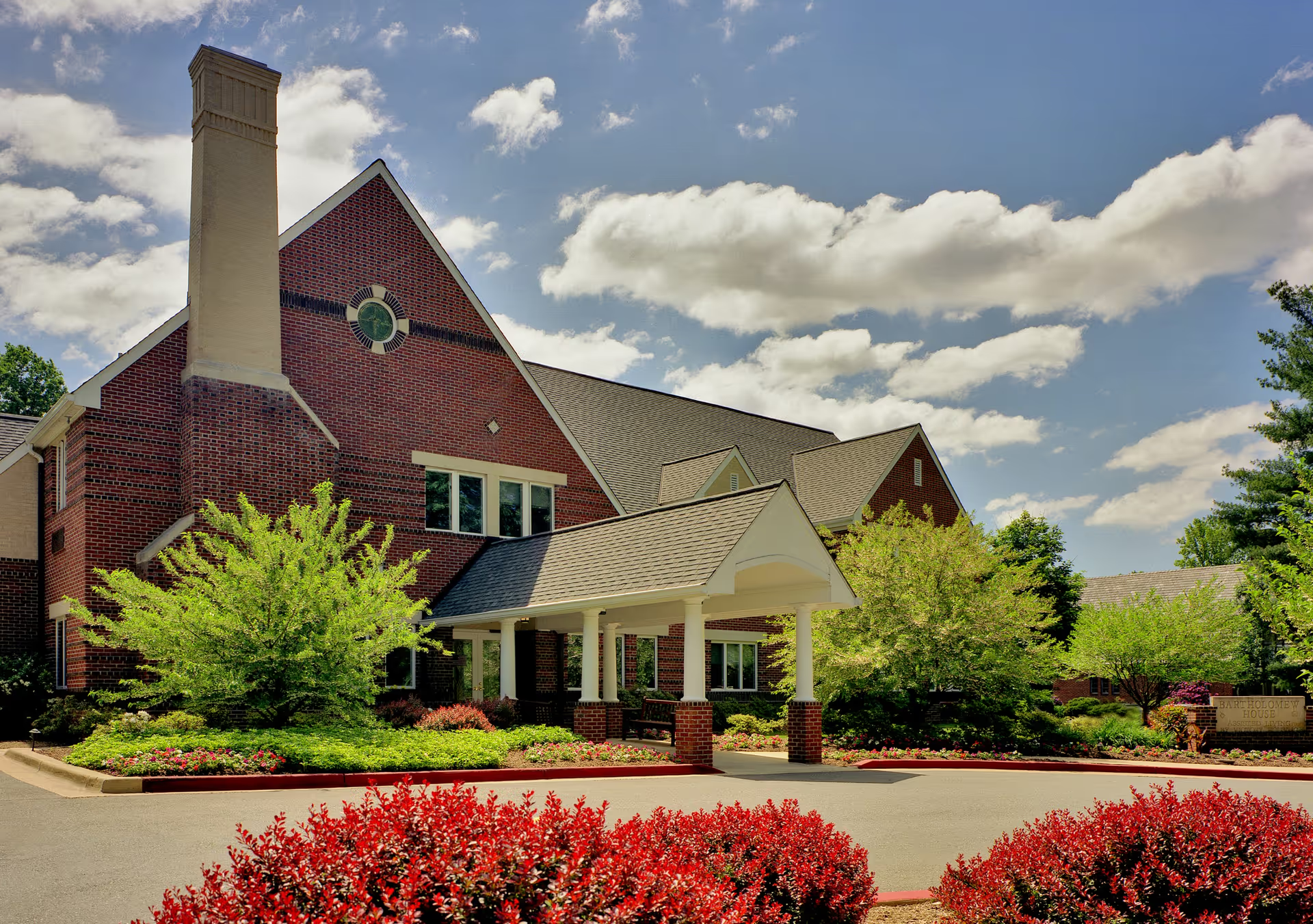
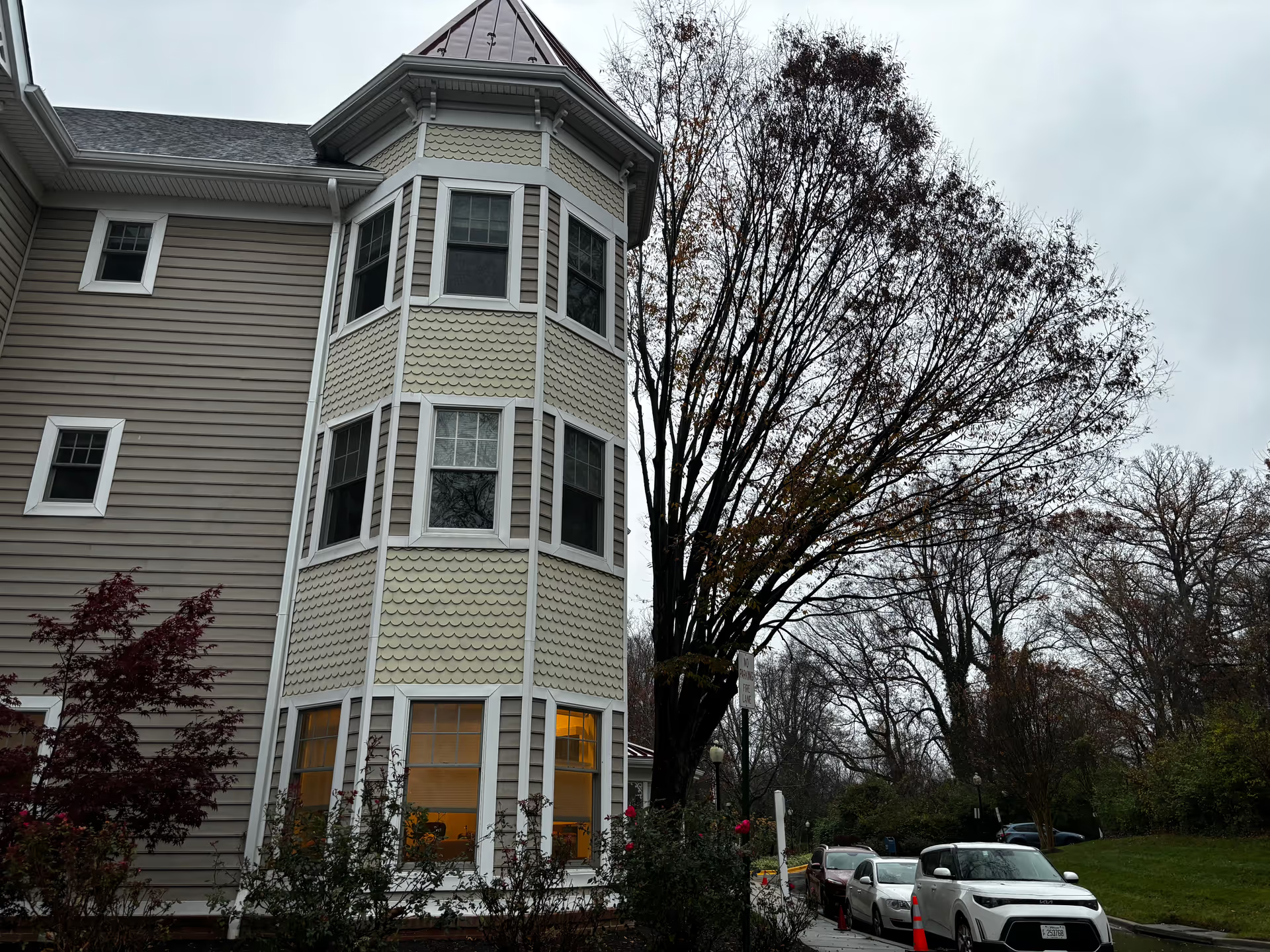
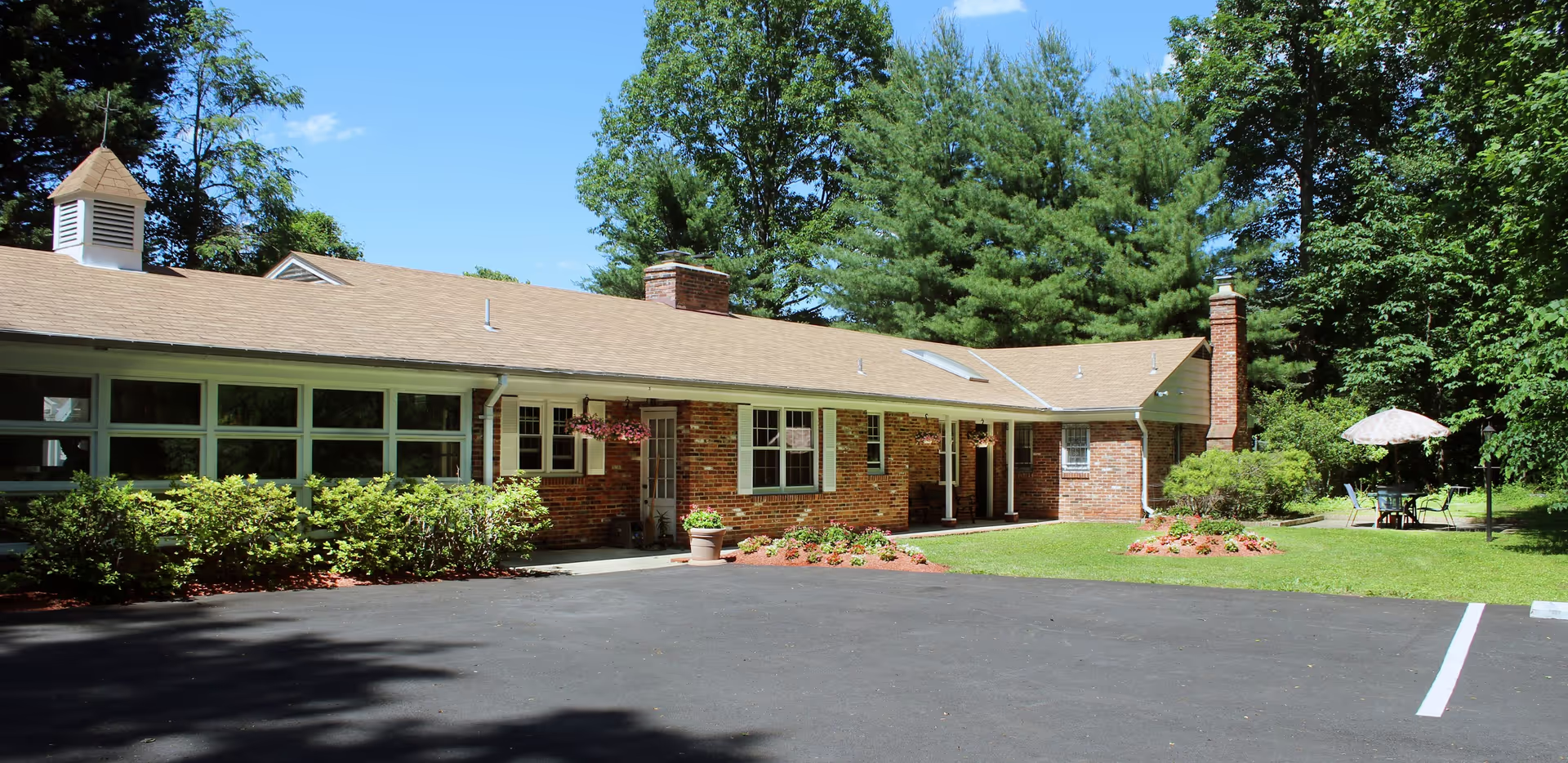
Auxiliary House presents as a small, eight-resident memory-care group home that emphasizes a home-like atmosphere, personalized attention, and affordability. Located in the Bethesda area near a hospital and walkable routes, the facility is described as clean and inviting. Its scale and neighborhood location make it a practical option for families seeking proximity and a familiar, residential setting rather than a large institutional campus.
Care quality is a consistent strength in the reviews: caregivers are described as warm, attentive, and committed, and many families cite long-term staff continuity and heartfelt interactions. Reviewers highlight effective daily care, purposeful engagement with residents, and active coordination with medical providers. These elements contribute to a sense that residents are valued and supported, and families report feeling welcomed and involved.
Programming and daily life are positioned around engagement and personalization. Multiple comments reference plentiful activities, opportunities to walk, and a small-community rhythm that facilitates frequent family involvement and visitor access. While reviewers did not provide detailed commentary on dining, the overall descriptions of attentive care and cleanliness suggest that meal assistance and dining support are handled in a manner consistent with the home’s focus on personalized memory-care.
Facility-wise, the home is portrayed as spotless and well-maintained, but modest in finish—“not the fanciest” is a common characterization. The small residential scale is a strength for families seeking intimate, individualized care, but it also constrains the range of on-site amenities compared with larger memory-care communities.
A notable pattern in the feedback is tension around staffing and staff support. Although many families praise long-term caregivers and warm interactions, a minority of comments raise concerns about periods of understaffing, caregiver workload strain, and management support for staff. These concerns suggest potential variability in responsiveness during high-demand periods and point to the importance of asking targeted operational questions during a tour—staffing ratios, backup staffing plans, staff training and retention, and how management addresses workload and morale.
In summary, Auxiliary House appears well suited to families seeking an intimate, affordable memory-care setting with strong personal attention, robust programming, and active family engagement. Prospective residents and families should balance those strengths against the home’s modest physical scale and clarify current staffing levels and management practices to ensure the arrangement meets their expectations for responsiveness and available services.