Modena Reserve at Kensington receives predominantly positive feedback for its physical environment, food, activities, and the general warmth of staff, but reviews repeatedly raise concerns about cost, occasional care inconsistencies, and operational limits that matter for higher-acuity residents.
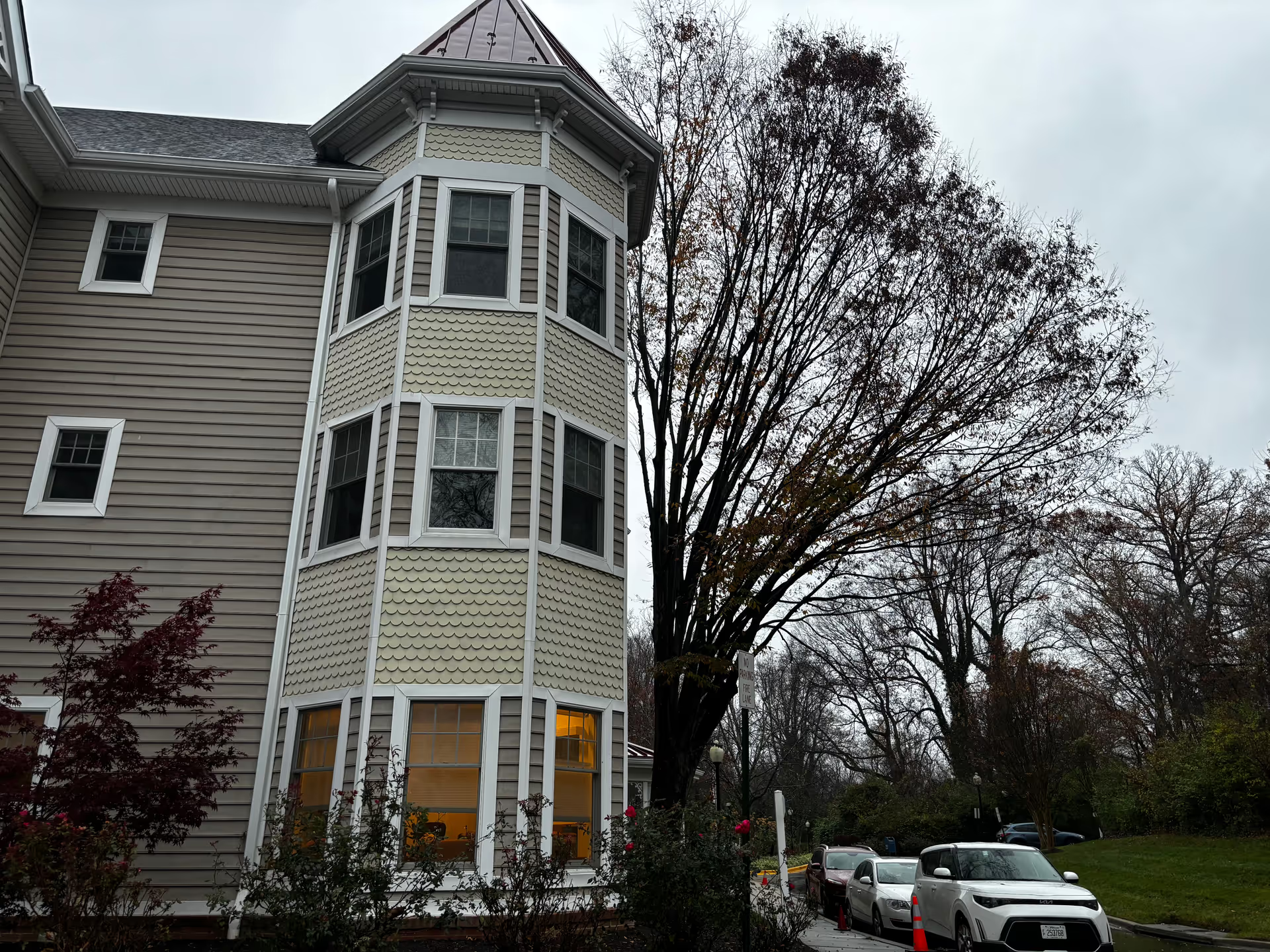
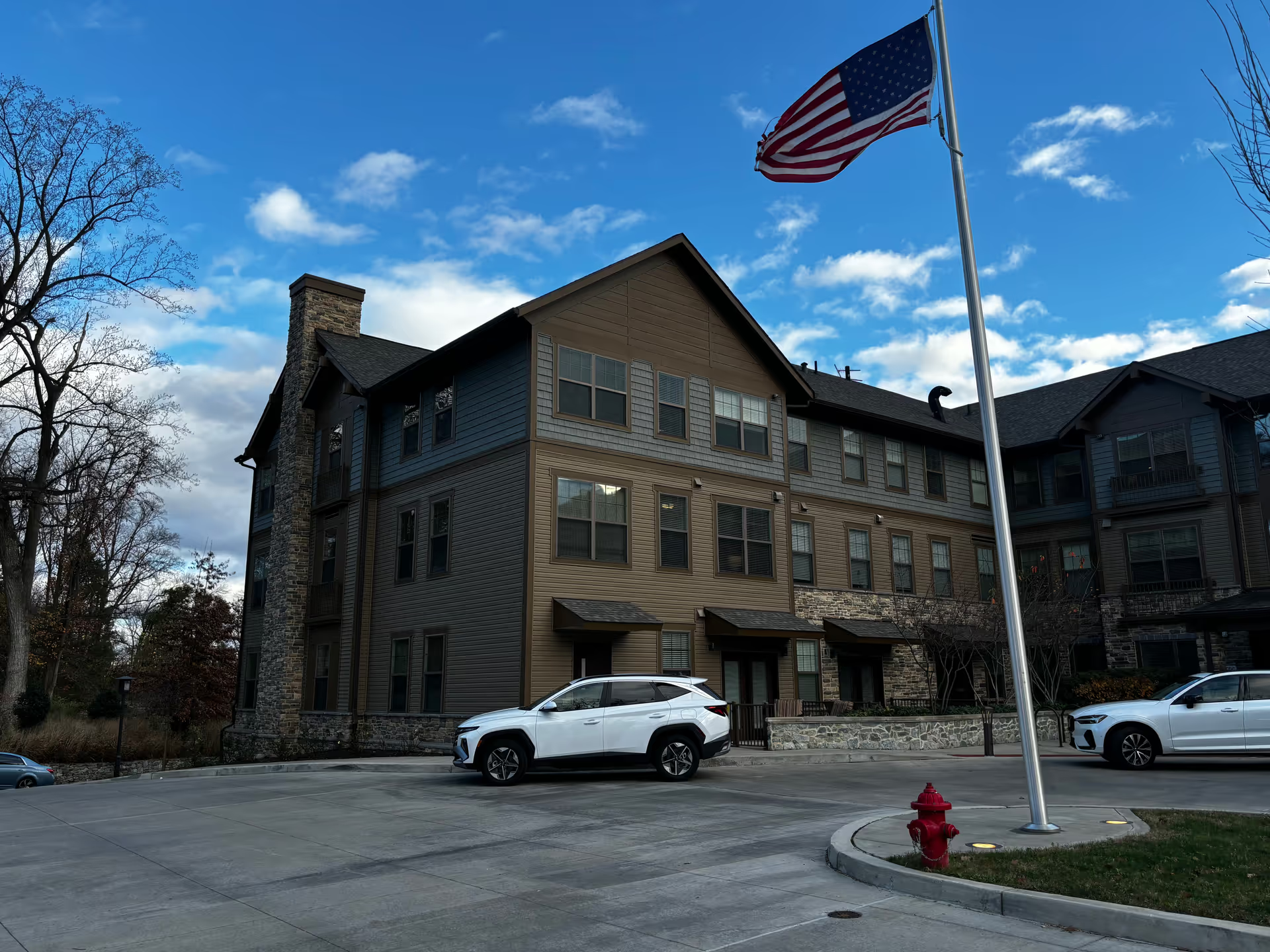
Facility and amenities: Reviewers consistently describe the property as modern, bright, and hotel-like, with attractive public spaces and well-maintained landscaped grounds centered on a courtyard fountain. The building’s contemporary design and open common areas, plus on-site amenities — salon, craft room, library, small gym, theater-style viewing room — create a highly amenitized lifestyle that many residents and families appreciate. Several notes indicate the building is relatively new (around two years) and often fully booked. Some residents note unfinished touches or work still in progress, and a few people find the contemporary décor or smaller apartment footprints less comfortable or not a personal fit. There’s no pool, and the urban Kensington location is convenient to transit, restaurants, and local points of interest, though it’s not suited for those seeking hiking or rural surroundings.
Staff, caregiving, and management: Staff receive strong praise in many reviews — described as kind, patient, loving, and knowledgeable, with many comments about staff remembering names, going above and beyond, and resolving concerns quickly. Admissions and executive leadership are highlighted positively for being responsive and supportive, and maintenance is frequently called out for timely assistance (for example, installing TVs or addressing issues promptly). At the same time, a recurrent theme is uneven care delivery, particularly early in a residency: reports of delayed or missed showers, missed housekeeping or laundry, and slow meal service during the first 6–7 weeks before improving. Pendant or wrist-call response lag is a specific safety concern in several reviews — one noted a 30-minute response — and understaffing is cited as a reason for slow responses at times. For residents with higher medical or behavioral needs, families sometimes found the facility required them to hire external full-time aides; one reviewer said Modena could not manage promised Lewy body care and that management follow-up was poor after transition out. There are also isolated reports of disappointing coordination with external hospice providers.
Care level and clinical limitations: While reviewers appreciate that multiple levels of care are available (independent living through memory care) and praise dementia care in some cases, the community is explicitly not a CCRC and does not provide on-site medical services. Several families described an increased need to rely on private aides or outside medical providers to meet higher-acuity needs, adding substantially to total cost. This operational boundary is important for prospective residents with progressive or complex clinical needs.
Dining and activities: Dining is a strong positive across reviews: many call the food delicious and note a pleasant dining room experience. The community runs many activities — lectures, music, art classes, cooking demos, social hours, outings, card games, bingo, movies, and therapy options — that contribute to a lively resident life and sense of camaraderie. A few policy details and cost elements drew mention: meal plan pricing was cited (rough figures such as an $800 monthly meals line and a separate $75 parking fee), and there were comments about dining-room policies (for example, restrictions on lunch in rooms) that some found limiting.
Costs and value: Cost is a persistent, practical concern. Multiple reviewers called the community pricey — “not inexpensive,” “expensive/over budget,” and references to significant personal expenditures (one reviewer mentioned paying roughly a quarter-million). Additional recurring charges (meal plans, parking, outside caregiving) and periodic rent increases (a 10% rise was reported) contribute to affordability issues. Despite the cost, many reviewers felt the community provided good value for what it offers, citing the quality of food, staff, activities, and physical environment.
Patterns and recommendations for prospective residents: The dominant pattern is a high-quality, well-appointed community with engaged staff and a strong activity program, tempered by operational limits around clinical intensity and occasional staffing shortfalls that affect response times early or during busy periods. Prospective residents and families should: (1) clarify upfront what medical and hospice services are provided on-site versus what requires external providers, (2) ask about staffing levels and pendant/response procedures and request documented response-time expectations, (3) review all fees and typical additional costs (meals, parking, private aides), and (4) observe service consistency during a tour or trial period to see how the community handles everyday care tasks like bathing, laundry, and meal delivery. Overall, reviews lean positive and many families strongly recommend Modena Reserve for those seeking an upscale, activity-rich independent or assisted living environment — provided the cost and clinical capability match the resident’s needs.