Review input presents a mixed but actionable picture of care at this facility. Many family members and visitors praised the therapy program, maintenance team, dietary staff, and overall professionalism of the clinical and administrative teams. Positive comments center on effective rehabilitation outcomes, a strong therapy culture, an organized admissions/rehab orientation, and a maintenance group that keeps the building and common areas functioning and attractive. Numerous reports describe welcoming reception, family involvement, and a generally tidy, well-kept environment.
Care quality appears uneven. Several accounts highlight compassionate, attentive caregivers and knowledgeable leadership, while other accounts describe operational gaps that affect daily care. Key clinical concerns include inconsistent medication-administration practices, delays in responding to nurse-call requests, and incontinence-care delays that can increase skin-integrity risk. The rehabilitation program is frequently noted as a strength, though some families observed that allotted therapy time can be relatively brief for certain patients.
Staff and management impressions are similarly mixed. Leadership and supervisory staff are often described as helpful, informative, and respectful of family time; the dietary and housekeeping teams also receive repeated praise. At the same time, reviewers described variability in individual staff conduct and responsiveness, occasional language- or communication-related barriers, long hold times to reach supervisors, and instances of inadequate follow-up. Maintenance and facilities operations are largely viewed positively, with quick problem resolution reported in several instances.
Dining, activities, and amenities receive generally favorable comments about menu variety, cafeteria and lounge spaces, and family-friendly communal areas. However, there are isolated comments about meal temperature and menu consistency that suggest variability in food-service delivery. Activity and amenity detail is limited in the feedback available; the notable programmatic strength is the facility’s rehabilitation services rather than a broad slate of leisure programming described in these summaries.
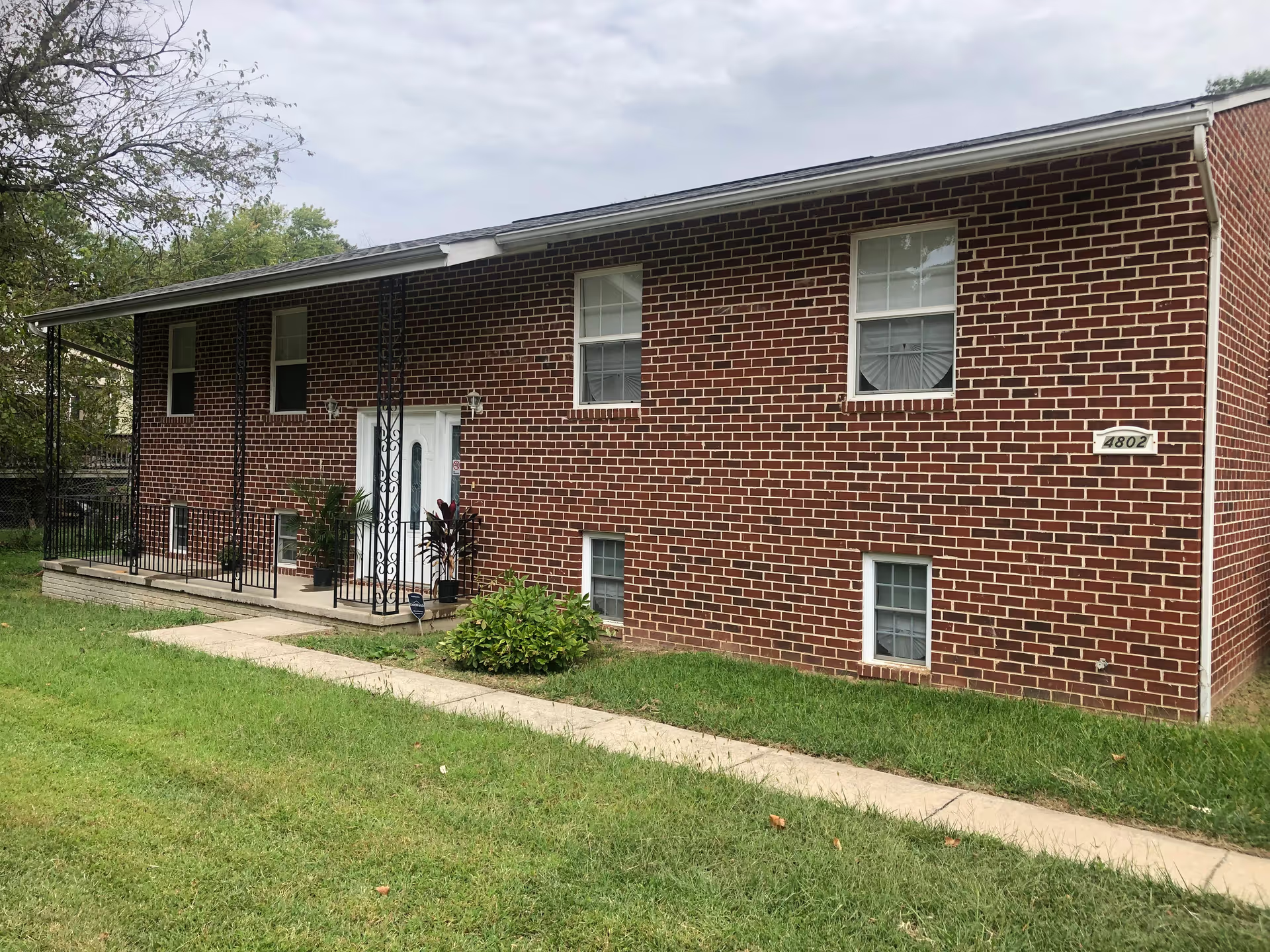
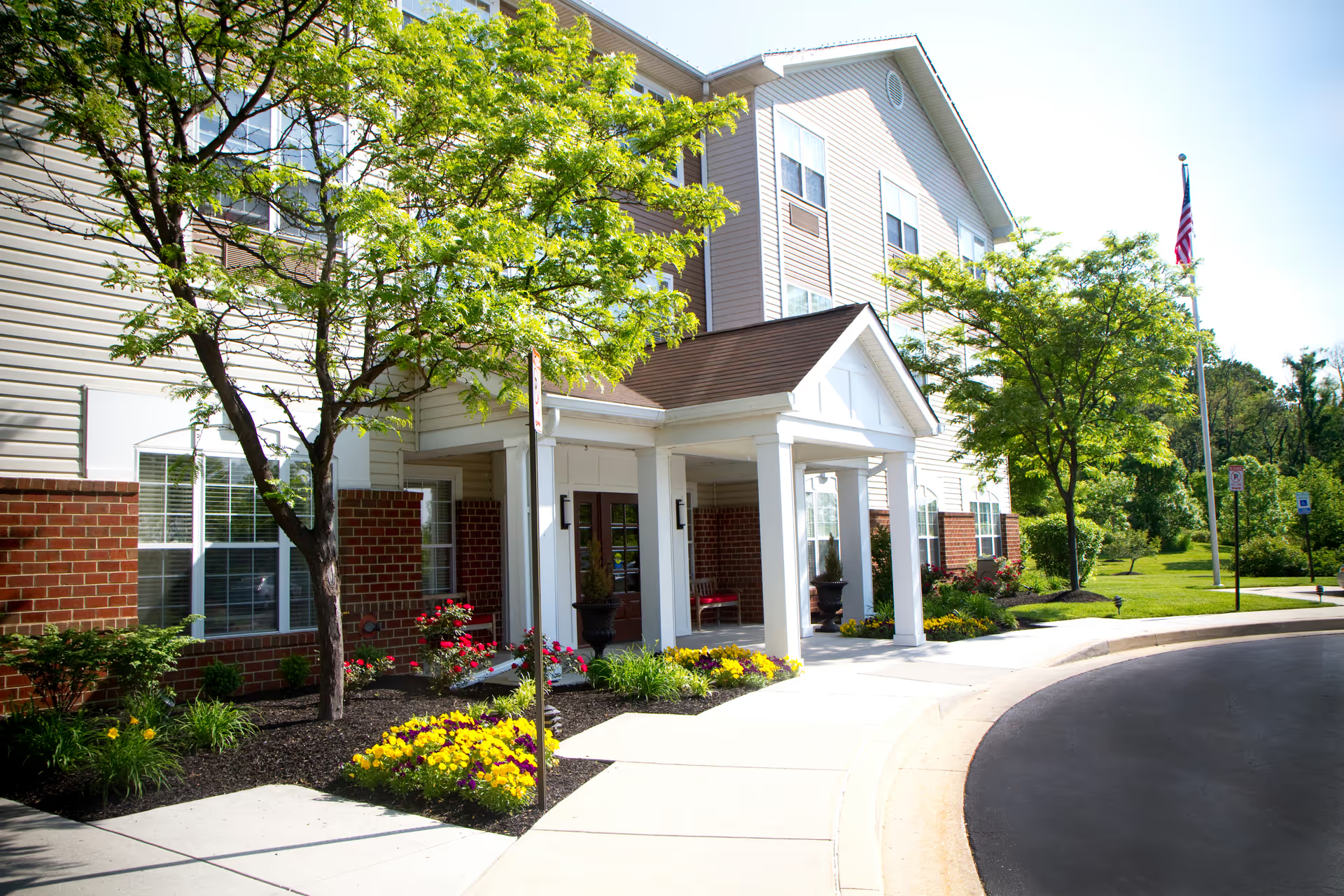
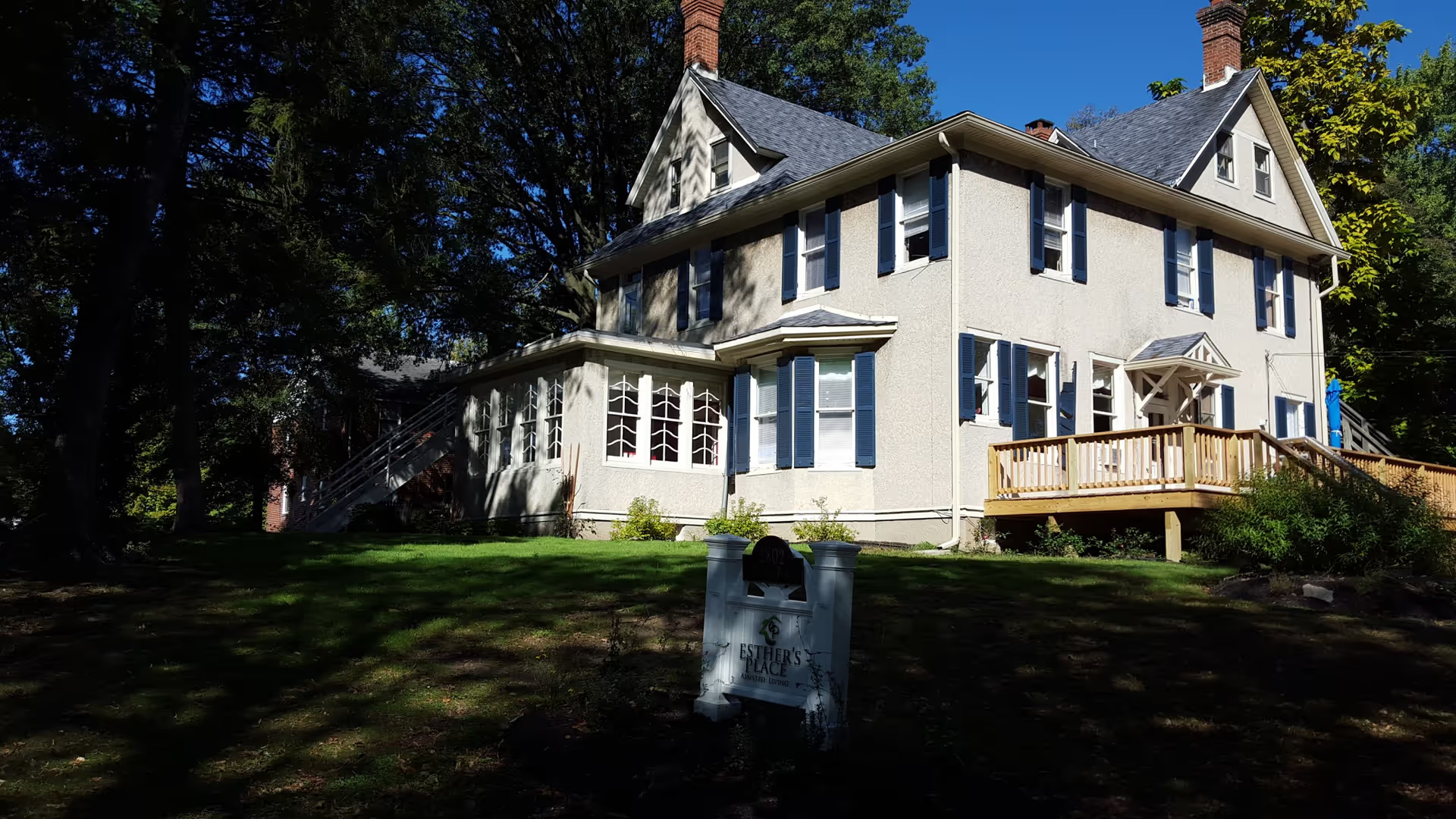
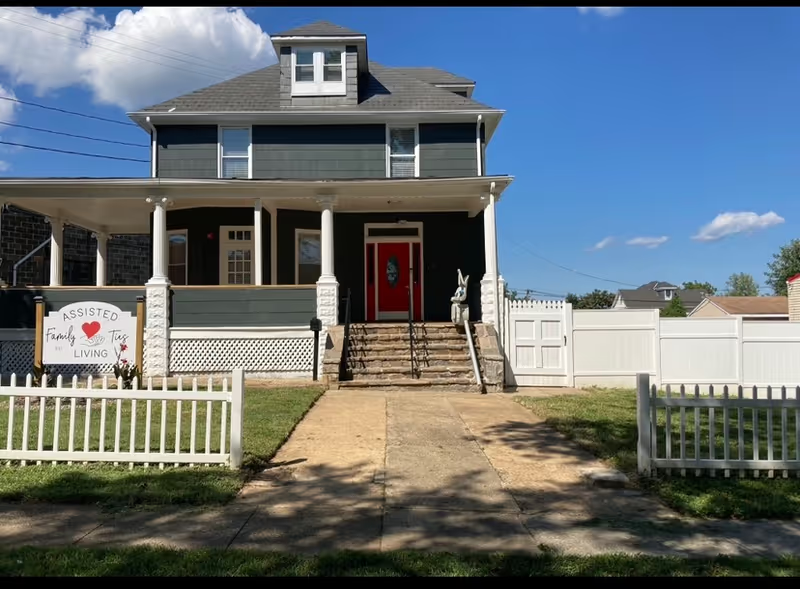
Facilities feedback is mixed: many visitors found rooms and common spaces neat and comfortable, and the building’s layout (single/dual/triple occupancy options, lounges, cafeteria) was noted positively. Yet some reports raise sanitation variability and pest-control concerns in particular areas, as well as occasional equipment outages that required alternate arrangements. These operational items merit direct inquiry during a tour.
Taken together, the pattern suggests a facility with clear operational strengths—therapy, maintenance, and many engaged staff and managers—but with recurring operational weaknesses that can materially affect day-to-day resident experience: inconsistent staffing and responsiveness, care-process gaps around medication and incontinence management, communication lapses with families, and localized cleanliness and pest-control issues. Prospective residents and families should weigh the facility’s strong rehabilitation and maintenance capabilities against these operational variability signals, and consider focused questions on staffing ratios, response times to call bells, medication and incontinence-care protocols, pest management, and expected therapy duration during an in-person visit or meeting with administrative leadership.