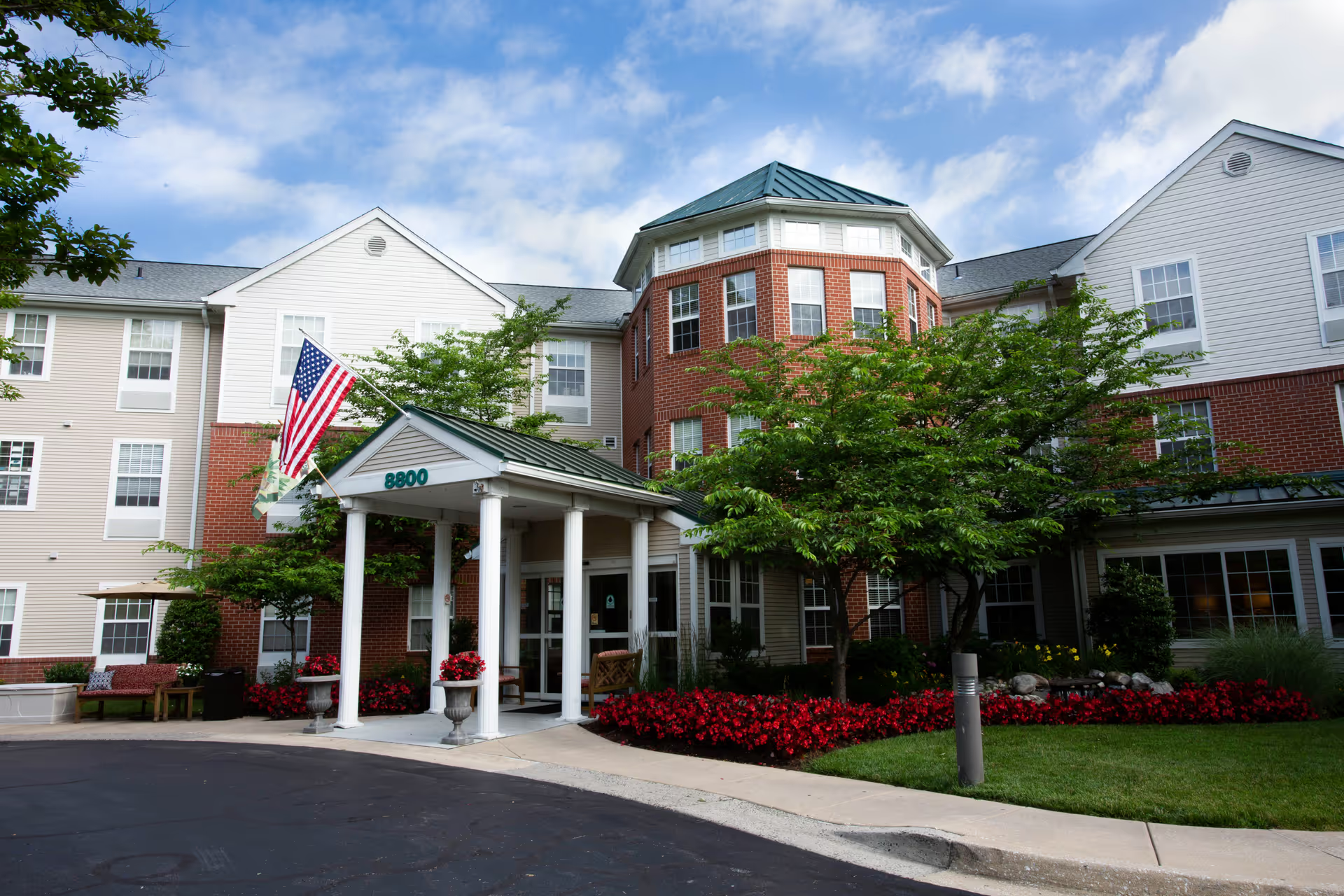
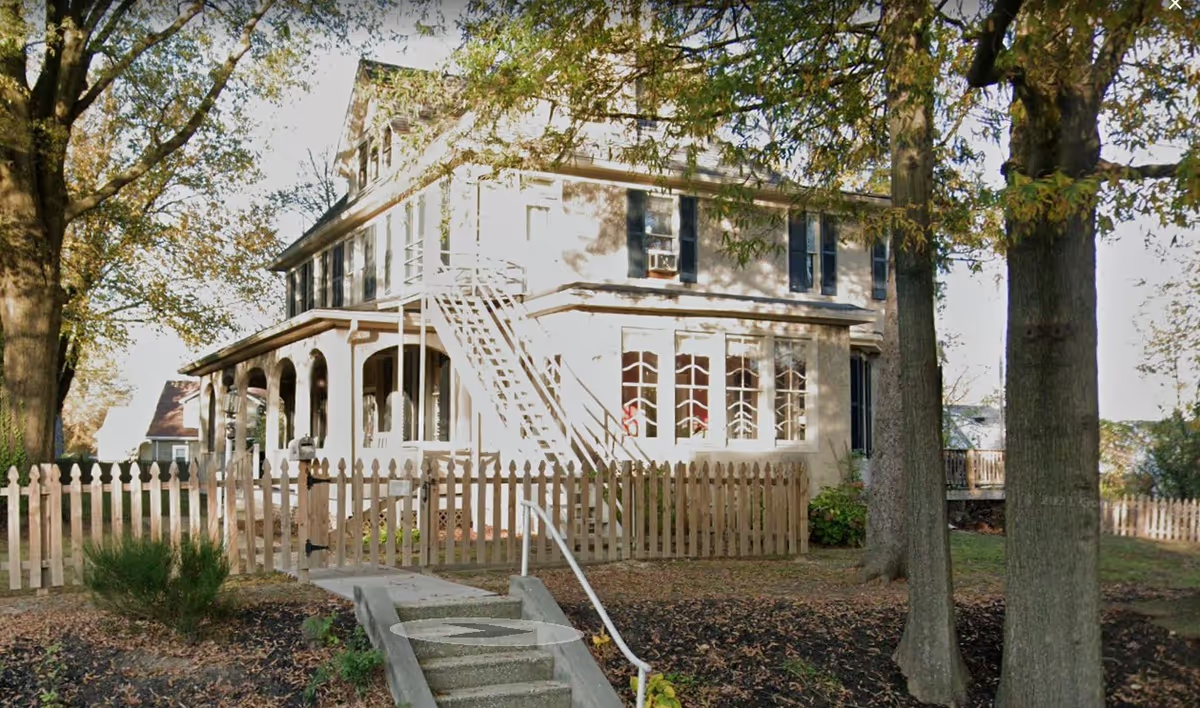
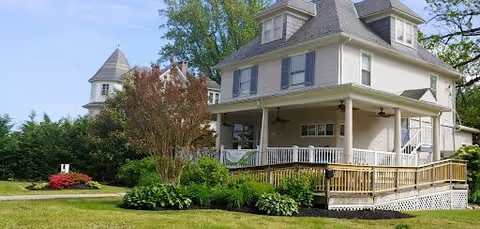
Brightview White Marsh presents a largely positive first impression for many families: reviewers commonly describe a bright, modern building with well‑maintained common areas, attractive dining rooms, private apartments, and a secure memory-care wing with outdoor courtyard access. The community offers a broad range of services on site — including primary-care access and some specialty clinicians — along with a salon, private family dining, transportation, and round‑the‑clock nursing. Dining and hospitality are frequent strengths in the reviews: restaurant‑style meals, varied menus and desserts, attentive dining staff, and daily social touches such as happy hour and holiday programming are repeatedly highlighted.
Activities and social life are another consistent strength. A broad calendar of programming, frequent family‑involved events, live music, games, and crafts are described as fostering engagement and social connection. Many families note that the transition and admissions teams facilitate rapid moves and initial social integration; reviewers frequently mention that staff help residents form friendships and increase participation in community life.
Care and staff quality are described with more variability. Numerous accounts praise compassionate, patient caregivers and clinically attentive nurses; several reviewers emphasize individualized attention, strong coordination during rehabilitation transitions, and supportive end‑of‑life or hospice interactions. However, an opposing pattern emerges in other reviews: staffing instability, high turnover, and inconsistent training are cited as recurring operational issues. These patterns are linked to delays in responding to call pendants and resident requests, inconsistent bathing and laundry support, and concerns about transfer safety and management of challenging behaviors in residents with dementia. A small number of accounts describe emergency escalations and transfers to outside care, indicating possible gaps in on‑site behavior‑management protocols and transfer‑safety practices.
Facility cleanliness and household operations show mixed signals. Many reviewers report a clean, orderly environment with friendly housekeeping, while others describe sanitation‑related issues in resident rooms and inconsistent laundry handling. A pest‑control concern and isolated housekeeping lapses are mentioned; these suggest the need for ongoing attention to facility sanitation and process consistency. Food‑service accommodations are generally praised, though a few families note limited allergy accommodations or desire for greater menu variety.
Management and operational oversight elicit polarized impressions. Several reviewers commend responsive managers and staff who follow up proactively, while others describe broken promises, slow post‑move follow‑up, and communication gaps with families. Pricing is frequently called out as on the high side, with limited flexibility reported for respite stays and short‑term trial periods. For prospective residents and families, the salient pattern is dual: many residents experience compassionate care, strong dining, and active social programming, but there are recurring operational weaknesses tied to staffing consistency, housekeeping/laundry processes, dementia‑care escalation, and management follow‑through.
If considering this community, visitors may want to observe staff response times on a tour, ask for written policies on dementia behavior escalation and transfers, clarify laundry and housekeeping schedules, review pest‑control and sanitation protocols, and confirm respite/short‑term trial availability and detailed cost structures. These checks can help balance the community's clear strengths in hospitality and programming against the operational gaps described by other families.