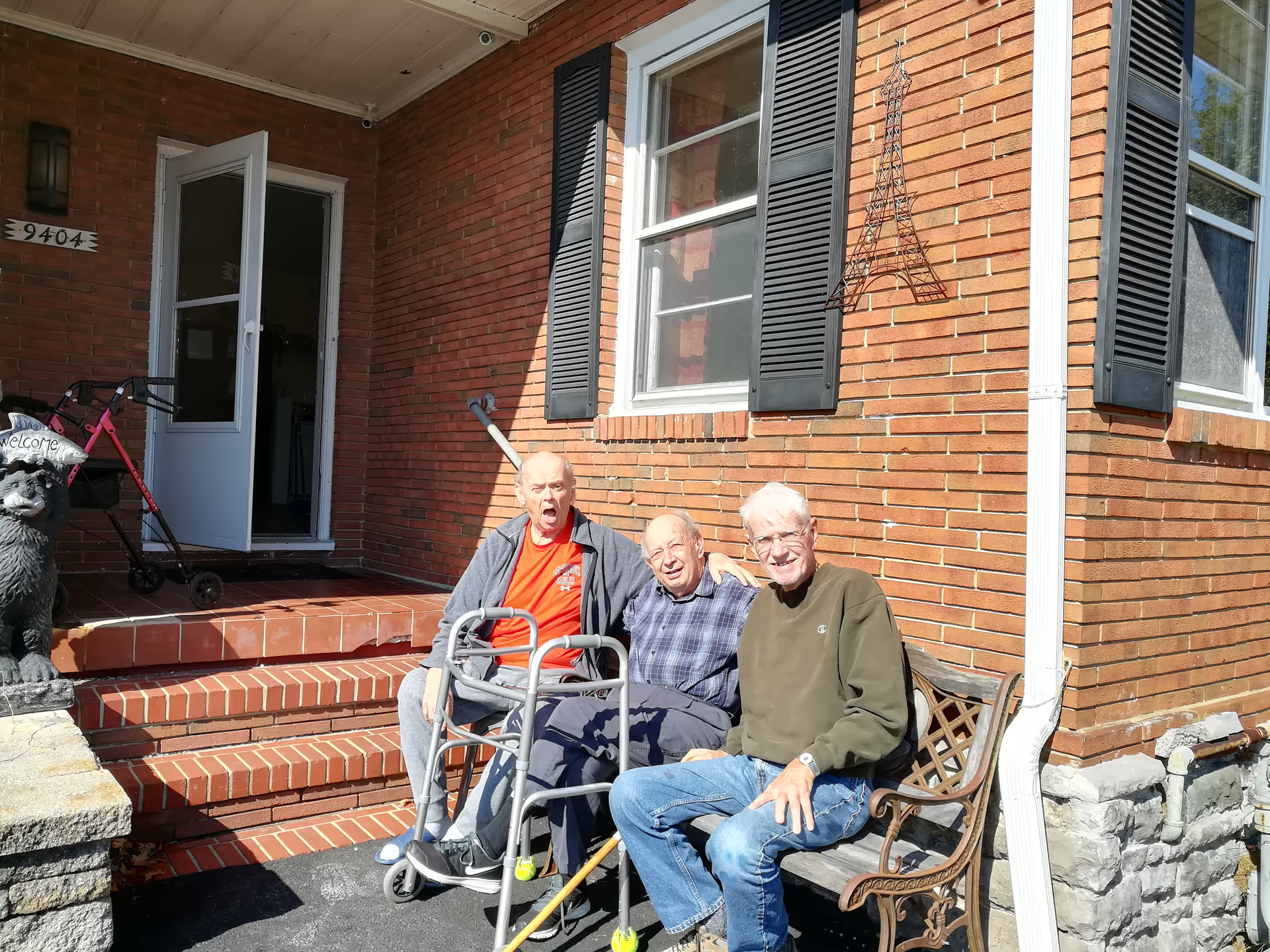
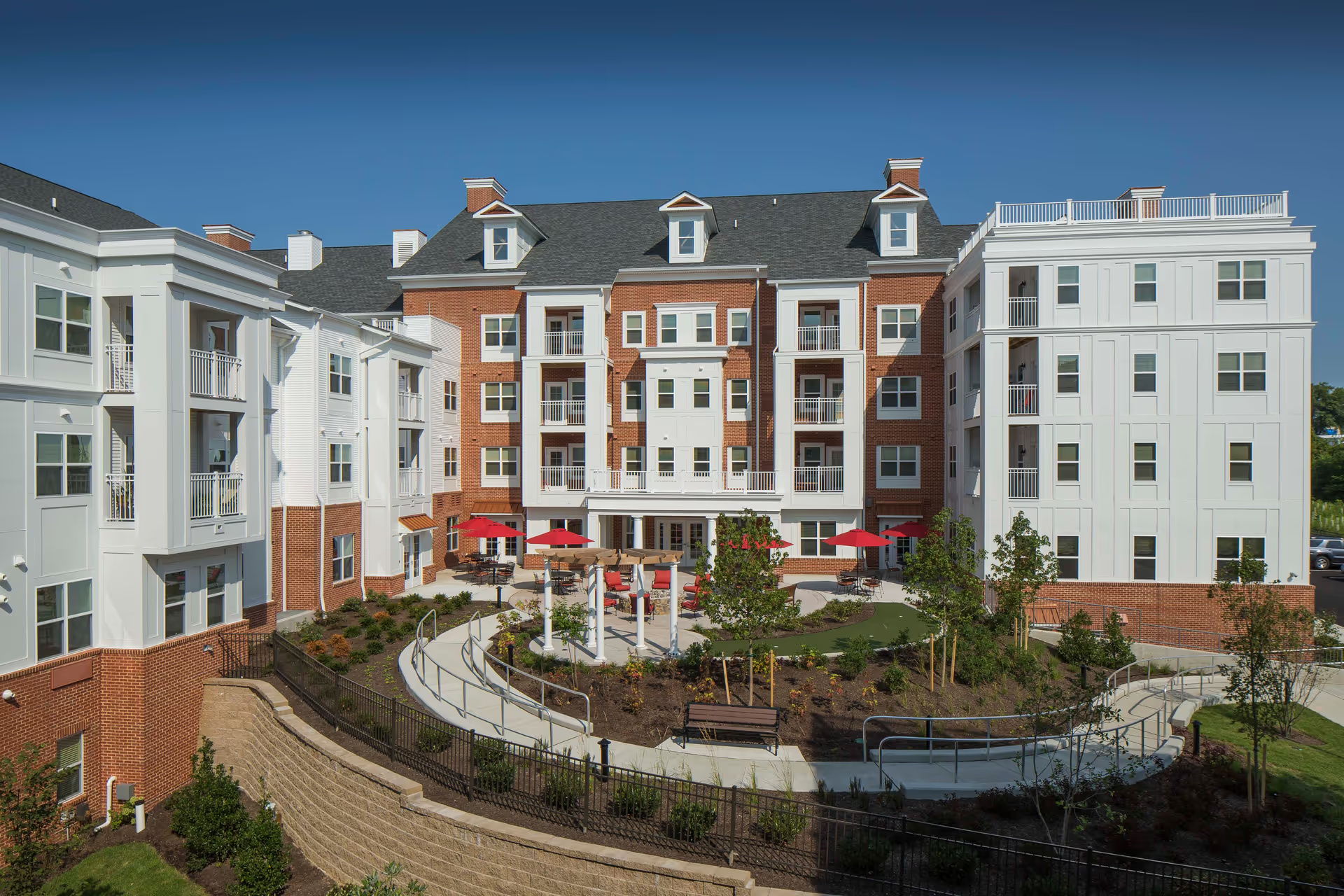
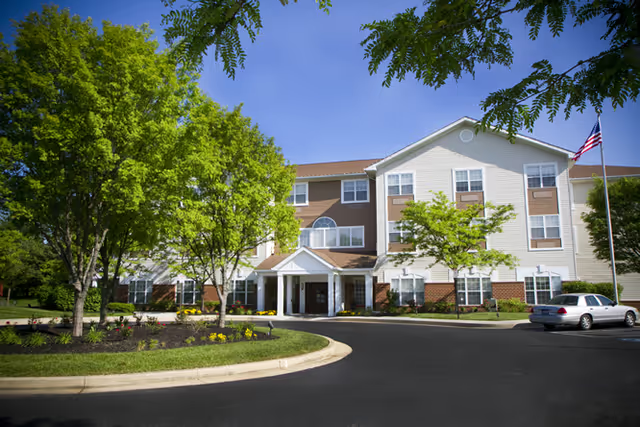
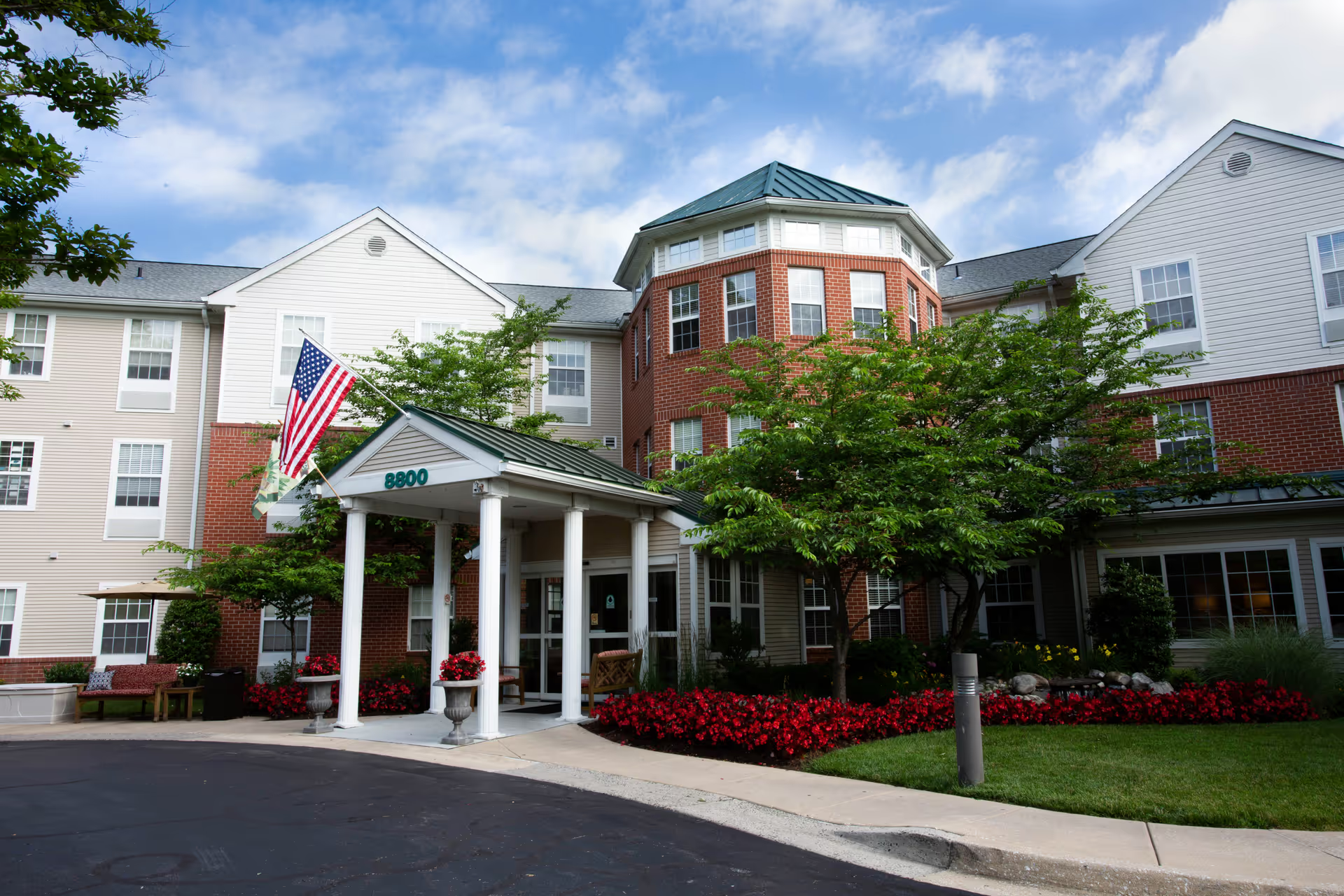
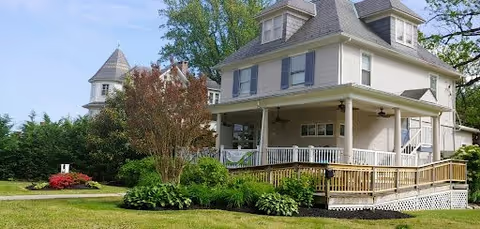
Overall impression: The Cottages of Perry Hall elicits strong praise for its caregiving culture, homelike environment, and active lifestyle programming. Many families describe warm, engaged staff who develop close relationships with residents, and an administrative team that is accessible and proactive. The community’s cottage-style design, private bathrooms, bright common areas, outdoor decks and walking paths, and small-group atmosphere are frequently cited as contributors to a home-like, calm setting. On-site services such as memory-care programming, physical therapy, and routine clinical support are available, and many reviewers valued the regular outings, varied activity calendar, and family-inclusive events.
Care and staff: Positive commentary centers on compassionate direct-care staff, personable activity and nursing leadership, and strong clinical oversight from named administrators. At the same time, reviews point to variability in frontline staffing: high turnover, inconsistent training, and uneven clinical practice were reported by some families. This has translated in certain cases to delays in routine care tasks, inconsistent bathing or toileting schedules, and concerns about medication/equipment handling. Respiratory-equipment processes and oxygen-refilling procedures were specifically identified as areas where families seek clearer protocols and assurances.
Dining and activities: Dining is frequently described as homemade and hearty, with families praising larger portions and some standout meals. There are also comments about uneven meal and snack quality and limited brand-name offerings. The activities program is a clear strength for many residents — robust calendars, off-site trips, social events, and cognitively engaging programming are common. However, the pod-based cottage layout can limit interaction for some residents and may reduce access to centrally located programming for others.
Facilities and housekeeping: The facility’s décor, recent updates, and clean, bright common spaces receive consistent positive mention. Concurrently, sanitation and housekeeping inconsistencies appear in a subset of reviews: odor concerns in some areas, delayed housekeeping response, and episodic bathroom-cleanliness issues were described. Families assessing the community should observe housekeeping routines and inspect resident rooms during a tour.
Management, safety, and administrative patterns: Leadership and many members of the administrative team receive positive recognition for communication and family engagement. Nevertheless, a number of families raised operational concerns that warrant attention: inconsistent infection-control/quarantine procedures, security lapses related to access control and personal-property management, and problematic billing or administrative handling at end of life. There are also serious, individual-level allegations concerning authorization and financial practices; these claims are significant and should prompt prospective families to seek clear policies and documentation during the touring and admission process.
Notable patterns and guidance: The dominant themes are strong relational care and a welcoming environment balanced against operational variability in staffing, housekeeping, clinical equipment management, and administrative processes. Prospective residents and families will benefit from confirming current staffing ratios and turnover rates, asking for written protocols on infection control and medical-equipment handling, reviewing property-security and personal-item policies, and clarifying billing practices and consent procedures. A focused tour that includes observing mealtime, an activity, and cottage cleanliness can help reconcile the generally positive community culture with the operational issues some families experienced.