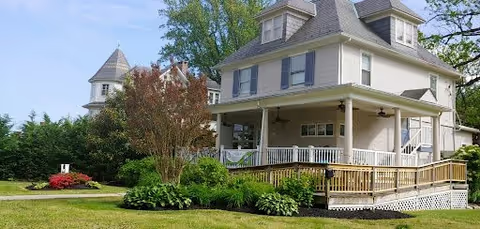
Reviews for Ma Maison Senior Assisted Living III present a mix of strongly positive family experiences alongside specific operational concerns. Many families describe the home as small, warm, and family-like, praising an accessible ownership team and long-tenured, compassionate staff who provide attentive, person-centered care. Several accounts highlight quick admissions, individualized attention that can follow residents closely, and improved resident well-being after transfer from larger facilities. The management style is repeatedly characterized as hands-on, with owners and on-site staff (including maintenance) actively involved in day-to-day life.
Staff and clinical care are a central area of contrast. Positive comments emphasize caregivers who go above and beyond, increased family engagement, and coordination with a house doctor that some families found beneficial. At the same time, other reviews raise concerns about staffing levels and responsiveness during busy periods, and describe instances that suggest gaps in clinical assessment and incident response. These clinical concerns include delays in recognizing medical issues that led to higher-acuity care. Prospective families should ask about staffing ratios, on-call clinical coverage, and protocols for escalating health changes.
Dining and programmatic offerings receive similarly mixed feedback. Many reviewers compliment the meals—home-cooked, communal dining, and balanced menus are frequently noted as a strength. Conversely, there are complaints about inconsistent meal delivery (for example, interruptions to hot meal service), a repetitive weekly menu, and a desire for more frequent outings and activity variety. The director and some staff are credited with planning engaging activities, but the facility’s small size and staffing constraints appear to limit the frequency and range of programming for some residents.
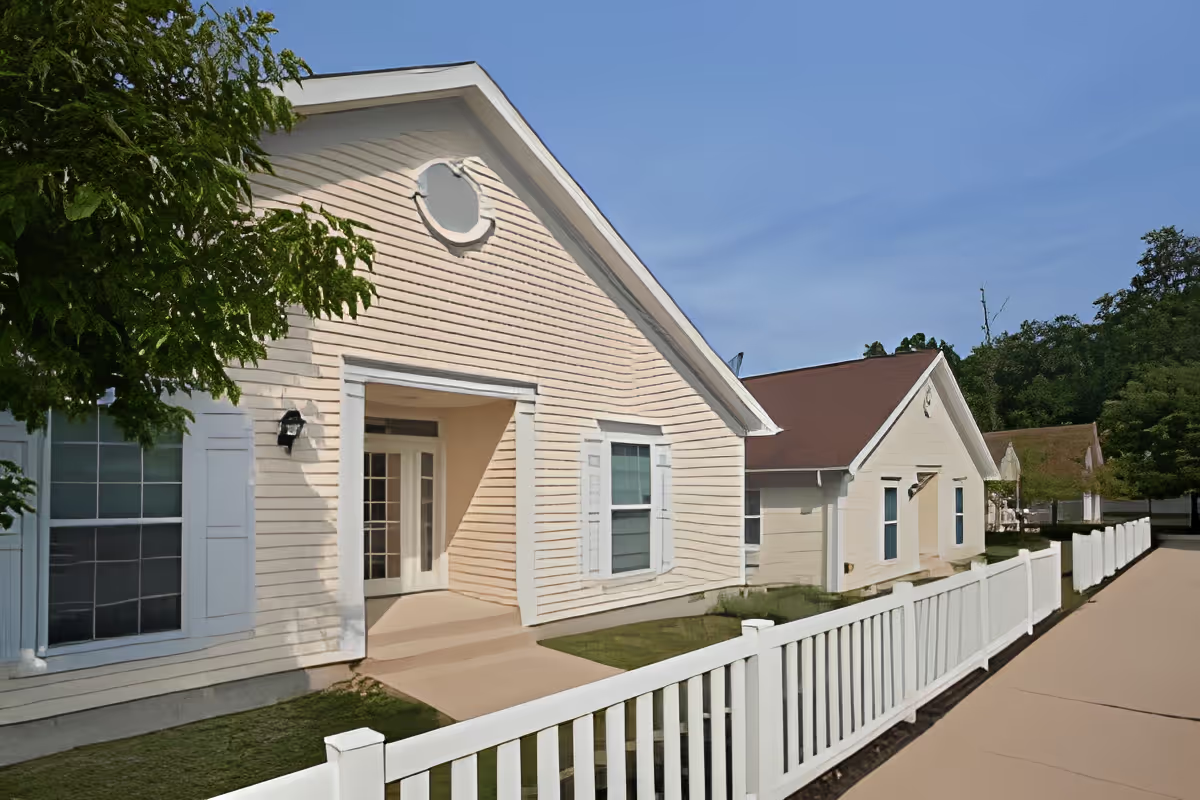
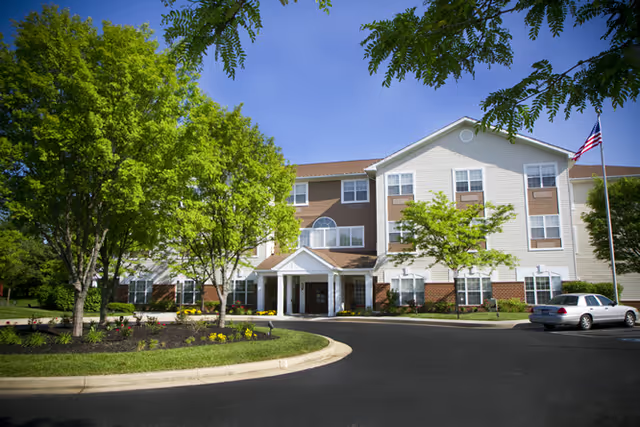
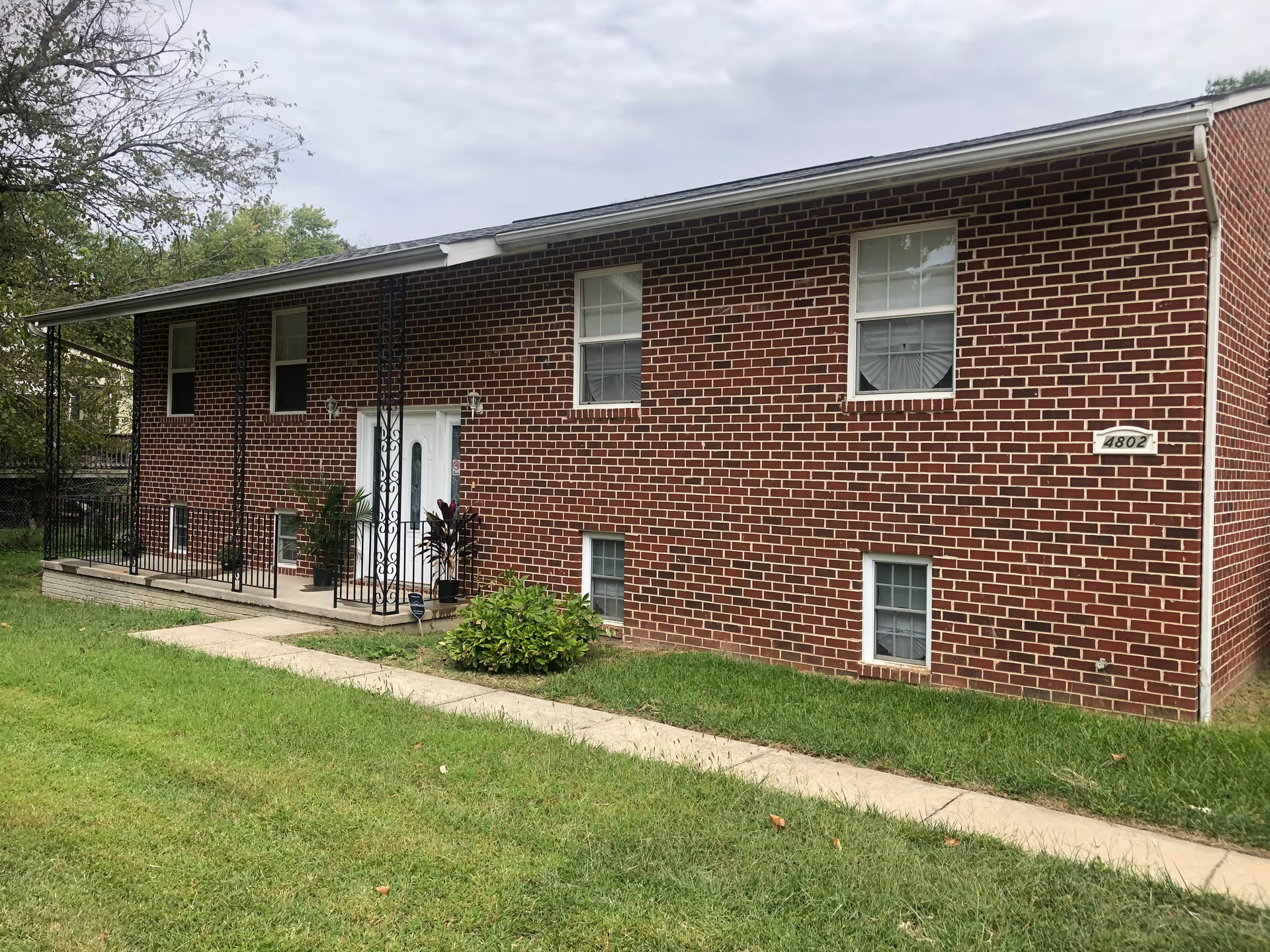
Facilities and housekeeping comments vary widely. Several families describe a clean, bright, well-kept home with a comfortable dining room and warm colors; others describe sanitation concerns, odor issues in some rooms, and inconsistent housekeeping practices. Reviewers also raised specific concerns about how incontinence supplies and basic resident supplies are managed. The physical plant is described as older and not highly modernized, and private rooms are reportedly limited or unavailable at times—factors that may matter for families seeking greater privacy or newer amenities.
Management and communication are also mixed. The owners’ visible presence and willingness to facilitate introductions, assist with move logistics, and personally respond to incidents are frequently cited as positives. However, some families described communication lapses with management, unclear pricing and charge structures, and a perception that financial considerations sometimes drive operational choices. These themes suggest value in clarifying contracts, ancillary fees, and supply policies before admission.
In sum, Ma Maison Senior Assisted Living III appears to offer a small, home-like environment with caring staff and engaged ownership that many families find beneficial, particularly for residents who need a more intimate setting than larger facilities. At the same time, reviewers identified recurring operational weaknesses—cleanliness consistency, staffing levels, meal-service reliability, limited private rooms, and communication/transparency issues—that are important to evaluate in person. Prospective residents and families should tour the home, observe mealtime and activity periods, ask about staffing patterns and clinical escalation protocols, review the sample menu and activity calendar, and obtain clear documentation of pricing and supply policies before making a placement decision.