Autumn Lake Healthcare at Long Green elicits a strongly mixed set of impressions. Many reviewers praise the facility for its compassionate direct-care staff, active rehabilitation program, and robust social-work and admissions processes; at the same time a consistent cluster of operational concerns appears across reviews. The overall pattern is one of capable clinical and therapy teams that deliver positive short-term rehab outcomes for many patients, coupled with variability in day-to-day operational reliability.
Care and staff: Nursing, aides, and therapists receive frequent commendation for attentive, person-centered care and successful therapy results. Several named staff and social-work professionals are highlighted for going above and beyond. However, there are recurring concerns about inconsistent staffing levels—especially overnight and on weekends—which reviewers link to delayed assistance, missed or late medications, and inconsistent incontinence care. There are also isolated but significant accounts of medication-management errors and care-process lapses; these point to the need for stronger clinical handoffs and oversight in some units.
Dining and activities: The facility’s activities and wellness programming are widely seen as a strength. Residents benefit from organized offerings (movie nights, Bible study, bingo, structured wellness and addiction-support programming) and an engaged activities team. The dietary staff and kitchen receive both praise for themed and homemade meals and criticism for inconsistent food temperature and occasional poor meal quality. Families considering placement should ask about current meal-service processes and accommodations for special dietary needs.
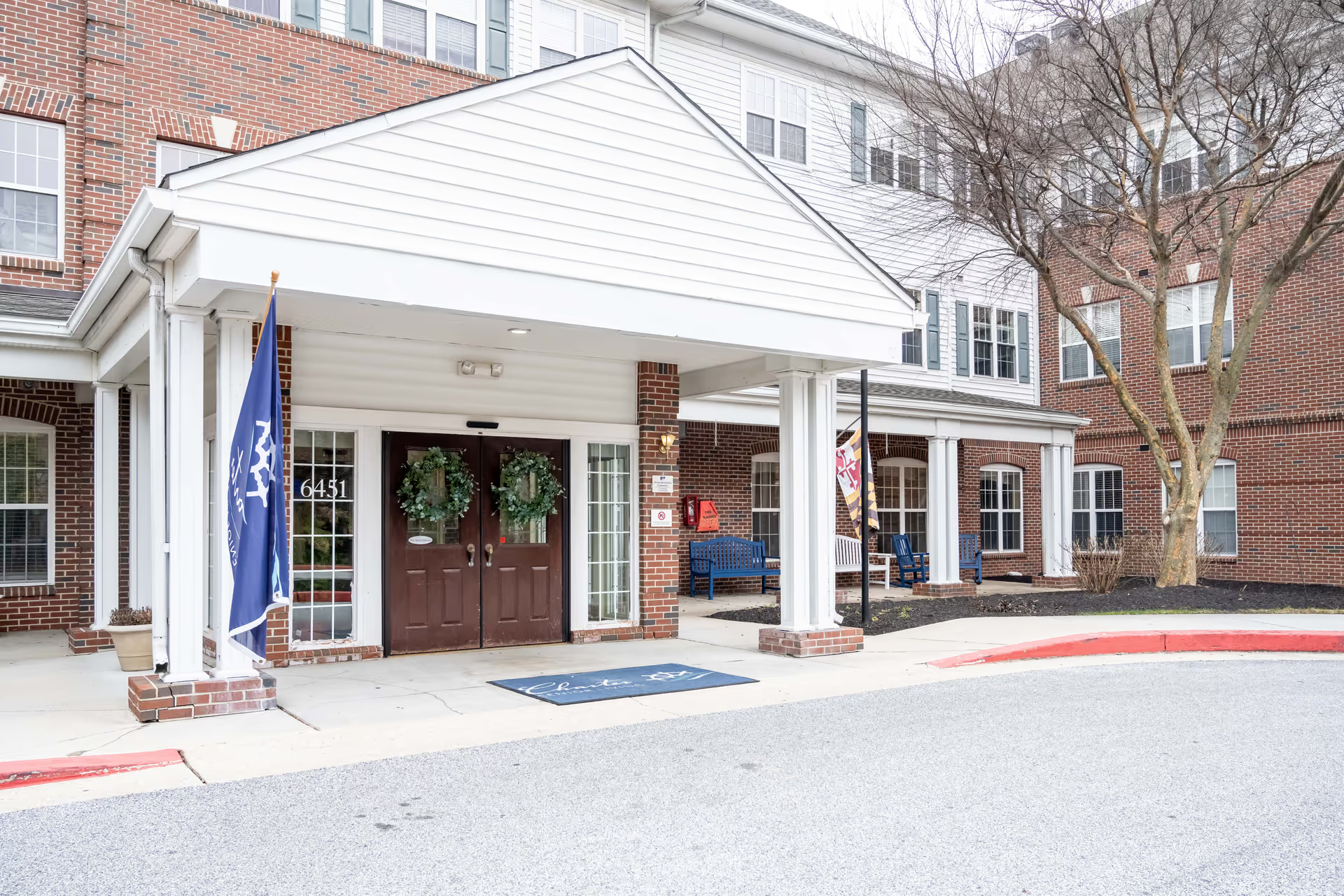
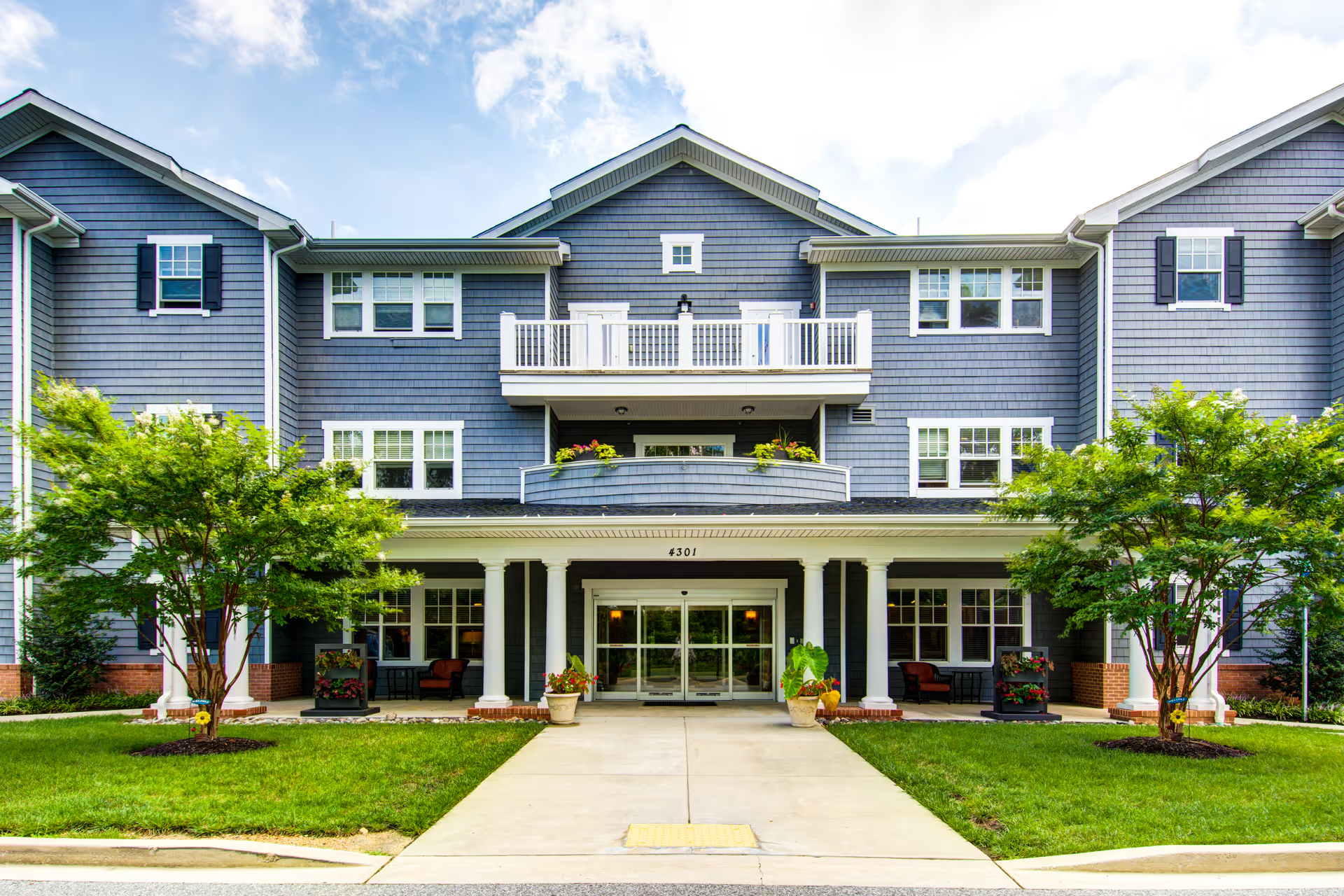
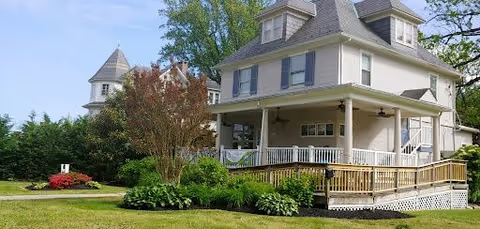
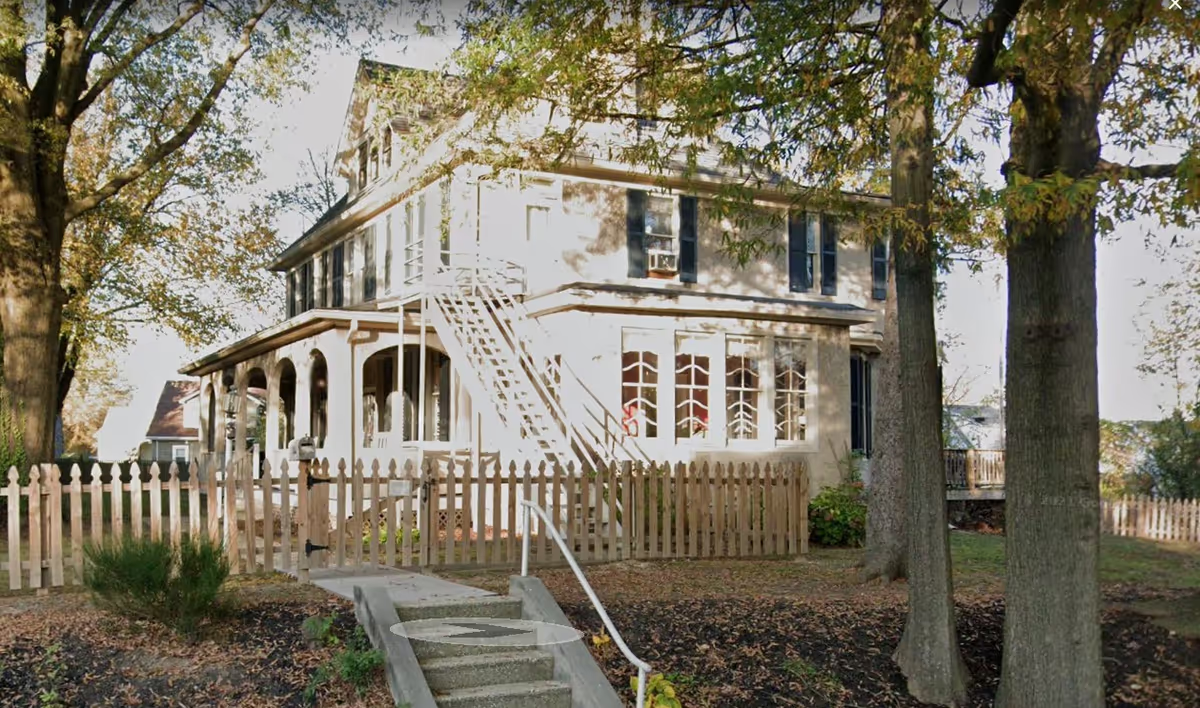
Facilities and maintenance: Physical plant feedback is mixed. Many reviewers note pleasant common areas, a spacious cafeteria, and a secure, welcoming reception. Others describe sanitation and odor concerns in particular rooms or corridors, pest-control issues in select units, limited refrigerator space for personal items, and general variability in maintenance during renovation periods. Prospective residents should inspect rooms and outdoor courtyards and ask about ongoing renovation timelines and pest-control protocols.
Management and administration: Administrative and admissions staff are frequently singled out as helpful and effective, particularly social-work coordination for discharge planning. Conversely, there are recurring complaints about billing inconsistencies, delays or confusion in paperwork at discharge, and difficulties obtaining replacements or reimbursement for personal items; there are even allegations of missing or mishandled property. Communication gaps between staff and families are also described, especially around off-shift coverage and incident follow-up.
Notable patterns and considerations: The dominant theme is variability—strong people and programs are present, but operational weaknesses (staffing consistency, medication controls, sanitation practices, and property-management procedures) undermine some families’ experiences. For families evaluating this facility, recommended due diligence includes asking about current staffing ratios for the unit and shifts of concern, verifying medication-safety procedures and wound-care protocols, confirming meal accommodations, documenting an inventory of personal items at admission, and meeting the facility’s social-work contact for discharge and billing coordination. These steps can help capitalize on the facility’s clinical and program strengths while mitigating the operational risks described in reviews.