The reviews for Carroll Park Healthcare present a strongly polarized picture: many families and patients describe compassionate individual caregivers, effective therapy services, and visible improvements in some units, while other accounts point to recurring operational and clinical shortfalls. The facility appears to host pockets of high-quality practice—notably in rehabilitation/therapy, certain nursing shifts, and activities programming—alongside systemic inconsistencies that affect day-to-day resident experience.
Care quality is described as highly variable. Several accounts praise dedicated aides and therapists who support mobility, weight gain, and successful discharges home. At the same time, multiple accounts indicate delayed or missed medication administration, inconsistent nursing assessments, lapses in IV/PICC-line management, and slow responses to pain or feeding needs. These patterns suggest gaps in clinical coordination and handoff processes that have led to avoidable hospital transfers and family concern in some instances.
Staffing and staff conduct are central issues in the feedback. Reviewers note both compassionate, diligent staff members and periods of understaffing, high turnover, and uneven skill levels. Call-light response times and long waits for assistance recur as operational weaknesses. Some shifts (commonly day/evening) are described as better staffed and more responsive than others (commonly night), indicating shift-to-shift variability. There are also multiple mentions of front-desk demeanor and occasional concerns about staff communication tone, which point to inconsistent interpersonal practices.
Dining and nutrition receive frequent comment. Strengths include basic meal availability and occasional positive experiences, but weaknesses include inconsistent meal timing and delivery, food served cold, poor adherence to dietary restrictions (diabetes, allergies), and concerns about portioning and cost. Families should inquire specifically about therapeutic diets, food-handling procedures, and how dietary preferences/allergies are documented and enforced.
Activities and psychosocial programming are often highlighted as a positive element: engaged activities staff, creative programming (art, music, events), and opportunities for socialization are repeatedly praised. However, some reviews request more stimulation and note uneven programming between units, and there appears to be limited dedicated memory-care programming in portions of the facility.
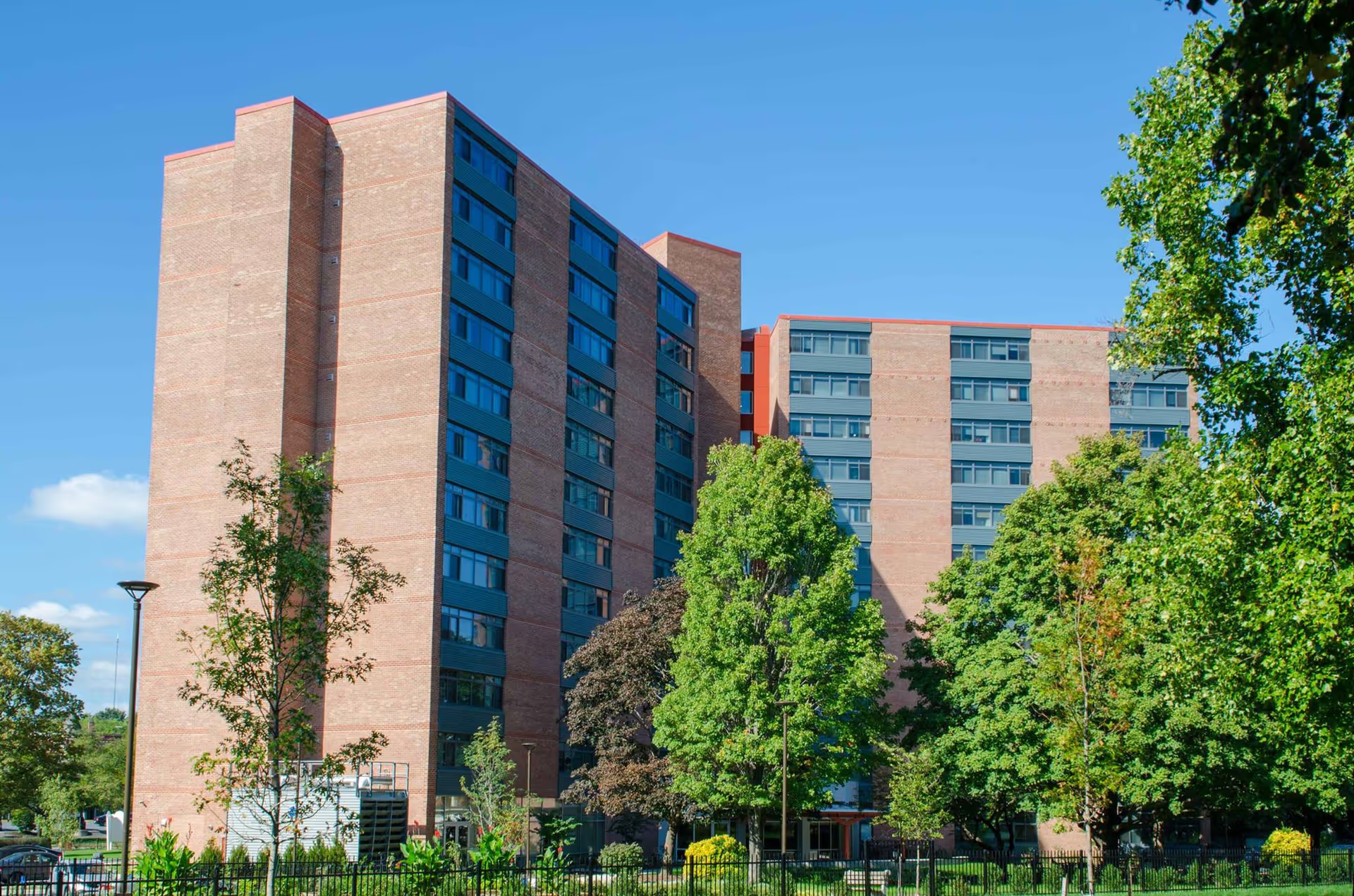
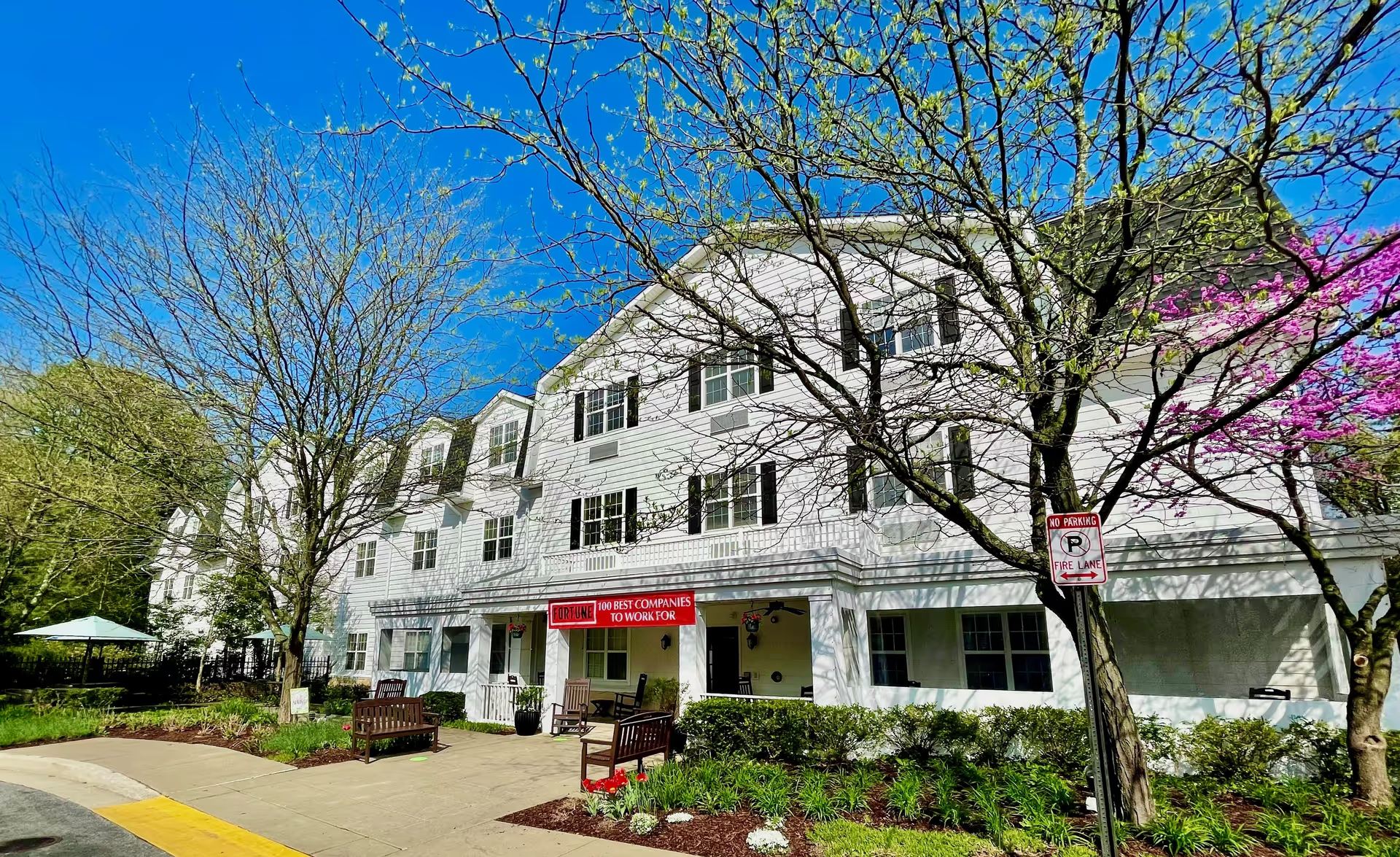
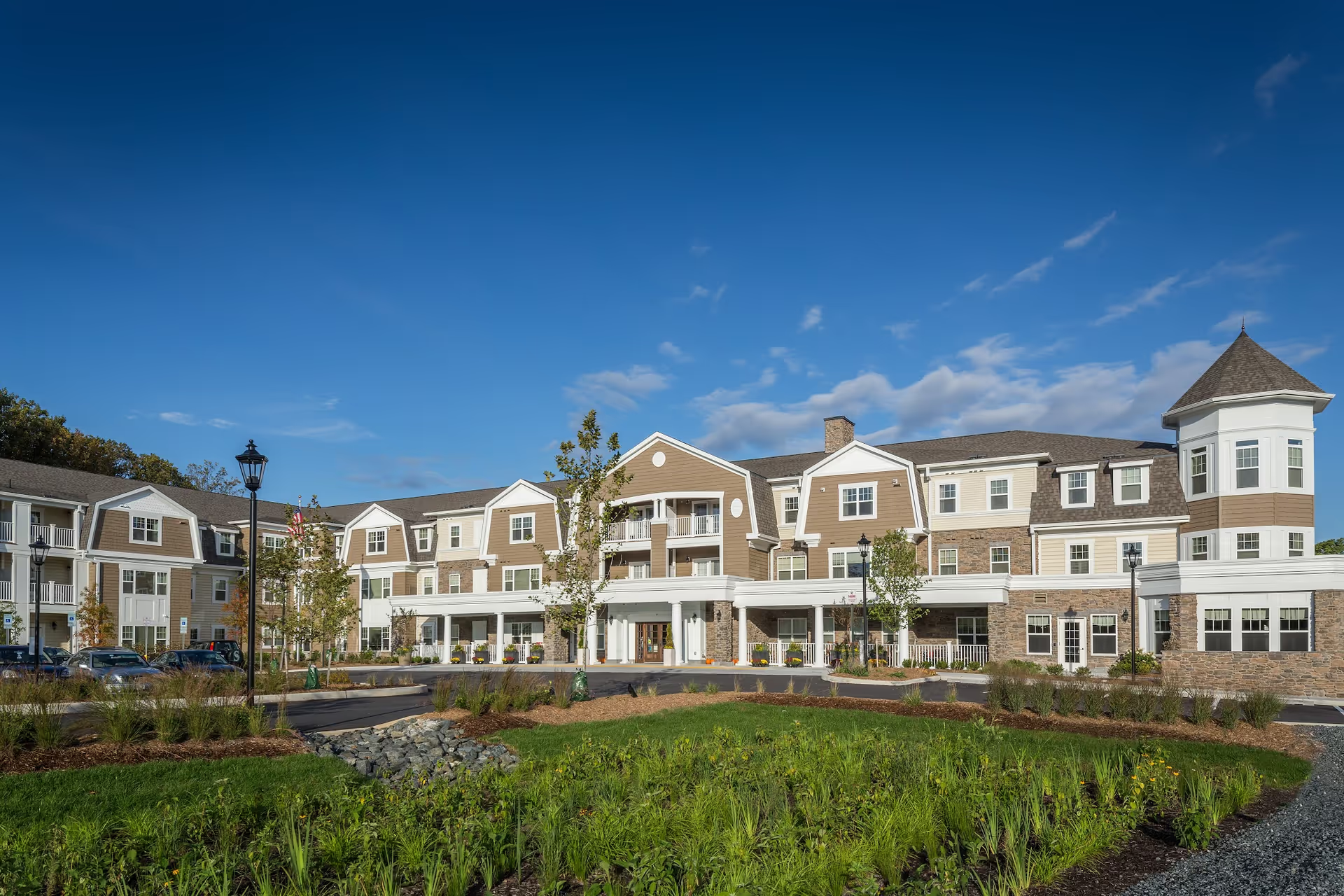
Facility environment and maintenance are described inconsistently across reviews. Several reviewers point to recent renovations, updated rooms, and clean, welcoming common areas; others raise sanitation concerns, odor-control issues, shared-bathroom logistics, and pest-control worries. Equipment availability and maintenance—assistive devices, transport capability for wheelchair users, and timely delivery of ordered items—are identified as areas needing improvement.
Management and oversight are perceived as mixed. Some families commend responsive leadership, an involved Director of Nursing, and demonstrable improvements after complaints. Conversely, other reviewers describe inconsistent policy enforcement, poor follow-up on care transitions and discharge instructions, and sporadic responsiveness from administration and corporate offices. There are also allegations of theft and financial misconduct noted in reviews; these are serious claims that warrant direct inquiry during any evaluation.
Notable patterns across reviews are the facility’s variability by unit and shift, recurring themes of staffing inconsistency, and repeated concerns about medication administration and meal/dietary management. Prospective residents and families should consider an in-person tour, ask targeted questions about staffing ratios by shift, medication and IV protocols, dietary accommodations, infection-control measures, and recent regulatory or corrective actions. When possible, seek references from families of residents on the same unit and request documentation of improvements the facility has made in response to prior concerns.