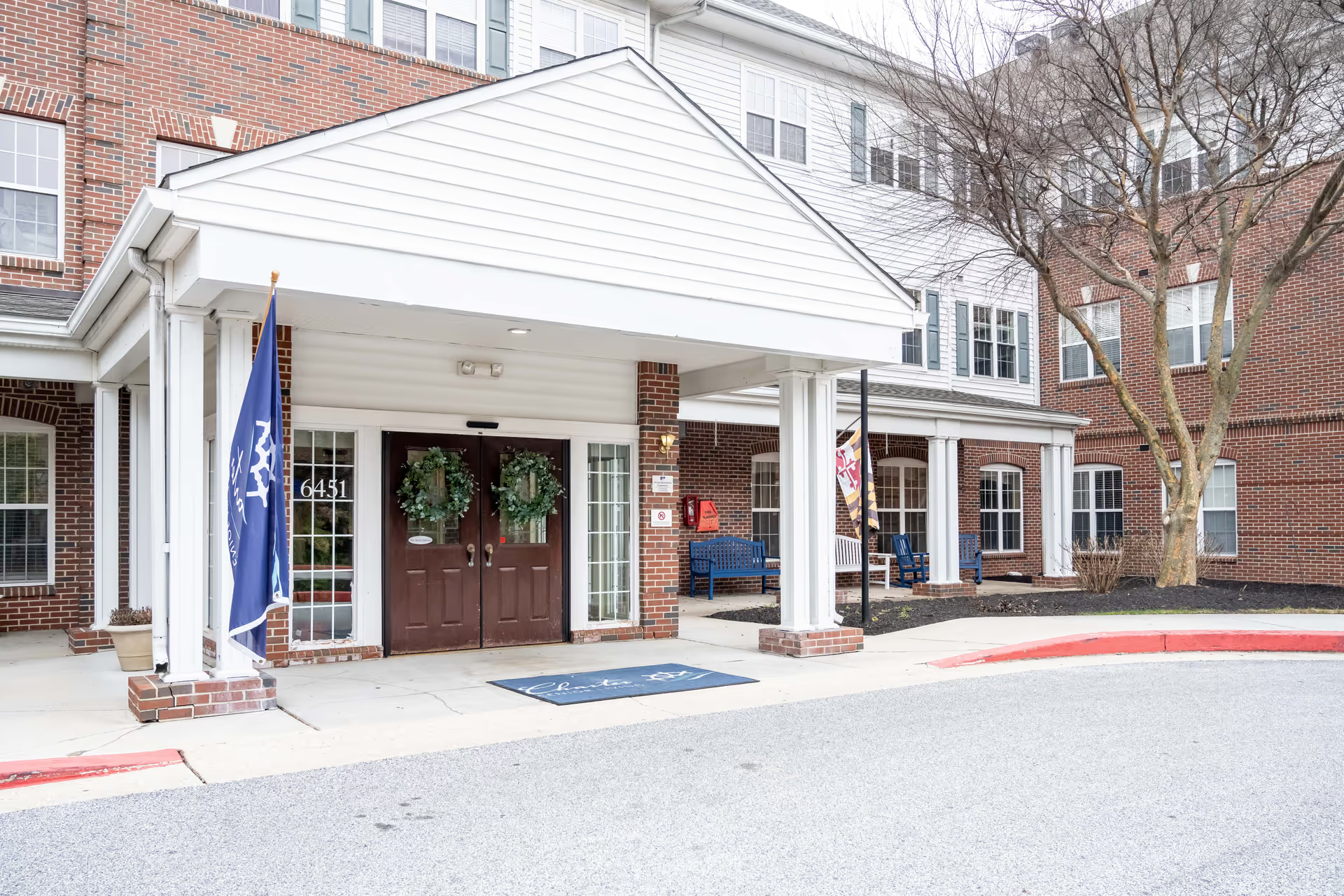
Elements of Rescue Living is described in reviews as a small, house-like care setting. That residential scale may appeal to families seeking a non-institutional environment; however, multiple operational concerns are raised that bear on overall care quality and safety.
Care quality: Reviews indicate substantive concerns about clinical and safety processes. Items include unsafe handling during resident transfers that resulted in emergency-room care, delayed or insufficient on-site response to acute events, and broader questions about preparedness for higher-acuity needs. There are also references to end-of-life care issues and situations that families found troubling; these suggest gaps in clinical-incident response, escalation pathways, and family notification practices.
Staff and supervision: The pattern in the reviews points to deficiencies in staff responsiveness, inconsistent communication from administrators, and perceived lapses in staff conduct and oversight. Several comments describe difficulties contacting leadership and long response times when problems arise. Together these indicate potential weaknesses in staffing levels, training, or supervision structures that affect day-to-day care and family engagement.
Dining and activities: Review content does not provide substantive information about meal quality, dining routines, or organized activities and programming. Prospective families should request current menus, activity schedules, and examples of resident engagement during a visit or intake discussion to evaluate these areas.
Facilities and personal effects: The setting is characterized as a single-house residential model rather than a larger licensed facility. Reviewers raise concerns about handling of residents' personal property and financial instruments, including instances where belongings were not returned and financial controls appeared inadequate. These suggest the need for clear, documented policies on personal-effects management, secure handling of resident funds, and transparent accounting practices.
Management and regulatory issues: Reviews reference management instability and note legal or regulatory attention; there are references to criminal charges and an investigation by the Office of Health Care Quality, and there are allegations of financial misconduct and neglect involving ownership. Such items point to potential governance and compliance weaknesses. Families should confirm current licensing status, inspection history, and any enforcement actions directly with the relevant regulatory agency.
Notable patterns and recommendations: The recurring themes are emergency-response shortfalls, poor communication with families, property/financial-control gaps, and concerns about leadership and oversight. Given these patterns, prospective residents and families should seek up-to-date documentation on staffing ratios and training, emergency and transfer protocols, property and financial safeguards, complaint-resolution procedures, and recent inspection reports. Arrange an in-person visit, request references from current families, and verify regulatory status before making placement decisions.