Overall impression: Reviews present a mixed picture. Several families described genuinely affectionate, personal care and a home-like atmosphere where residents appeared well known and valued. At the same time, multiple operational weaknesses are described that affect daily living, safety, and comfort.
Care quality and staff: Positive comments emphasize individualized, loving attention and close resident–staff relationships. However, other observations point to inconsistent practices and concerns about staff conduct and communication style; reviewers described controlling or overly regimented interactions in some instances. There are repeated indications of variability in responsiveness and routine adherence, suggesting differences in staff training, supervision, or staffing levels that affect how consistently care is delivered.
Dining and nutrition: Reviewers reported inconsistent meal quality and preparation methods, including reliance on prepackaged or reheated entrées and meals described as diluted or lacking substance. Lunch service practices raised questions about menu planning and meal presentation. These points indicate an uneven dining program and potential limitations in culinary resources or kitchen oversight.
Activities, routines, and entertainment: Several accounts indicate limited programming and restricted access to entertainment; examples include early, standardized nighttime routines and centralized control of television access. There is a pattern of rigid scheduling that may not accommodate individual preferences, which could affect daytime stimulation and evening social options for residents.
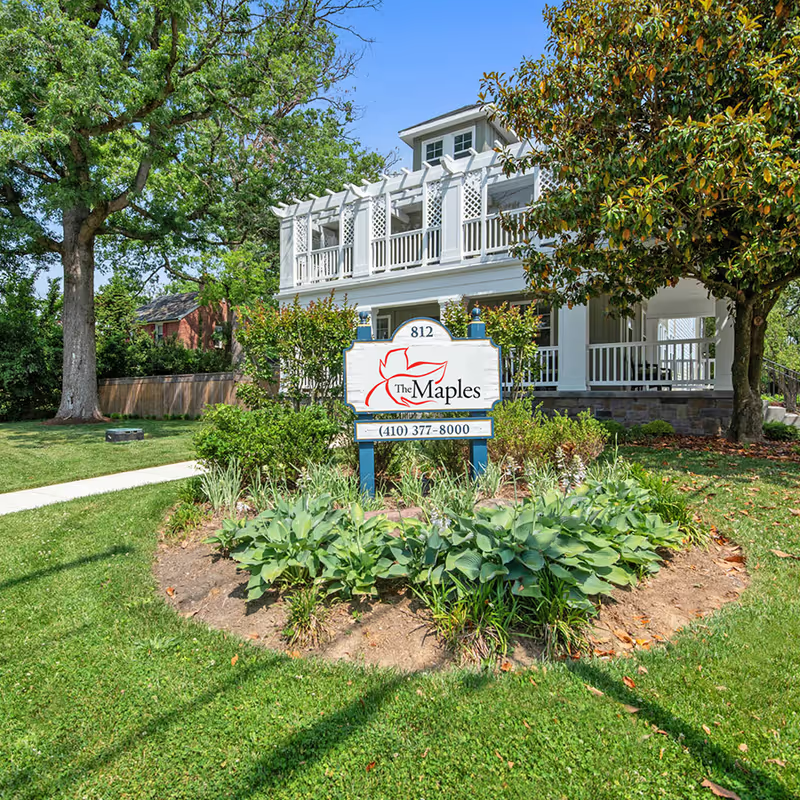
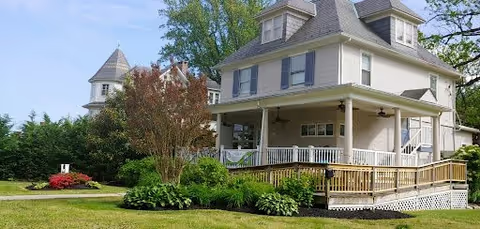
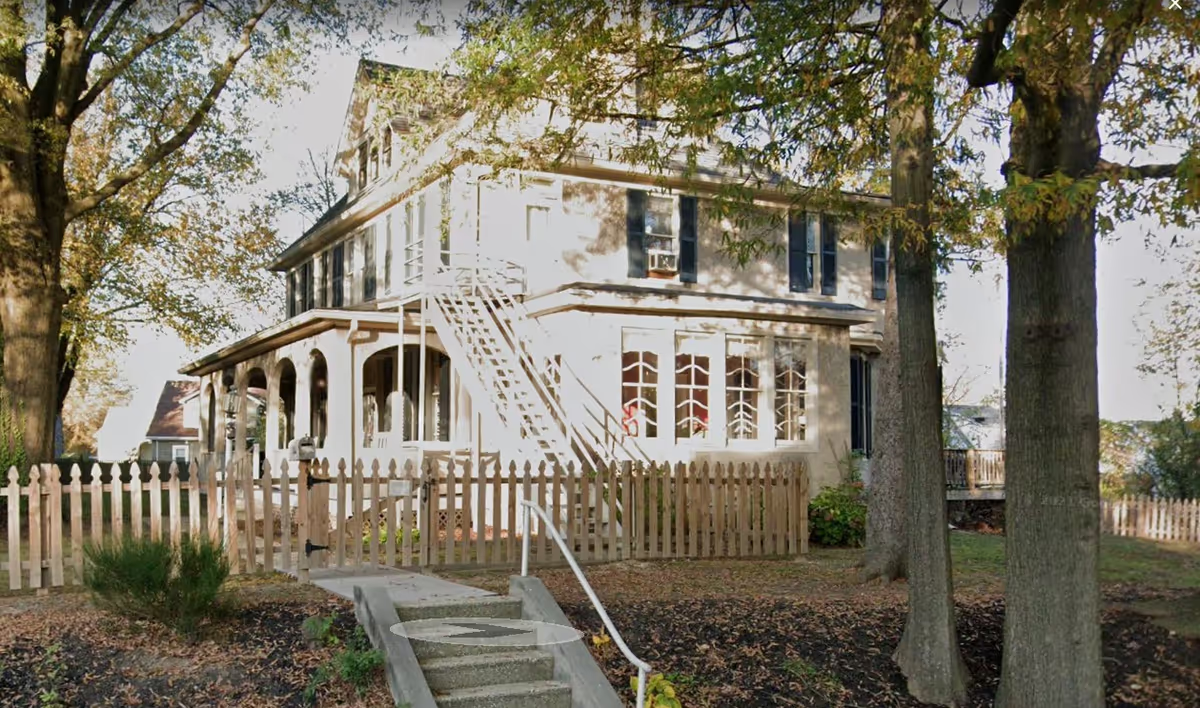
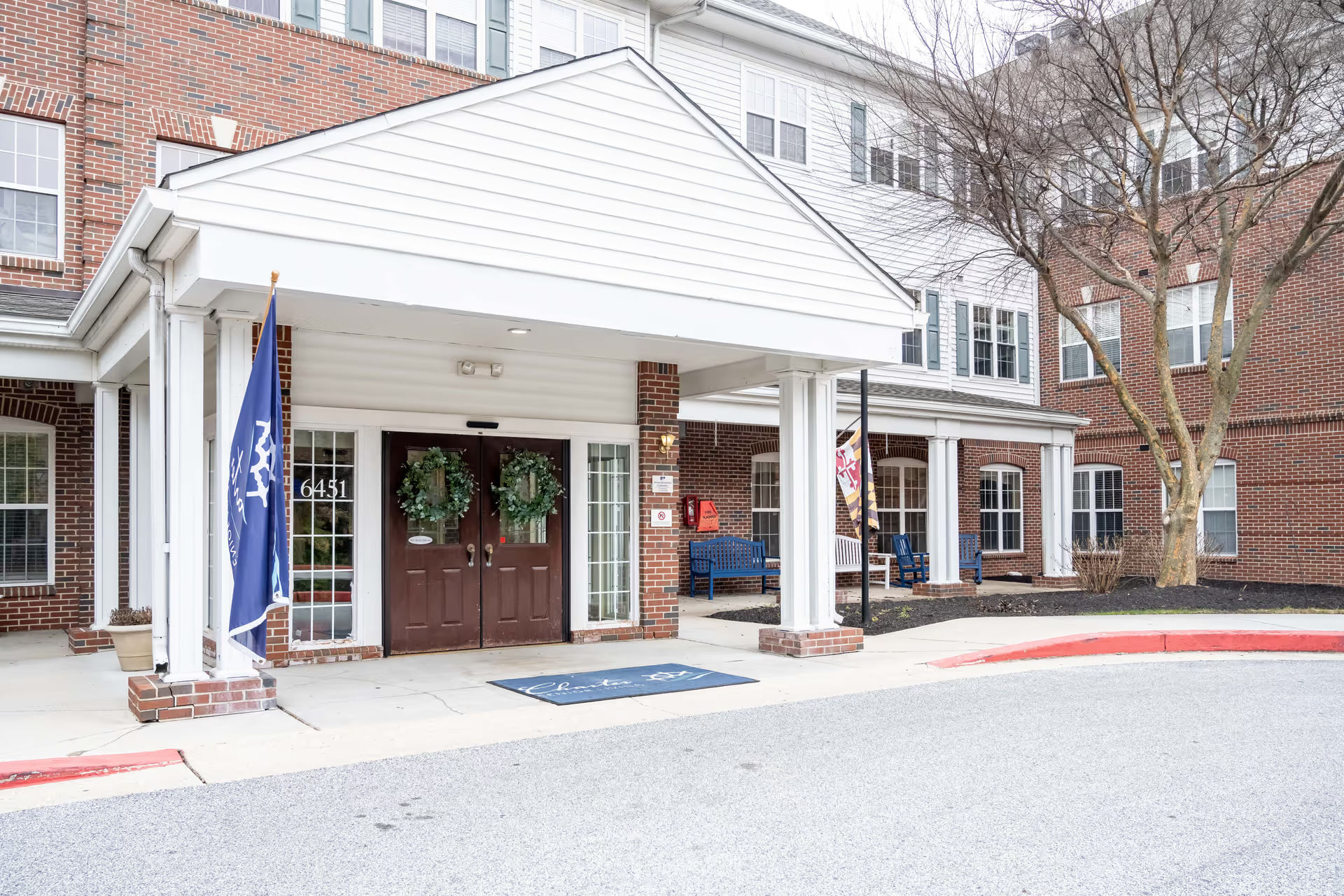
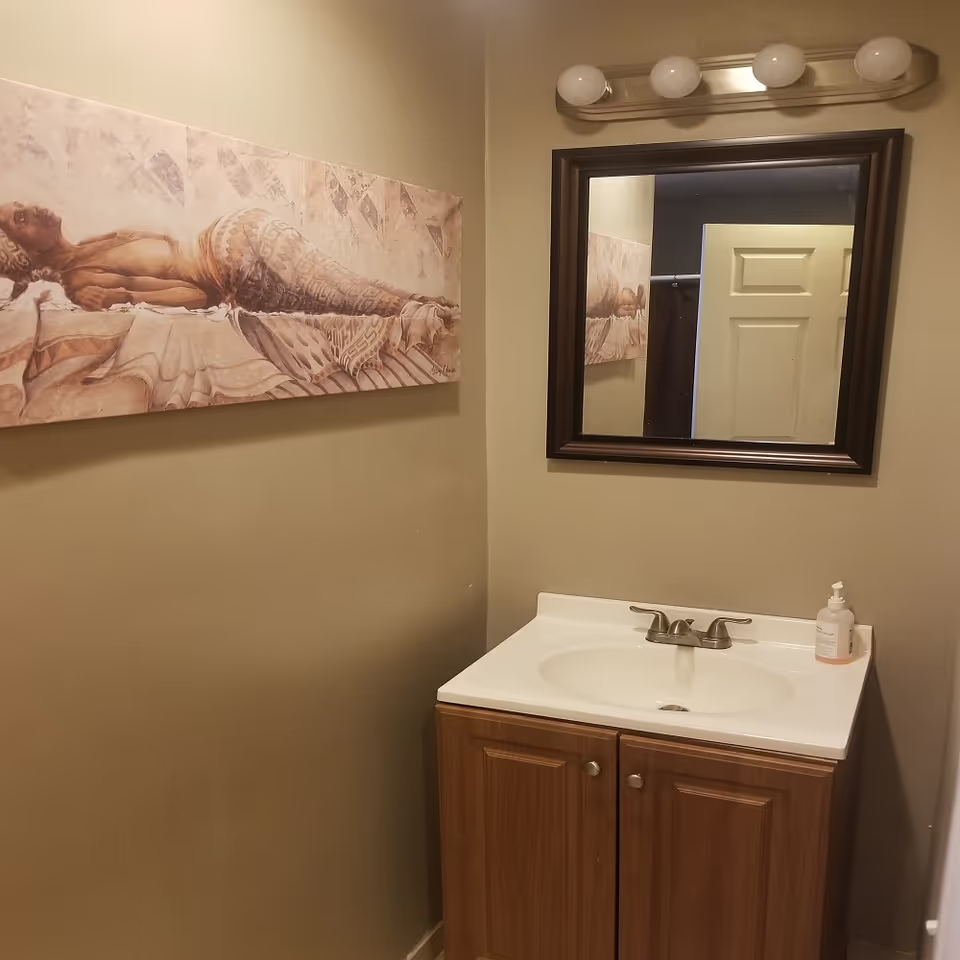
Facilities, housekeeping, and maintenance: Physical-condition concerns recur across summaries: worn or small resident rooms with flimsy furnishings, exterior maintenance issues such as boarded or modified access points, and outdoor/common-area cleanliness problems. Laundry management problems, including improper handling that caused fabric damage, were also described. Reviewers noted odor concerns and debris in walking areas, along with pest-control worries outdoors, which collectively point to gaps in environmental services and property upkeep.
Management and operational patterns: The collected statements suggest uneven operational oversight—particularly in housekeeping, laundry, toileting/incontinence management, bathing schedules, meal service, and maintenance. These are facility-level process issues rather than isolated interpersonal incidents. The contrast between strong personal-care anecdotes and operational shortcomings suggests variability between shifts or between individual caregivers and facility-wide systems.
Notable patterns and advice for families: Reviews are polarized—some families report excellent, family-style care, while others report multiple environmental and process-related deficiencies. Prospective residents and families should consider an in-person visit that includes a mealtime, inspection of a typical resident room, review of laundry and bathing procedures, a walkthrough of common and outdoor areas, and direct conversation about staffing, schedules, and emergency/security measures. Asking for documentation of staff training, laundry and sanitation protocols, and sample activity calendars may clarify whether the positive caregiving experiences are paired with consistent operational practices.