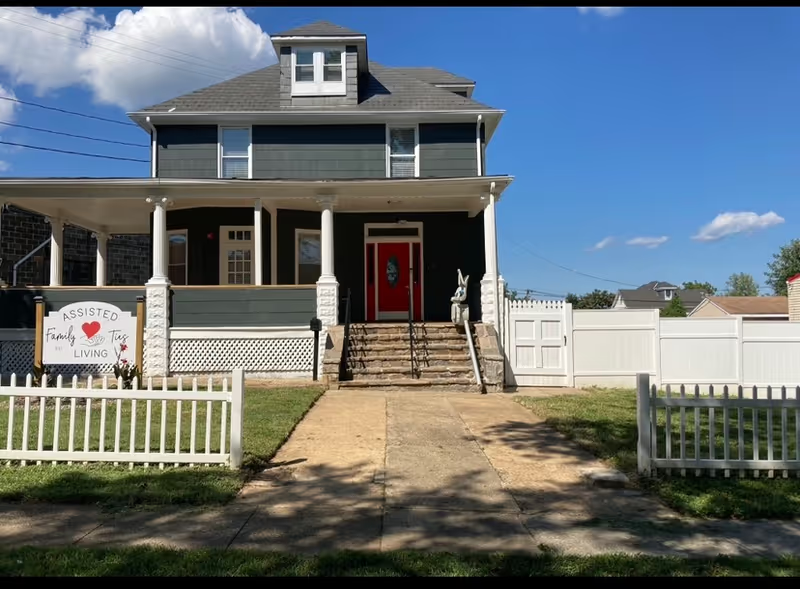
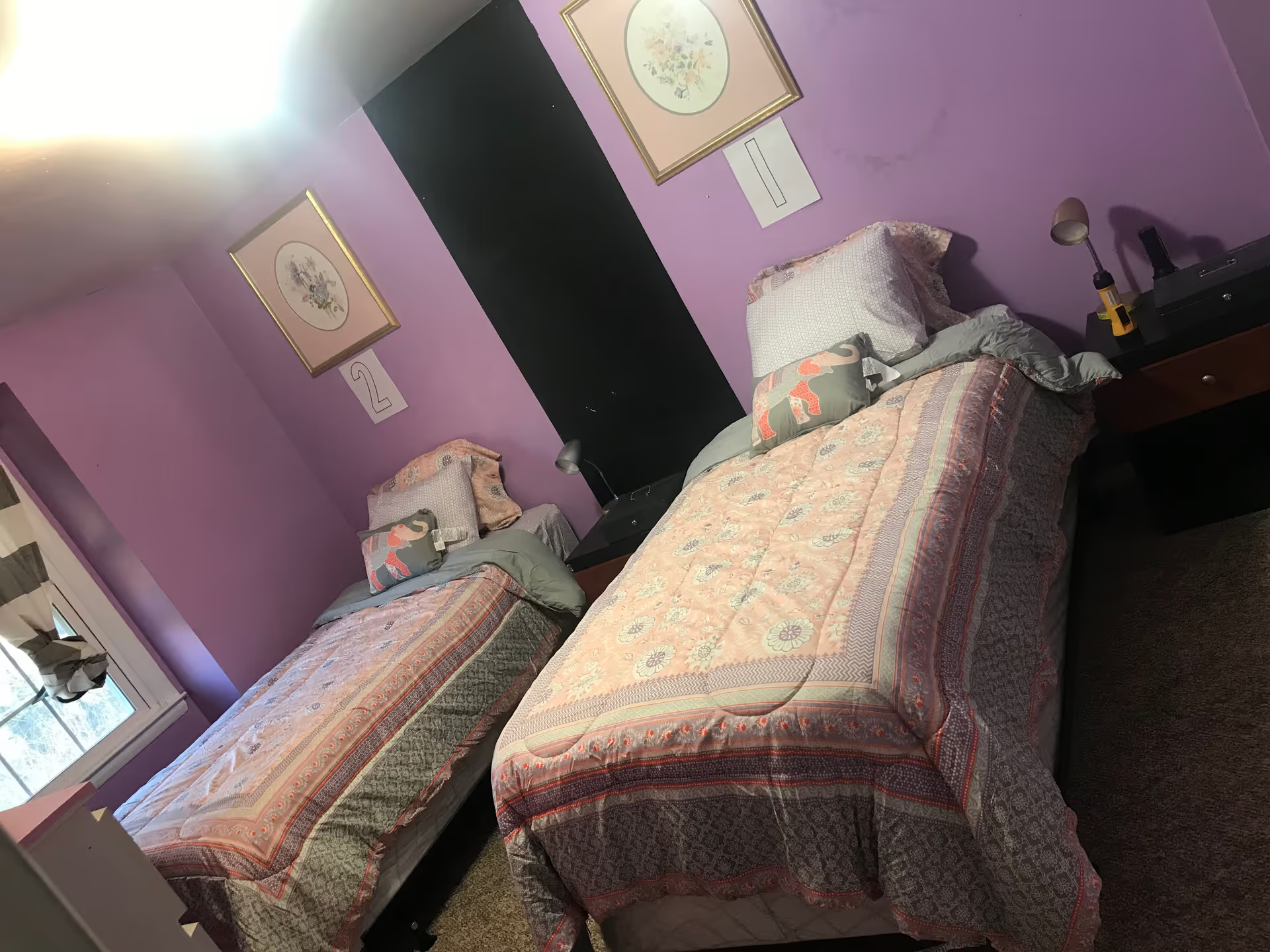
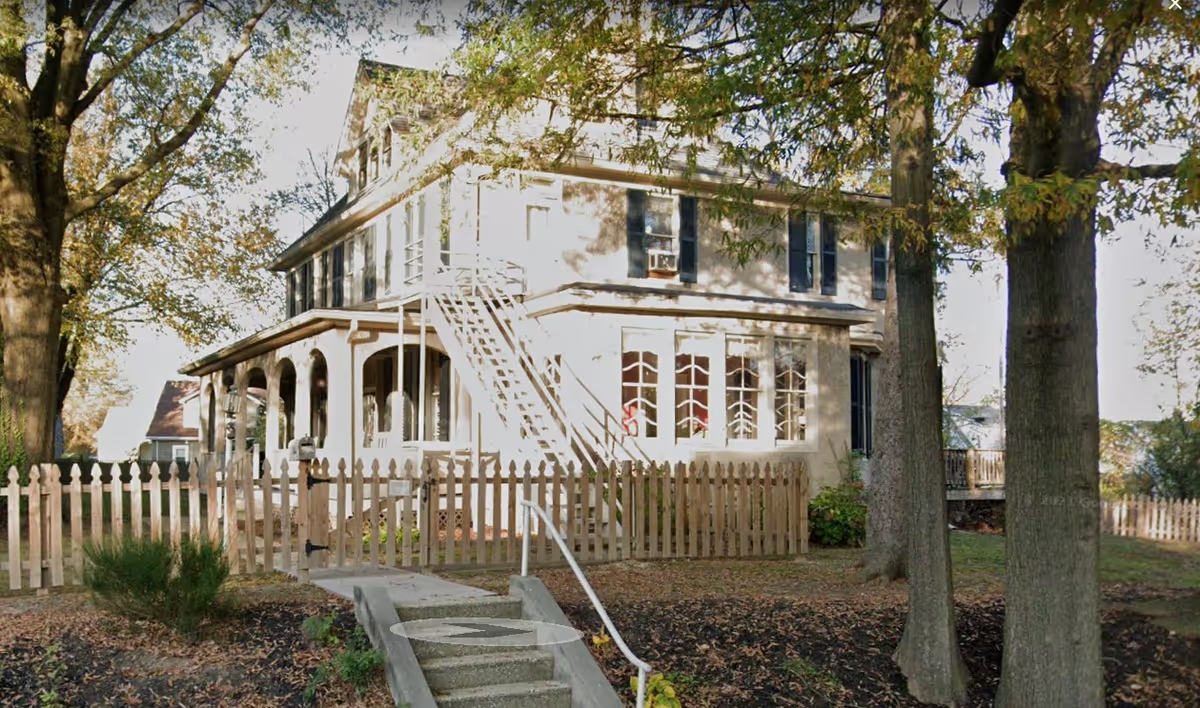
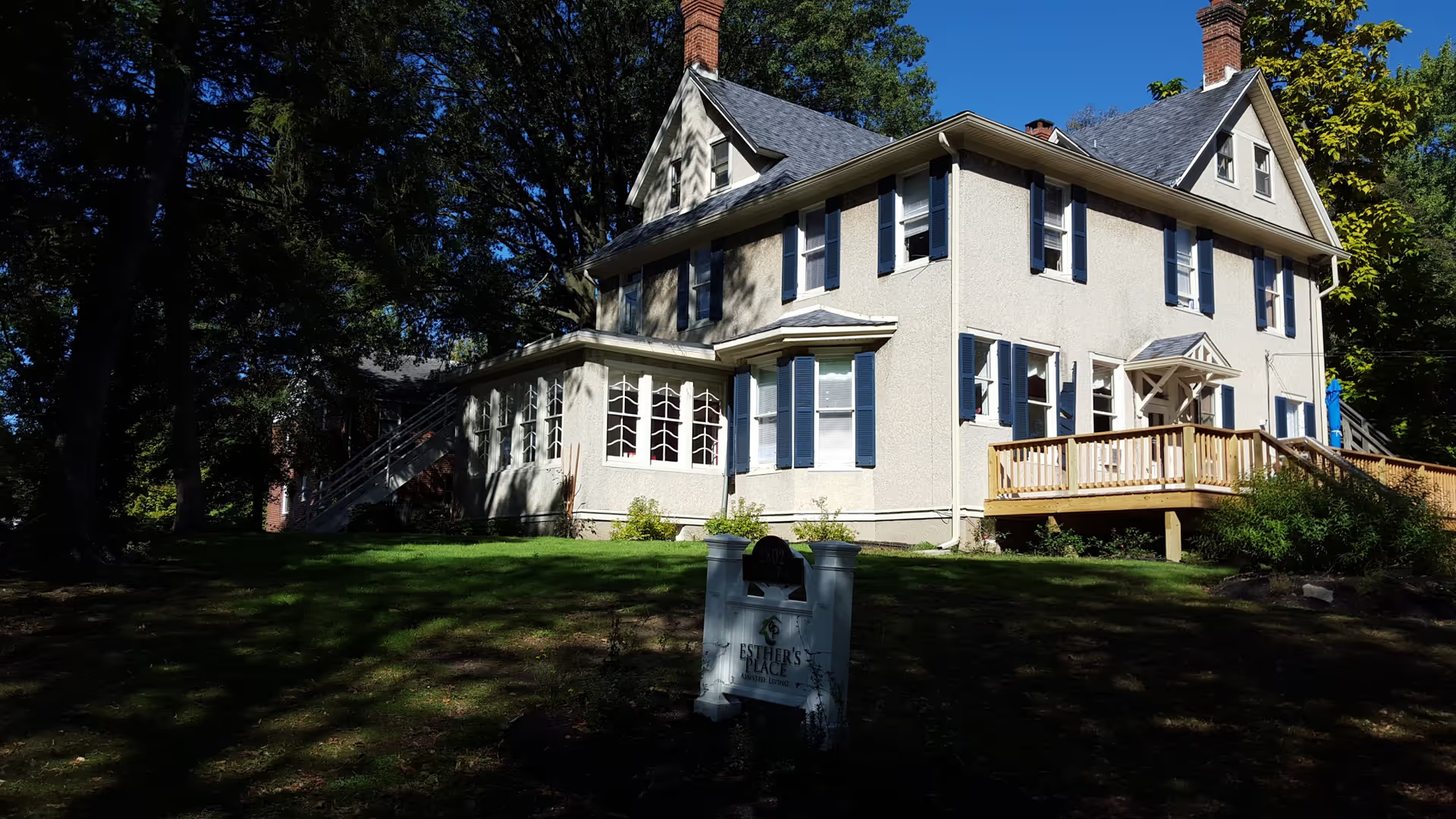
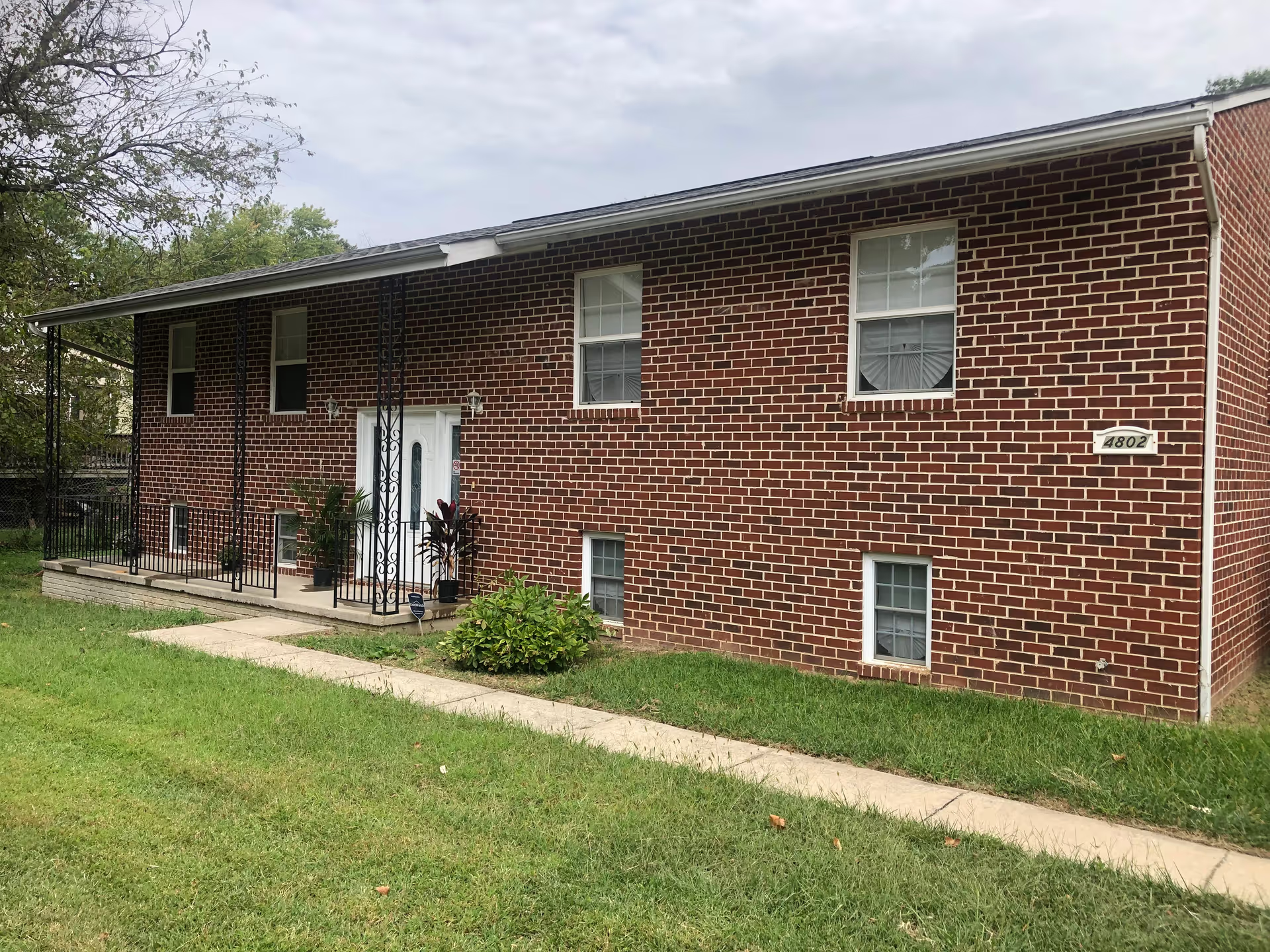
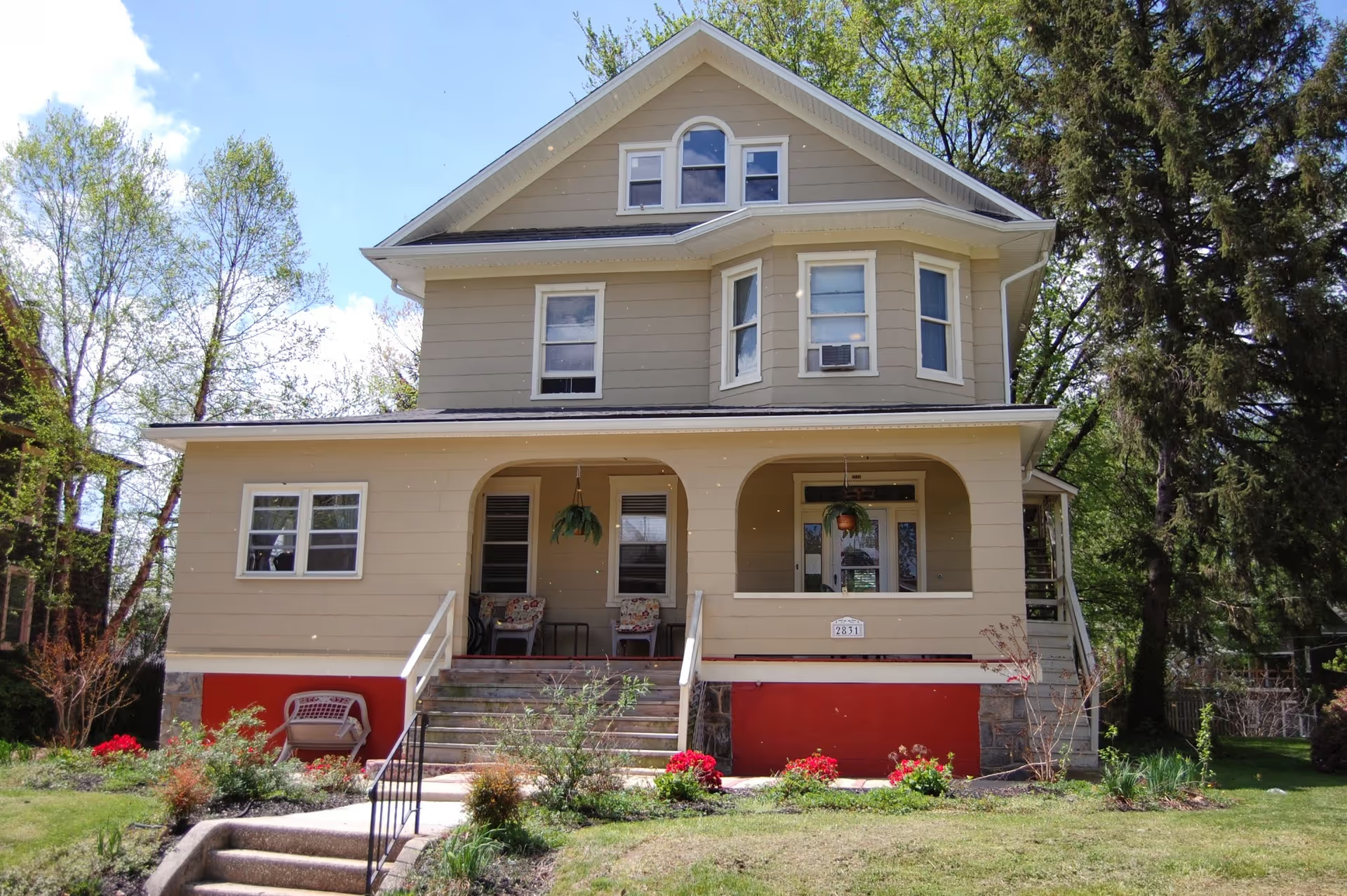
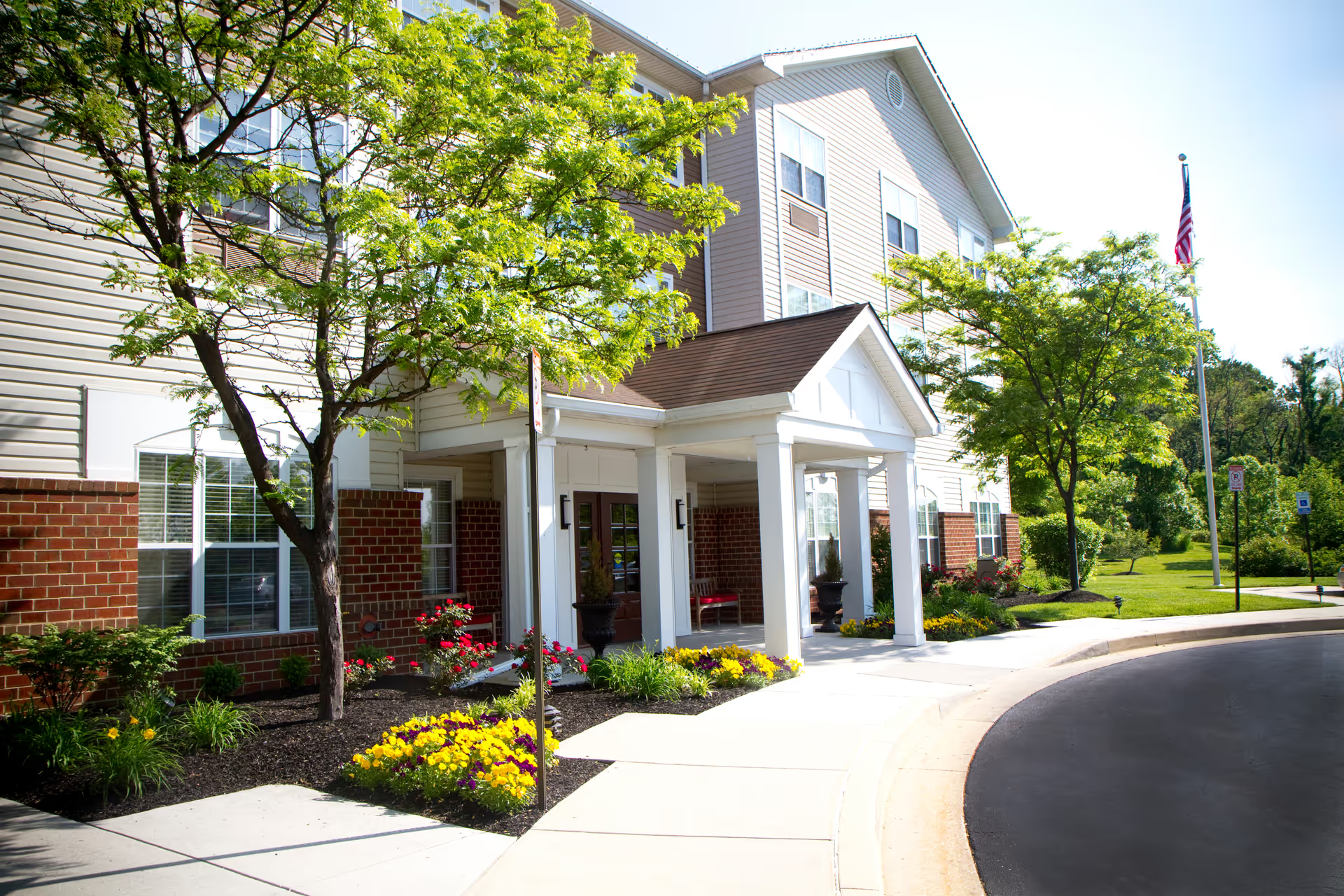
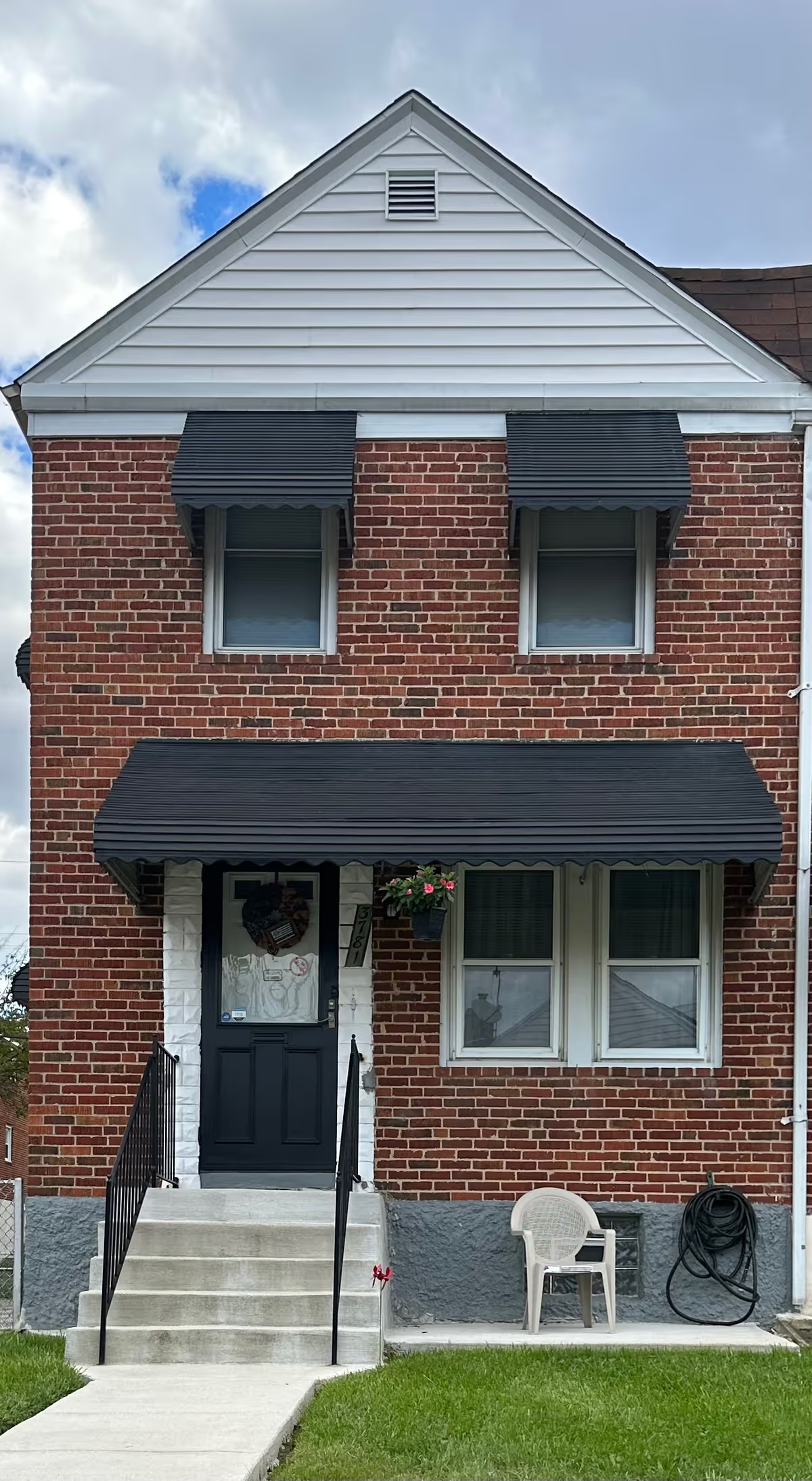
Overall impression: Reviews present a mixed but specific picture of this small assisted-living/home-health operation. Many families praise the caregiving team and owner for compassionate, personalized care, including expertise in hospice and dementia-support approaches. The facility is frequently described as homelike, clean, and well maintained, with attractive indoor and outdoor spaces and appealing meals. Those positive reports emphasize a family-style culture in which residents receive attentive, individualized support and where the owner is directly involved and reassuring.
Care quality and staff: Strengths cited center on staff kindness, attentiveness, and consistent personal interaction—staff are characterized as loving, professional, and capable in end-of-life care. Several comments highlight dementia-capable caregiving and the availability of hospice services. At the same time, other accounts raise concerns about supervision and safety practices: reviewers reference lapses in staff oversight and incidents that suggest weaknesses in fall-prevention and transfer protocols. These contrasting comments indicate variability in day-to-day supervision and safety performance.
Dining, activities, and environment: The dining experience is described positively, with home-style, enjoyable meals contributing to residents feeling at home. The facility’s atmosphere is consistently portrayed as welcoming and peaceful, with usable outdoor space and a bright, well-kept interior. References to indoor/outdoor options and a homelike setting indicate a small-scale model that emphasizes comfort and family-style living rather than an institutional environment.
Facilities and maintenance: The physical plant is generally seen as clean and inviting, but there are isolated concerns about responsiveness to property damage and repairs. Some reviewers note delays or insufficient follow-up on maintenance issues, which can affect perceptions of safety and property upkeep after adverse events such as storm-related damage.
Management and communication: The owner receives repeated praise for being hands-on and reassuring in many accounts, which is a clear strength for families seeking direct leadership. However, other comments point to variable management oversight and gaps in communication with families and neighbors, including slow or inconsistent updates after incidents. That pattern suggests uneven administrative follow-through and an opportunity to standardize family communication and incident-response protocols.
Notable patterns and guidance for prospective families: The dominant positive themes are strong personal caregiving, a homelike environment, and available hospice/dementia support. The dominant concerns are operational: inconsistent supervision/safety practices, delayed maintenance response, and gaps in management communication. Prospective families would be advised to observe staffing levels during a visit, ask about formal fall-prevention and transfer protocols, request examples of recent maintenance and repair responses, and clarify how the facility communicates clinical incidents and routine updates to family members. Reviewing licensing/inspection records and seeking references from current resident families can also help balance the facility’s clear strengths against the operational variability described in some reviews.