Overall impression: Reviews of St. Elizabeth Rehabilitation and Nursing Center are mixed, with a clear divide between consistently praised rehabilitation, therapy and some long‑standing staff, and recurring operational problems affecting basic nursing care and coordination. Many families describe excellent therapy outcomes, a welcoming physical environment, and compassionate long‑term caregivers; at the same time, a substantial number of accounts cite lapses in routine care, communication, and facility operations that materially affect resident experience.
Care quality and clinical concerns: The facility receives frequent positive comments for its physical and occupational therapy programs and for therapy‑driven functional gains. Simultaneously, there are persistent and specific concerns about core nursing operations: inconsistent assistance with toileting and bathing, delayed response to call bells, missed or late medications, and gaps in wound‑care and skin‑integrity management. A few accounts reference severe clinical incidents that prompted legal discussions; these are outliers but they have amplified family worry about clinical oversight. Reviewers recommend active family involvement in care planning and verification of medication and wound‑care protocols when a loved one is admitted.
Staffing and staff conduct: Long‑term staff and certain unit nurses and aides are frequently described as dedicated, compassionate, and effective. However, many narratives point to high turnover, a large contingent of temporary/agency staff, and variable competence or engagement among frontline workers. Reported patterns include distracted staff behavior (phone use), inconsistent responsiveness—especially on nights and weekends—and occasional reports of brusque or unprofessional communication. These staffing dynamics appear to contribute to uneven day‑to‑day care quality.
Dining and nutrition: Dining receives generally positive remarks for food variety and portioning, particularly during short‑term rehabilitation stays. Conversely, families report inconsistent meal timing, meals arriving cold, and occasional dietary accommodation problems. Meal‑service continuity and temperature control are operational areas that families and staff should monitor.
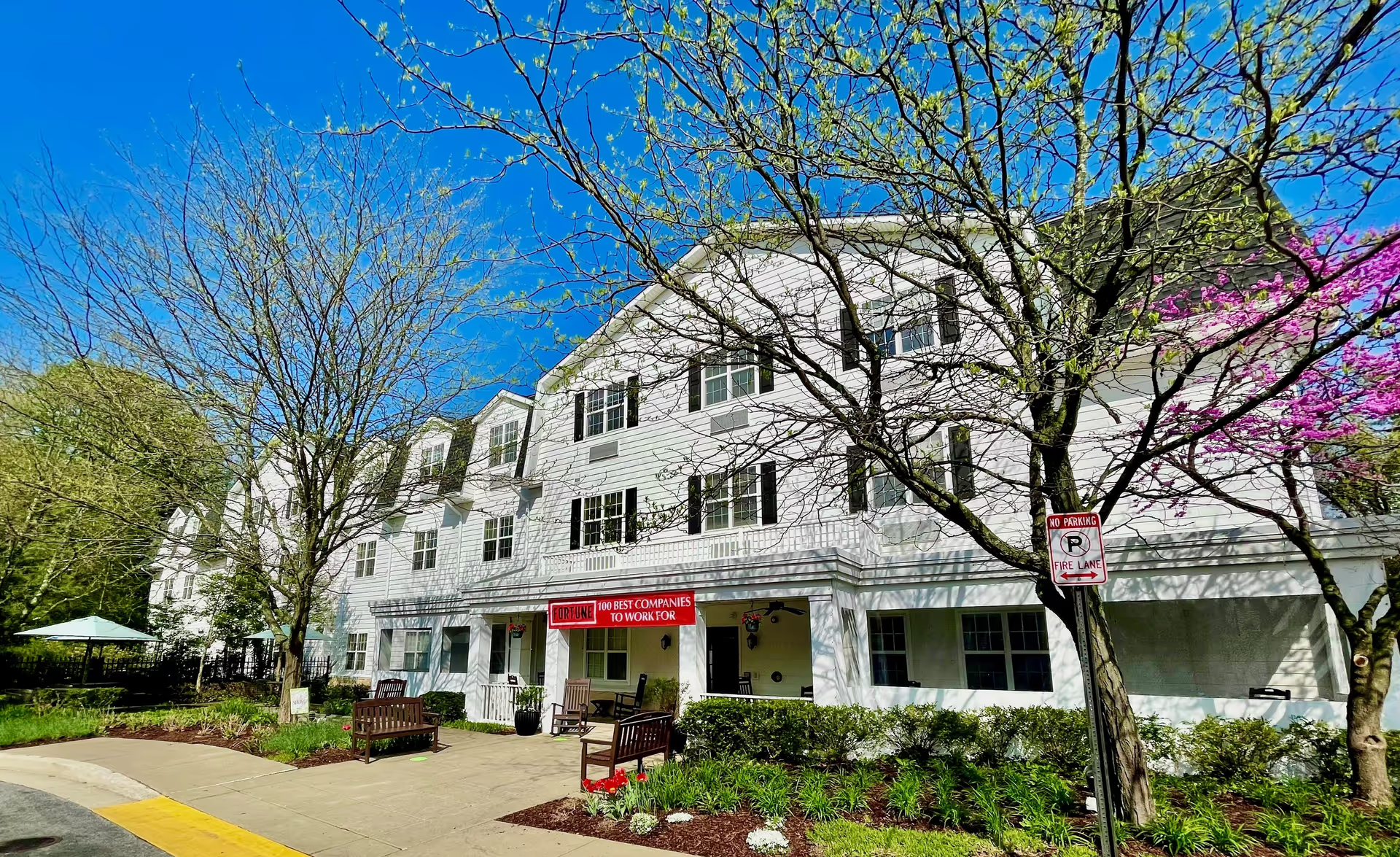
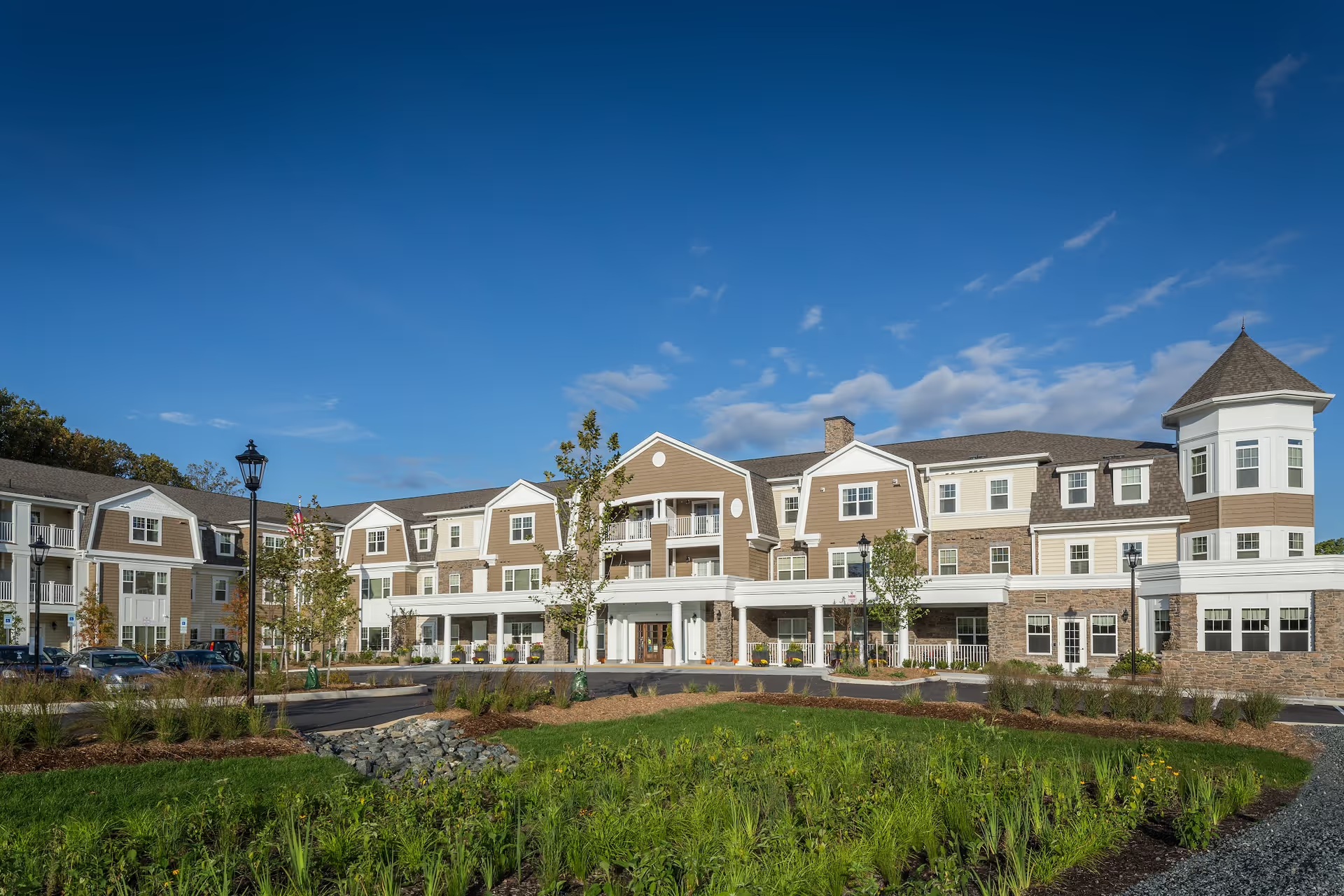
Activities, pastoral care and environment: The facility's activity and spiritual programs are a clear strength. Daily Mass, Praise and Worship, live music, beauty shop services, bingo, and other enrichment activities are noted as meaningful for residents. The physical plant, including a new therapy gym, attractive grounds, and multiple social spaces, is often described as clean, modern, and comfortable.
Facilities, maintenance and sanitation: Many reviewers praise cleanliness and a pleasant atmosphere, but there are repeated references to localized sanitation and pest‑control concerns, intermittent hot‑water or phone outages, occasional construction‑related disruptions, and delayed corrective maintenance (lighting, equipment). These issues tend to be described as intermittent rather than universal, but they have an outsized impact on resident comfort when they occur.
Management, administration and documentation: Experiences with management are mixed. Some families highlight responsive administrators and helpful discharge planning; others describe poor internal systems, slow or inaccurate chart reviews, billing and Medicare appeals difficulties, and uneven communication from nursing leadership. Documentation and care‑tracking system gaps are a recurring theme and appear linked to several operational failures (missed meds, inconsistent bathing, and appointment/transport breakdowns).
Patterns and practical guidance: A recurrent pattern is the coexistence of strong rehab/therapy capabilities and meaningful social programming with inconsistent basic nursing operations and administrative systems. Prospective residents and family members should confirm staffing ratios on the intended unit and shift, request an explicit care plan with medication consent documentation, verify wound‑care and skin‑integrity protocols, and establish preferred lines of communication with unit leadership. If concerns arise, families should escalate promptly to administration and, if unresolved, consider regulatory channels. For those seeking short‑term rehabilitation, the facility’s therapy services and gym are attractive; for long‑term care, families should weigh the site’s operational inconsistencies against the presence of dedicated long‑term staff and the facility’s programmatic strengths.