Reviews of Sterling Care Bel Air are markedly polarized, with a consistent pattern: the facility's rehabilitation services and many therapy staff receive strong, positive feedback, while long-term nursing and aide-level care show substantial variability. Physical, occupational, and speech therapy programs are repeatedly credited with helping residents regain mobility and independence; therapists are described as skilled, goal-oriented, and effective in discharge planning. Several families cite positive experiences with social work and case-management coordination that supported transitions back to home or assisted living.
At the direct-care level, experiences diverge. Multiple accounts describe dedicated, compassionate nurses and aides who go above and beyond, while other accounts identify inconsistent aide performance, delayed personal-care assistance, and long waits for hygiene-related care. Staffing shortages and low morale are recurring themes and are linked in reviews to slower response times, missed or delayed bathing and oral care, and difficulty obtaining basic supplies. These operational pressures appear to contribute to variable resident experiences depending on shift and unit.
Clinical-safety concerns are another recurring pattern. Reviewers cite medication-administration lapses, timing inconsistencies, and incomplete handoffs during admissions or discharges. There are frequent mentions of falls and gaps in fall-prevention practice, along with instances where family communication about incidents was delayed or inadequate. A subset of accounts raises serious concerns about incident response and end-of-life care communication; those accounts describe outcomes that prompted family intervention and regulatory attention in a few cases.
Dining and nutrition receive mixed feedback. Many families and residents report poor food quality, cold meals, and instances where dietary restrictions were not consistently followed. Conversely, some reviews note improvement in meal presentation or responsiveness to specific requests. Activity offerings and campus amenities are present and appreciated by some residents, but others feel activity timing and content are organized more around staff schedules than resident preference.
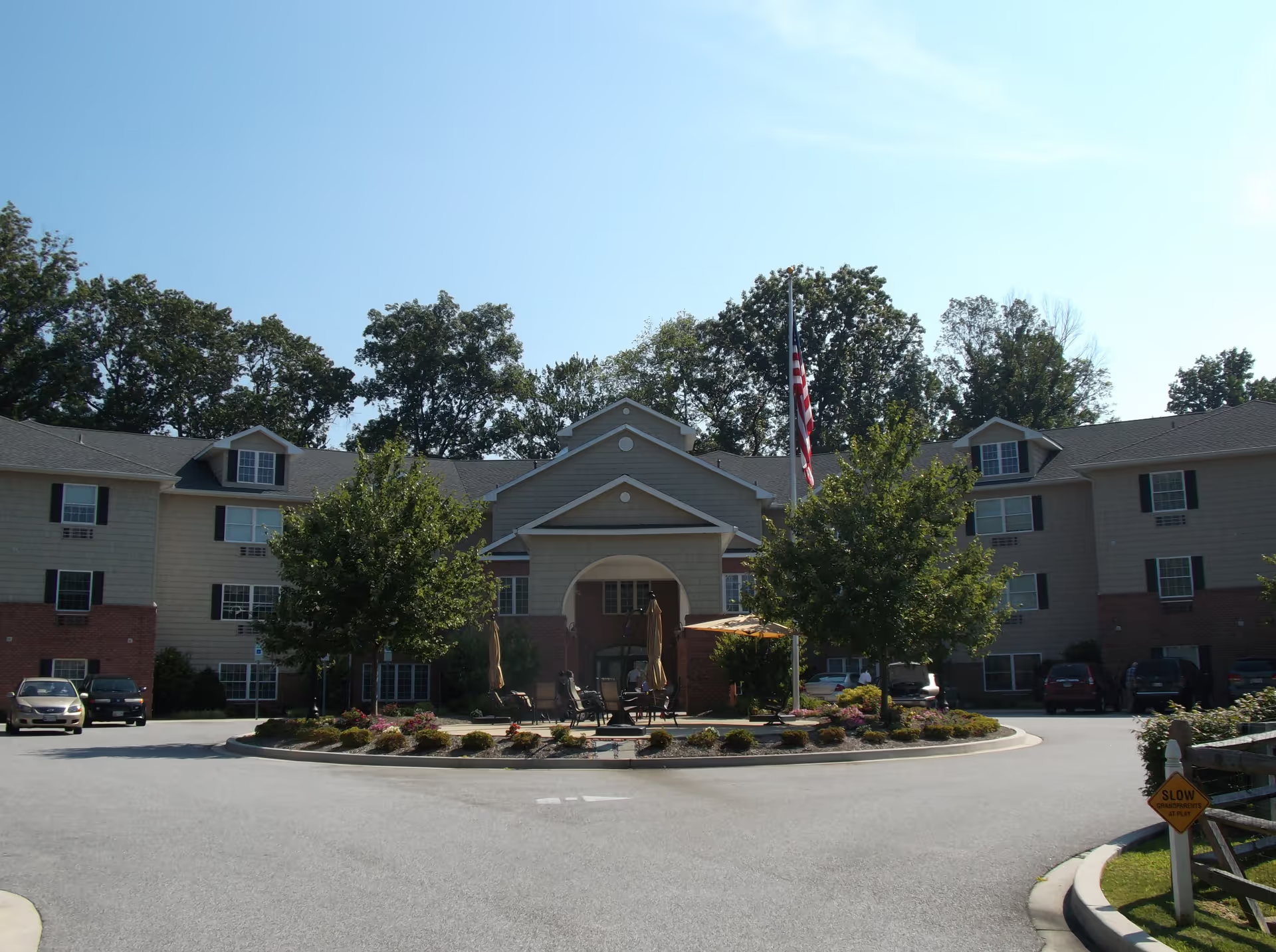
Facility condition and operations show variability. Positive comments reference clean, welcoming common areas and visible infection-control measures. However, other accounts describe maintenance and infrastructure issues (small rooms, the need for renovation), localized sanitation concerns in certain rooms or bathrooms, supply and equipment management problems, and occasional safety hazards related to cluttered storage or blocked access. Front-desk staffing and access control are inconsistent in some reports, and there are isolated allegations of property-control problems that families found concerning.
Management and communication practices are uneven. Several families praise specific administrators, social workers, or nurses for clear, timely updates and effective coordination. At the same time, other families report delayed managerial responses to complaints, confusing admission and discharge processes, and difficulties reaching staff by phone. These contrasts suggest that individual staff members or departments can perform very well even when systemic issues persist.
Practical guidance for prospective residents and families: Sterling Care Bel Air may be a strong option for short-term rehabilitation needs given the therapy strengths documented across reviews. For longer stays or higher-acuity nursing needs, families should clarify staffing ratios, aide responsibilities, medication-administration protocols, fall-prevention measures, and procedures for handling clinical incidents. Ask about dietary accommodations, laundry and personal-property procedures, and emergency-response policies. If a resident will have limited family advocacy, consider arranging additional oversight (for example, private aides or more frequent family check-ins) and obtain clear, written care plans and update/communication expectations from management.